Contemplative Moment Art

A highly realistic and historically accurate image set in the deep, waterlogged mud of the Texas Cross Timbers (Montague County) in 1840. The scene captures the frustrating moment when the Chihuahua Traders caravan is completely stuck. Foreground focus is on several heavy, wooden Conestoga freight wagons, mired up to their axles in dark, thick mud. Exhausted oxen are straining and distressed, their drivers in rough frontier attire attempting to free the wheels with ropes and levers. In the mid-ground, a small group of the American equestrian circus performers stands next to their distinctive, high-quality riding horses, which are visibly more refined than the typical pack animals. The performers are dressed in sturdy but distinct traveling clothes, looking ill-equipped and frustrated by the muddy conditions. One performer is carefully securing a colorful carriage or cart containing unique circus props, struggling to keep it from sinking. The overall mood is one of miserable delay and hardship. Cloudy, oppressive sky; detailed realism; wide-angle shot; dark, moody lighting.
A mystical fantasy angel with a lion head standing at God's throne in heaven, with suspense and serenity. Vibrant colors that immediately catch the eye, and soft lighting envelops the scene, enhancing its ethereal beauty. The angel strikes a graceful pose, signifying freedom and power. Dreamlike quality, a world of imagination and enchantment
Digital Glitch Modern Art Style Style Transfer Example
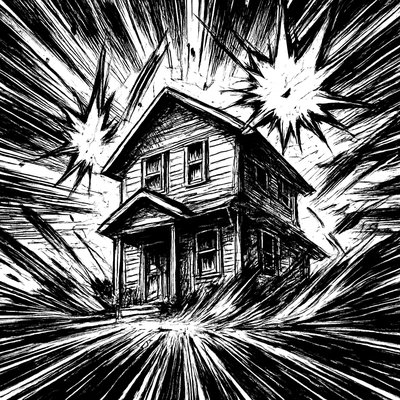
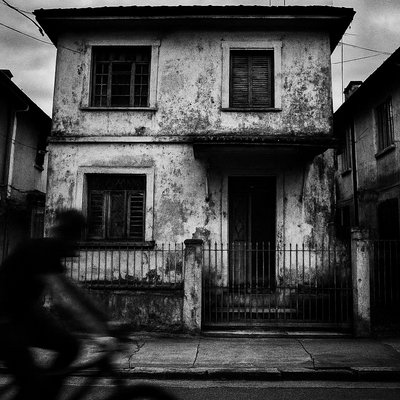
house with front view
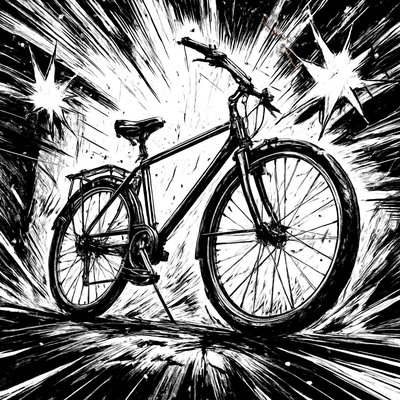
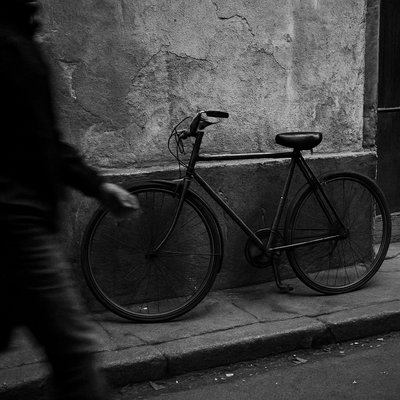
bicyle resting against a wall
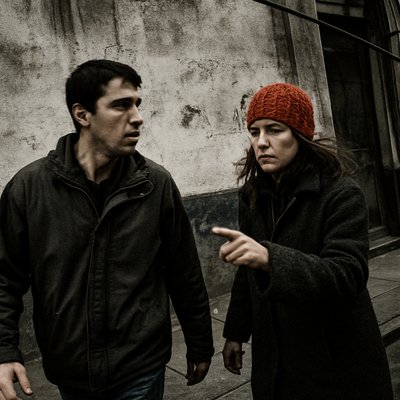
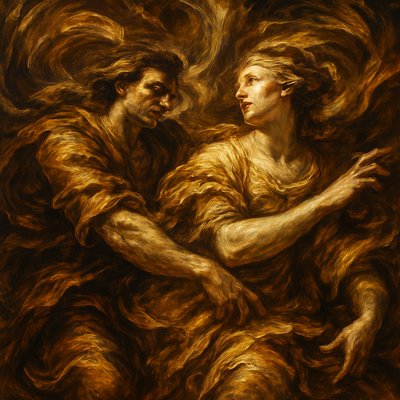
portrait of two people together
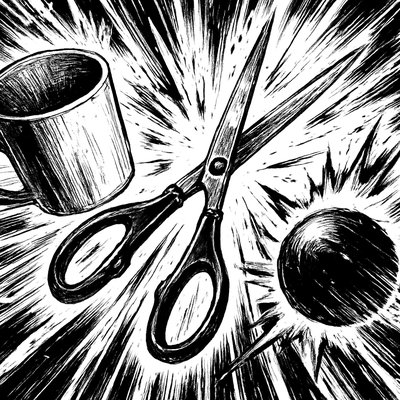
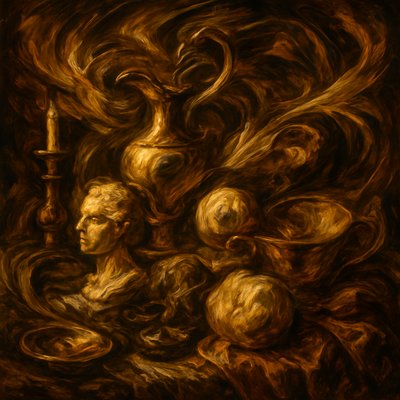
still life with everyday objects
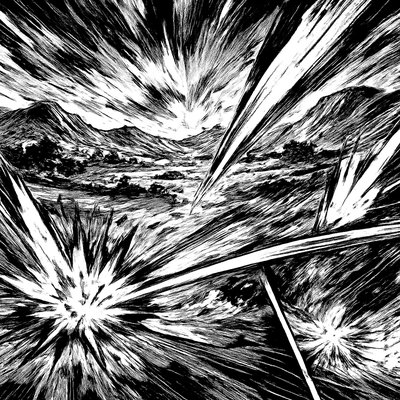
wide landscape with natural scenery
house with front view
portrait of two people together
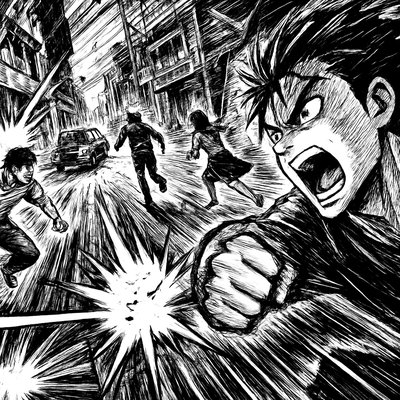
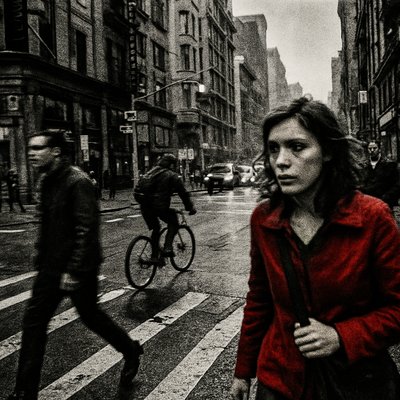
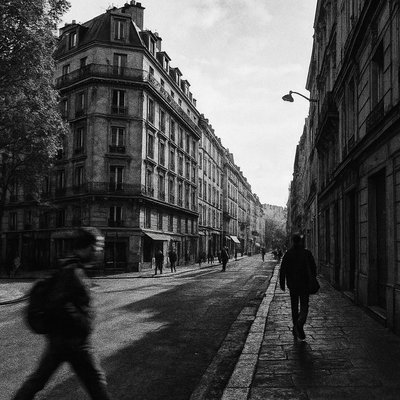
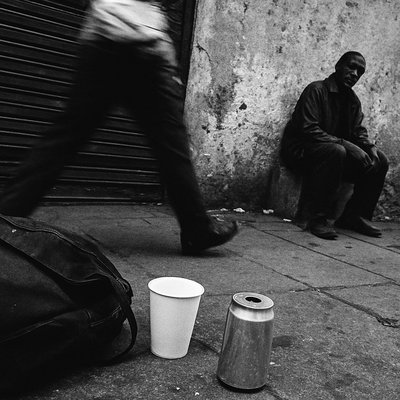
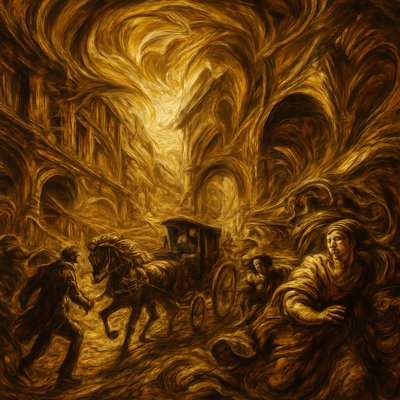
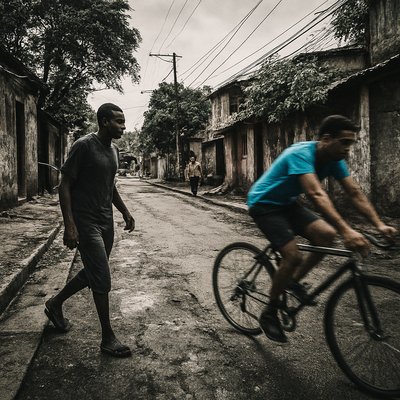
urban street with city activity
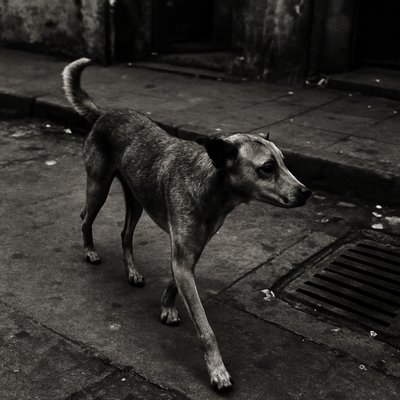
animal standing in natural pose
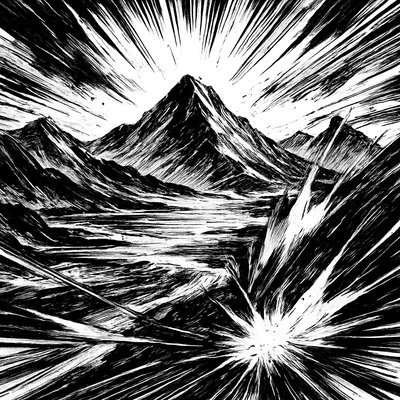
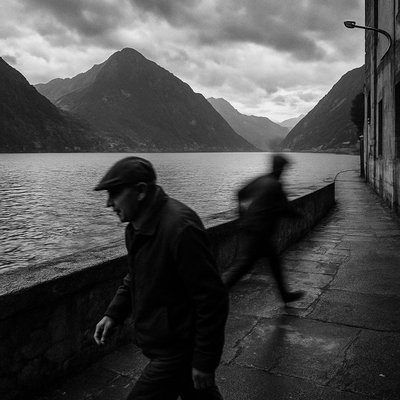
serene landscape with mountains and water
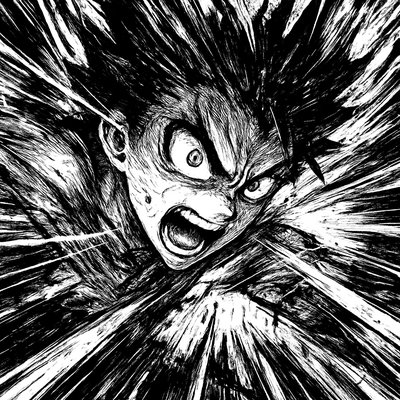
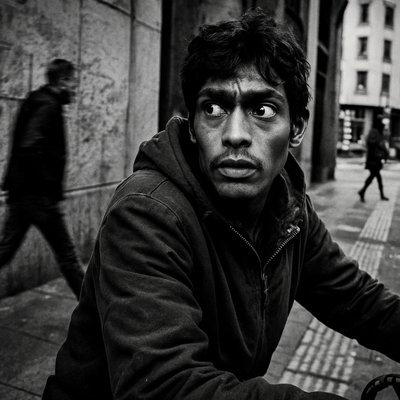
portrait of a person with expressive eyes
profound image representing the verse Psalm 119:15. The scene depicts a solitary lady with flowing, long red hair, in a posture of deep contemplation or meditation. She is seated or kneeling in a peaceful, natural setting – perhaps on a gentle hillside overlooking a tranquil landscape, by a calm body of water, or within a serene garden. Her expression is focused and reverent.

Before her, or subtly integrated into the scene, is an ancient scroll or open book, glowing with a soft, ethereal light, symbolizing God's precepts. Her posture and gaze are directed towards this source of wisdom, with a clear sense of 'fixing her eyes' on its profound truth.

Extending from the scroll/book, or subtly woven into the distant landscape, are luminous, ethereal pathways or guiding lights, representing 'Your ways' (God's ways). These pathways are clear and inviting, leading towards a bright, hopeful horizon, symbolizing divine guidance and understanding. The atmosphere is tranquil and reflective, bathed in soft, warm, golden light (perhaps dawn or dusk), signifying clarity and spiritual insight. The overall mood is one of peace, deep wisdom, divine guidance, and focused devotion, rendered with a beautiful, luminous quality."
A highly realistic and historically accurate image set in the deep, waterlogged mud of the Texas Cross Timbers (Montague County) in 1840. The scene captures the frustrating moment when the Chihuahua Traders caravan is completely stuck. Foreground focus is on several heavy, wooden Conestoga freight wagons, mired up to their axles in dark, thick mud. Exhausted oxen are straining and distressed, their drivers in rough frontier attire attempting to free the wheels with ropes and levers. In the mid-ground, a small group of the American equestrian circus performers stands next to their distinctive, high-quality riding horses, which are visibly more refined than the typical pack animals. The performers are dressed in sturdy but distinct traveling clothes, looking ill-equipped and frustrated by the muddy conditions. One performer is carefully securing a colorful carriage or cart containing unique circus props, struggling to keep it from sinking. The overall mood is one of miserable delay and hardship. Cloudy, oppressive sky; detailed realism; wide-angle shot; dark, moody lighting.
A highly realistic and historically accurate image set in the deep, waterlogged mud of the Texas Cross Timbers (Montague County) in 1840. The scene captures the frustrating moment when the Chihuahua Traders caravan is completely stuck.

Foreground focus is on several heavy, wooden Conestoga freight wagons, mired up to their axles in dark, thick mud. Exhausted oxen are straining and distressed, their drivers in rough frontier attire attempting to free the wheels with ropes and levers.

In the mid-ground, a small group of the American equestrian circus performers stands next to their distinctive, high-quality riding horses, which are visibly more refined than the typical pack animals. The performers are dressed in sturdy but distinct traveling clothes, looking ill-equipped and frustrated by the muddy conditions. One performer is carefully securing a colorful carriage or cart containing unique circus props, struggling to keep it from sinking. The overall mood is one of miserable delay and hardship. Cloudy, oppressive sky; detailed realism; wide-angle shot; dark, moody lighting.
Pure white unicorn with spiraling pearl horn drinking from a crystal-clear forest pool, surrounded by ancient oaks with golden autumn leaves, soft god-rays filtering through canopy, delicate fairy figures in the distance, romantic Hildebrandt brothers style, luminous and ethereal, highly detailed fantasy oil painting, warm color palette
A mystical fantasy angel with a lion head standing at God's throne in heaven, with suspense and serenity. Vibrant colors that immediately catch the eye, and soft lighting envelops the scene, enhancing its ethereal beauty. The angel strikes a graceful pose, signifying freedom and power. Dreamlike quality, a world of imagination and enchantment
Digital Glitch Modern Art Style Style Transfer Example
urban street with city activity
animal standing in natural pose
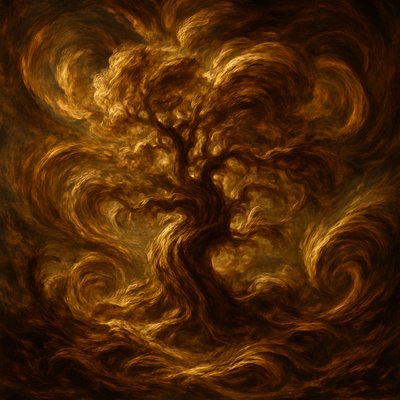
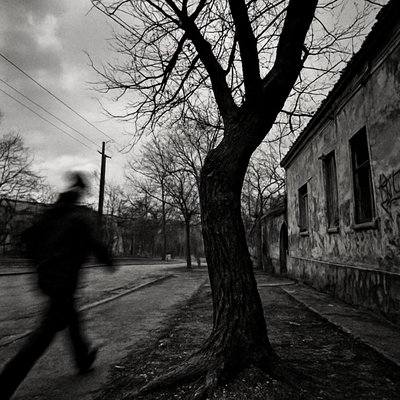
a tree in nature
bicyle resting against a wall
still life with everyday objects
wide landscape with natural scenery
portrait of a person with expressive eyes
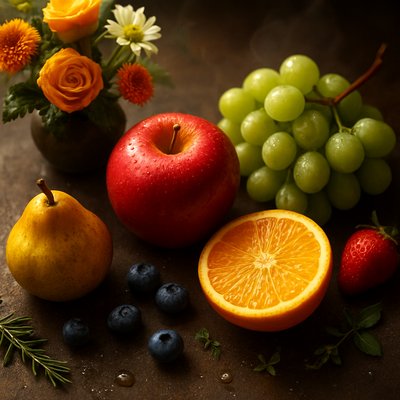
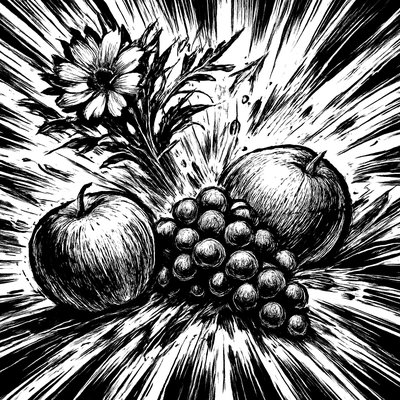
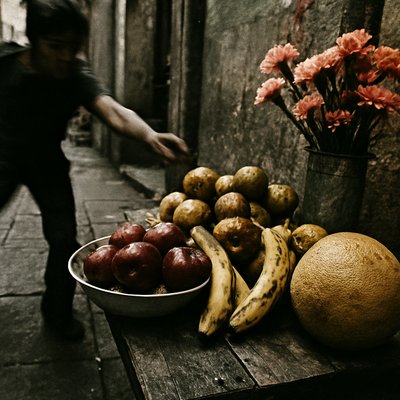
still life arrangement of fruits and flowers
serene landscape with mountains and water
still life arrangement of fruits and flowers
A captivating and serene portrait of a young Roseate Spoonbill juvenile standing gracefully in its natural wetland habitat. The bird's plumage is a delicate and soft pale rosy-pink or peach color, much lighter and more muted than the vibrant pink of its adult counterparts, with touches of white or very light cream feathers, particularly on its head and neck. Its characteristic long, spatulate (spoon-shaped) bill is prominent, though it might be a slightly duller gray or greenish-gray than an adult's.

The juvenile spoonbill stands in shallow, calm water, possibly surrounded by lush green marsh grasses, reeds, or mangrove roots. The background is a soft-focus wetland scene, hinting at a warm, sunny day with serene water and distant vegetation, perhaps with a clear blue sky or a gentle sunset glow. The lighting is soft and natural, emphasizing the subtle, beautiful peach and rosy tones of its feathers and the unique texture of its plumage. The overall mood is one of quiet elegance, youthful beauty, and peaceful observation in nature." impressionistic watercolor painting, soft washes of color, delicate brushstrokes, ethereal atmosphere, focus on color blend and texture"
Renaissance Painting Art Style, Symbolism Art Style, a profoundly joyful and uplifting painting inspired by Nehemiah 8:10, emphasizing "the joy of the Lord is your strength." The scene depicts a vibrant, bustling gathering of diverse ancient Israelites, engaged in a communal feast and celebration. People of all ages are shown with radiant, happy faces, some laughing heartily, others sharing food and drinks, and many with expressions of deep, peaceful contentment and spiritual upliftment. A few figures have their heads tilted upwards or hands gently raised, as if receiving a subtle, warm, golden divine light that bathes the scene, emanating from above and symbolizing the presence and strength of the Lord. The setting is an outdoor gathering, perhaps near a restored wall or a communal square, filled with rich textures of food, drink, and colorful garments. The atmosphere is one of shared delight, spiritual renewal, and unbreakable strength. Focus on the authentic, diverse expressions of joy on each individual's face, the sense of vibrant community and shared celebration, and the ethereal, empowering golden light that symbolizes the Lord's strength.
A highly realistic and historically accurate image set in the deep, waterlogged mud of the Texas Cross Timbers (Montague County) in 1840. The scene captures the frustrating moment when the Chihuahua Traders caravan is completely stuck.

Foreground focus is on several heavy, wooden Conestoga freight wagons, mired up to their axles in dark, thick mud. Exhausted oxen are straining and distressed, their drivers in rough frontier attire attempting to free the wheels with ropes and levers.

In the mid-ground, a small group of the American equestrian circus performers stands next to their distinctive, high-quality riding horses, which are visibly more refined than the typical pack animals. The performers are dressed in sturdy but distinct traveling clothes—perhaps featuring slightly tailored jackets or vests—rather than performance costumes, looking ill-equipped and frustrated by the muddy conditions. One performer is carefully securing a small, colorful carriage or cart containing unique circus props, struggling to keep it from sinking. The overall mood is one of miserable delay and hardship. Cloudy, oppressive sky; detailed realism; wide-angle shot; dark, moody lighting.
A historically accurate, high-quality black and white photograph from 1943. The scene is a bustling village hall in wartime Britain, decorated with Union Jack flags and a large banner reading, "Wings for Victory - Raise Funds for the RAF."

The focus is on several pairs of dancers on a wooden floor. The main subjects are smartly dressed African American airmen in USAAF uniforms dancing with British women wearing fashionable 1940s floral print dresses. They are engaged in an energetic and joyous moment of the Lindy Hop (or Jitterbug/Swing dancing), characterized by dynamic movement, big smiles, and one pair caught in a mid-air 'breakaway' or 'swing-out' move. In the background, a small jazz band featuring a drummer and saxophone player is visible on a low stage. The atmosphere is warm, integrated, and full of the energy of an exciting, new dance style.
A profoundly symbolic and awe-inspiring depiction of a colossal, luminous gate of the New Jerusalem, where the entire gate IS a single, immense, perfectly spherical pearl. This monumental pearl gate is captured in the dynamic act of rolling away, similar to a massive stone being moved from an entrance. The spherical pearl is shown mid-motion, having just begun to slide or pivot within its vast, golden, celestial frame, creating an opening into the glorious city beyond.

The pearl itself glows with an intense, soft iridescence, reflecting the divine light. Its surface shows exquisite details of mother-of-pearl, and its sheer scale emphasizes that it is a single, perfect gem. The massive, transparent golden wall of the city forms the structure around this pearl gate, with visible tracks or an immense opening indicating where the pearl has moved from.

Through the now open segment of the gate, the radiant glory of the New Jerusalem streams forth. Pure gold streets, like transparent glass, extend into the city, illuminated by an intense, divine light that emanates from within. Heavenly architecture, impossibly beautiful and intricate, is glimpsed in the distance, beckoning. The atmosphere is one of profound sanctity, triumphant revelation, and welcoming access to the divine, with the act of the pearl gate rolling away symbolizing a breakthrough or an open invitation. The lighting is ethereal and grand, emphasizing the pearl's luster and the city's overwhelming glory."
Photorealism Art Style, a profoundly dramatic and intensely luminous image depicting a vision of Heaven seen from the ground. The scene is dominated by a blazing, overwhelming celestial light that is violently breaking through the darkness of the night sky. This light is not the sun, but the pure glory of God, manifesting as swirling gold, brilliant white, and ethereal blue luminescence that seems to pull the viewer upward. A long red-haired woman, wearing simple, flowing heavenly attire, stands below, gazing upward with an expression of ecstatic awe and reverence. She is bathed in the brilliant, otherworldly light streaming down, suggesting the moment of divine revelation where the heavens are torn open. The focus is on the raw, blinding intensity of the divine light, the realistic texture of the woman's awe-struck face, and the vibrant, chaotic energy of the celestial vision, creating a powerful image of a direct, momentary glimpse into the boundless presence of Heaven.
A historically accurate and atmospheric depiction of the signing of the Mayflower Compact aboard the ship in November 1620. The scene is set in the dimly lit, cramped cabin of the Mayflower, with the ship's timbers and rigging subtly visible, conveying the challenging conditions of the voyage. A simple table or chest serves as the signing surface. The primary focus is on a small group of the last individuals signing the document: specifically, the indentured servants (or 'strangers' not directly part of the Separatist congregation) approaching or at the table. Their expressions show a mix of weary determination, understanding of the necessity, and perhaps a hint of quiet apprehension or resignation to this new social contract, given their status. They are dressed in the plain, practical clothing typical of 17th-century commoners and laborers. Figures of prominent Pilgrims or 'Saints' (like William Bradford or John Carver) are visible in the background, observing the proceedings with a sense of gravity and leadership, but they are not the central focus. The lighting is low and warm, perhaps from a lantern, creating a chiaroscuro effect that highlights the faces of the signers. The atmosphere conveys the momentousness of the act under difficult circumstances, the diverse composition of the group, and the early seeds of self-governance in a new world. The artistic style is a realistic, historically detailed oil painting, capturing the solemnity and human element of this pivotal historical moment."
Start with a completely ordinary, even boring photograph of a full moon reflecting over a still lake.
Corrupt it until it no longer resembles its original subject at all, but still somehow feels like it’s haunted by what it used to be. Push the file through at least four different deliberate stages of destruction (e.g. heavy JPEG decay → databend in Audacity → pixel sorting by luminance → extreme RGB channel displacement and offset). Let compression artifacts bloom into impossible colors. Allow entire sections to liquefy and drip downward. Make the metadata scream. The final image should feel like a memory that’s been compressed, encrypted, lost, recovered, and compressed again for twenty years.
A historically accurate and atmospheric depiction of the signing of the Mayflower Compact aboard the ship in November 1620. The scene is set in the dimly lit, cramped cabin of the Mayflower, with the ship's timbers and rigging subtly visible, conveying the challenging conditions of the voyage. A simple table or chest serves as the signing surface. The primary focus is on a small group of the last individuals signing the document: specifically, the indentured servants (or 'strangers' not directly part of the Separatist congregation) approaching or at the table. Their expressions show a mix of weary determination, understanding of the necessity, and perhaps a hint of quiet apprehension or resignation to this new social contract, given their status. They are dressed in the plain, practical clothing typical of 17th-century commoners and laborers. Figures of prominent Pilgrims or 'Saints' (like William Bradford or John Carver) are visible in the background, observing the proceedings with a sense of gravity and leadership, but they are not the central focus. The lighting is low and warm, perhaps from a lantern, creating a chiaroscuro effect that highlights the faces of the signers. The atmosphere conveys the momentousness of the act under difficult circumstances, the diverse composition of the group, and the early seeds of self-governance in a new world. The artistic style is a realistic, historically detailed oil painting, capturing the solemnity and human element of this pivotal historical moment."