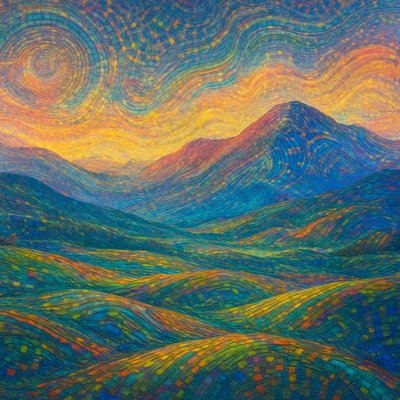
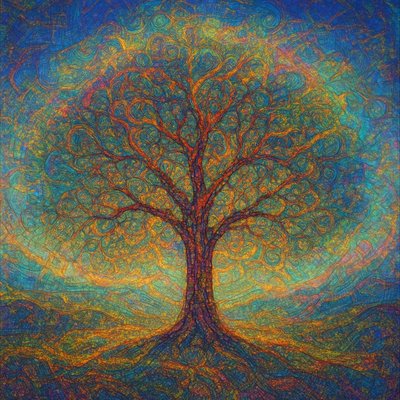
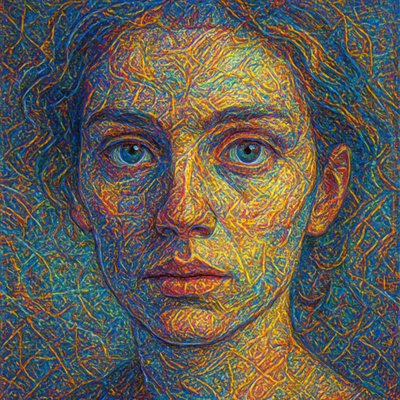
Chronophotographic Mosaic Style Transfer Example Art

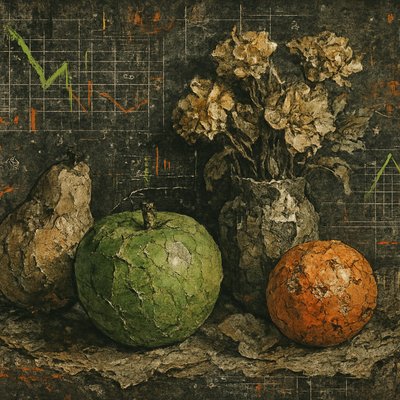
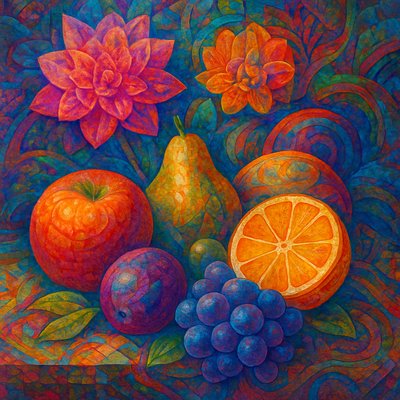
still life arrangement of fruits and flowers
Start with a completely ordinary, even boring photograph of a full moon reflecting over a still lake.
Corrupt it until it no longer resembles its original subject at all, but still somehow feels like it’s haunted by what it used to be. Push the file through at least four different deliberate stages of destruction (e.g. heavy JPEG decay → databend in Audacity → pixel sorting by luminance → extreme RGB channel displacement and offset). Let compression artifacts bloom into impossible colors. Allow entire sections to liquefy and drip downward. Make the metadata scream. The final image should feel like a memory that’s been compressed, encrypted, lost, recovered, and compressed again for twenty years.
autobrush on masterpieces
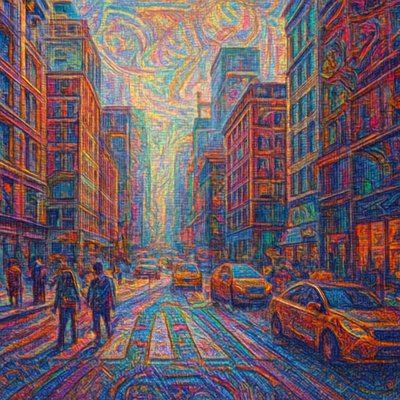
New York City
a tree in nature
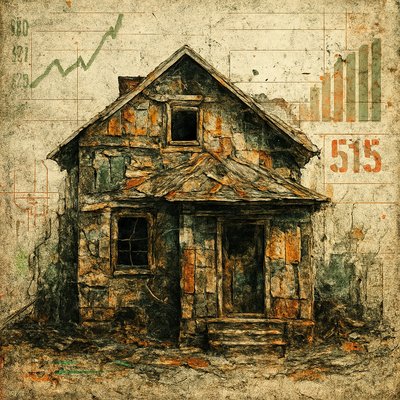
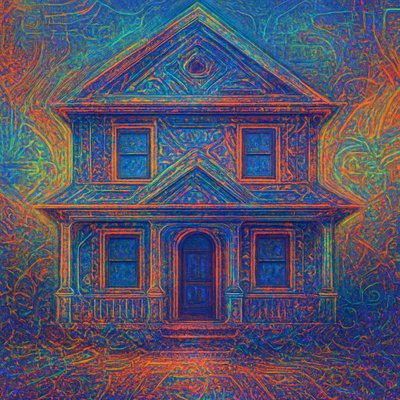
house with front view
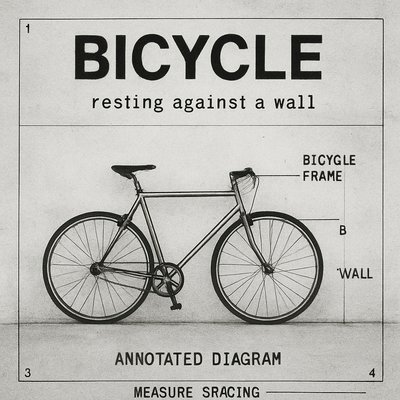
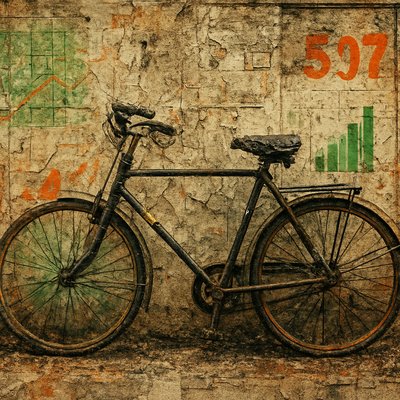
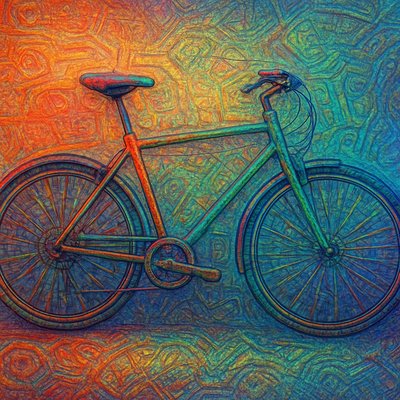
bicyle resting against a wall
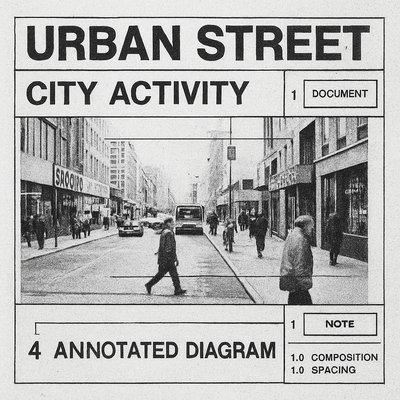
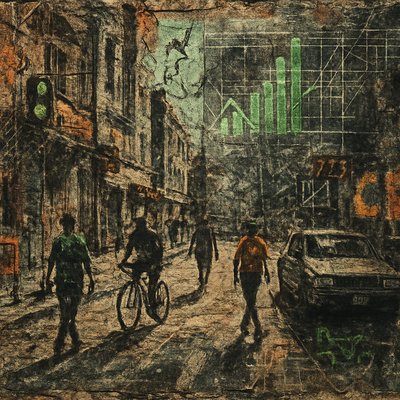
urban street with city activity
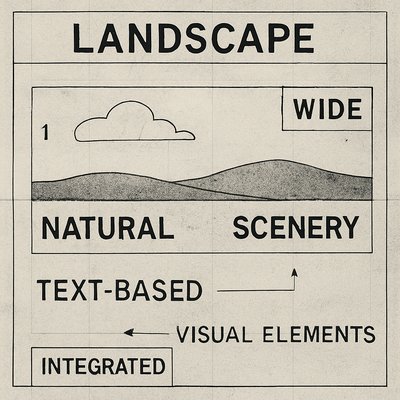
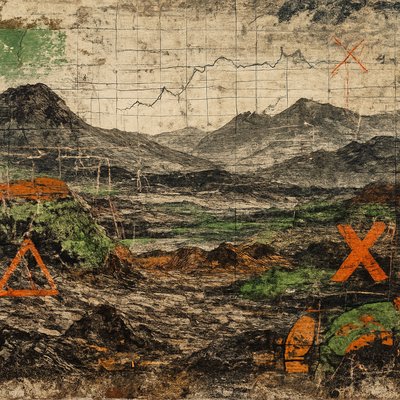
wide landscape with natural scenery
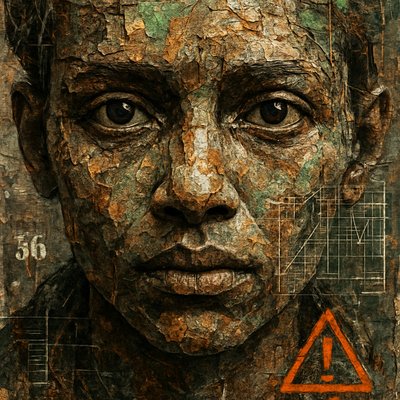
portrait of a person with expressive eyes
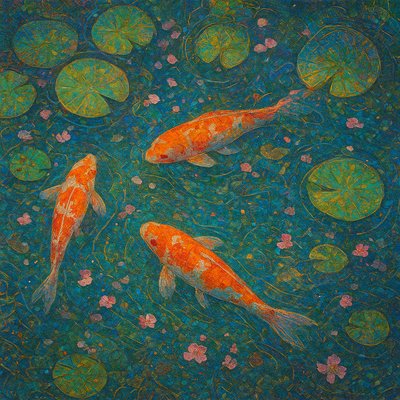
A koi pond seen from above, orange and white koi fish swimming among lily pads, clear water with subtle ripples, fallen cherry blossom petals floating on the surface, dappled sunlight
Start with a completely ordinary, even boring photograph of a full moon reflecting over a still lake.
Corrupt it until it no longer resembles its original subject at all, but still somehow feels like it’s haunted by what it used to be. Push the file through at least four different deliberate stages of destruction (e.g. heavy JPEG decay → databend in Audacity → pixel sorting by luminance → extreme RGB channel displacement and offset). Let compression artifacts bloom into impossible colors. Allow entire sections to liquefy and drip downward. Make the metadata scream. The final image should feel like a memory that’s been compressed, encrypted, lost, recovered, and compressed again for twenty years.
A detailed, ancient-style map of the land of Canaan, with distinct, labeled territories for the Hivites, Arkite, and Sinite people groups. Each territory should have subtle visual cues reflecting their possible historical characteristics or natural environments. For example, the Hivite territory could show some hilly or forested areas, the Arkite territory might feature a coastal city, and the Sinite territory could suggest a more inland or mountainous region. The map should have a weathered, parchment-like texture, with an elegant, old-world font for the labels. In one corner, a small, illuminated manuscript-style illustration could depict three distinct figures, each subtly representing one of the groups, perhaps dressed in period-appropriate attire and engaging in an activity typical of their region. The overall aesthetic should evoke historical scholarship and cartography."
Fragmented figure emerging from geometric forms
house with front view
a tree in nature
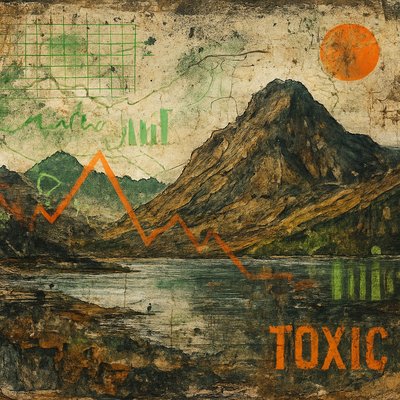
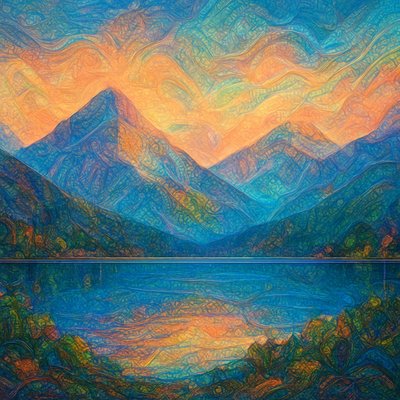
serene landscape with mountains and water
portrait of a person with expressive eyes
still life arrangement of fruits and flowers
bicyle resting against a wall
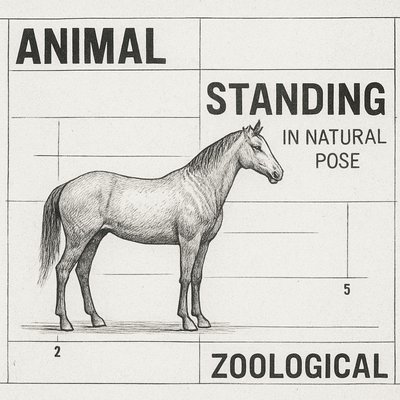
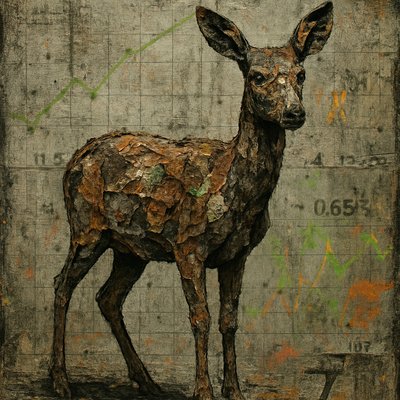
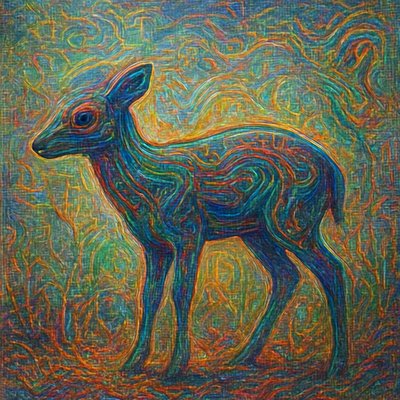
animal standing in natural pose
urban street with city activity
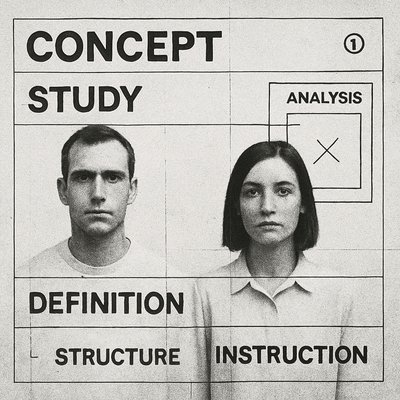
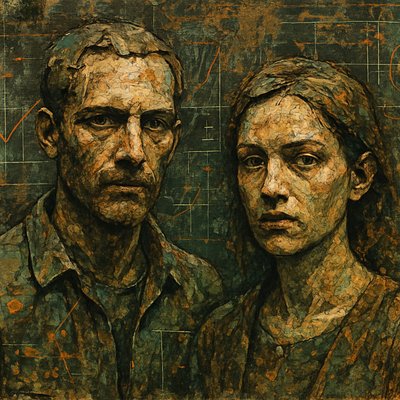
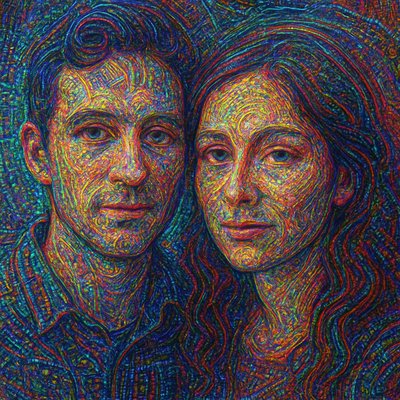
portrait of two people together
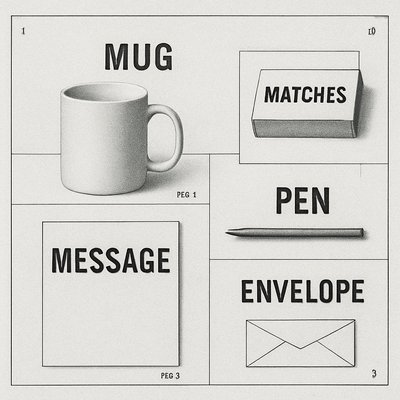
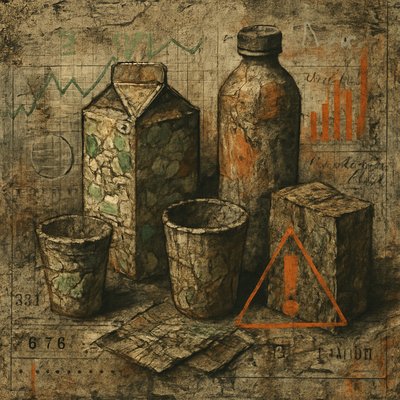
still life with everyday objects
wide landscape with natural scenery
Figure studies for altarpiece
A koi pond seen from above, orange and white koi fish swimming among lily pads, clear water with subtle ripples, fallen cherry blossom petals floating on the surface, dappled sunlight
house with front view
bicyle resting against a wall
animal standing in natural pose
still life arrangement of fruits and flowers
serene landscape with mountains and water
portrait of a person with expressive eyes
a painting of a mountain range with colorful lines
a tree in nature
urban street with city activity
portrait of two people together
still life with everyday objects
wide landscape with natural scenery
still life with everyday objects
wide landscape with natural scenery
a tree in nature