Character Sticker Design Style Transfer Example Art

A vibrant and atmospheric impressionistic painting capturing the essence of the provided photograph: two figures on bicycles, a child in the foreground and an adult behind, crossing a rustic wooden bridge over a flowing stream. The scene is transformed into a glorious autumn landscape, where the surrounding trees are ablaze with rich, impressionistic brushstrokes of brilliant golds, fiery oranges, and deep reds, intermingled with patches of lingering green.
The wooden bridge itself is rendered with textural, broken brushstrokes, suggesting its weathered planks, with scattered fall leaves painted in warm, detached dabs of color. The stream below glimmers with soft reflections of the autumn light and foliage, depicted with fluid, expressive strokes. The figures on the bicycles are captured with a sense of movement and energy, their forms suggested rather than precisely detailed, blending into the lively, shimmering atmosphere.

The sky above, if visible through the canopy, is a soft, luminous blue, hinted at with delicate washes. The lighting is soft and diffused, characteristic of a pleasant autumn day, creating a radiant and inviting mood. The overall effect is one of fleeting beauty, captured light, and the joyful freedom of a crisp fall ride, rendered with the characteristic loose, vibrant brushwork and subjective color of impressionism.
A highly detailed, close-up shot of a Willy Wonka Golden Ticket, partially pulled from a classic Wonka Bar wrapper. The ticket itself is made of shimmering, radiant gold foil, catching and reflecting light in dazzling ways. It features elegant, whimsical typography in a classic, slightly ornate font, clearly stating 'WONKA'S GOLDEN TICKET' and the iconic invitation to the chocolate factory. The edges of the ticket might show slight crinkling or wear from being found. Surrounding the ticket, the vibrant, colorful Wonka Bar wrapper is visible, possibly in shades of purple and white, with the distinctive 'WONKA' logo prominently displayed. The background is a soft, dreamlike blur, suggesting the excitement and wonder surrounding its discovery, perhaps hinting at a magical, candy-filled factory in the distance. The lighting is bright and enchanting, emphasizing the ticket's golden luster."
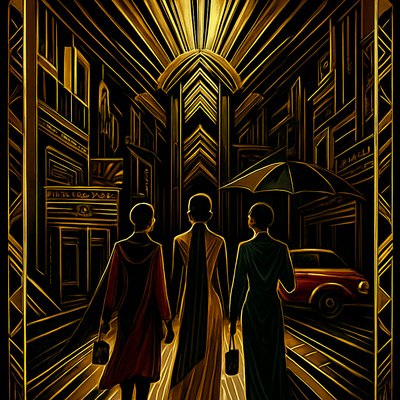
Horses galloping through a forest of trees with colorful fall leaves falling.
The same tree through four seasons
still life with everyday objects
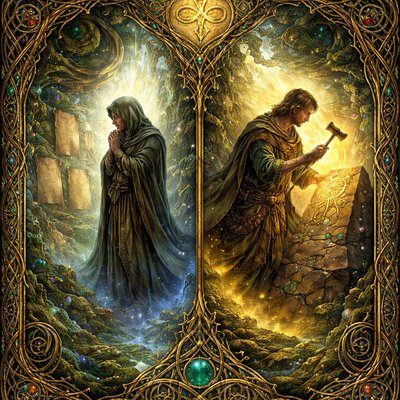
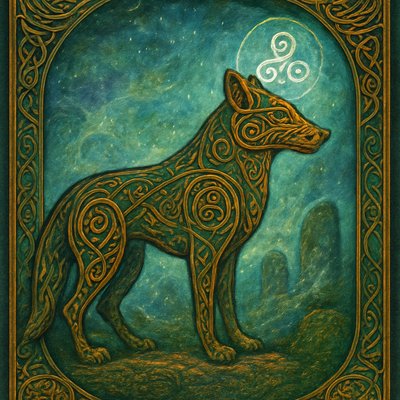
animal standing in natural pose
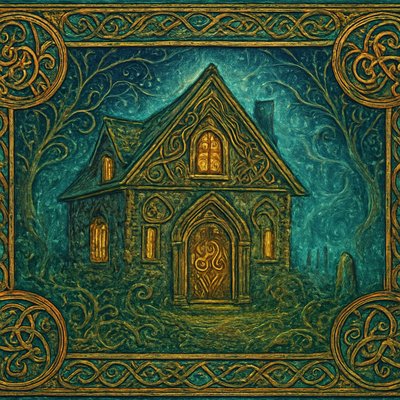
house with front view
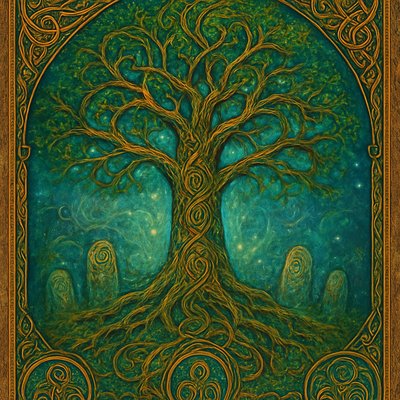
a tree in nature
Neon-Futurism Digital Art Style, Bioluminescent Sci-Fi Cosmic Setting, High-Action Composition. A cinematic, low-angle "chase camera" view from behind the rider, looking forward into a perilous section of the cosmos.

The Rider & Bike Consistency: The lone motorcyclist—wearing the same sleek, armored suit with integrated helmet—is leaning hard into a sharp, dramatic turn on the same hubless "light-cycle" sportbike from the previous scenes. The bike’s cyan and orange neon rings leave a zigzagging, vibrant light trail on the road as it maneuvers.

The Action: The rider is narrowly evading two colossal, mechanical pincers that have slammed down onto the highway from the sides. Spark-like digital data fragments fly where the pincers missed the bike by mere inches.

The Path (The Ecliptic): The glowing blue laser-grid highway is no longer straight; it is twisting like a scorpion’s tail through a dark, turbulent nebula of deep magenta and toxic green gas.

The Scorpio Presence: Looming in the background, partially obscured by the nebula, is the massive celestial form of Scorpio. It is rendered as a terrifyingly beautiful construct of obsidian-colored geometry and glowing violet circuitry. Its stinger is arched high above the highway, glowing with a dangerous, concentrated golden light, ready to strike the path ahead.

Atmosphere: Intense lighting contrast, with the bike's neon glow and the golden stinger cutting through the dark, moody colors of the Scorpio nebula.
A grey squirrel gathers nuts in early winter at first snowfall. A grey squirrel finds a stash of nuts in spring, A nut grows into a tree in summer, a tree with lots of nuts under it in fall.
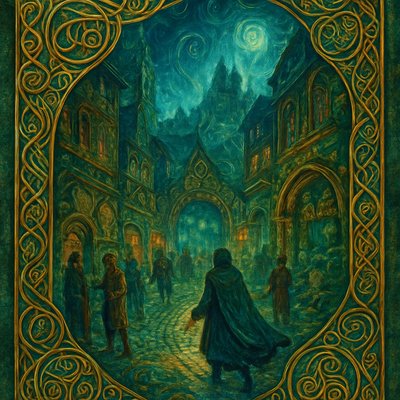
urban street with city activity
a tree in nature
house with front view
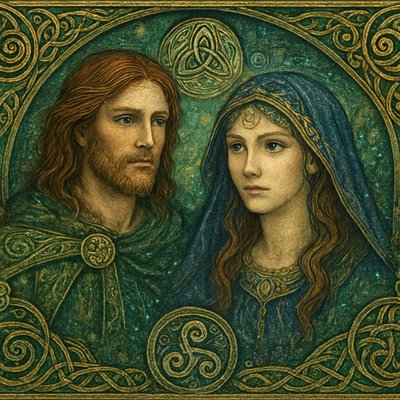
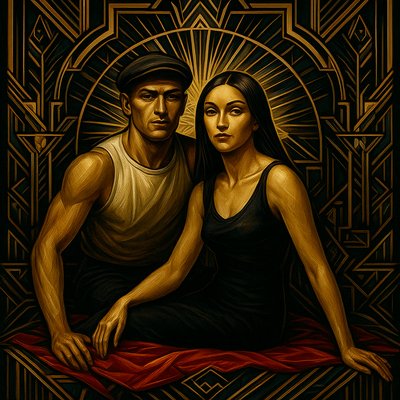
portrait of two people together
animal standing in natural pose
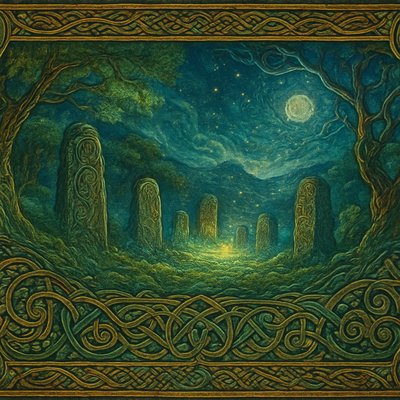
wide landscape with natural scenery
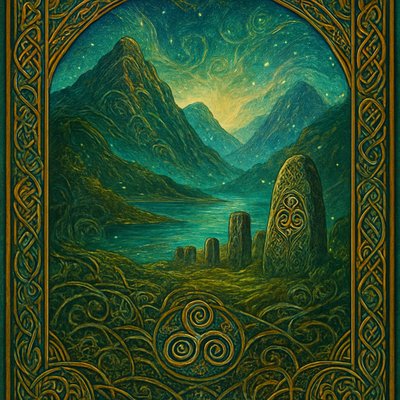
serene landscape with mountains and water
portrait of a person with expressive eyes
Angelic Woman: A highly detailed photorealistic mosaic artwork in the elegant Art Nouveau style strongly influenced by Gustav Klimt, depicting a serene ethereal angelic female figure in three-quarter profile view from the left, eyes gently closed, calm contemplative expression with subtle blush and red lips, head slightly bowed, hands clasped in prayer over the chest. The entire form--including flawless skin, elaborate voluminous curly hair with flowing organic swirls, large intricate angelic wings, and ornate decorative covering--is intricately composed as a luxurious mixed-material mosaic using tiny irregular tesserae dominated by deep midnight blue and radiant gold tones; vibrant hand-cut smalti glass in midnight blue, sapphire, and luminous gold; abundant sparkling embedded gemstones in lapis, turquoise, and pearl hues; extensive metallic gold leaf accents forming spiral, floral, and whiplash curve patterns; opaque ceramic and marble tiles for subtle texture; and delicate pearl inlays for soft luminosity. Hair and figure feature characteristic Klimt-inspired swirling gold filigree, geometric motifs, and organic curving lines; prominent wings rendered in layered feather-like segments with Art Nouveau flowing forms in gold-outlined midnight blue; radiant golden sunburst halo behind the head enhanced with decorative radial patterns. Vast midnight blue night sky background filled with scattered twinkling stars crafted from pearl and silver inlays and a prominent glowing crescent moon in gold and pearl tesserae, dramatic luminous highlights and iridescent reflections on glass, metals, and gems, slight dimensional depth from raised tiles, thin subtle grout lines for elegant contrast, opulent baroque-infused Art Nouveau hyper-intricate style blending surreal fantasy and symbolic celestial ornamentation, sharp focus, transcendent serene mood
"A historically accurate depiction of a Ghost Dance, focusing on the late 19th-century context, specifically around 1890-1891. The scene shows Lakota (Sioux) or Northern Paiute people (specify one or include elements of both, but avoid anachronisms) participating in the ceremony.

Setting: A vast, open prairie or high desert landscape, under an expansive sky. The time of day could be dusk or night, with a prominent moon or stars, or a bright, clear day. Avoid overtly spiritual or ethereal elements like floating spirits unless explicitly requested for a later, more symbolic iteration. The focus should be on the earthly ceremony.

Participants: A circle of men, women, and children, hand-in-hand, moving in a slow, rhythmic shuffle or circular motion. Their faces show a mixture of devotion, hope, and determination. Some may have expressions of trance or deep concentration.

Attire:

    Ghost Dance Shirts/Dresses: Emphasize the unique Ghost Dance shirts and dresses, which were typically made of muslin or canvas. These garments should feature painted designs such as stars, crescents, birds (especially eagles or crows), buffalo, human figures, or crosses. The designs should appear hand-painted, not mass-produced.

    Hair and Adornments: Participants should have braided hair or wear it long. Some may wear feathers (e.g., eagle or hawk feathers) in their hair. Minimal traditional adornments, as the focus was often on the Ghost Dance shirt itself. Avoid overly elaborate or Hollywood-esque depictions of war bonnets unless relevant to a specific individual and context.

    Footwear: Moccasins or bare feet.

Action/Atmosphere:

    The dancers are moving in a counter-clockwise circle, with a central figure or a small group often leading.

    The overall mood is one of earnest prayer and communal spiritual effort. The dance should convey a sense of hope for renewal and the return of the old ways, rather than aggression or despair.

    There might be a central pole or small fire as a focal point, around which the dance takes place.

    Avoid any signs of direct conflict or violence; the Ghost Dance itself was a non-violent spiritual movement.

Specific Considerations for Accuracy:

    Wovoka's Influence: The teachings of Wovoka (the Northern Paiute prophet) emphasized peace, hard work, and the return of the buffalo and deceased ancestors. The scene should subtly reflect this hopeful, redemptive spirit.

    Regional Variations: If focusing on Lakota, consider their specific interpretations, which sometimes included more imagery related to their warrior traditions on the shirts, but still within the peaceful framework of the dance.

    Respectful Portrayal: Ensure the depiction is respectful and avoids any stereotypical or caricatured representations of Indigenous people. Focus on their human dignity and spiritual sincerity.
Volcanic rage
A koi pond seen from above, orange and white koi fish swimming among lily pads, clear water with subtle ripples, fallen cherry blossom petals floating on the surface, dappled sunlight
serene landscape with mountains and water
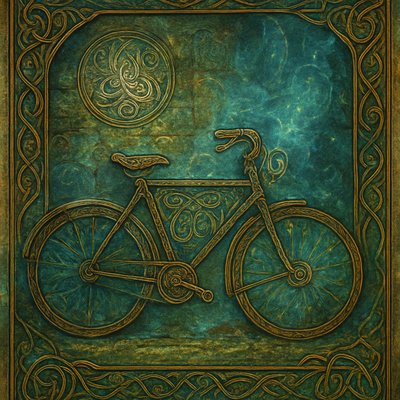
bicyle resting against a wall
urban street with city activity
portrait of a person with expressive eyes
bicyle resting against a wall
urban street with city activity
wide landscape with natural scenery
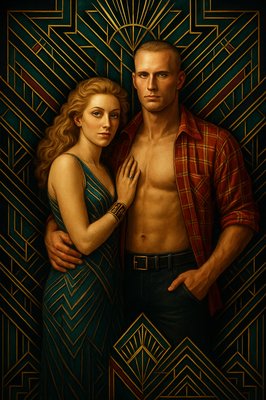
portrait of two people together
portrait of a person with expressive eyes
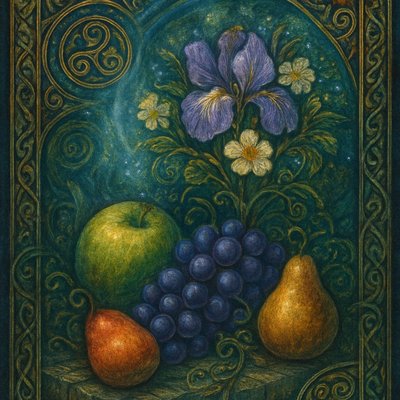
still life arrangement of fruits and flowers
a tree in nature
house with front view
bicyle resting against a wall
animal standing in natural pose
urban street with city activity
wide landscape with natural scenery
bicyle resting against a wall
still life with everyday objects
still life arrangement of fruits and flowers
a group of people standing next to each other