Bread Line During Economic Hardship In The Art Style Of Social Realism V 6.1 Art

Protest scene highlighting social injustice in the art style of Social Realism --v 6.1
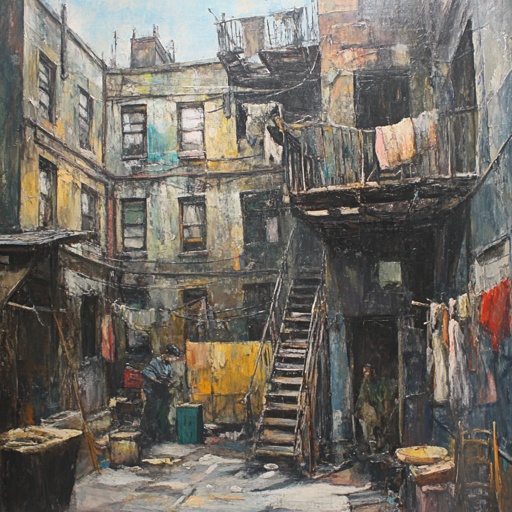
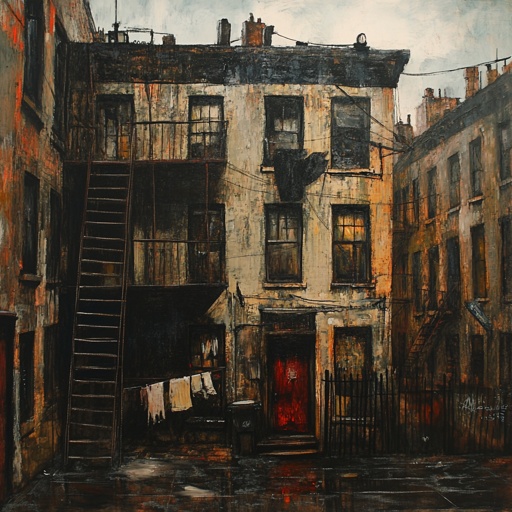
Urban poverty depicted in a tenement setting in the art style of Social Realism --v 6.1
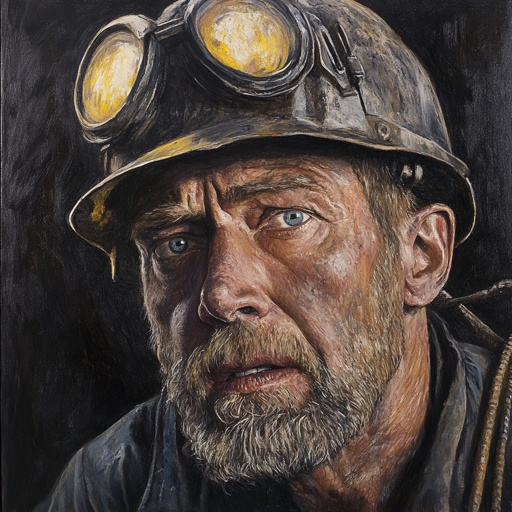
Portrait of a coal miner after a long shift in the art style of Social Realism --v 6.1
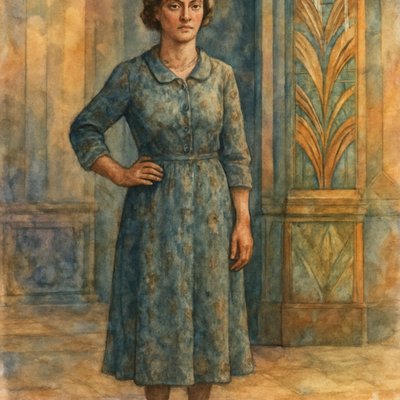
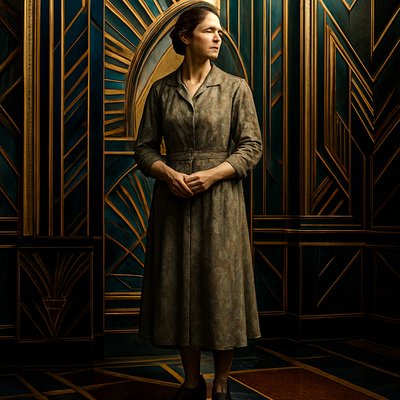
A woman dressed in Great Depression era fashion, standing in a dimly lit, humble setting. She wears a modest, long-sleeved dress made of durable, slightly faded cotton or rayon, with a mid-calf hemline. The dress is a muted color like dusty blue, faded green, or soft brown, possibly with a subtle, small floral or geometric pattern. Her hair is styled simply, perhaps in soft waves or a practical updo, and she wears sturdy, low-heeled lace-up shoes. Her posture is resilient, reflecting the strength of the era. The background is simple and sparse, hinting at the economic hardship, perhaps an old wooden wall or a faded curtain. The overall feeling is one of quiet determination and dignified hardship Use Art Deco architecture or Art Deco interior in the background, but describe the fashion as faded, worn, and humble. Juxtapose the sleek, modern geometry of the setting with the practical, mended, and heavy wool textures of the clothing.
A woman dressed in Great Depression era fashion, standing in a dimly lit, humble setting. She wears a modest, long-sleeved dress made of durable, slightly faded cotton or rayon, with a mid-calf hemline. The dress is a muted color like dusty blue, faded green, or soft brown, possibly with a subtle, small floral or geometric pattern. Her hair is styled simply, perhaps in soft waves or a practical updo, and she wears sturdy, low-heeled lace-up shoes. Her posture is resilient, reflecting the strength of the era. The background is simple and sparse, hinting at the economic hardship, perhaps an old wooden wall or a faded curtain. The overall feeling is one of quiet determination and dignified hardship
A woman dressed in Great Depression era fashion, standing in a dimly lit, humble setting. She wears a modest, long-sleeved dress made of durable, slightly faded cotton or rayon, with a mid-calf hemline. The dress is a muted color like dusty blue, faded green, or soft brown, possibly with a subtle, small floral or geometric pattern. Her hair is styled simply, perhaps in soft waves or a practical updo, and she wears sturdy, low-heeled lace-up shoes. Her posture is resilient, reflecting the strength of the era. The background is simple and sparse, hinting at the economic hardship, perhaps an old wooden wall or a faded curtain. The overall feeling is one of quiet determination and dignified hardship Use Art Deco architecture or Art Deco interior in the background, but describe the fashion as faded, worn, and humble. Juxtapose the sleek, modern geometry of the setting with the practical, mended, and heavy wool textures of the clothing.
Social media intervention as artistic practice in the art style of Net Art --v 6.1
Performance piece critiquing social structures in the art style of Neo-Conceptualism --v 6.1
Social media intervention as artistic practice in the art style of Net Art --v 6.1
Performance piece critiquing social structures in the art style of Neo-Conceptualism --v 6.1
Factory workers united
Social practice project addressing local issues in the art style of Relational Art --v 6.1
Video art piece reflecting on social media behavior in the art style of Post-Internet Art --v 6.1
Social practice project addressing local issues in the art style of Relational Art --v 6.1
Video art piece reflecting on social media behavior in the art style of Post-Internet Art --v 6.1
Symbolic assemblage addressing social or political themes in the art style of Assemblage --v 6.1
Narrative painting addressing social issues in Australia in the art style of Antipodeans --v 6.1
Cartoon-inspired painting with social commentary in the art style of Neo-Pop Art --v 6.1
Provocative performance challenging social taboos in the art style of Transgressive Art --v 6.1
Participatory installation creating social interactions in the art style of Relational Art --v 6.1