An Old Man With A Stethoscope In His Hand Art

First love confession
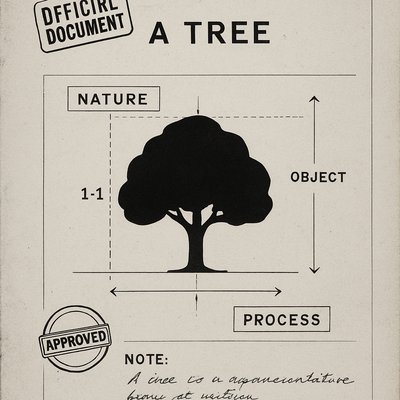
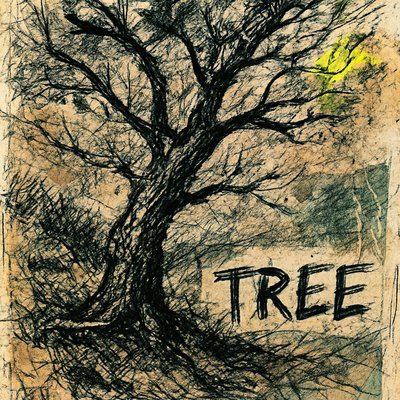
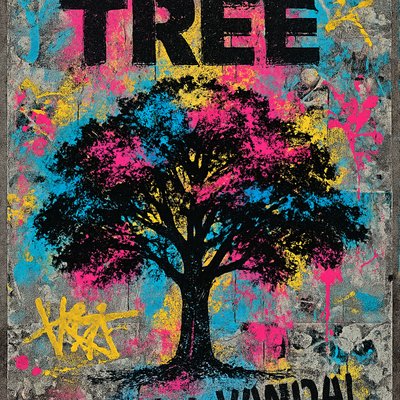
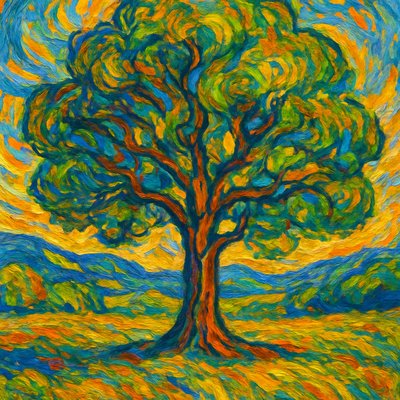
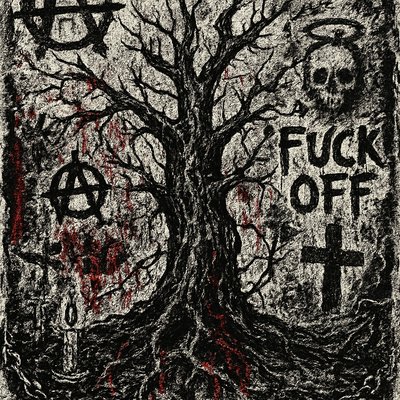
a tree in nature
a tree in nature
a tree in nature
a tree in nature
a tree in nature
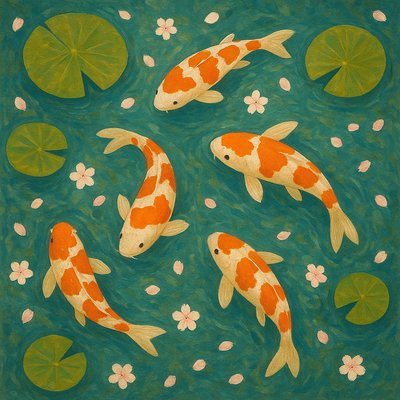
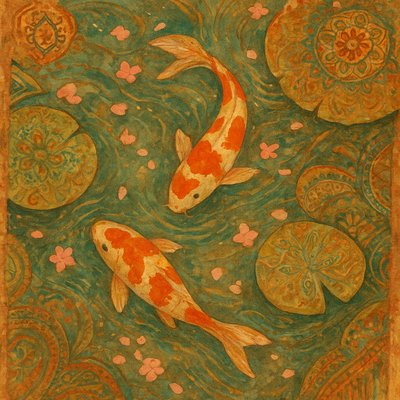
A koi pond seen from above, orange and white koi fish swimming among lily pads, clear water with subtle ripples, fallen cherry blossom petals floating on the surface, dappled sunlight
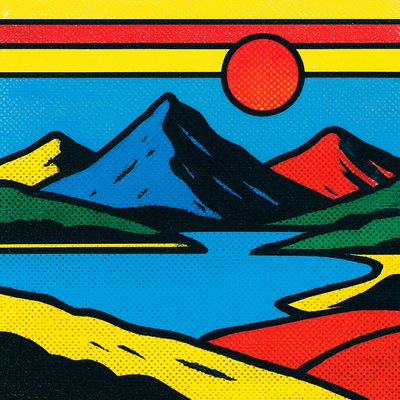
serene landscape with mountains and water
An awe-inspiring and whimsical scene featuring Willy Wonka's Great Glass Wonkavator, soaring through the sky and beyond the confines of the chocolate factory. The Wonkavator itself is a magnificent, multi-directional glass elevator, transparent and sparkling, with a middle aged Willy Wonka (wearing his iconic top hat, purple coat, and bowtie) and a young Victorian well dressed lady looking out with expressions of joy, wonder and excitement. The interior is filled with intricate buttons and levers for controlling its magical flight. The Wonkavator is depicted in mid-flight, perhaps bursting through the factory roof or ascending above the clouds. Below it, the fantastical landscape of the Chocolate Factory is visible – chocolate rivers, edible gardens, candy cane trees, and various whimsical buildings. Beyond the factory, a stunning, imaginative sky unfolds, perhaps with floating candy clouds, distant fantastical landmarks, or even glimpses of outer space and planets. The lighting is bright and magical, emphasizing the glass's transparency and the vibrant colors of the world below and beyond. The overall mood is one of boundless adventure, limitless possibilities, and pure, joyful fantasy."
Global Contemporary Art Style Style Transfer Example
a woman with her hair blowing in the wind
a painting of a man in a vest
house with front view
A futuristic cityscape at dawn
An awe-inspiring and whimsical scene featuring Willy Wonka's Great Glass Wonkavator, soaring high above Louisiana and ascending into a fantastical sky. The Wonkavator itself is a magnificent, multi-directional glass elevator, transparent and sparkling, with Willy Wonka (in his iconic purple coat and top hat), and several  cats in stylish New Orleans clothing clearly visible and enjoying the ride inside. The interior of the Wonkavator shows intricate, whimsical control panels. The Wonkavator is depicted in mid-flight, having just burst through the factory roof or rising above the clouds. Below it, the fantastical landscape of the Bayou and various whimsical buildings from the city of New Orleans. Beyond is the ocean. The lighting is bright and magical, emphasizing the glass's transparency and the vibrant colors of the world below and beyond. The overall mood is one of boundless adventure, limitless possibilities, and pure, joyful fantasy."
serene landscape with mountains and water
house with front view
still life with everyday objects
A historically accurate and atmospheric depiction of the signing of the Mayflower Compact aboard the ship in November 1620. The scene is set in the dimly lit, cramped cabin of the Mayflower, with the ship's timbers and rigging subtly visible, conveying the challenging conditions of the voyage. A simple table or chest serves as the signing surface. The primary focus is on a small group of the last individuals signing the document: specifically, the indentured servants (or 'strangers' not directly part of the Separatist congregation) approaching or at the table. Their expressions show a mix of weary determination, understanding of the necessity, and perhaps a hint of quiet apprehension or resignation to this new social contract, given their status. They are dressed in the plain, practical clothing typical of 17th-century commoners and laborers. Figures of prominent Pilgrims or 'Saints' (like William Bradford or John Carver) are visible in the background, observing the proceedings with a sense of gravity and leadership, but they are not the central focus. The lighting is low and warm, perhaps from a lantern, creating a chiaroscuro effect that highlights the faces of the signers. The atmosphere conveys the momentousness of the act under difficult circumstances, the diverse composition of the group, and the early seeds of self-governance in a new world. The artistic style is a realistic, historically detailed oil painting, capturing the solemnity and human element of this pivotal historical moment."
a painting of a man with angel wings
a man in a yellow and black outfit
a painting of a man with angel wings
a painting of a man with a sword and a helmet
    A breathtaking and vibrant artwork rendered entirely in the style of a grand, traditional stained glass masterwork, without any visible window frame or architectural borders. The central, dominant subject is a majestic, life-sized buffalo, meticulously composed from countless individual pieces of richly colored, textured, and patterned stained glass, seamlessly joined by intricate lead lines.

    The entire surface of this stained glass buffalo is adorned with miniature, finely detailed scenes and patterns created directly from the cut and arranged glass pieces themselves. These integrated scenes within the buffalo's form vividly depict:

        Iconic Yellowstone landscapes: Old Faithful erupting, the Grand Canyon of the Yellowstone, and geothermal pools, all rendered through brilliant, luminous glass.

        Local wildlife: Elk, bears, wolves, and eagles, seamlessly depicted with incredible detail through various glass textures and colors.

        Native American art motifs: Geometric patterns and symbols, intricately incorporated as part of the glass design.

    The areas surrounding the buffalo within this expansive stained glass artwork extend the Yellowstone theme, depicting a vast, stylized landscape of soaring mountains, dense pine forests, a winding river, and a vibrant sky, all rendered in the same luminous stained glass technique.

    The entire artwork is bathed in brilliant, natural light streaming through it, causing every piece of glass to glow with dazzling, jewel-toned colors. Light refracts and casts intricate, colored patterns outwards, creating an immersive, ethereal atmosphere as if the artwork itself is a portal. The artistic style emphasizes the exquisite craftsmanship, the seamless transitions of colored light, and the profound beauty of both the buffalo and the Yellowstone wilderness it represents, presented as a singular, unbounded work of luminous art.
    A breathtaking and vibrant artwork rendered entirely in the style of a grand, traditional stained glass masterwork, without any visible window frame or architectural borders. The central, dominant subject is a majestic, life-sized buffalo, meticulously composed from countless individual pieces of richly colored, textured, and patterned stained glass, seamlessly joined by intricate lead lines.

    The entire surface of this stained glass buffalo is adorned with miniature, finely detailed scenes and patterns created directly from the cut and arranged glass pieces themselves. These integrated scenes within the buffalo's form vividly depict:

        Iconic Yellowstone landscapes: Old Faithful erupting, the Grand Canyon of the Yellowstone, and geothermal pools, all rendered through brilliant, luminous glass.

        Local wildlife: Elk, bears, wolves, and eagles, seamlessly depicted with incredible detail through various glass textures and colors.

        Native American art motifs: Geometric patterns and symbols, intricately incorporated as part of the glass design.

    The areas surrounding the buffalo within this expansive stained glass artwork extend the Yellowstone theme, depicting a vast, stylized landscape of soaring mountains, dense pine forests, a winding river, and a vibrant sky, all rendered in the same luminous stained glass technique.

    The entire artwork is bathed in brilliant, natural light streaming through it, causing every piece of glass to glow with dazzling, jewel-toned colors. Light refracts and casts intricate, colored patterns outwards, creating an immersive, ethereal atmosphere as if the artwork itself is a portal. The artistic style emphasizes the exquisite craftsmanship, the seamless transitions of colored light, and the profound beauty of both the buffalo and the Yellowstone wilderness it represents, presented as a singular, unbounded work of luminous art.
a painting of a man with angel wings
a black and white photo of a man
a statue of a man with a bow and arrow
a man in a red shirt and black shorts
a painting of a man in a suit and tie
“But the angel said unto him, Fear not, Zacharias: for thy prayer is heard; and thy wife Elisabeth shall bear thee a son, and thou shalt call his name John.” (Luke 1:13, KJV)