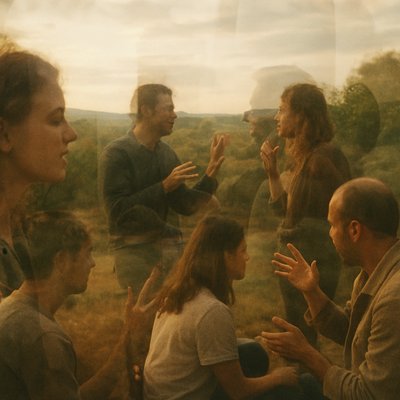
Action Packed Fight Scene With Speed Lines In The Art Style Of Manga Niji 6 Art

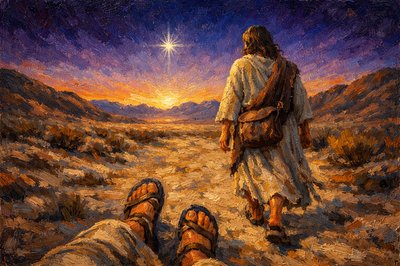
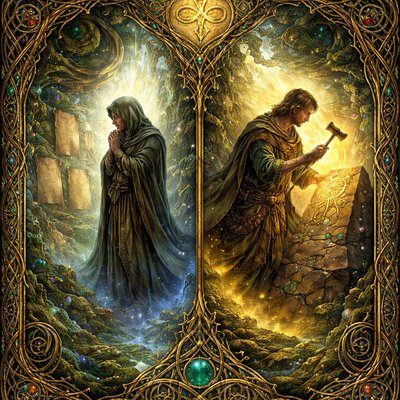
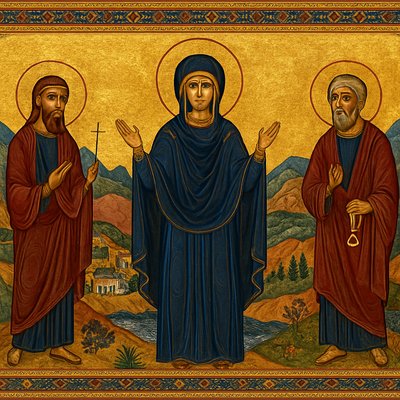
Stained glass window depicting religious scenes in the art style of Religious Art --v 6.1
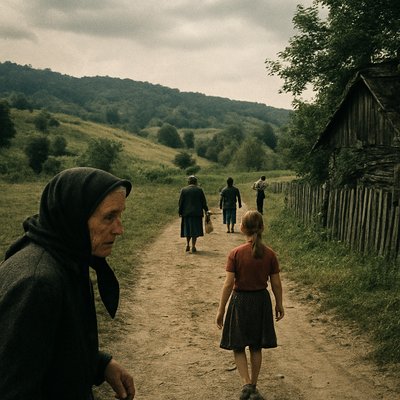
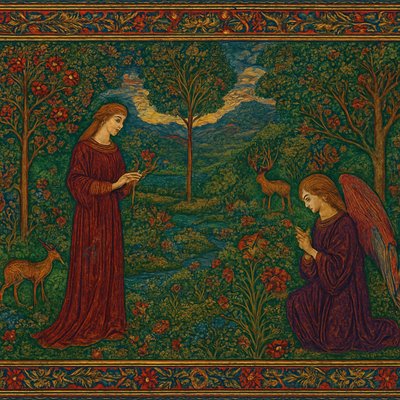
Embroidered textile depicting rural life scenes in the art style of Folk Art --v 6.1
Agricultural scenes celebrating peasant workers in the art style of Mexican Muralism --v 6.1
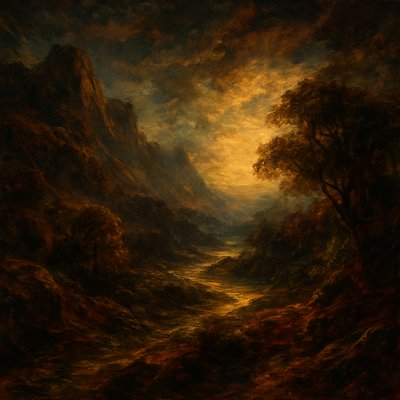
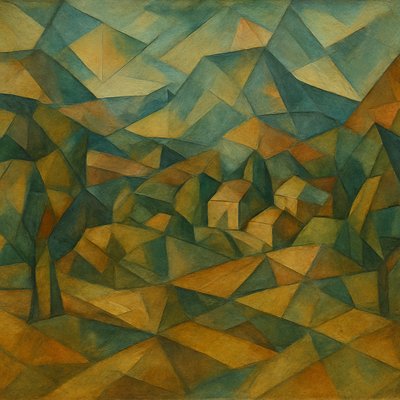
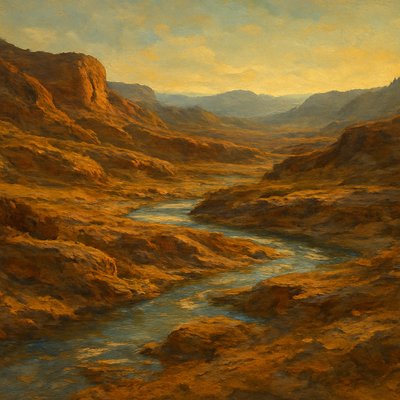
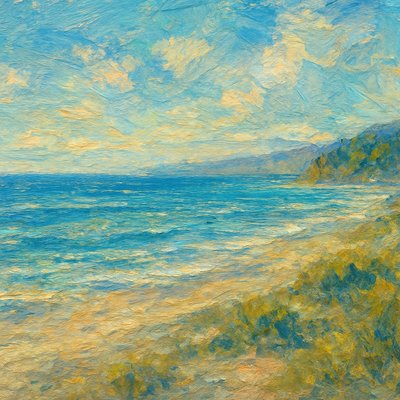
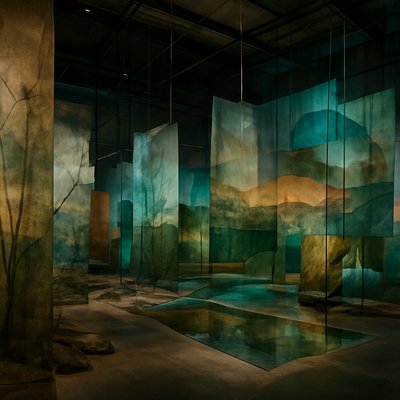
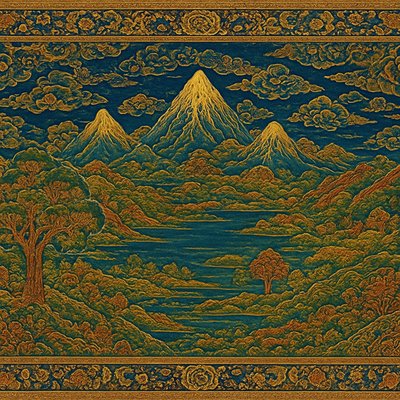
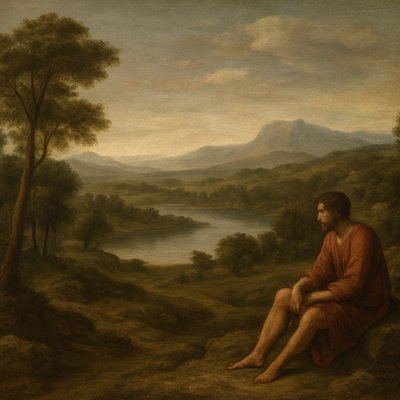
serene landscape with mountains and water
portrait of two people together
A magical, high-fantasy illustration capturing the final scene of Reepicheep's journey from C.S. Lewis's The Voyage of the Dawn Treader. A very small, simple, wooden coracle (boat) is drifting alone across the vast, calm, crystalline waters of the Silver Sea, which is covered in a dense carpet of large, creamy-white and luminous purple sea flowers (lilies or star-shaped blossoms).
The noble Mouse, Reepicheep, stands bravely in the little boat. He is wearing his formal armor and sword, and his tiny sail is lowered. He is looking ahead with an expression of hope and determination toward the far, shimmering horizon where the sky and sea meet the edge of the world, represented by a column or curtain of bright, clear light. The lighting is ethereal and soft, emphasizing the profound stillness and peacefulness of the scene. The overall style should be reminiscent of classic book illustrations, rich in detail, color, and wonder. Golden light of Aethel-red, epic atmosphere, fantasy illustration."
That's an excellent idea for a powerful, dramatic image. Jannes and Jambres opposing Moses is a scene that calls for intense figures and a sense of divine confrontation.

Here is a prompt for ArtStyles.com focusing on Jannes and Jambres, the Egyptian magicians who tried to replicate Moses's miracles:

Jannes and Jambres Prompt

"A dramatic, indoor scene from the Book of Exodus depicting the confrontation between Moses and the Egyptian magicians, Jannes and Jambres, in the court of Pharaoh. In the foreground, Jannes and Jambres stand proudly, dressed in ornate, gold-trimmed Egyptian robes, their faces stern and defiant. They are surrounded by their magical staffs and are attempting to replicate a miracle, perhaps surrounded by writhing, magically created snakes. Moses stands opposite them, his figure conveying authority and resolve, illuminated by a stark, celestial light. The background is a grand, dimly lit hall in the Egyptian palace, filled with massive columns and Pharaoh watching from his throne. The mood is one of intense rivalry, ancient power, and dramatic tension." "cinematic lighting, ultra-realistic, epic scale, magical energy effects"
serene landscape with mountains and water
a tree in nature
A historically accurate and atmospheric depiction of the signing of the Mayflower Compact aboard the ship in November 1620. The scene is set in the dimly lit, cramped cabin of the Mayflower, with the ship's timbers and rigging subtly visible, conveying the challenging conditions of the voyage. A simple table or chest serves as the signing surface. The primary focus is on a small group of the last individuals signing the document: specifically, the indentured servants (or 'strangers' not directly part of the Separatist congregation) approaching or at the table. Their expressions show a mix of weary determination, understanding of the necessity, and perhaps a hint of quiet apprehension or resignation to this new social contract, given their status. They are dressed in the plain, practical clothing typical of 17th-century commoners and laborers. Figures of prominent Pilgrims or 'Saints' (like William Bradford or John Carver) are visible in the background, observing the proceedings with a sense of gravity and leadership, but they are not the central focus. The lighting is low and warm, perhaps from a lantern, creating a chiaroscuro effect that highlights the faces of the signers. The atmosphere conveys the momentousness of the act under difficult circumstances, the diverse composition of the group, and the early seeds of self-governance in a new world. The artistic style is a realistic, historically detailed oil painting, capturing the solemnity and human element of this pivotal historical moment."
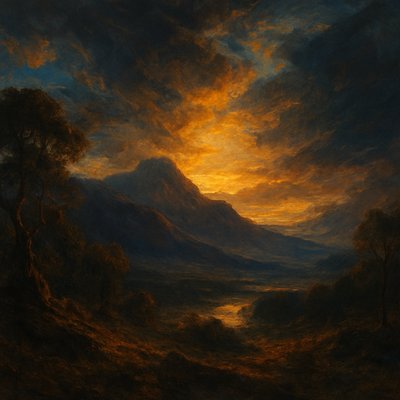

wide landscape with natural scenery
a tree in nature
portrait of a person with expressive eyes
animal standing in natural pose
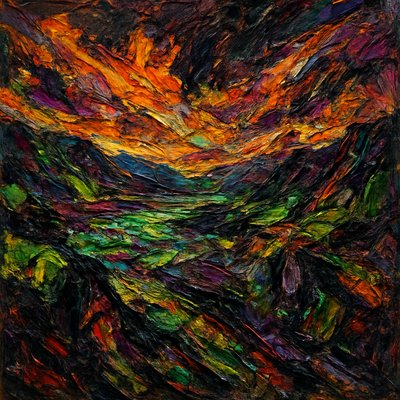
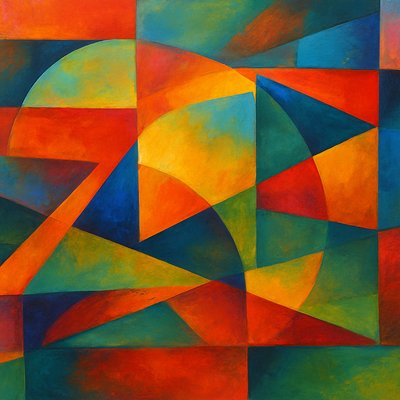
Action painting capturing the artist's physical movement in the art style of Abstract Expressionism --v 6.1
A profound and epic scene depicting the Vision of the Dry Bones from Ezekiel 37. In a desolate, vast valley, countless dry human bones are scattered, stark white and ancient. A powerful, divine wind (ruach) swirls through the valley, imbued with a sacred, ethereal glow, causing the bones to rattle and miraculously knit together. Tendons, flesh, and skin rapidly form over the skeletal structures, transforming them into fully-formed human figures. As the divine breath enters, the figures rise, not as individuals, but as a colossal, awe-inspiring army standing upright, gazing forward with renewed life and purpose. The sky above is dramatic, perhaps with stormy clouds breaking to reveal a divine light. The overall mood is one of miraculous resurrection, immense power, and hopeful restoration."
a painting of a man and a woman standing next to each other
still life arrangement of fruits and flowers
portrait of a person with expressive eyes
animal standing in natural pose
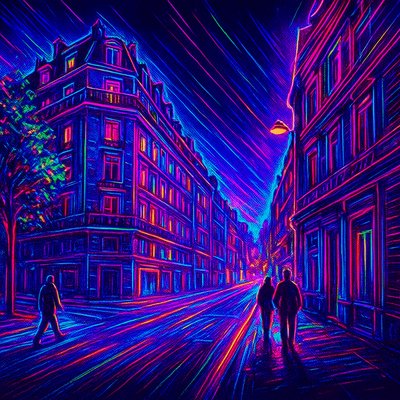
urban street with city activity
serene landscape with mountains and water
house with front view
in the style of M.C. Escher, an array of endless staircases of impossible loops and bi-directional pathways, spiraling through a giant tree, Cinematic vibrant reflective jewel-toned colors, black background.
a tree in nature
portrait of a person with expressive eyes
portrait of two people together
urban street with city activity
animal standing in natural pose
portrait of a person with expressive eyes
animal standing in natural pose
serene landscape with mountains and water
still life with everyday objects
a tree in nature
Performance Documentation Conceptual Art Style Style Transfer Example
house with front view
still life with everyday objects
urban street with city activity
A profound and epic scene depicting the Vision of the Dry Bones from Ezekiel 37. In a desolate, vast valley, countless dry human bones are scattered, stark white and ancient. A powerful, divine wind (ruach) swirls through the valley, imbued with a sacred, ethereal glow, causing the bones to rattle and miraculously knit together. Tendons, flesh, and skin rapidly form over the skeletal structures, transforming them into fully-formed human figures. As the divine breath enters, the figures rise, not as individuals, but as a colossal, awe-inspiring army standing upright, gazing forward with renewed life and purpose. The sky above is dramatic, perhaps with stormy clouds breaking to reveal a divine light. The overall mood is one of miraculous resurrection, immense power, and hopeful restoration."