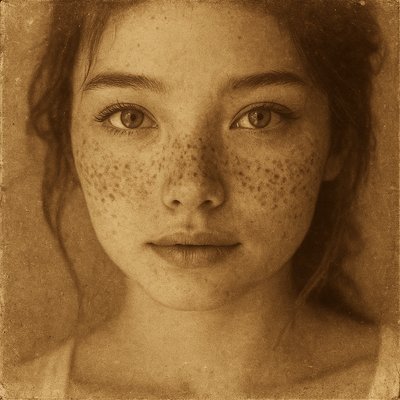
A Sepia Photograph Of A Woman With Freckles On Her Face Art

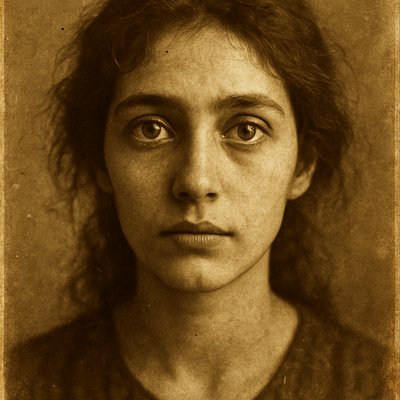
a sepia photograph of a woman with freckles on her face
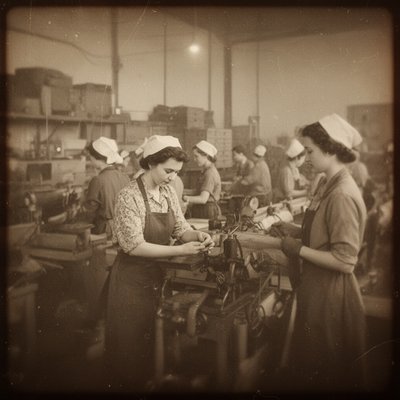
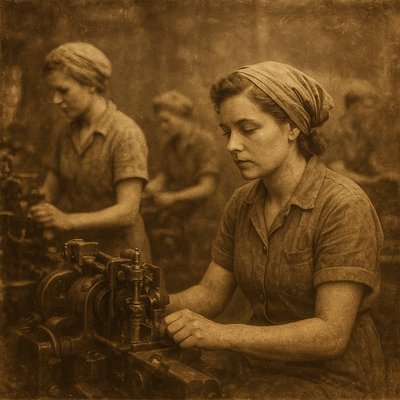
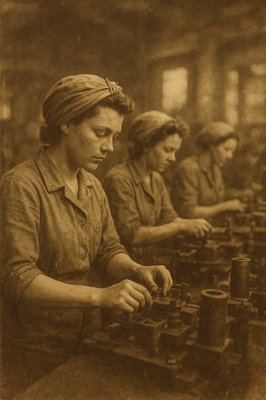
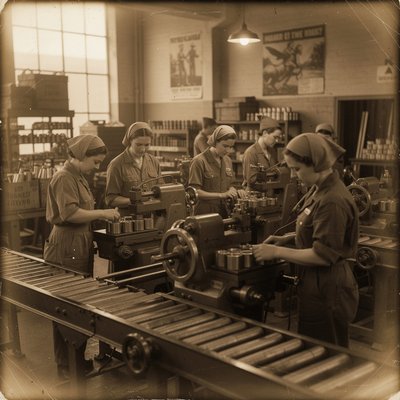
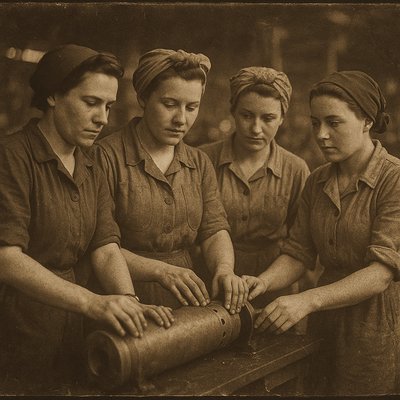
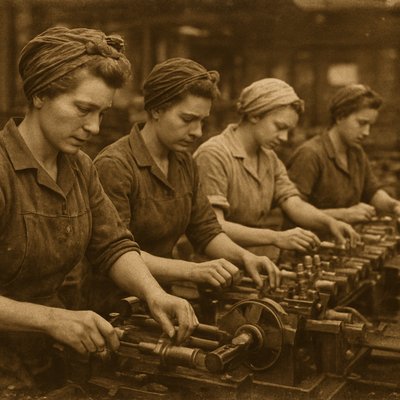
women working during world war 2
"Oliver, a human-sized, bipedal tabby cat with a trench coat and fedora, stands under the dim, atmospheric lighting of the original Grand Canyon Xanterra Lodge lobby. The scene is shot in classic film noir style, with strong contrasts between light and shadow, creating dramatic silhouettes and long, exaggerated shadows. Rain streaks down the large lobby windows, reflecting the neon glow from outside. He gestures with one paw towards an unseen check-in desk, his expression a mix of polite welcome and guarded cynicism. The texture of his fur is visible, adding to his rugged, lived-in appearance. Guests, depicted as blurred, indistinct figures, mill about in the background, their faces obscured by shadow or distance. The overall mood is mysterious, slightly melancholic, and undeniably stylish, capturing the essence of a bygone era."
A captivating photograph of a woman with long, flowing red hair, gracefully roller skating on a winding, undivided backroad in the Appalachian Mountains, reminiscent of Shell Creek Road in Roan Mountain, Tennessee. She is dressed in a vibrant 70s-inspired outfit featuring bell-bottom pants with a light blue and pink pattern of white horses, and a matching tunic-style top with bell sleeves and a square neckline, flared at the waist. The late afternoon sun casts a warm glow, highlighting the lush green trees and distant mountain peaks. Her roller skates are a classic steel style. The overall mood is one of freedom, nostalgia, and natural beauty.
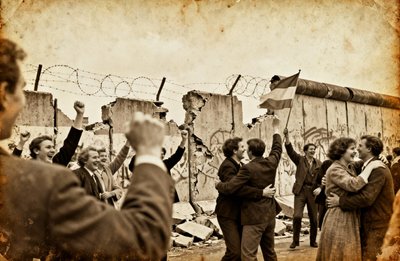
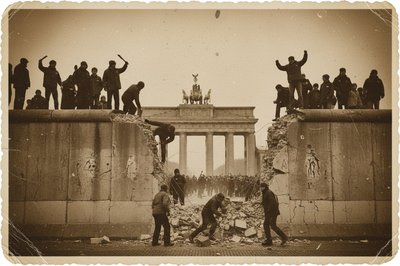
fall of the berlin wall
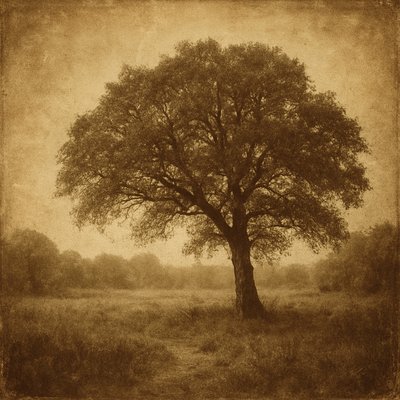
a tree in nature
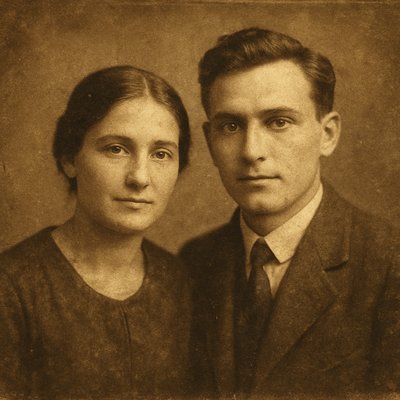
portrait of two people together
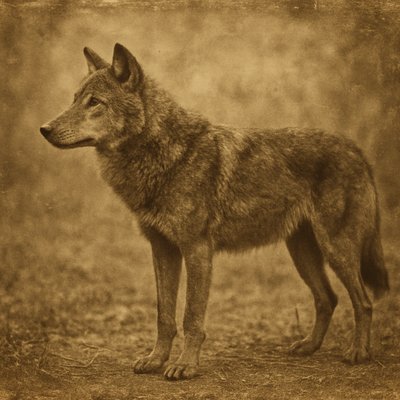
animal standing in natural pose
portrait of a person with expressive eyes
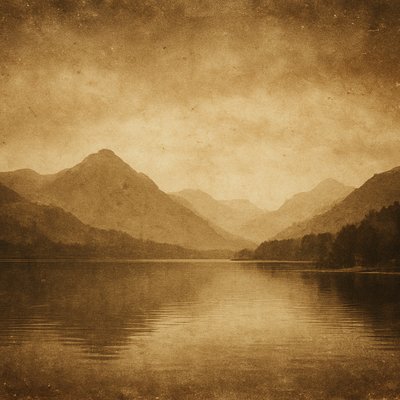
serene landscape with mountains and water
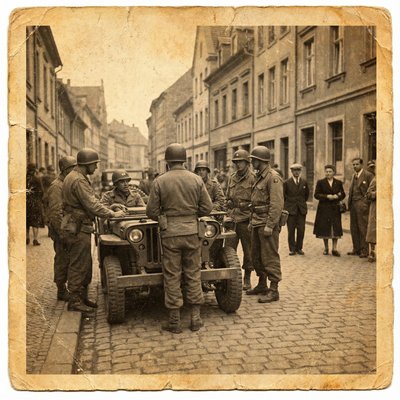
world war 2
fall of the berlin wall
Sepia Memory Style Transfer Example
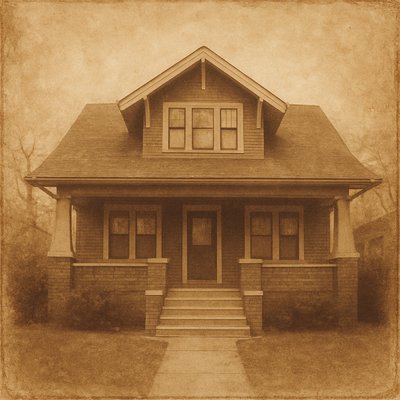
house with front view
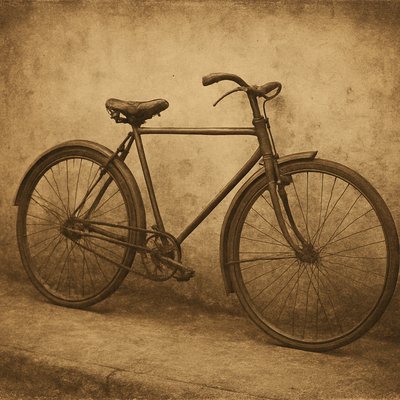
bicyle resting against a wall
urban street with city activity
still life with everyday objects
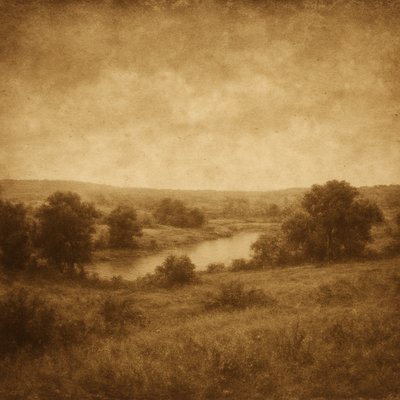
wide landscape with natural scenery

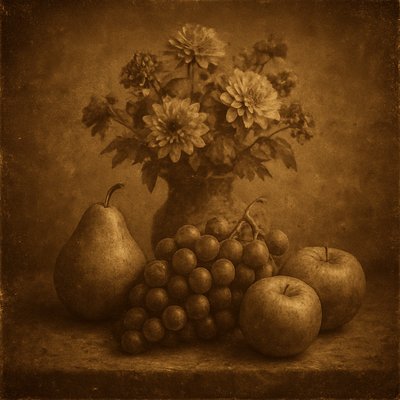
still life arrangement of fruits and flowers
Black long-haired anthropomorphic cat as a pilot, wearing 1930s aviator gear, flying a vintage biplane in a clear sky, dramatic 1930s aviation photography style.
a woman with a blue light on her face
Photorealism Art Style, a majestic snow leopard running alongside a determined red-headed woman, both snow skiing down a pristine, powder-covered mountain slope. The woman is gracefully carving turns, her red hair flowing, while the snow leopard keeps pace effortlessly beside her. Bright, natural daylight, crisp mountain air, a backdrop of snow-capped peaks under a clear blue sky. Focus on dynamic action, realistic textures of fur and snow, and natural light.
A beautiful young woman with fair skin, light brown hair styled in a braid, and rosy cheeks stands outdoors in front of a rustic stone and ivy-covered building. She is wearing a simple, practical light brown dress with an apron-style overlay, suggestive of a farm setting. Her right arm is extended, and she is wearing a dark leather glove on her hand, upon which a messenger pigeon has just landed. The pigeon is a classic racing pigeon type, with iridescent green and purple neck feathers, and it has its wings slightly spread as if in the act of landing or adjusting. A small message capsule or scroll is clearly visible attached to one of its legs. The woman looks slightly upwards and to the right with a soft, warm expression, her lips slightly parted, as if acknowledging the pigeon or looking towards the message. In the background, to the right, is a picturesque green landscape under a bright sky with scattered clouds, featuring rolling hills, a small, distant stone building, and what appears to be an old cannon or piece of artillery, hinting at a historical wartime context. The overall lighting is warm and natural, creating a serene yet significant atmosphere.
Photorealism Art Style, an incredibly majestic and emotionally profound scene inspired by Psalm 8:3-6. The vast, deep, and infinitely starry night sky fills the upper portion of the frame, showcasing a breathtaking, crystal-clear view of the moon and countless stars, rendered with stunning astronomical realism. The moon is a prominent, luminous presence, casting a gentle, ethereal glow across a distant, subtle landscape. In the lower portion of the frame, integrated seamlessly, stands a solitary long red-haired woman, dressed in simple, flowing attire. She is positioned on a subtle, earthy vantage point, her head tilted upwards, gazing into the expanse of the heavens with an expression of profound awe, contemplation, and humility. Her presence emphasizes the scale of the cosmos. The scene is illuminated by the soft, natural light of the moon and stars, creating subtle shadows and highlighting the woman's contemplative face. Focus on the stunning clarity and depth of the starry night sky, the serene yet powerful presence of the moon, and the deep emotional connection of the woman gazing at God's creation, conveying a sense of divine majesty and humanity's cherished place within it.
Romanticism Art Style, a profoundly emotional and majestic painting inspired by Psalm 8:3-6. The scene captures a vast, sweeping, and dramatic night sky, filled with an awe-inspiring celestial display of a luminous, prominent moon and countless brilliant stars, depicted with the grandeur and depth characteristic of Romantic landscape painting. In the foreground, set against the overwhelming scale of the cosmos, stands a solitary long red-haired woman, her back partially to the viewer or her face upturned in profound contemplation. She is small in the frame, emphasizing the immense scale, dressed in simple, flowing attire, positioned on a rugged, subtle earthly vantage point like a mountain overlook. Her posture and presence evoke a deep sense of humility, wonder, and spiritual awe at God's creation. The painting is dominated by dramatic chiaroscuro, with the intense glow of the moon and stars piercing through deep, atmospheric shadows. Focus on the sublime scale of the cosmos, the emotional resonance of the human figure contemplating the divine works, and the deep, spiritual awe that pervades the scene, reflecting God's majesty and mindfulness of humanity.
A beautiful young woman with fair skin, light brown hair styled in a braid, and rosy cheeks stands outdoors in front of a rustic stone and ivy-covered building. She is wearing a simple, practical light brown dress with an apron-style overlay, suggestive of a farm setting. Her right arm is extended, and she is wearing a dark leather glove on her hand, upon which a messenger pigeon has just landed. The pigeon is a classic racing pigeon type, with iridescent green and purple neck feathers, and it has its wings slightly spread as if in the act of landing or adjusting. A small message capsule or scroll is clearly visible attached to one of its legs. The woman looks slightly upwards and to the right with a soft, warm expression, her lips slightly parted, as if acknowledging the pigeon or looking towards the message. In the background, to the right, is a picturesque green landscape under a bright sky with scattered clouds, featuring rolling hills, a small, distant stone building, and what appears to be an old cannon or piece of artillery, hinting at a historical wartime context. The overall lighting is warm and natural, creating a serene yet significant atmosphere.
A breathtaking full-body photograph captures a woman from behind, standing in a vast, vibrant field of purple lupin flowers in Glacier National Park. Her long, rich plum purple hair is beautifully intertwined with fresh lupin blooms, forming an ethereal halo. She wears a unique 70s-inspired outfit consisting of shimmering lavender bell-bottom pants and a matching tunic-style top with bell sleeves and a square neckline, flared at the waist, adorned with subtle white horse patterns. The setting sun paints the sky in dramatic hues of fiery orange and deep red, silhouetting the majestic purple mountain ranges in the distance. The scene evokes a sense of wonder, serenity, and a deep connection to the wild beauty of nature, with a magical, almost fantastical feel, within the iconic landscape of Glacier National Park.
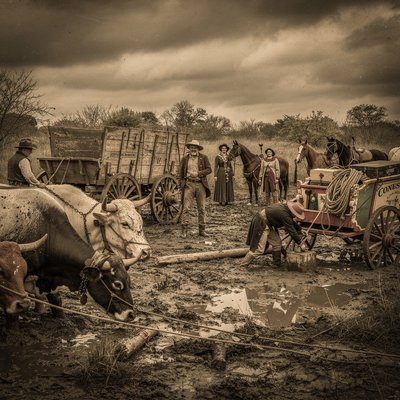
A highly realistic and historically accurate image set in the deep, waterlogged mud of the Texas Cross Timbers (Montague County) in 1840. The scene captures the frustrating moment when the Chihuahua Traders caravan is completely stuck. Foreground focus is on several heavy, wooden Conestoga freight wagons, mired up to their axles in dark, thick mud. Exhausted oxen are straining and distressed, their drivers in rough frontier attire attempting to free the wheels with ropes and levers. In the mid-ground, a small group of the American equestrian circus performers stands next to their distinctive, high-quality riding horses, which are visibly more refined than the typical pack animals. The performers are dressed in sturdy but distinct traveling clothes, looking ill-equipped and frustrated by the muddy conditions. One performer is carefully securing a colorful carriage or cart containing unique circus props, struggling to keep it from sinking. The overall mood is one of miserable delay and hardship. Cloudy, oppressive sky; detailed realism; wide-angle shot; dark, moody lighting.
A cinematic, realistic image, set in the desolate, muddy expanse of the Texas Cross Timbers in 1840. The scene captures the return leg of the Chihuahua Traders Trail. Several heavy, wooden Conestoga wagons are hopelessly mired in deep, dark mud, pulled by straining, distressed oxen and mules. Merchants and teamsters in rugged, damp frontier clothing are struggling, using poles and ropes to try and free a wagon wheel.

In stark contrast, a group of bewildered and exasperated American equestrian circus performers, dressed in bright, slightly tattered stage costumes (e.g., a sequined acrobat, a rider in a velvet jacket, a clown attempting to keep his white makeup clean), stand nearby. They are trying to keep their fine horses and props (perhaps a small, colorful tent piece or a drum) out of the worst of the mire. The sky is overcast and oppressive, reflecting the damp, miserable conditions. The overall lighting should be dark and moody, emphasizing the frustrating five-week delay. Wide-angle shot, photorealistic quality, historical accuracy, dark realism.
A highly realistic and historically accurate image set in the deep, waterlogged mud of the Texas Cross Timbers (Montague County) in 1840. The scene captures the frustrating moment when the Chihuahua Traders caravan is completely stuck.

Foreground focus is on several heavy, wooden Conestoga freight wagons, mired up to their axles in dark, thick mud. Exhausted oxen are straining and distressed, their drivers in rough frontier attire attempting to free the wheels with ropes and levers.

In the mid-ground, a small group of the American equestrian circus performers stands next to their distinctive, high-quality riding horses, which are visibly more refined than the typical pack animals. The performers are dressed in sturdy but distinct traveling clothes, looking ill-equipped and frustrated by the muddy conditions. One performer is carefully securing a colorful carriage or cart containing unique circus props, struggling to keep it from sinking. The overall mood is one of miserable delay and hardship. Cloudy, oppressive sky; detailed realism; wide-angle shot; dark, moody lighting.
A highly realistic and historically accurate image set in the deep, waterlogged mud of the Texas Cross Timbers (Montague County) in 1840. The scene captures the frustrating moment when the Chihuahua Traders caravan is completely stuck. Foreground focus is on several heavy, wooden Conestoga freight wagons, mired up to their axles in dark, thick mud. Exhausted oxen are straining and distressed, their drivers in rough frontier attire attempting to free the wheels with ropes and levers. In the mid-ground, a small group of the American equestrian circus performers stands next to their distinctive, high-quality riding horses, which are visibly more refined than the typical pack animals. The performers are dressed in sturdy but distinct traveling clothes, looking ill-equipped and frustrated by the muddy conditions. One performer is carefully securing a colorful carriage or cart containing unique circus props, struggling to keep it from sinking. The overall mood is one of miserable delay and hardship. Cloudy, oppressive sky; detailed realism; wide-angle shot; dark, moody lighting.