A Painting Of Two Men Fighting With A Horned Bull Art

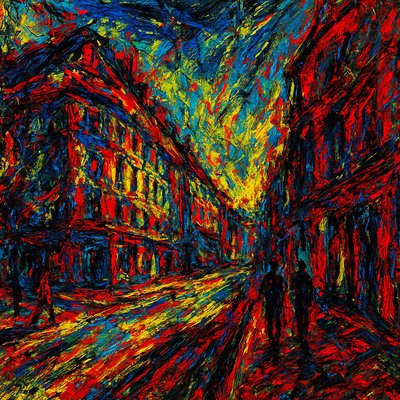
Neo-Expressionist Modern Art Style Style Transfer Example
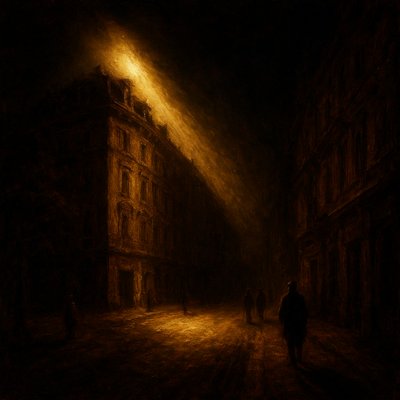
Tenebrism Drama Baroque Art Style Style Transfer Example
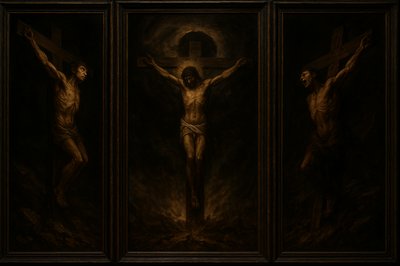
A triptych oil painting, presented as three heavily framed, connected panels in the dramatic, tenebrism style of Baroque masters like Caravaggio. The overall atmosphere is one of supernatural, oppressive darkness and violent chaos.

The Left Panel shows the penitent thief on his cross, body twisted in pain but his face turned toward the center panel with a look of sorrowful acceptance. A faint, supernatural light illuminates his face against a nearly black sky. Below him, rocks are splitting.

The Center Panel is dominated by Jesus on the cross, head bowed in finality. The sky is a swirling vortex of eclipse darkness, blotting out the sun. The ground beneath the cross is violently cracking open, emitting dust and smoke, with debris caught in mid-air from the earthquake shockwave.

The Right Panel shows the impenitent thief, writhing and screaming against his bonds, his face contorted in rage looking away from the center. He is almost swallowed by the shadows. The cross appears unstable as the cliffside crumbles beneath it. The entire triptych has a rich, dark color palette of deep browns, blacks, and muted crimson, textured with visible, frantic brushstrokes.
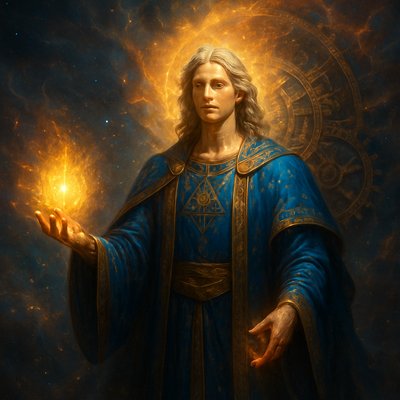
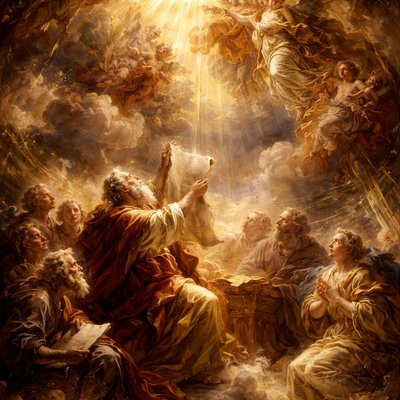
"Uriel, the Angel of Light and Wisdom from the Book of Enoch, a majestic celestial guide, standing amidst swirling cosmic dust and ethereal nebulae. His form radiates intense, pure light. He gestures towards a hidden cosmic mechanism, revealing ancient knowledge, holding a flaming orb of pure light. Robes of deep sapphire blue and radiant gold, adorned with ancient symbols. Serene, knowing face, eyes glimmering with cosmic insight. Behind him, celestial gears and the fiery essence of the sun. Hyperrealistic digital painting, divine luminosity, epic detailed, cinematic lighting, cosmic gradients."divine luminosity, ethereal glow, celestial being, seraphic presence, sacred geometry, iridescent, luminescent
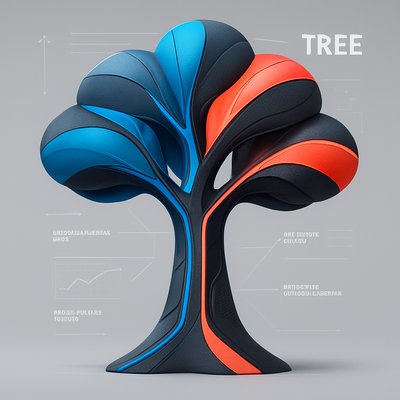
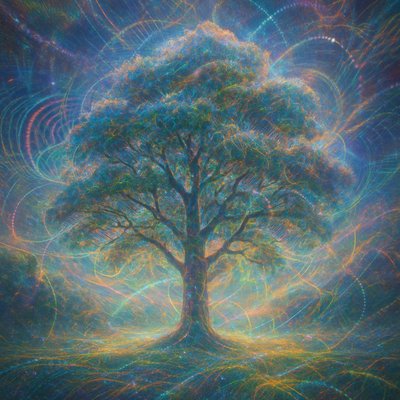
a tree in nature
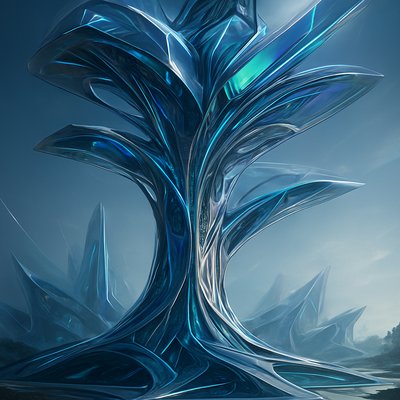
a tree in nature
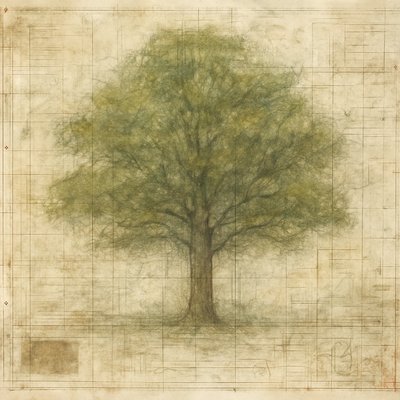
a tree in nature
a tree in nature
a tree in nature
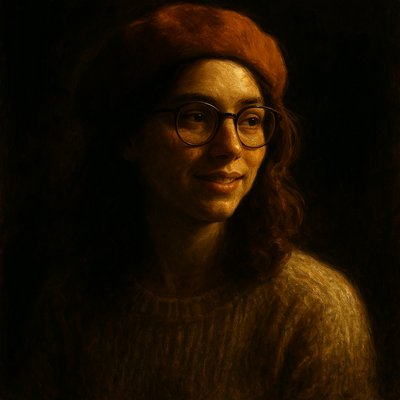
A human portrait
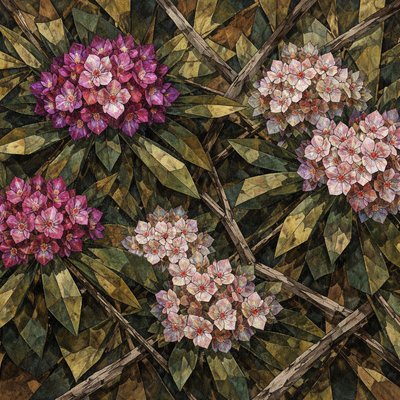
Art Style: Analytical Cubism, avant-garde oil painting style reminiscent of Picasso and Braque.

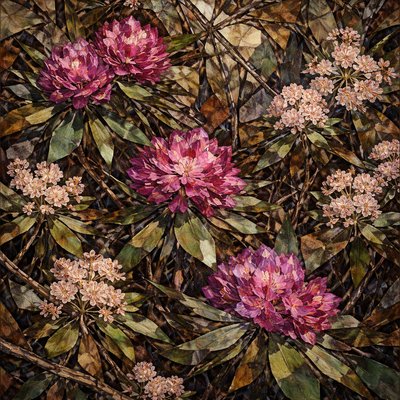
Subject: A dense, tangled thicket of Rhododendrons and Mountain Laurel bushes.

Composition & Details: The entire natural scene is deconstructed into overlapping geometric planes, fractured shards, and intersecting angles. There are no curved lines; everything is rendered in cubes, cones, and trapezoids.

    The Rhododendrons: Large, showy flower trusses are broken into faceted crystalline structures of deep magenta, rose pink, and violet blocks, looking like explosions of colored quartz rather than soft petals.

    The Mountain Laurels: The smaller, intricate flowers are rendered as complex, repeating geometric star-patterns and angular cups in white and pale pink with distinct red polygonal markings.

    Foliage & Branches: The thick, leathery leaves are fragmented green triangles and parallelograms overlapping each other, creating a sense of depth without traditional perspective. The woody stems and branches are jagged, intersecting brown and grey cylinders that shatter across the frame.
Color & Texture: A palette of muted earth tones—ochre, burnt umber, forest green, and slate grey—contrasted sharply with the jewel-toned facets of the flower colors. The finish should have a heavy, textured oil paint feel with visible palette knife marks and rough brushwork.
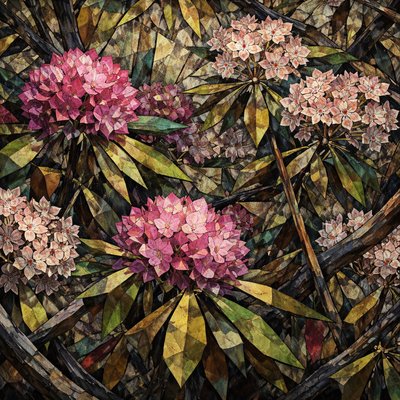
Art Style: Analytical Cubism, avant-garde oil painting style reminiscent of Picasso and Braque.

Subject: A dense, tangled thicket of Rhododendrons and Mountain Laurel bushes.

Composition & Details: The entire natural scene is deconstructed into overlapping geometric planes, fractured shards, and intersecting angles. There are no curved lines; everything is rendered in cubes, cones, and trapezoids.

    The Rhododendrons: Large, showy flower trusses are broken into faceted crystalline structures of deep magenta, rose pink, and violet blocks, looking like explosions of colored quartz rather than soft petals.

    The Mountain Laurels: The smaller, intricate flowers are rendered as complex, repeating geometric star-patterns and angular cups in white and pale pink with distinct red polygonal markings.

    Foliage & Branches: The thick, leathery leaves are fragmented green triangles and parallelograms overlapping each other, creating a sense of depth without traditional perspective. The woody stems and branches are jagged, intersecting brown and grey cylinders that shatter across the frame.

Color & Texture: A palette of muted earth tones—ochre, burnt umber, forest green, and slate grey—contrasted sharply with the jewel-toned facets of the flower colors. The finish should have a heavy, textured oil paint feel with visible palette knife marks and rough brushwork.
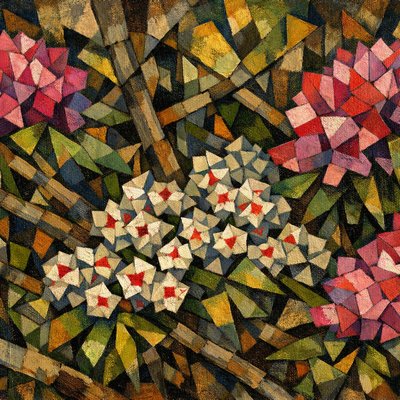
Art Style: Analytical Cubism, avant-garde oil painting style reminiscent of Picasso and Braque.

Subject: A dense, tangled thicket of Rhododendrons and Mountain Laurel bushes.

Composition & Details: The entire natural scene is deconstructed into overlapping geometric planes, fractured shards, and intersecting angles. There are no curved lines; everything is rendered in cubes, cones, and trapezoids.

    The Rhododendrons: Large, showy flower trusses are broken into faceted crystalline structures of deep magenta, rose pink, and violet blocks, looking like explosions of colored quartz rather than soft petals.

    The Mountain Laurels: The smaller, intricate flowers are rendered as complex, repeating geometric star-patterns and angular cups in white and pale pink with distinct red polygonal markings.

    Foliage & Branches: The thick, leathery leaves are fragmented green triangles and parallelograms overlapping each other, creating a sense of depth without traditional perspective. The woody stems and branches are jagged, intersecting brown and grey cylinders that shatter across the frame.

Color & Texture: A palette of muted earth tones—ochre, burnt umber, forest green, and slate grey—contrasted sharply with the jewel-toned facets of the flower colors. The finish should have a heavy, textured oil paint feel with visible palette knife marks and rough brushwork.
Art Style: Analytical Cubism, avant-garde oil painting style reminiscent of Picasso and Braque.

Subject: A dense, tangled thicket of Rhododendrons and Mountain Laurel bushes.

Composition & Details: The entire natural scene is deconstructed into overlapping geometric planes, fractured shards, and intersecting angles. There are no curved lines; everything is rendered in cubes, cones, and trapezoids.

    The Rhododendrons: Large, showy flower trusses are broken into faceted crystalline structures of deep magenta, rose pink, and violet blocks, looking like explosions of colored quartz rather than soft petals.

    The Mountain Laurels: The smaller, intricate flowers are rendered as complex, repeating geometric star-patterns and angular cups in white and pale pink with distinct red polygonal markings.

    Foliage & Branches: The thick, leathery leaves are fragmented green triangles and parallelograms overlapping each other, creating a sense of depth without traditional perspective. The woody stems and branches are jagged, intersecting brown and grey cylinders that shatter across the frame.

Color & Texture: A palette of muted earth tones—ochre, burnt umber, forest green, and slate grey—contrasted sharply with the jewel-toned facets of the flower colors. The finish should have a heavy, textured oil paint feel with visible palette knife marks and rough brushwork.
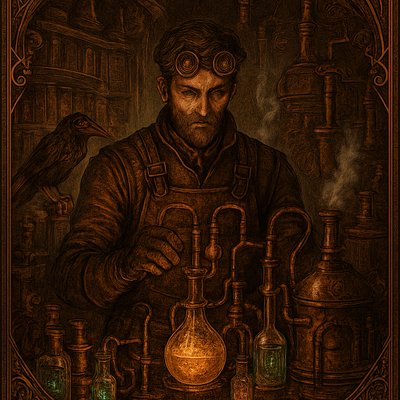
A steampunk alchemist stands in a cluttered workshop illuminated by the warm glow of gas lamps. He wears a leather apron adorned with brass buckles and a pair of intricate goggles perched on his forehead. His gloved hands tinker with a bubbling alembic connected by coiled copper tubes to a maze of glass vials filled with glowing, iridescent liquids. The background is a mix of Victorian elegance and industrial grit--ornate wooden shelves lined with dusty tomes and jars of exotic ingredients, alongside rusted gears and steam-powered contraptions whirring softly. A faint mist of steam rises from a brass furnace, and a mechanical raven with glowing red eyes perches on a nearby stand, observing the scene with curiosity.
A photo-realistic image of the crumbling adobe ruins of Fort Lowell, New Mexico, nestled in a desolate, high desert landscape. The sun is setting, casting long, dramatic shadows. Include sparse, authentic 19th-century military supplies scattered in the foreground. Style: Hyper-detailed, cinematic, volumetric lighting.
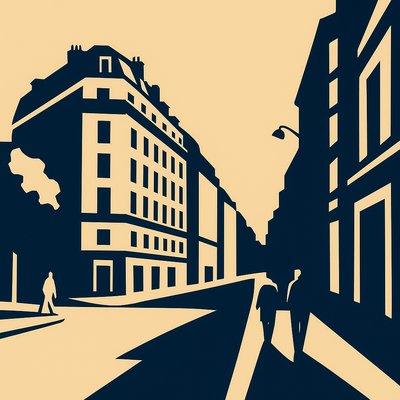
New York City
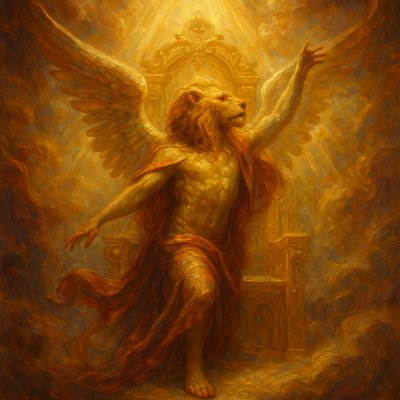
A mystical fantasy angel with a lion head standing at God's throne in heaven, with suspense and serenity. Vibrant colors that immediately catch the eye, and soft lighting envelops the scene, enhancing its ethereal beauty. The angel strikes a graceful pose, signifying freedom and power. Dreamlike quality, a world of imagination and enchantment
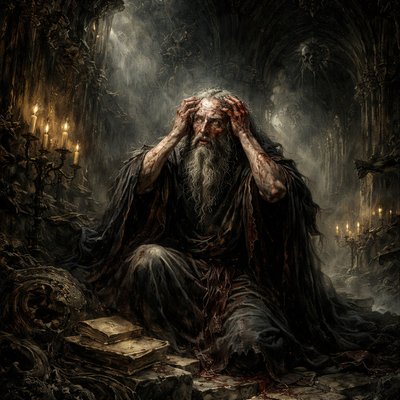
“And when I heard this thing, I rent my garment and my mantle, and plucked off the hair of my head and of my beard, and sat down astonied.” (Ezra 9:3, KJVA)
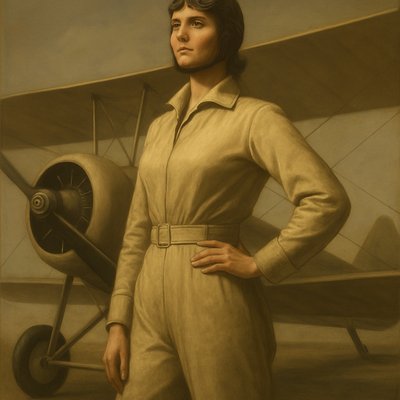
A statuesque, heroic portrait of Lady Mary Bailey (the aviator) standing confidently by her small biplane, the De Havilland Moth.

Style: Neoclassical painting emphasizing idealized forms, clear lines, balanced composition, and muted color palettes (such as marble white, deep blues, and sepia tones). The figures and machine should look elegant and timeless, like a heroic ancient myth.
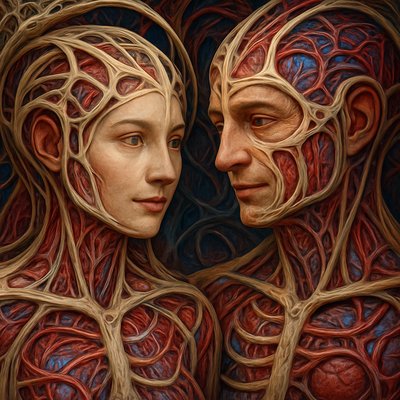
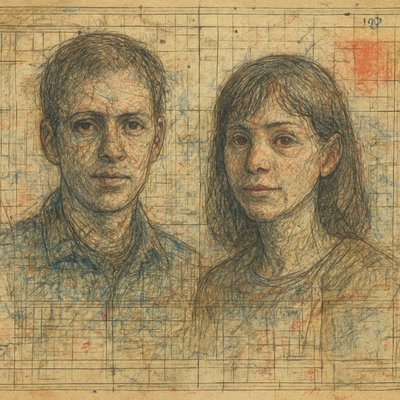
portrait of two people together
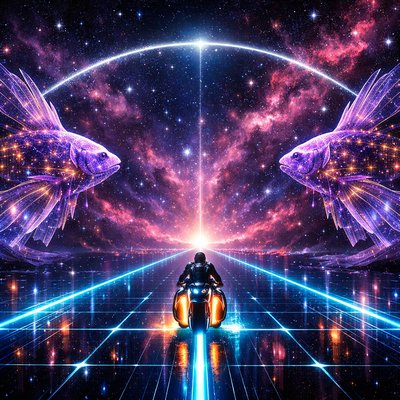
Neon-Futurism Digital Art Style, Bioluminescent Sci-Fi Cosmic Setting, Grand Symmetrical Perspective. > The Rider & Bike: The lone motorcyclist in the sleek armored suit is centered on the highway, speeding away from the viewer on the hubless light-cycle. The cyan and orange glow of the bike is the sharpest point of light in the center of the frame.

The Path: The glowing blue laser-grid highway is a straight, infinite line of light that leads directly into the center of the horizon.

The Pisces Constellation: On the far left and far right sides of the highway, two colossal, ethereal celestial fish are positioned facing away from each other. They are rendered as majestic, crystalline structures made of violet stardust and golden circuitry.

The Composition: The highway passes directly through the vast open space between the two figures. Their large, translucent tail fins fan out like glowing sails on either side of the road, creating a "V" shape that guides the eye toward the center of the cosmos.

The Connection: A thin, radiant silver beam of light connects the two distant figures, arching high above the rider like a celestial wire.

Atmosphere: A serene and vast cosmic void, filled with soft magenta nebulae and shimmering diamond stars, creating a sense of peace and finality at the end of the journey.
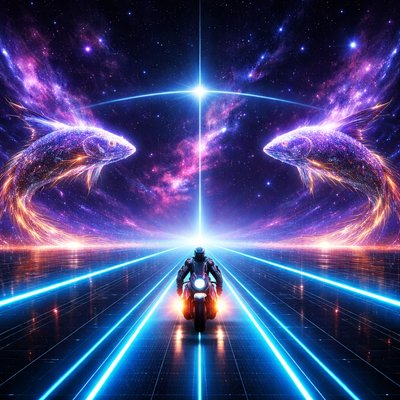
Neon-Futurism Digital Art Style, Bioluminescent Sci-Fi Cosmic Setting, Grand Symmetrical Perspective. > The Rider & Bike: The lone motorcyclist in the sleek armored suit is centered on the highway, speeding away from the viewer on the hubless light-cycle. The cyan and orange glow of the bike is the sharpest point of light in the center of the frame.

The Path: The glowing blue laser-grid highway is a straight, infinite line of light that leads directly into the center of the horizon.

The Pisces Constellation: On the far left and far right sides of the highway, two colossal, ethereal celestial fish are positioned facing away from each other. They are rendered as majestic, crystalline structures made of violet stardust and golden circuitry.

The Composition: The highway passes directly through the vast open space between the two figures. Their large, translucent tail fins fan out like glowing sails on either side of the road, creating a "V" shape that guides the eye toward the center of the cosmos.

The Connection: A thin, radiant silver beam of light connects the two distant figures, arching high above the rider like a celestial wire.

Atmosphere: A serene and vast cosmic void, filled with soft magenta nebulae and shimmering diamond stars, creating a sense of peace and finality at the end of the journey.
wide landscape with natural scenery
“Let them bring them forth, and shew us what shall happen: let them shew the former things, what they be, that we may consider them, and know the latter end of them; or declare us things for to come.” (Isaiah 41:22, KJV)
wide landscape with natural scenery
Duotone Icon Design Style Transfer Example
Soft Pastel Watercolor Style, Children's Storybook Illustration, a heartwarming scene under a decorated Christmas tree. Two fluffy kittens, one a ginger tabby and the other a calico, are joyfully playing in a chaotic pile of discarded Christmas wrapping paper, ribbons, and bows. The ginger kitten is tangled in a long piece of shiny red and green paper, batting at a curled ribbon. The calico kitten is pouncing from inside a torn open cardboard gift box, surrounded by crumpled tissue paper. Torn pieces of colorful wrapping paper (gold foil, snowman patterns, stripes) and empty gift tags are scattered everywhere on a plush rug. The Christmas tree above them is glowing with warm fairy lights and decorated with traditional ornaments. The background is a cozy living room with a fireplace.
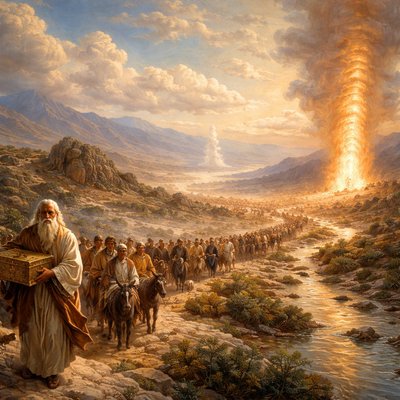
“And Moses took the bones of Joseph with him: for he had straitly sworn the children of Israel, saying, God will surely visit you; and ye shall carry up my bones away hence with you. And they took their journey from Succoth, and encamped in Etham, in the edge of the wilderness. And the LORD went before them by day in a pillar of a cloud, to lead them the way; and by night in a pillar of fire, to give them light; to go by day and night: He took not away the pillar of the cloud by day, nor the pillar of fire by night, from before the people.” (Exodus 13:19-22, KJV)
Room of strings
Unstressed vowels weakened to schwa.
The final -e in words like name became silent.
Endings like -ed and -es lost their full vowel sound, making English more rhythmically stress-timed.
6. The wh sound stayed distinct longer.
Which and witch sounded different—which started with a breathy hw. Today the pronunciation is similar but the difference remains in some dialects. create a picture withoud words
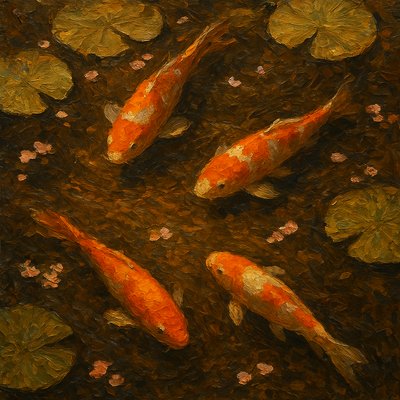
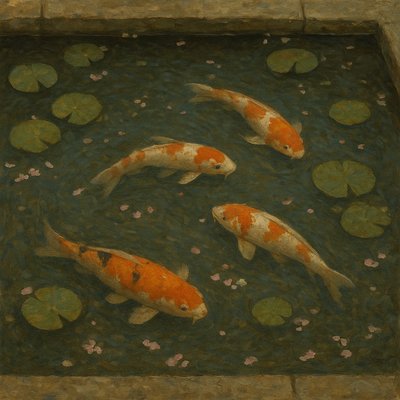
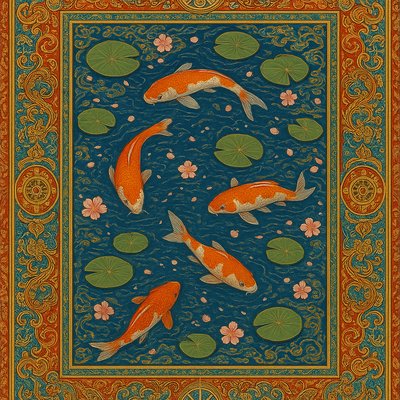
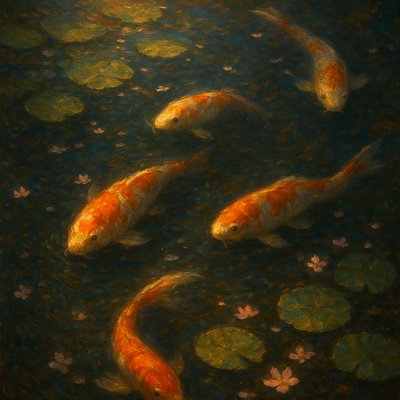
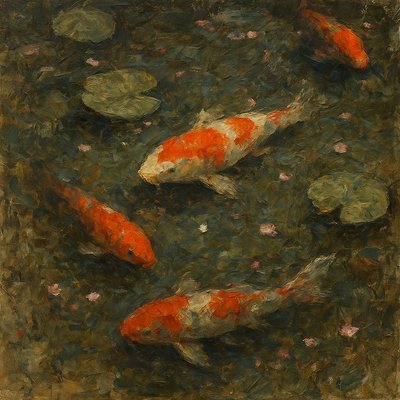
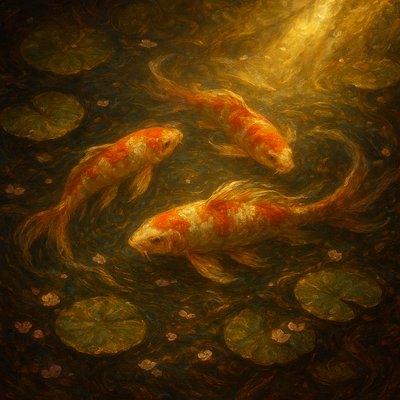
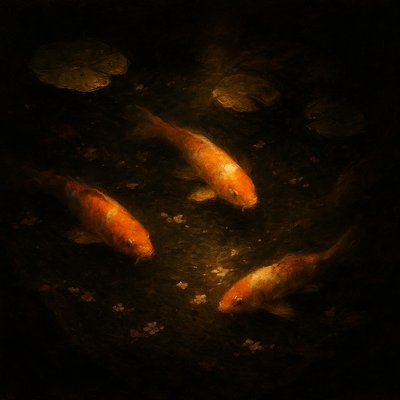
A koi pond seen from above, orange and white koi fish swimming among lily pads, clear water with subtle ripples, fallen cherry blossom petals floating on the surface, dappled sunlight