A Painting Of A Woman With White Hair Art

a painting of a boy flying a kite
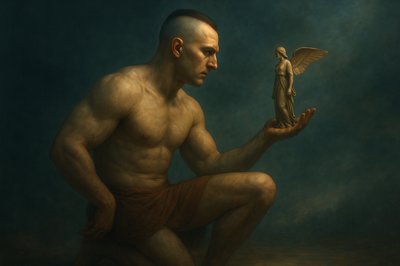
a painting of a man with angel wings
a painting of a man holding a soccer ball
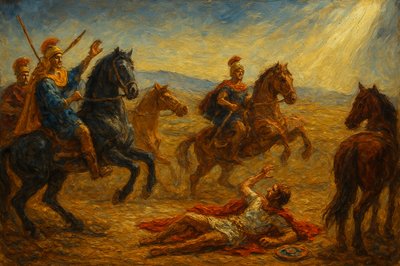
a painting of a group of men riding horses
a painting of a castle on a hill
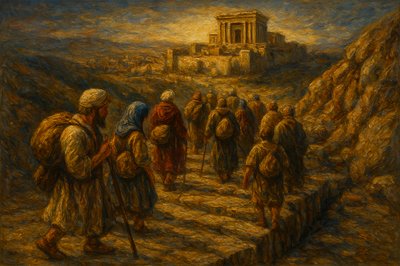
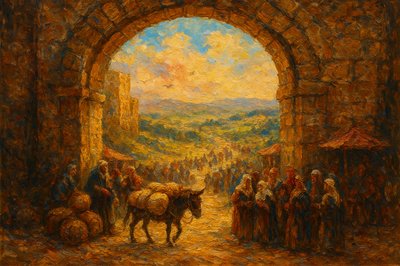
a painting of a group of people standing in front of a stone arch
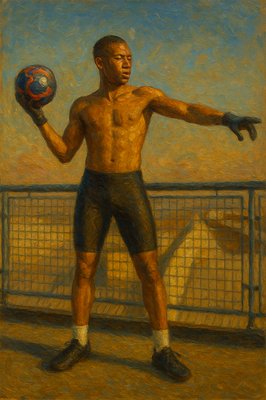
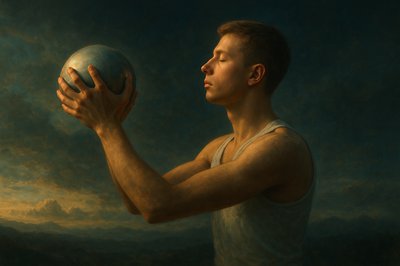
a painting of a man holding a ball
Cinematic Nature Photography, Americana Style, Golden Hour Lighting. A candid, detailed shot of an authentic cowgirl in a worn leather hat, denim jacket, and dusty boots and long red hair. She is standing beside a sturdy pack horse in a rocky creek bed, actively stuffing overflowing, rugged canvas panniers.

The details of the load are clear: A large bag of jumbo marshmallows and a red box of graham crackers are peeking out of one open saddlebag, next to chocolate bars. Strapped awkwardly to the very top of the pack saddle with ropes is a large, bright orange inflatable river tube.
The environment is stunning Colorado high country: Towering ponderosa pines and aspen trees line a rushing clear mountain river. Rugged, snow-capped Rocky Mountain peaks rise in the background under a rich blue sky. The light is warm and late-afternoon, catching the dust in the air and the textures of the horse's coat and the leather gear.
Portrait
Landscape
a lady with strawberry blonde hair dressed for a masquerade ball in a peacock themed mask and ball dress.
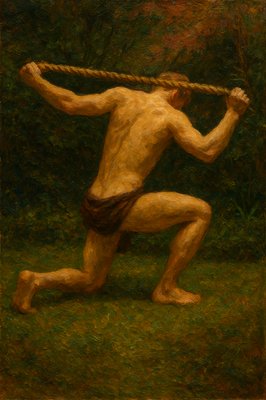
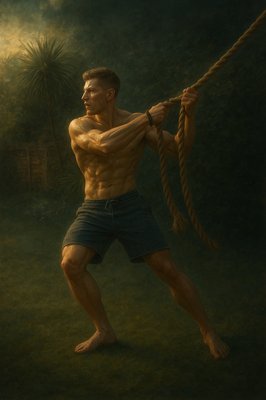
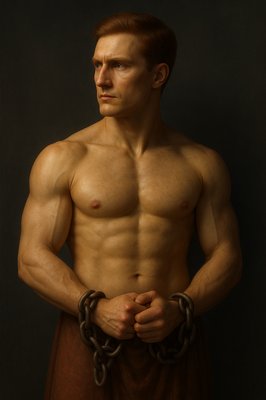
a painting of a man holding a rope
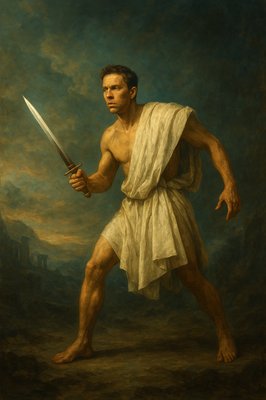
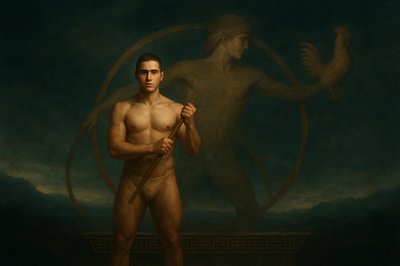
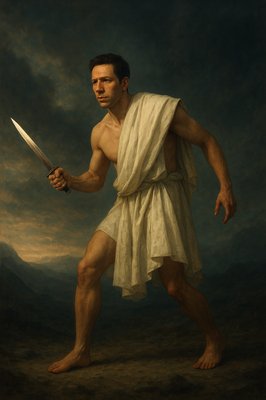
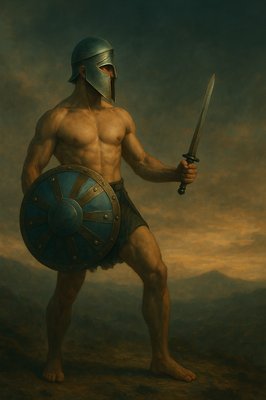
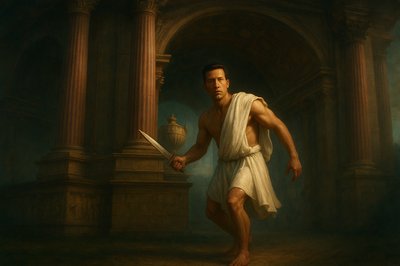
a painting of a man holding a sword
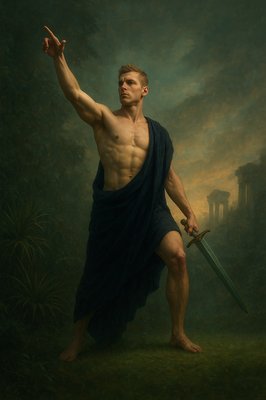
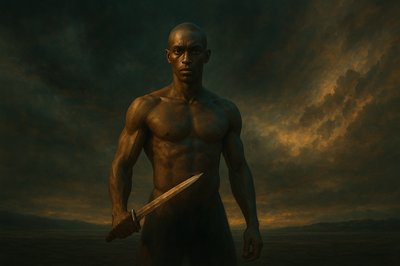
a painting of a man with a sword
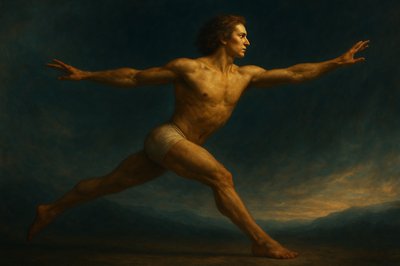
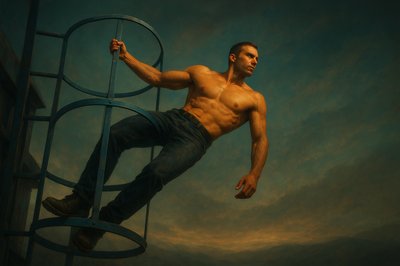
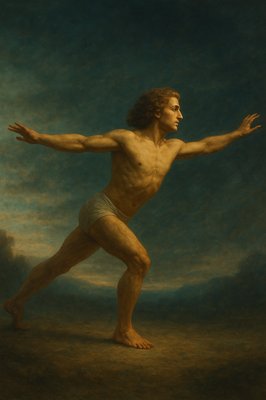
a painting of a man with no shirt running
"A historically accurate depiction of a Ghost Dance, focusing on the late 19th-century context, specifically around 1890-1891. The scene shows Lakota (Sioux) or Northern Paiute people (specify one or include elements of both, but avoid anachronisms) participating in the ceremony.
Setting: A vast, open prairie or high desert landscape, under an expansive sky. The time of day could be dusk or night, with a prominent moon or stars, or a bright, clear day. Avoid overtly spiritual or ethereal elements like floating spirits unless explicitly requested for a later, more symbolic iteration. The focus should be on the earthly ceremony.

Participants: A circle of men, women, and children, hand-in-hand, moving in a slow, rhythmic shuffle or circular motion. Their faces show a mixture of devotion, hope, and determination. Some may have expressions of trance or deep concentration.

Attire:

    Ghost Dance Shirts/Dresses: Emphasize the unique Ghost Dance shirts and dresses, which were typically made of muslin or canvas. These garments should feature painted designs such as stars, crescents, birds (especially eagles or crows), buffalo, human figures, or crosses. The designs should appear hand-painted, not mass-produced.

    Hair and Adornments: Participants should have braided hair or wear it long. Some may wear feathers (e.g., eagle or hawk feathers) in their hair. Minimal traditional adornments, as the focus was often on the Ghost Dance shirt itself. Avoid overly elaborate or Hollywood-esque depictions of war bonnets unless relevant to a specific individual and context.

    Footwear: Moccasins or bare feet.

Action/Atmosphere:

    The dancers are moving in a counter-clockwise circle, with a central figure or a small group often leading.

    The overall mood is one of earnest prayer and communal spiritual effort. The dance should convey a sense of hope for renewal and the return of the old ways, rather than aggression or despair.

    There might be a central pole or small fire as a focal point, around which the dance takes place.

    Avoid any signs of direct conflict or violence; the Ghost Dance itself was a non-violent spiritual movement.

Specific Considerations for Accuracy:

    Wovoka's Influence: The teachings of Wovoka (the Northern Paiute prophet) emphasized peace, hard work, and the return of the buffalo and deceased ancestors. The scene should subtly reflect this hopeful, redemptive spirit.

    Regional Variations: If focusing on Lakota, consider their specific interpretations, which sometimes included more imagery related to their warrior traditions on the shirts, but still within the peaceful framework of the dance.

    Respectful Portrayal: Ensure the depiction is respectful and avoids any stereotypical or caricatured representations of Indigenous people. Focus on their human dignity and spiritual sincerity.
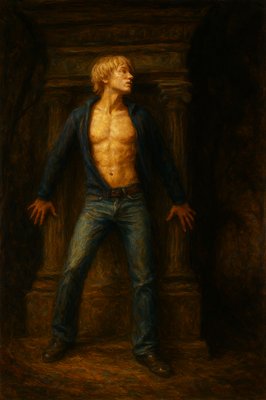
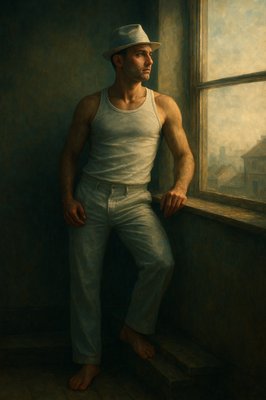
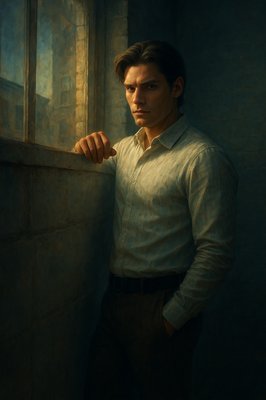
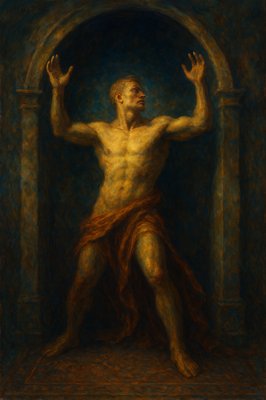
a painting of a man standing in a doorway
a painting of a man with a sword
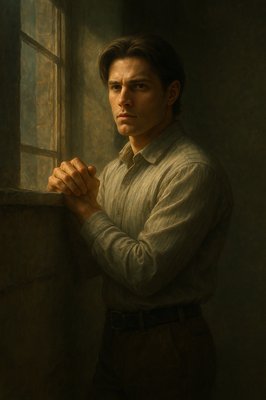
a painting of a man standing in a doorway
a painting of a man sitting on the ground
a painting of a man with a sword
a painting of a buffalo standing in a field
a painting of a motorcycle on a couch
a painting of a night scene with a camper and trees
a painting of a man with a sword
a painting of a man and a dog
a painting of a man and a wolf
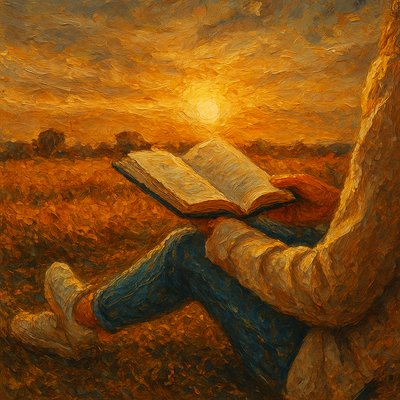
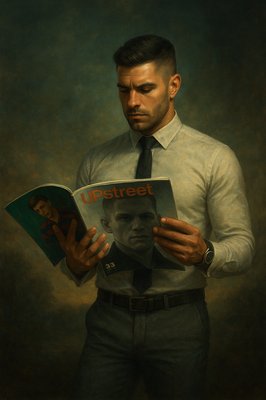
a painting of a man reading a magazine
a painting of a man holding a sword
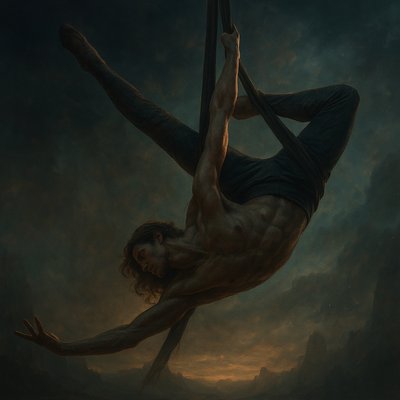
a painting of a man hanging upside down
Style: Ethereal Historical Fantasy Portrait. The mood is quiet, reverent, and deeply mystical. Soft, natural moonlight is the primary light source, creating gentle rim-lighting.

The Subject (Asonya): A woman of the ancient, antediluvian world, dressed with profound modesty. She is wrapped in multi-layered, heavy robes of woven wool dyed in deep indigo and charcoal grey that conceal her form. A textured veil covers her hair and frames her face. Her expression is contemplative and gentle, with eyes gazing upward.

The Moon Phase Connection: The current moon phase—a slender, glowing Waning Crescent—is intrinsically tied to her appearance.

    The Headpiece: A clasp made of pale, almost translucent moonstone in the exact shape of the crescent moon secures her veil. It seems to hold an internal, soft luminescence.

    The Projection: A faint, ethereal projection of the crescent moon phase is visible subtly glowing on the fabric of her veil over her forehead, as if starlight is clinging to her.

Action & Setting: She stands on an ancient, wind-worn stone platform used for observing the heavens. In her hands, she holds a simple, dark earthenware bowl filled with still water. The reflection of the actual crescent moon in the sky is perfectly captured in the water she holds.

Atmosphere: The background is a vast, clear night sky filled with countless stars. The air feels old and still.
Style: Cinematic Fantasy Portrait, Ancient Near Eastern aesthetic with a mystical, ethereal overlay. The look should feel like a rediscovered fresco brought to life, rich in texture and deep color.

The Subject (Asonya): A woman of arresting, almost supernatural beauty belonging to a pre-flood civilization. She has a powerful, enigmatic presence. Her eyes are large, dark, and intensely knowing, rimmed heavily with kohl (antimony)—a cosmetic taught by the Watchers.

Attire & Adornment (The Forbidden Knowledge): She is dressed not just in fine linen, but in adornments that hint at celestial instruction.

    Jewelry: She wears elaborate, heavy bracelets and necklaces made of hammered metals that gleam with an unusual iridescence, set with uncut, glowing gems that seem almost alive.

    Headpiece: A complex circlet of woven silver and dark stones rests on her long, flowing dark hair, reflecting the starlight.

Action/Pose: She stands holding a polished obsidian mirror in one hand, gazing slightly off-camera with an expression that is both wise and burdened.

Setting: She is standing on the balcony of a megalithic stone structure meant to observe the heavens. The background is a dramatic night sky filled with unfamiliar constellations and perhaps a faint, ethereal glow of an aurora, hinting at the presence of celestial beings. The overall atmosphere is one of ancient mystery and profound beauty.
A lady with strawberry blonde hair with a peacock style masquerade costume
a painting of a man holding a sword
a painting of a man holding a ball
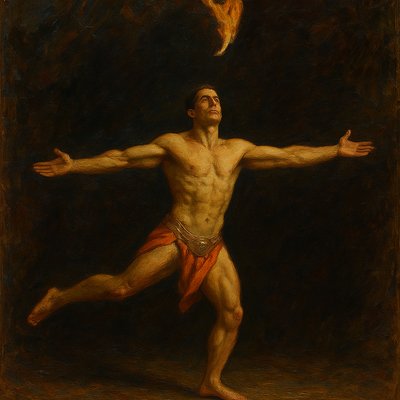
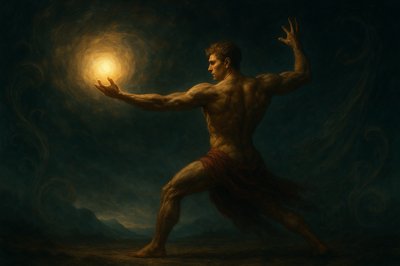
a painting of a man holding a light above his head
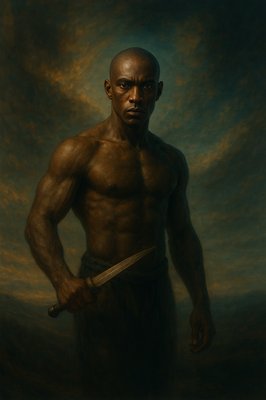
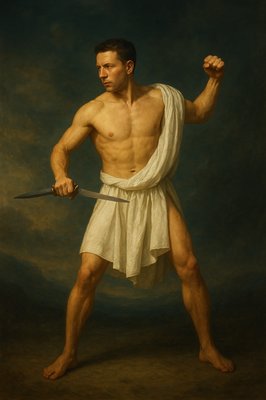
a painting of a man holding a knife
a painting of a man holding a rope