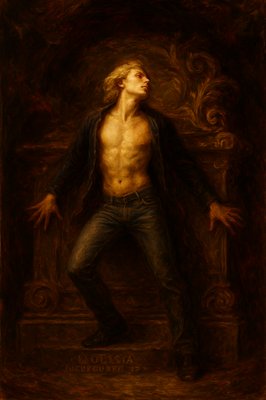
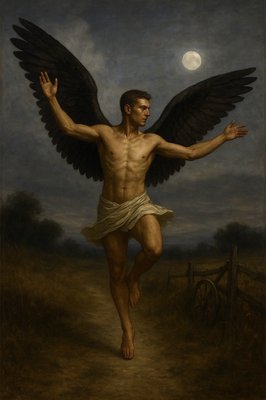
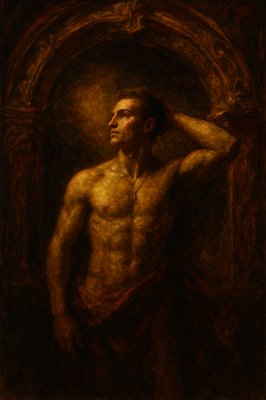
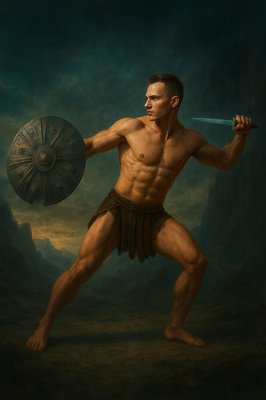
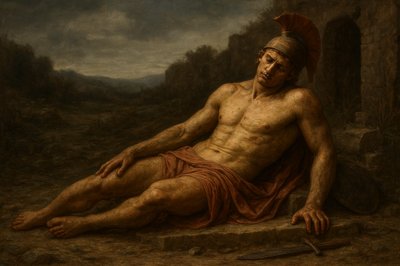
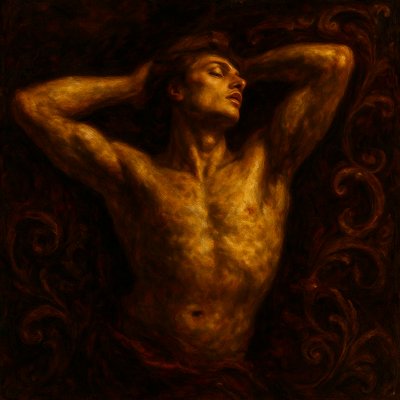
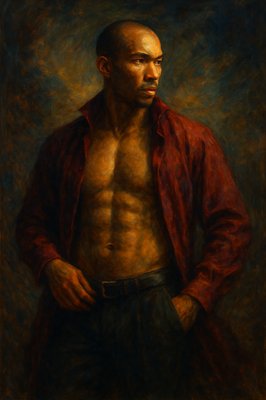
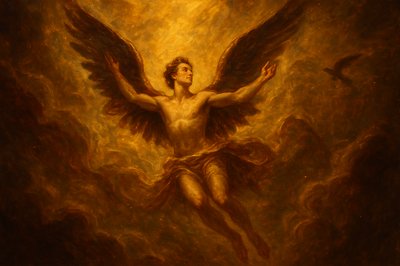
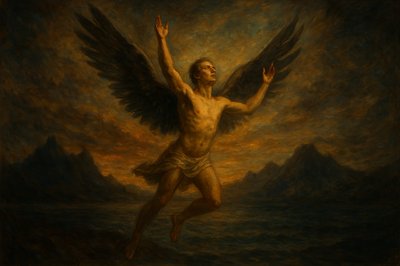
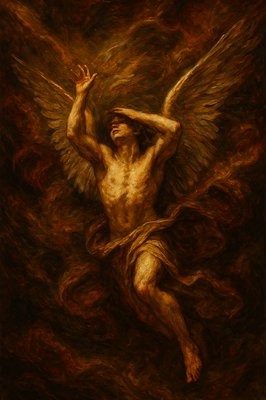
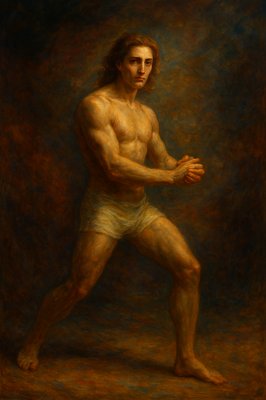
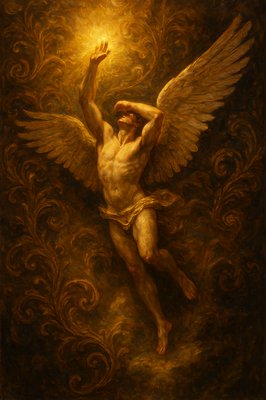
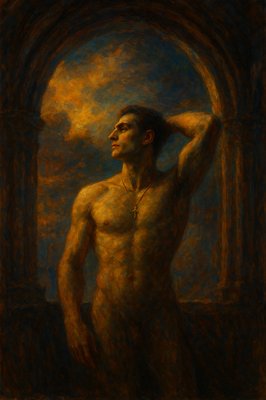
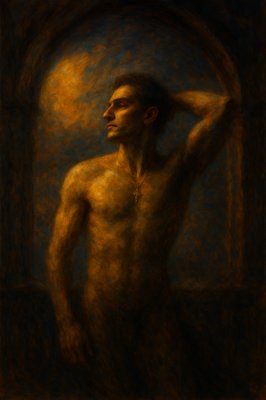
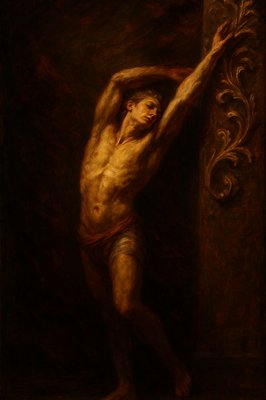
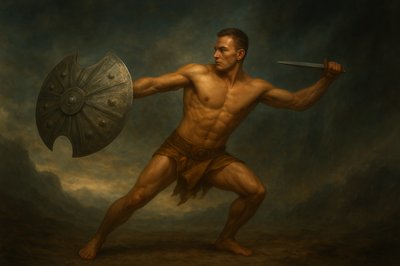
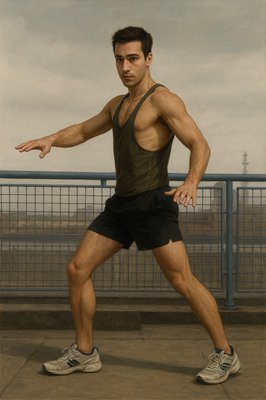
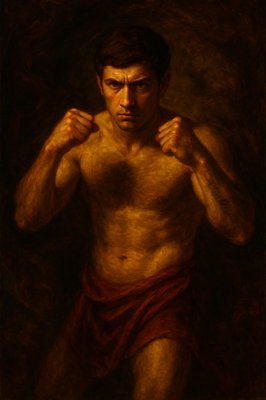
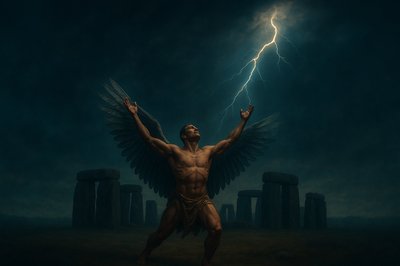
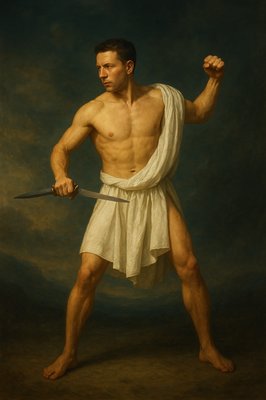
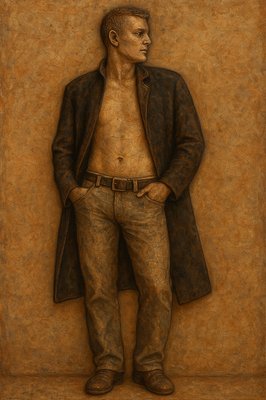
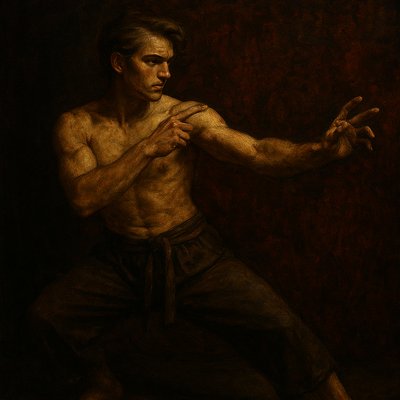
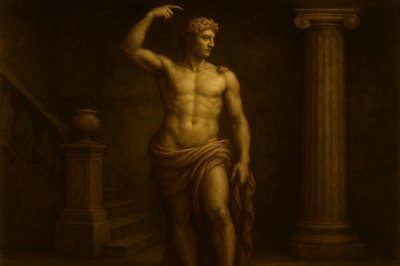
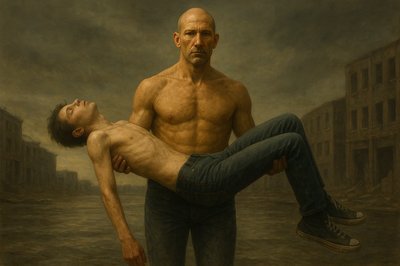
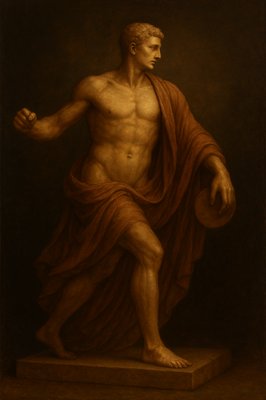
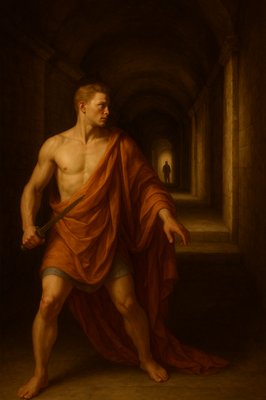
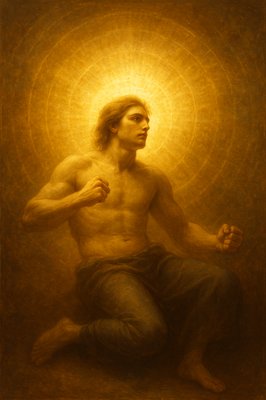
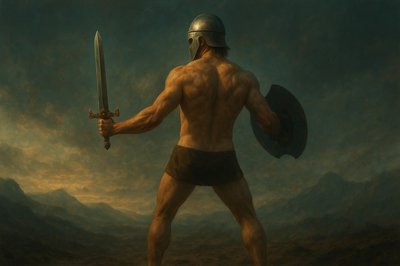
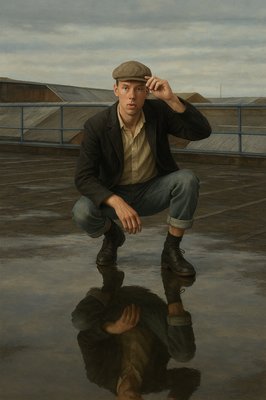
A Painting Of A Shirtless Man Flexing His Muscles Art

A historically accurate and atmospheric depiction of the signing of the Mayflower Compact aboard the ship in November 1620. The scene is set in the dimly lit, cramped cabin of the Mayflower, with the ship's timbers and rigging subtly visible, conveying the challenging conditions of the voyage. A simple table or chest serves as the signing surface. The primary focus is on a small group of the last individuals signing the document: specifically, the indentured servants (or 'strangers' not directly part of the Separatist congregation) approaching or at the table. Their expressions show a mix of weary determination, understanding of the necessity, and perhaps a hint of quiet apprehension or resignation to this new social contract, given their status. They are dressed in the plain, practical clothing typical of 17th-century commoners and laborers. Figures of prominent Pilgrims or 'Saints' (like William Bradford or John Carver) are visible in the background, observing the proceedings with a sense of gravity and leadership, but they are not the central focus. The lighting is low and warm, perhaps from a lantern, creating a chiaroscuro effect that highlights the faces of the signers. The atmosphere conveys the momentousness of the act under difficult circumstances, the diverse composition of the group, and the early seeds of self-governance in a new world. The artistic style is a realistic, historically detailed oil painting, capturing the solemnity and human element of this pivotal historical moment."
a painting of a woman with a red bandana
house with front view
Anatomical Precision Renaissance Art Style Style Transfer Example
house with front view
serene landscape with mountains and water
early 1900s American schoolhouse with snowy playground, dozens of children bundled in scarves and mittens, joyfully throwing snowballs, sliding down wooden sleds, climbing rustic playground equipment, nostalgic
New European Painting Style Style Transfer Example
a painting of a young boy holding an apple
a painting of jesus holding a wooden box
a painting of people walking down a city street
Anatomical Precision Renaissance Art Style Style Transfer Example
Transavantgarde Art Style Style Transfer Example
wide landscape with natural scenery
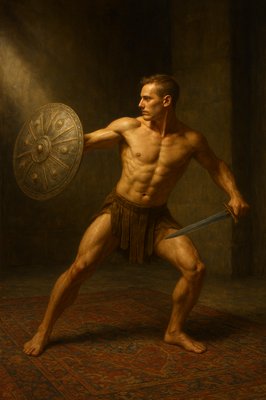
still life with everyday objects
animal standing in natural pose
urban street with city activity
The weight of silence
a painting of a dog's face with a purple background
Oxidation Gradient Metalwork Style Transfer Example
still life with everyday objects
house with front view
Process Documentation Conceptual Art Style Style Transfer Example
portrait of a person with expressive eyes
a man standing in front of a bright light
Horizon bands
still life arrangement of fruits and flowers
wide landscape with natural scenery
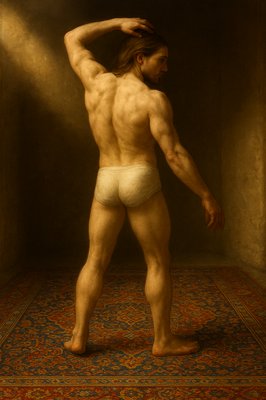
portrait of a person with expressive eyes
Please remake the image of the famous painting "THE HELPING HAND" by Renouf in steampunk fantasy style.
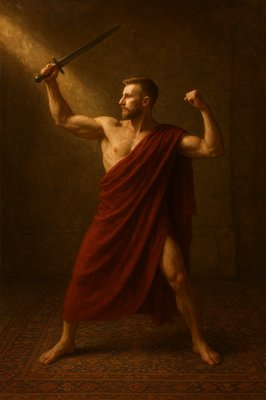
bicyle resting against a wall
Naive interpretation of a historical event in the art style of Naive Art --v 6.1
wide landscape with natural scenery
"A group of determined 19th-century gold miners panning for gold in a shallow, rocky stream in the Sierra Nevada mountains during the California Gold Rush. They are wearing rugged, worn clothing and wide-brimmed hats. Sunlight filters through pine trees, casting dappled light on the scene. One miner is intensely focused on his gold pan, while another is sifting through gravel. The water is clear, revealing pebbles and glints of potential gold. The background shows a rugged, forested landscape with distant hills."
A detailed, ancient-style map of the land of Canaan, with distinct, labeled territories for the Hivites, Arkite, and Sinite people groups. Each territory should have subtle visual cues reflecting their possible historical characteristics or natural environments. For example, the Hivite territory could show some hilly or forested areas, the Arkite territory might feature a coastal city, and the Sinite territory could suggest a more inland or mountainous region. The map should have a weathered, parchment-like texture, with an elegant, old-world font for the labels. In one corner, a small, illuminated manuscript-style illustration could depict three distinct figures, each subtly representing one of the groups, perhaps dressed in period-appropriate attire and engaging in an activity typical of their region. The overall aesthetic should evoke historical scholarship and cartography."
Naive interpretation of a historical event in the art style of Naive Art --v 6.1