A Painting Of A Motorcycle Driving Through A Forest Art

Art Style & Atmosphere: A richly detailed, cinematic fantasy photograph with a whimsical, storybook quality. The lighting is dappled and golden, filtering through a complex canopy, creating a serene and wondrous atmosphere.

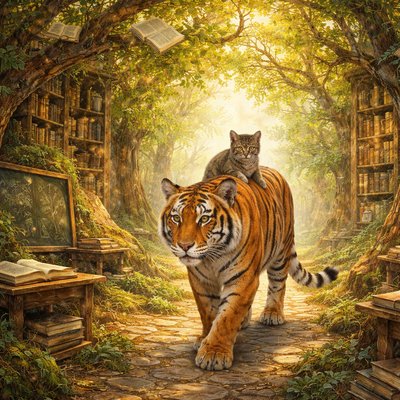
The Subjects: A magnificent, large Bengal tigress with deep orange and black fur walks with a slow, confident stride through the center of the frame. Perched comfortably on her shoulder blades, looking around with wide-eyed curiosity, is a small tabby kitten with unusual, muted olive-green and brownish-grey striped fur.

The Environment (The Forest-Library): The setting is a seamless, magical fusion of an ancient woodland and a grand library.

    The Trees: Towering, gnarled trees have trunks that are not just bark, but carved wooden bookshelves packed tight with thousands of leather-bound books, scrolls, and codices.

    The Canopy: The "leaves" above are a mixture of real green foliage and open book pages fluttering in the breeze, creating a stained-glass effect with the sunlight.

    The Floor: The forest floor is a mix of moss, roots, and stacks of old books that look like natural rock formations or undergrowth.

    School Elements: Old, weathered wooden school desks are integrated into the landscape, some overgrown with ivy, holding open botanical textbooks. A large slate chalkboard, covered in arcane botanical diagrams, is embedded into a mossy rock face.

Composition: A wide-angle shot showing the scale of the environment as the tigress and kitten move along a path paved with worn flagstones and embedded encyclopedias.
Art Style & Atmosphere: A richly detailed, cinematic fantasy photograph with a whimsical, storybook quality. The lighting is dappled and golden, filtering through a complex canopy, creating a serene and wondrous atmosphere.

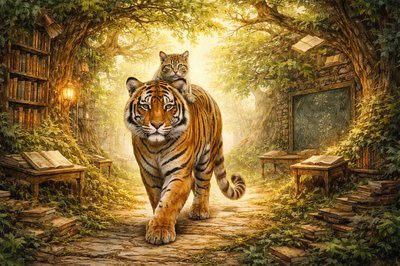
The Subjects: A magnificent, large Bengal tigress with deep orange and black fur walks with a slow, confident stride through the center of the frame. Perched comfortably on her shoulder blades, looking around with wide-eyed curiosity, is a small tabby kitten with unusual, muted olive-green and brownish-grey striped fur.

The Environment (The Forest-Library): The setting is a seamless, magical fusion of an ancient woodland and a grand library.

    The Trees: Towering, gnarled trees have trunks that are not just bark, but carved wooden bookshelves packed tight with thousands of leather-bound books, scrolls, and codices.

    The Canopy: The "leaves" above are a mixture of real green foliage and open book pages fluttering in the breeze, creating a stained-glass effect with the sunlight.

    The Floor: The forest floor is a mix of moss, roots, and stacks of old books that look like natural rock formations or undergrowth.

    School Elements: Old, weathered wooden school desks are integrated into the landscape, some overgrown with ivy, holding open botanical textbooks. A large slate chalkboard, covered in arcane botanical diagrams, is embedded into a mossy rock face.

Composition: A wide-angle shot showing the scale of the environment as the tigress and kitten move along a path paved with worn flagstones and embedded encyclopedias.
Art Style & Atmosphere: A richly detailed, cinematic fantasy photograph with a whimsical, storybook quality. The lighting is dappled and golden, filtering through a complex canopy, creating a serene and wondrous atmosphere.

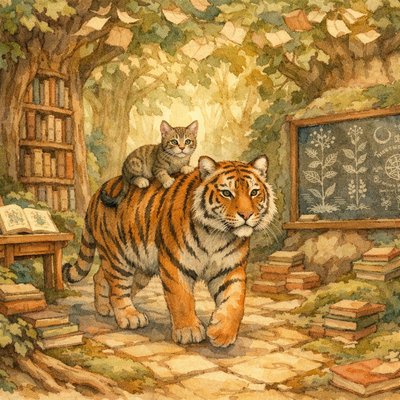
The Subjects: A magnificent, large Bengal tigress with deep orange and black fur walks with a slow, confident stride through the center of the frame. Perched comfortably on her shoulder blades, looking around with wide-eyed curiosity, is a small tabby kitten with unusual, muted olive-green and brownish-grey striped fur.

The Environment (The Forest-Library): The setting is a seamless, magical fusion of an ancient woodland and a grand library.

    The Trees: Towering, gnarled trees have trunks that are not just bark, but carved wooden bookshelves packed tight with thousands of leather-bound books, scrolls, and codices.

    The Canopy: The "leaves" above are a mixture of real green foliage and open book pages fluttering in the breeze, creating a stained-glass effect with the sunlight.

    The Floor: The forest floor is a mix of moss, roots, and stacks of old books that look like natural rock formations or undergrowth.

    School Elements: Old, weathered wooden school desks are integrated into the landscape, some overgrown with ivy, holding open botanical textbooks. A large slate chalkboard, covered in arcane botanical diagrams, is embedded into a mossy rock face.

Composition: A wide-angle shot showing the scale of the environment as the tigress and kitten move along a path paved with worn flagstones and embedded encyclopedias.
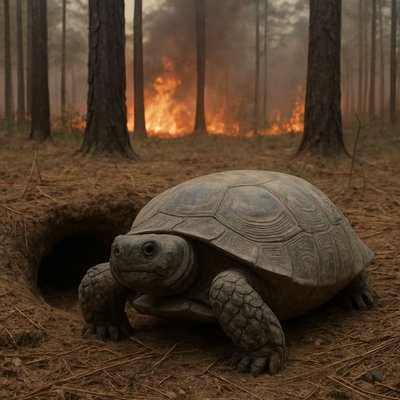
A gopher tortoise outside its burrow in a pine forest in Georgia, United States, preparing to find shelter from a growing wildfire. Photo-realistic.
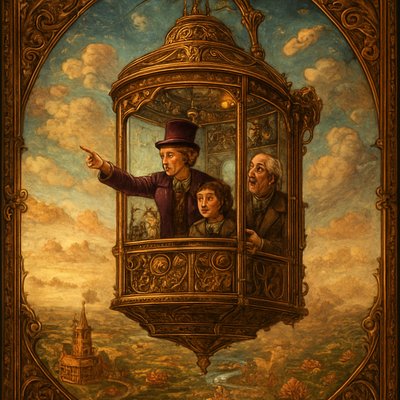
An awe-inspiring and whimsical scene featuring Willy Wonka's Great Glass Wonkavator, soaring high above the chocolate factory and ascending into a fantastical sky. The Wonkavator itself is a magnificent, multi-directional glass elevator, transparent and sparkling, with Willy Wonka (in his iconic purple coat and top hat), young Charlie Bucket, and Grandpa Joe clearly visible and enjoying the ride inside. Wonka points excitedly, Charlie looks out with wide-eyed wonder, and Grandpa Joe grins with delight. The interior of the Wonkavator shows intricate, whimsical control panels.

The Wonkavator is depicted in mid-flight, having just burst through the factory roof or rising above the clouds. Below it, the fantastical landscape of the Chocolate Factory is spread out – chocolate rivers, edible gardens, candy cane trees, and various whimsical buildings. Beyond the factory, a stunning, imaginative sky unfolds, filled with floating candy clouds, distant fantastical landmarks, and even glimpses of planets and stars. The lighting is bright and magical, emphasizing the glass's transparency and the vibrant colors of the world below and beyond. The overall mood is one of boundless adventure, limitless possibilities, and pure, joyful fantasy."
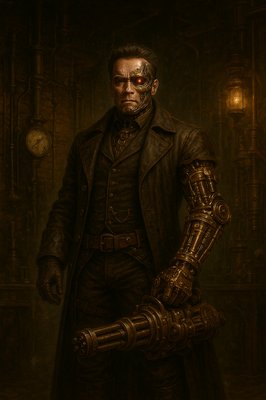
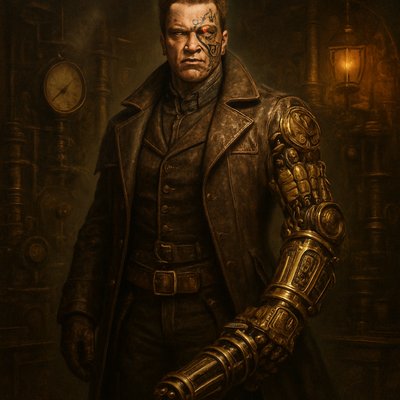
"A dramatic, full-body portrait of Arnold Schwarzenegger as a Steampunk Terminator, standing powerfully in a dimly lit, richly detailed Victorian-era workshop. Arnold's iconic Terminator face is visible, with a glowing red eye, partially obscured by an intricate, metallic eyepatch and visible cybernetic components around his neck and face. He wears a heavy, dark brown leather duster coat over a tailored waistcoat and trousers, all adorned with brass buckles, gears, and leather straps. His left arm is a formidable steampunk prosthetic, crafted from polished brass, copper, and exposed gears, ending in a massive, Gatling-gun-like weapon integrated into the forearm. His right hand wears a finely detailed leather glove with metallic accents. The background of the workshop is filled with vintage machinery, pressure gauges, steam pipes, exposed brick walls, and the soft glow of gas lamps, casting long shadows. Smoke or steam gently drifts through the air, adding to the atmospheric industrial setting. The overall aesthetic is gritty, sophisticated, and perfectly blends the sci-fi elements of the Terminator with the intricate mechanical beauty of steampunk
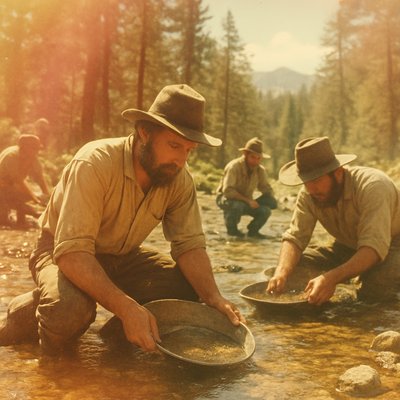
"A group of determined 19th-century gold miners panning for gold in a shallow, rocky stream in the Sierra Nevada mountains during the California Gold Rush. They are wearing rugged, worn clothing and wide-brimmed hats. Sunlight filters through pine trees, casting dappled light on the scene. One miner is intensely focused on his gold pan, while another is sifting through gravel. The water is clear, revealing pebbles and glints of potential gold. The background shows a rugged, forested landscape with distant hills."
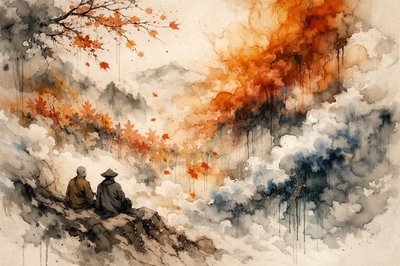
I sat, long ago, on an Asian hill with a Shakya Mundi friend, and watched the autumn leaves fall down from high above, giants in the forest casting off their wakefulness, falling progressively into winter’s long, white sleep. 

“The important thing to know about trees” he said, “is that they are most beautiful in autumn; just before the winter snow.  They live and grow through the entire year just for these brief moments of stunning beauty.  We are like that.” He said, “but we have only one autumn, and a very long winter.”
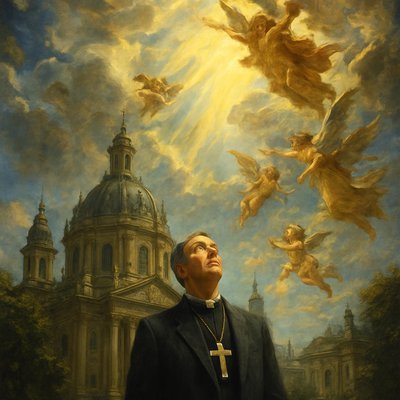
A human pastor wearing a suit with a big cross necklace, standing in front of a beautiful cathedral in a forest city as the sun rises in the distance
Hyper-realistic Andean condor flying in the sky over a forest, leaving a shimmering trail of glittering sparkles where it goes, extreme detail, photorealistic, cinematic lighting
Metropolis
Metropolis
urban street with city activity
animal standing in natural pose
a tree in nature
portrait of two people together
still life with everyday objects
wide landscape with natural scenery
Metropolis, city
portrait of a person with expressive eyes
Metropolis
urban street with city activity
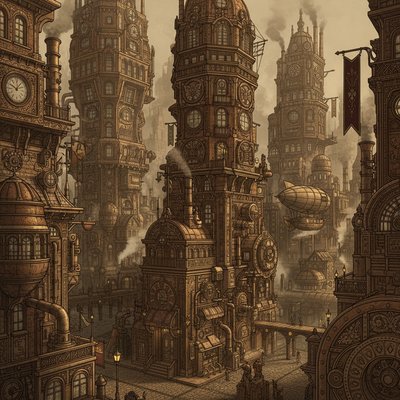
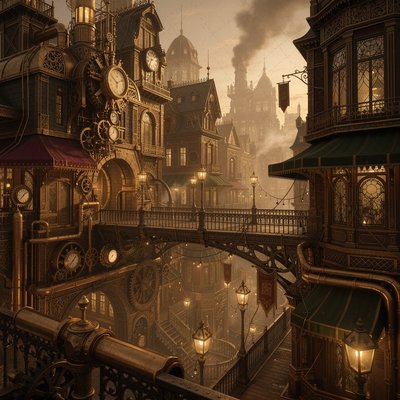
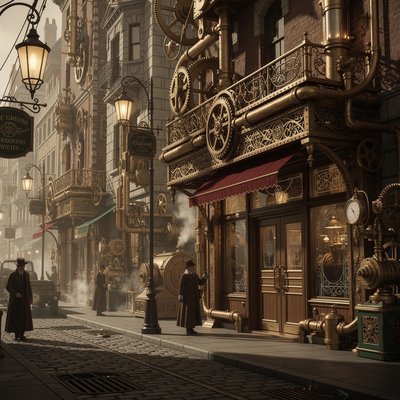
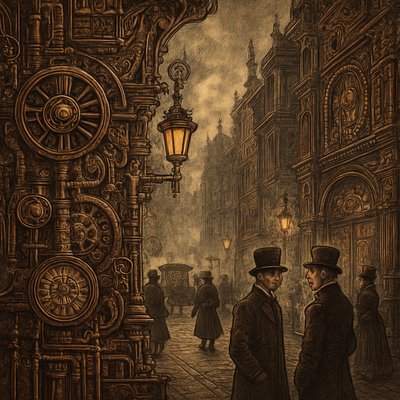
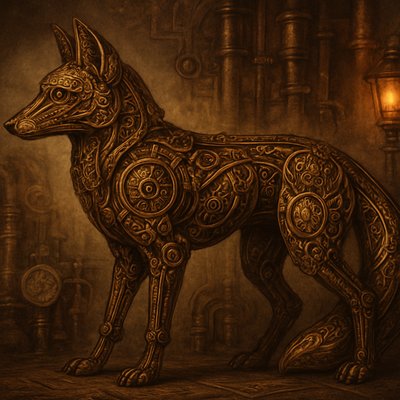
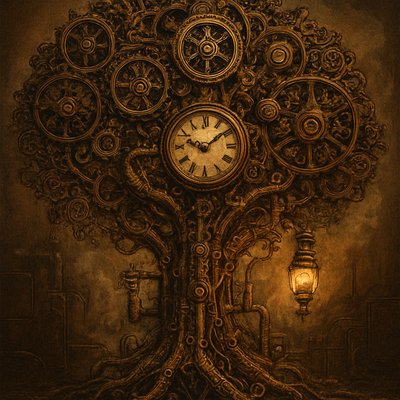
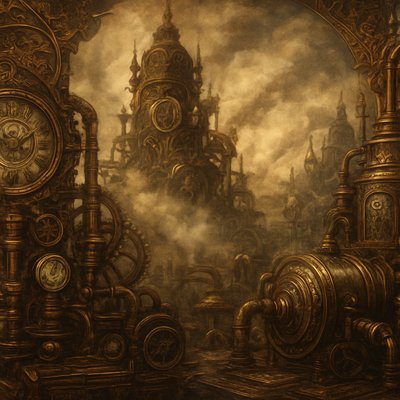
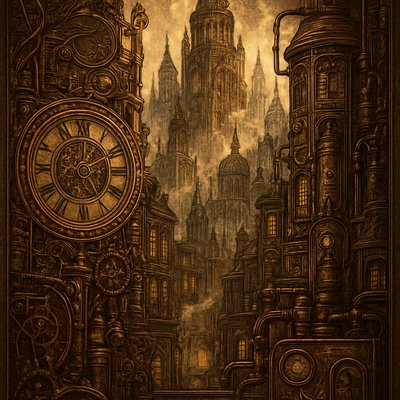
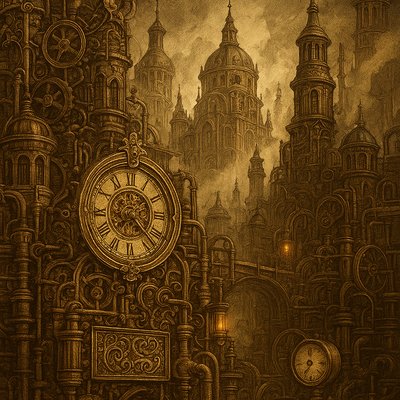
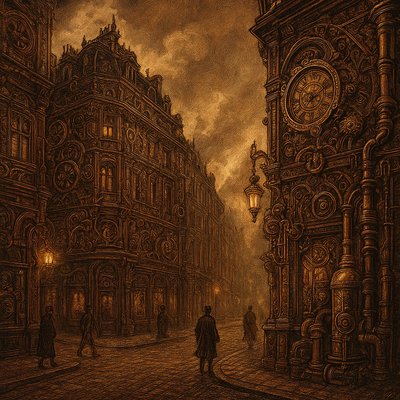
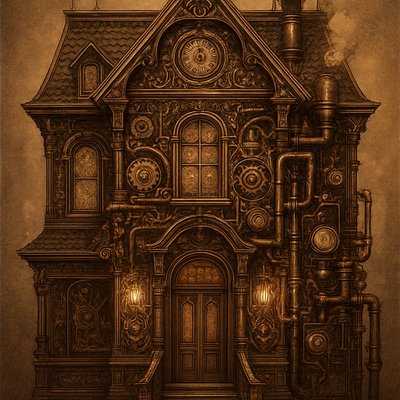
Steampunk Art Style Style Transfer Example
house with front view
bicyle resting against a wall
serene landscape with mountains and water
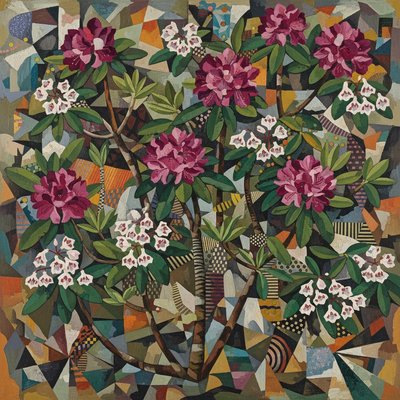
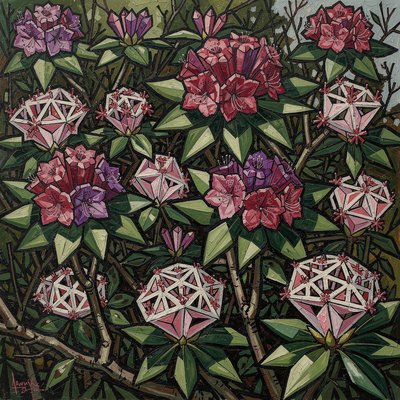
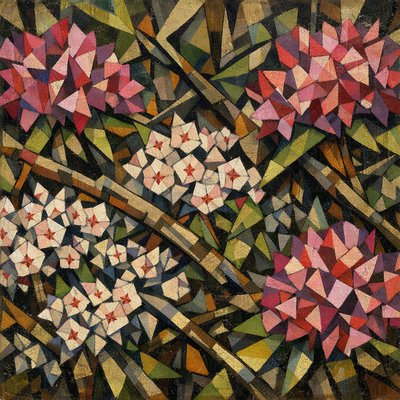
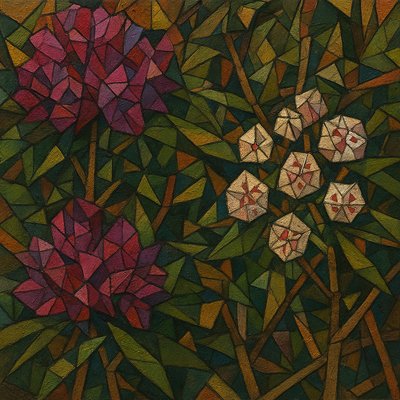
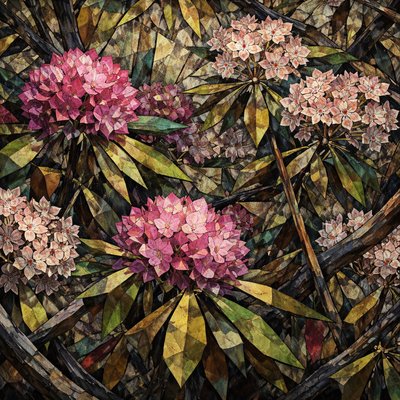
Art Style: Analytical Cubism, avant-garde oil painting style reminiscent of Picasso and Braque.

Subject: A dense, tangled thicket of Rhododendrons and Mountain Laurel bushes.

Composition & Details: The entire natural scene is deconstructed into overlapping geometric planes, fractured shards, and intersecting angles. There are no curved lines; everything is rendered in cubes, cones, and trapezoids.

    The Rhododendrons: Large, showy flower trusses are broken into faceted crystalline structures of deep magenta, rose pink, and violet blocks, looking like explosions of colored quartz rather than soft petals.

    The Mountain Laurels: The smaller, intricate flowers are rendered as complex, repeating geometric star-patterns and angular cups in white and pale pink with distinct red polygonal markings.

    Foliage & Branches: The thick, leathery leaves are fragmented green triangles and parallelograms overlapping each other, creating a sense of depth without traditional perspective. The woody stems and branches are jagged, intersecting brown and grey cylinders that shatter across the frame.

Color & Texture: A palette of muted earth tones—ochre, burnt umber, forest green, and slate grey—contrasted sharply with the jewel-toned facets of the flower colors. The finish should have a heavy, textured oil paint feel with visible palette knife marks and rough brushwork.
Art Style: Analytical Cubism, avant-garde oil painting style reminiscent of Picasso and Braque.

Subject: A dense, tangled thicket of Rhododendrons and Mountain Laurel bushes.

Composition & Details: The entire natural scene is deconstructed into overlapping geometric planes, fractured shards, and intersecting angles. There are no curved lines; everything is rendered in cubes, cones, and trapezoids.

    The Rhododendrons: Large, showy flower trusses are broken into faceted crystalline structures of deep magenta, rose pink, and violet blocks, looking like explosions of colored quartz rather than soft petals.

    The Mountain Laurels: The smaller, intricate flowers are rendered as complex, repeating geometric star-patterns and angular cups in white and pale pink with distinct red polygonal markings.

    Foliage & Branches: The thick, leathery leaves are fragmented green triangles and parallelograms overlapping each other, creating a sense of depth without traditional perspective. The woody stems and branches are jagged, intersecting brown and grey cylinders that shatter across the frame.

Color & Texture: A palette of muted earth tones—ochre, burnt umber, forest green, and slate grey—contrasted sharply with the jewel-toned facets of the flower colors. The finish should have a heavy, textured oil paint feel with visible palette knife marks and rough brushwork.
Art Style: Analytical Cubism, avant-garde oil painting style reminiscent of Picasso and Braque.

Subject: A dense, tangled thicket of Rhododendrons and Mountain Laurel bushes.

Composition & Details: The entire natural scene is deconstructed into overlapping geometric planes, fractured shards, and intersecting angles. There are no curved lines; everything is rendered in cubes, cones, and trapezoids.

    The Rhododendrons: Large, showy flower trusses are broken into faceted crystalline structures of deep magenta, rose pink, and violet blocks, looking like explosions of colored quartz rather than soft petals.

    The Mountain Laurels: The smaller, intricate flowers are rendered as complex, repeating geometric star-patterns and angular cups in white and pale pink with distinct red polygonal markings.

    Foliage & Branches: The thick, leathery leaves are fragmented green triangles and parallelograms overlapping each other, creating a sense of depth without traditional perspective. The woody stems and branches are jagged, intersecting brown and grey cylinders that shatter across the frame.

Color & Texture: A palette of muted earth tones—ochre, burnt umber, forest green, and slate grey—contrasted sharply with the jewel-toned facets of the flower colors. The finish should have a heavy, textured oil paint feel with visible palette knife marks and rough brushwork.
Art Style: Analytical Cubism, avant-garde oil painting style reminiscent of Picasso and Braque.

Subject: A dense, tangled thicket of Rhododendrons and Mountain Laurel bushes.

Composition & Details: The entire natural scene is deconstructed into overlapping geometric planes, fractured shards, and intersecting angles. There are no curved lines; everything is rendered in cubes, cones, and trapezoids.

    The Rhododendrons: Large, showy flower trusses are broken into faceted crystalline structures of deep magenta, rose pink, and violet blocks, looking like explosions of colored quartz rather than soft petals.

    The Mountain Laurels: The smaller, intricate flowers are rendered as complex, repeating geometric star-patterns and angular cups in white and pale pink with distinct red polygonal markings.

    Foliage & Branches: The thick, leathery leaves are fragmented green triangles and parallelograms overlapping each other, creating a sense of depth without traditional perspective. The woody stems and branches are jagged, intersecting brown and grey cylinders that shatter across the frame.

Color & Texture: A palette of muted earth tones—ochre, burnt umber, forest green, and slate grey—contrasted sharply with the jewel-toned facets of the flower colors. The finish should have a heavy, textured oil paint feel with visible palette knife marks and rough brushwork.
Art Style: Analytical Cubism, avant-garde oil painting style reminiscent of Picasso and Braque.

Subject: A dense, tangled thicket of Rhododendrons and Mountain Laurel bushes.

Composition & Details: The entire natural scene is deconstructed into overlapping geometric planes, fractured shards, and intersecting angles. There are no curved lines; everything is rendered in cubes, cones, and trapezoids.

    The Rhododendrons: Large, showy flower trusses are broken into faceted crystalline structures of deep magenta, rose pink, and violet blocks, looking like explosions of colored quartz rather than soft petals.

    The Mountain Laurels: The smaller, intricate flowers are rendered as complex, repeating geometric star-patterns and angular cups in white and pale pink with distinct red polygonal markings.

    Foliage & Branches: The thick, leathery leaves are fragmented green triangles and parallelograms overlapping each other, creating a sense of depth without traditional perspective. The woody stems and branches are jagged, intersecting brown and grey cylinders that shatter across the frame.

Color & Texture: A palette of muted earth tones—ochre, burnt umber, forest green, and slate grey—contrasted sharply with the jewel-toned facets of the flower colors. The finish should have a heavy, textured oil paint feel with visible palette knife marks and rough brushwork.
A fantastically cheerful and dynamic scene featuring the happy pumpkin-head figure (with the swirled, smiling carved face and internal glow) as the pilot of a classic, brightly colored biplane. The biplane itself is whimsically designed, perhaps with candy-themed accents or painted in vibrant, cheerful colors like orange, purple, and green.

The biplane is soaring through a clear, azure autumn sky, actively 'crop-dusting' a massive, exuberant stream of colorful Halloween candy from its underside. The candy (an abundant mix of wrapped chocolates, lollipops, candy corn, and various sweets) cascades downwards in a wide, joyous plume, spreading across the landscape below.

The landscape beneath the biplane is an idyllic, festive autumnal scene: rolling hills covered in vibrant fall foliage (golden, red, orange trees), a charming pumpkin patch, or a quaint, candy-colored village. The perspective is dynamic, capturing the plane in motion with the candy streaming behind it. The lighting is bright and sunny, emphasizing the vivid colors of the plane, the candy, and the autumn scenery. The overall mood is one of pure, unadulterated joy, playful magic, and festive exuberance, like a sugary parade from the sky." whimsical illustration, vibrant, dynamic motion, expressive character, detailed candy and plane design, festive atmosphere
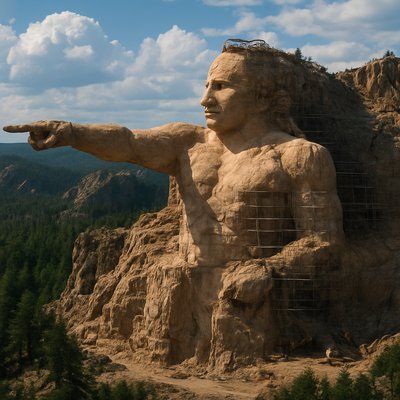
A majestic and inspiring depiction of the Crazy Horse National Memorial, captured from a slightly elevated, wide-angle perspective that emphasizes its immense scale and ongoing construction. The colossal carving of Crazy Horse on his war pony is the dominant feature, shown in its current state of detailed progress, with the iconic outstretched arm and pointing finger prominent against the rugged Black Hills. Visible elements of the carving process, such as scaffolding, construction equipment (subtly integrated), or evidence of rock removal, are present, highlighting the monumental effort and generations of work involved. The surrounding landscape of the Black Hills is an integral part of the composition, with pine forests, granite formations, and the vast, open sky providing a dramatic and respectful setting. The lighting is strong and clear, perhaps mid-morning or late afternoon sun, casting dramatic shadows that define the contours of the mountain and the carving. The atmosphere conveys a sense of enduring tribute, cultural pride, determination, and the sheer scale of human endeavor dedicated to honoring a legendary figure. The artistic style is a highly realistic, detailed landscape painting or photograph, emphasizing grandeur and reverence
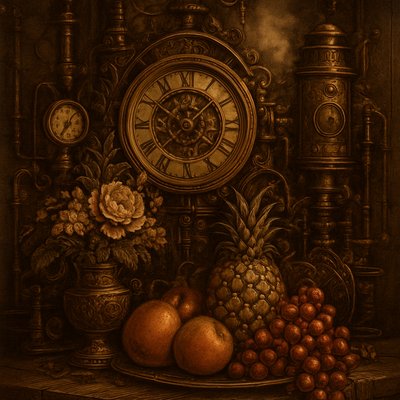
still life arrangement of fruits and flowers
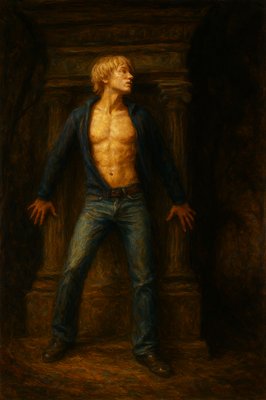
a painting of a man standing in a doorway
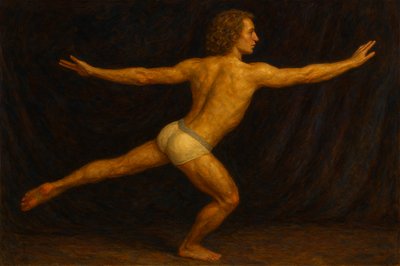
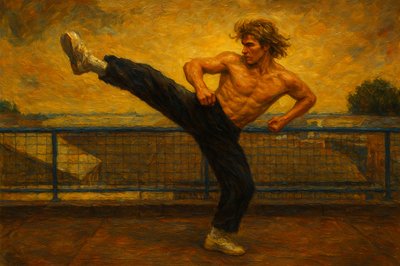
a painting of a man doing a kickbox pose
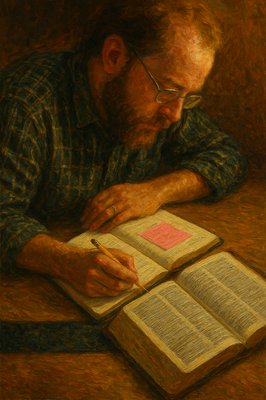
a man sitting at a table with an open book
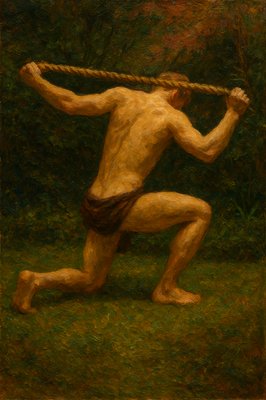
a painting of a man holding a rope
a painting of a man with no shirt on