A Painting Of A Motorcycle Driving Through A Forest Art

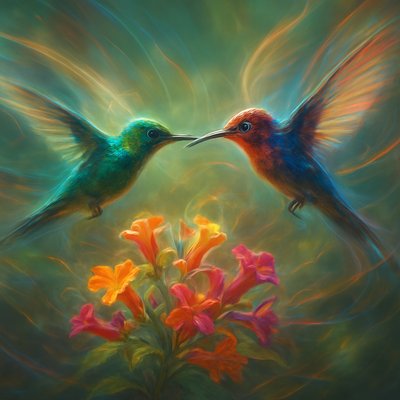
A breathtaking and dynamic close-up scene depicting two iridescent hummingbirds engaged in a vigorous mid-air duel over a cluster of vibrant, nectar-rich flowers. Their tiny wings are blurred into translucent arcs of motion, a testament to their incredible speed and agility, creating a frantic, energetic atmosphere.

One hummingbird, perhaps a brilliant emerald green, lunges forward, while the other, possibly a fiery ruby red or shimmering blue, hovers defensively, their long beaks pointed towards each other in a fierce territorial display. Their tiny, intense eyes are sharply focused on their opponent.
They are positioned directly above or fiercely guarding a cluster of brightly colored, inviting flowers, such as trumpet vines, fuchsias, or salvia, which are depicted with exquisite detail and rich, saturated hues, dripping with nectar. The background is a soft, dreamlike blur of lush green foliage and dappled sunlight, keeping the focus entirely on the intense aerial ballet. The lighting is bright and dramatic, catching the metallic sheen of their feathers and emphasizing their jewel-like colors. The overall mood is one of intense energy, fierce beauty, and natural competition
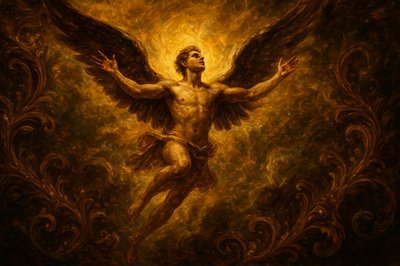
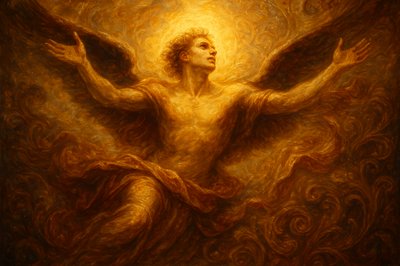
a painting of a man with wings in the air
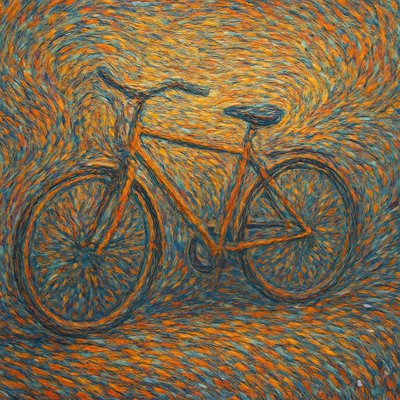
bicyle resting against a wall
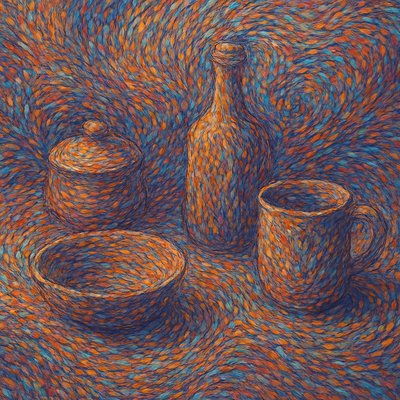
still life with everyday objects
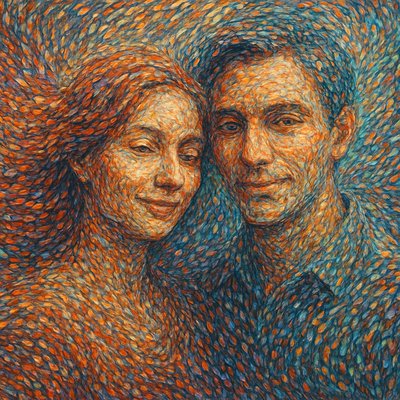
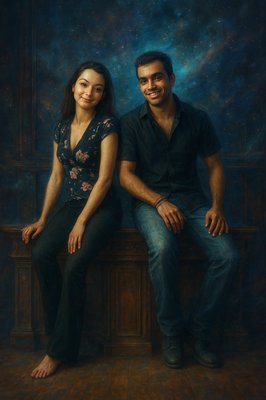
portrait of two people together
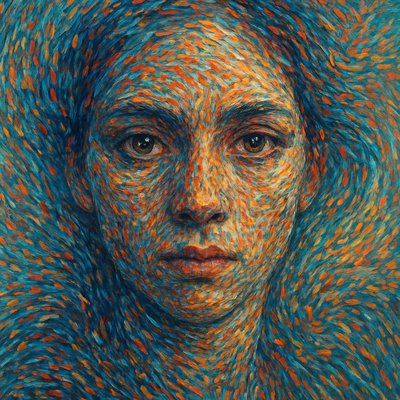
portrait of a person with expressive eyes
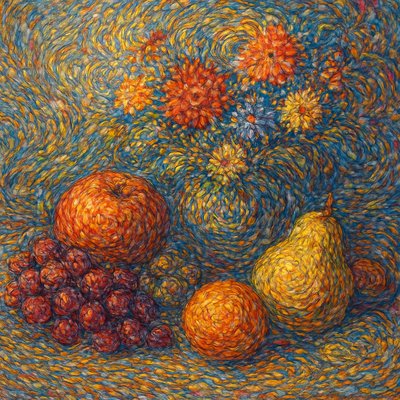
still life arrangement of fruits and flowers
Bright
Standing with draped fabric
Person with water droplets on face
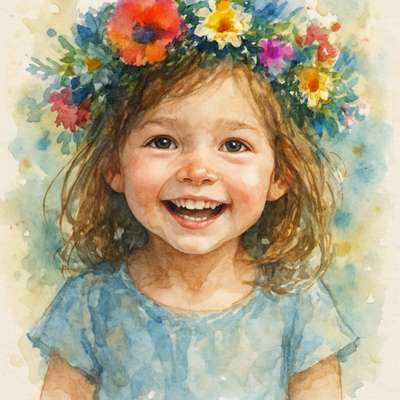
Child with flower crown
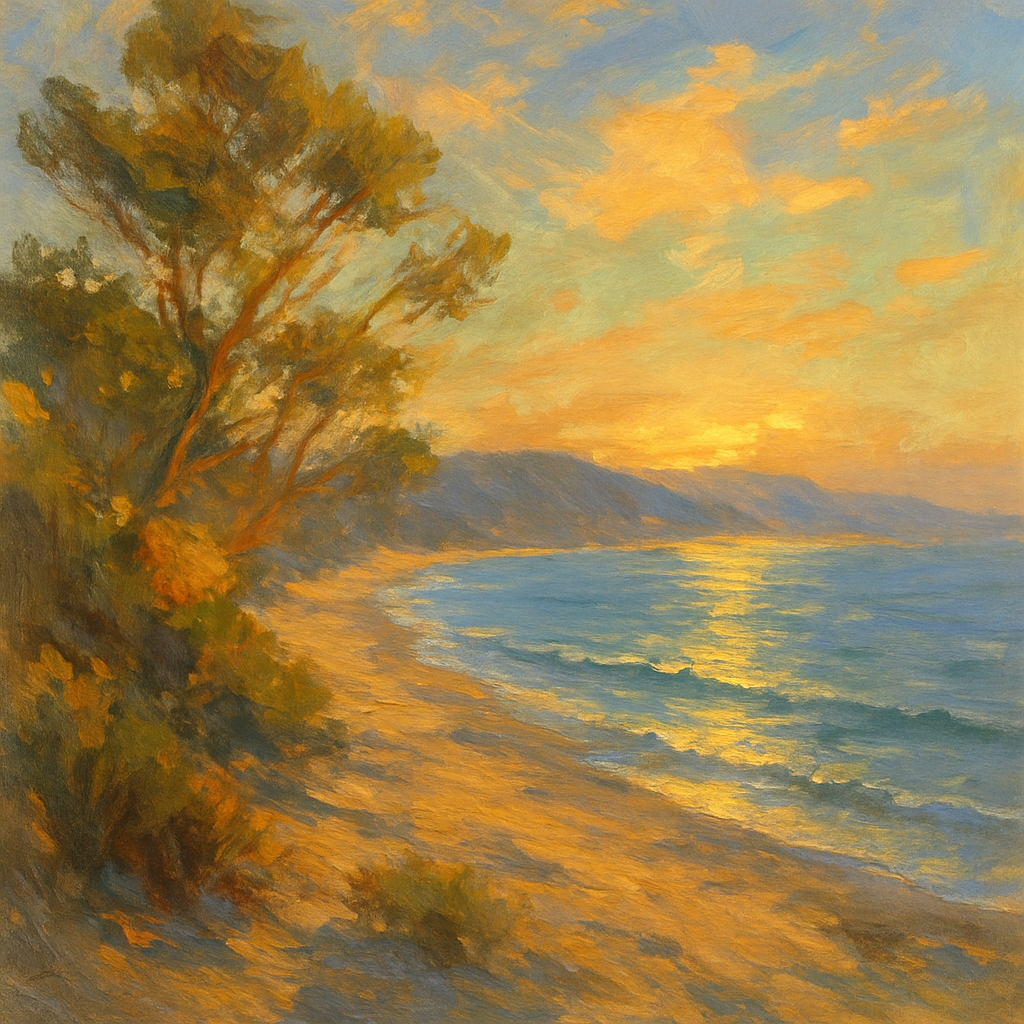
A coastal scene at golden hour
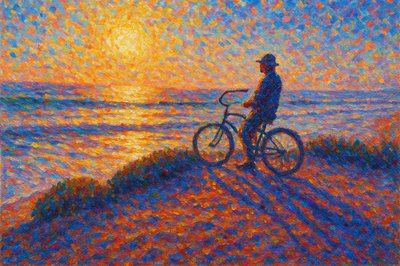
a painting of a man riding a bike on a beach
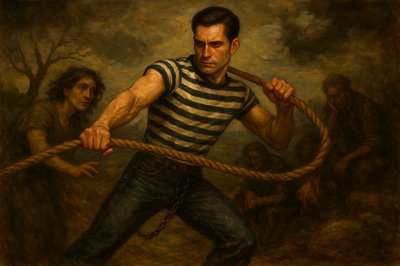
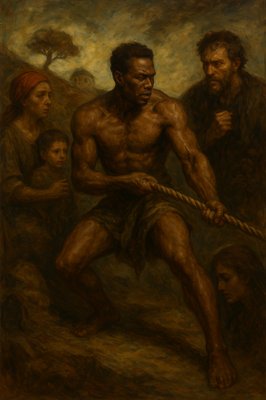
a painting of a man holding a rope
a painting of a man standing next to a woman
a painting of a man holding a rope
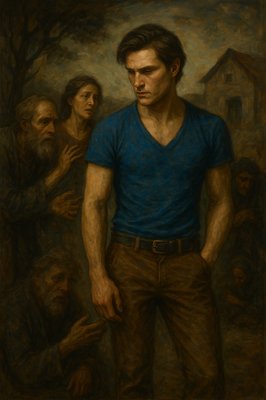
a painting of a man standing in front of a group of men
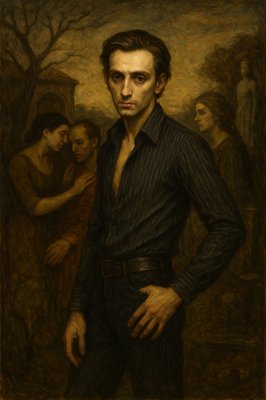
a painting of a man standing in front of a group of people
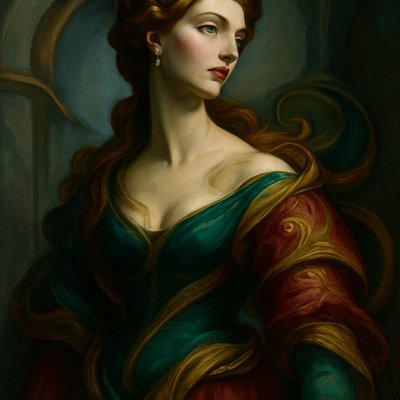
a painting of a woman in a green and red dress
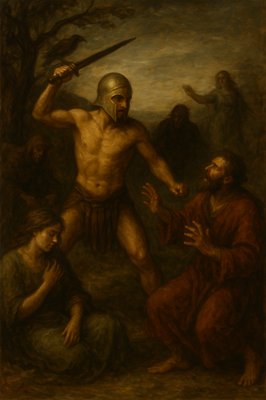
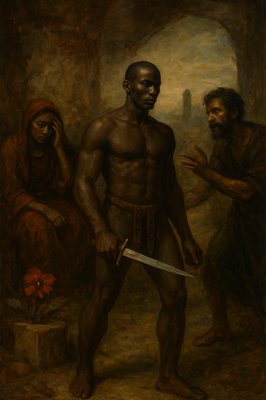
a painting of a man holding a sword
a painting of a man standing in front of a group of people
a painting of a man standing next to a woman
a painting of a man standing in front of a group of people
a painting of a man holding a sword
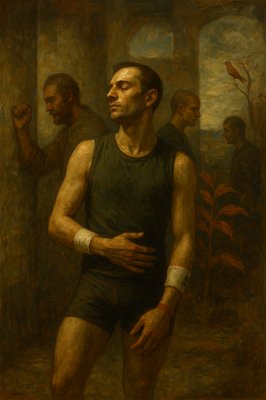
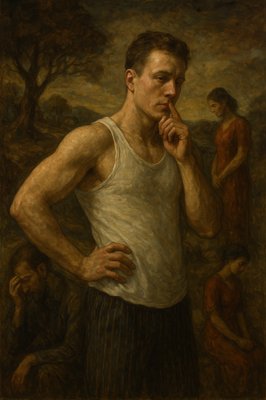
a painting of a man in a tank top
a painting of a man standing in front of a group of people
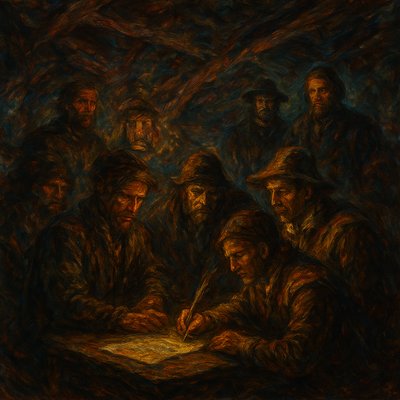
A historically accurate and atmospheric depiction of the signing of the Mayflower Compact aboard the ship in November 1620. The scene is set in the dimly lit, cramped cabin of the Mayflower, with the ship's timbers and rigging subtly visible, conveying the challenging conditions of the voyage. A simple table or chest serves as the signing surface. The primary focus is on a small group of the last individuals signing the document: specifically, the indentured servants (or 'strangers' not directly part of the Separatist congregation) approaching or at the table. Their expressions show a mix of weary determination, understanding of the necessity, and perhaps a hint of quiet apprehension or resignation to this new social contract, given their status. They are dressed in the plain, practical clothing typical of 17th-century commoners and laborers. Figures of prominent Pilgrims or 'Saints' (like William Bradford or John Carver) are visible in the background, observing the proceedings with a sense of gravity and leadership, but they are not the central focus. The lighting is low and warm, perhaps from a lantern, creating a chiaroscuro effect that highlights the faces of the signers. The atmosphere conveys the momentousness of the act under difficult circumstances, the diverse composition of the group, and the early seeds of self-governance in a new world. The artistic style is a realistic, historically detailed oil painting, capturing the solemnity and human element of this pivotal historical moment."
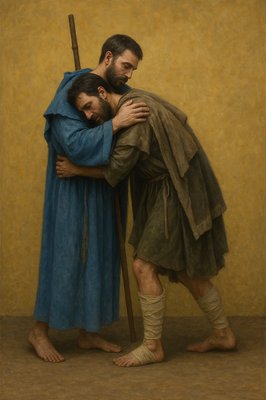
a painting of two men embracing each other
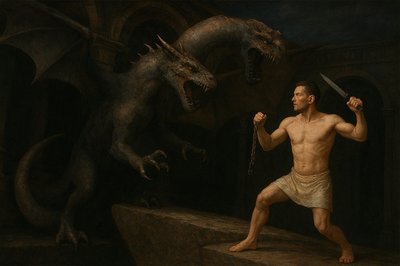
a painting of a man holding a sword next to a dragon
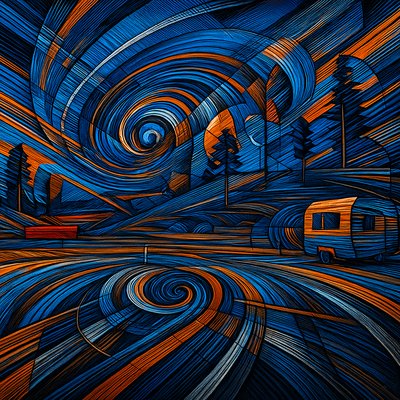
a painting of a night scene with a camper and trees
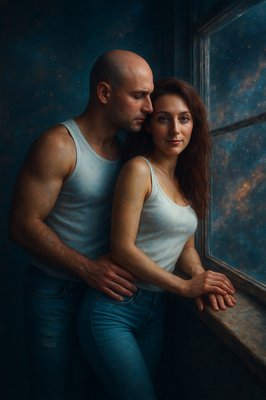
a painting of a man and a woman looking out a window
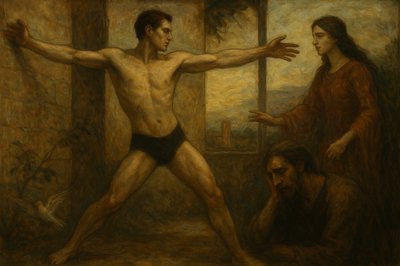
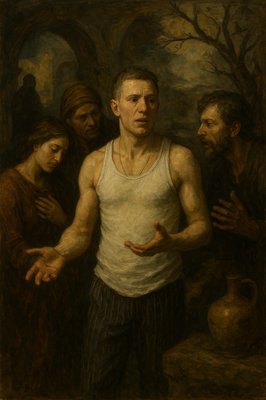
a painting of a man with his arms outstretched
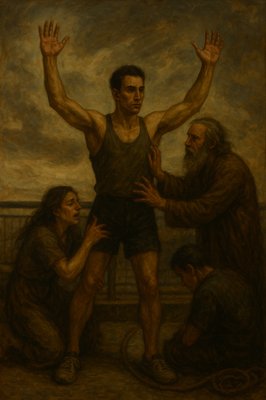
a painting of a man with his arms in the air
a painting of a man and a woman sitting on a bench
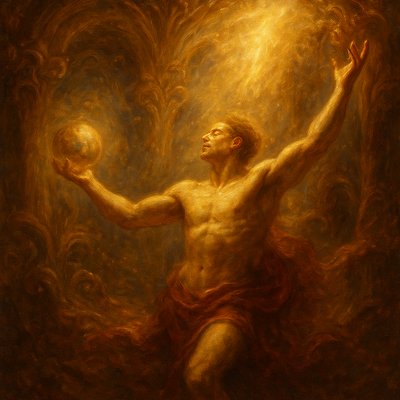
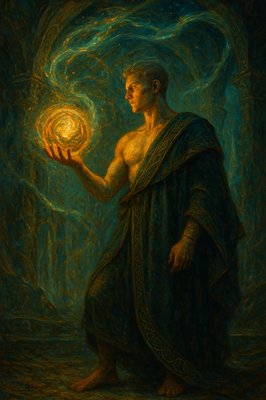
a painting of a man holding a crystal ball
a painting of a man with a hat on his head
a painting of a man holding a sword and a shield
a painting of a man holding a ball in his hand
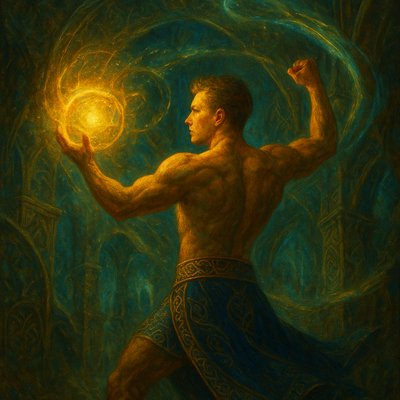
a painting of a man holding a ball
a painting of a man with a ball in his hand
a painting of a man holding a sword