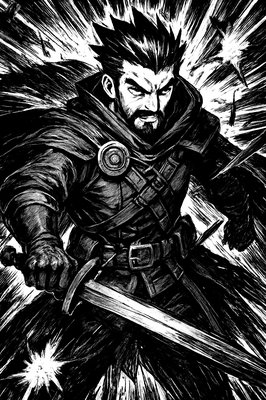
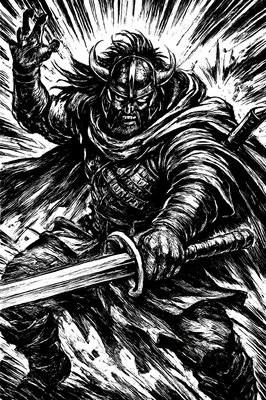
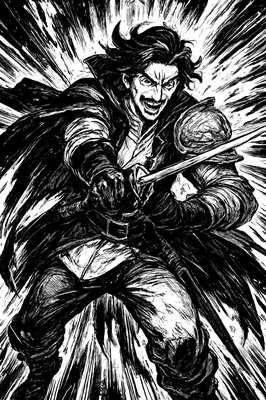
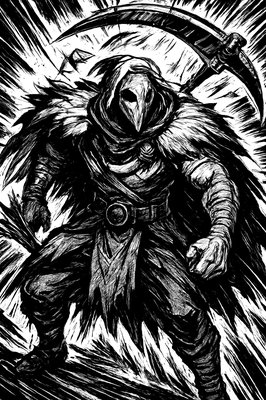
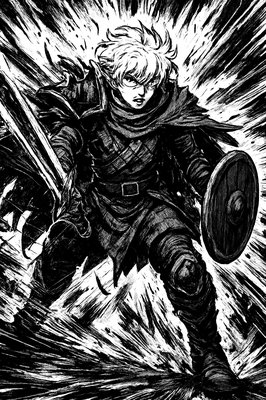
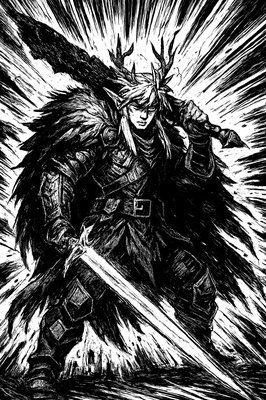
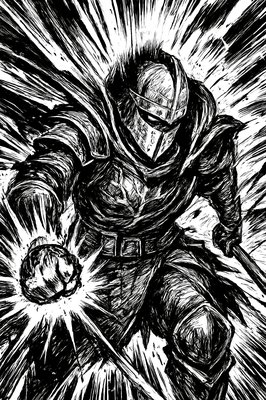
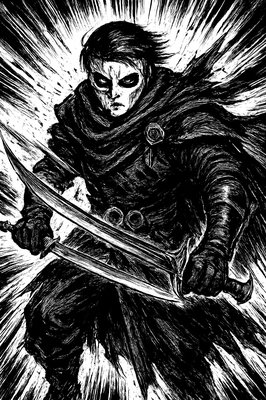
A Painting Of A Man With A Cape Running Art

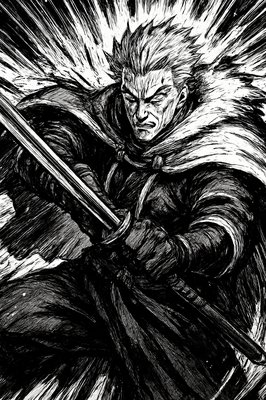
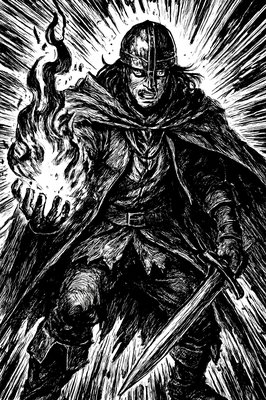
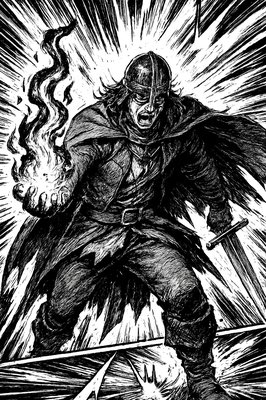
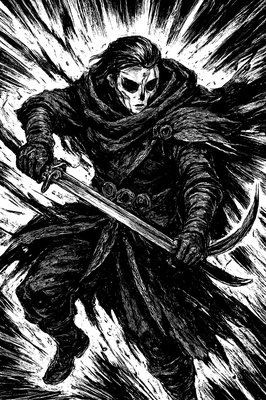
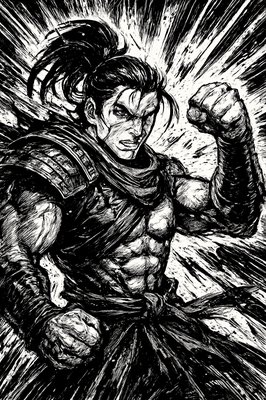
a black and white drawing of a man with a sword
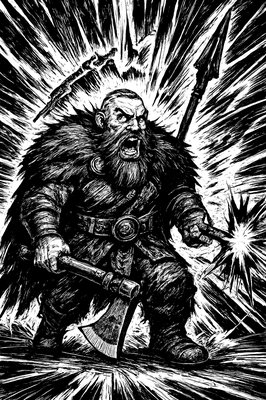
a black and white drawing of a man with a hammer
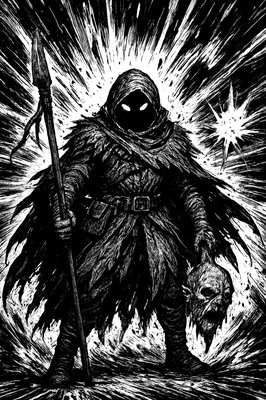
a black and white drawing of a man with a spear
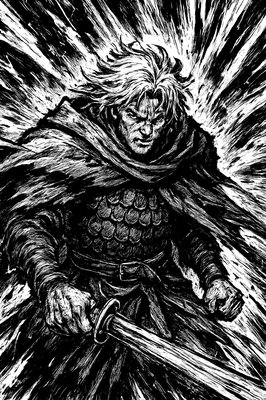
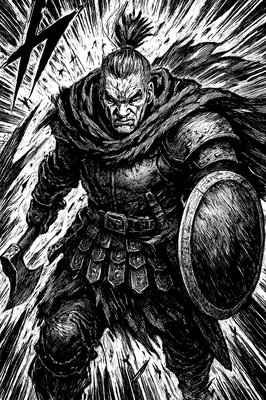
a black and white drawing of a man with a sword
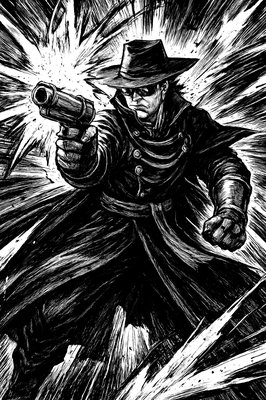
a black and white drawing of a man with a gun
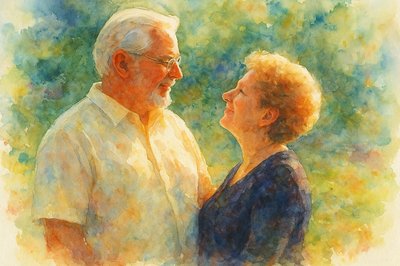
a watercolor painting of a man and a woman
Bottle vase with blue crystal cascade
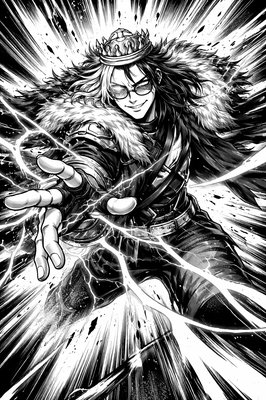
a black and white drawing of a man with a crown on his head
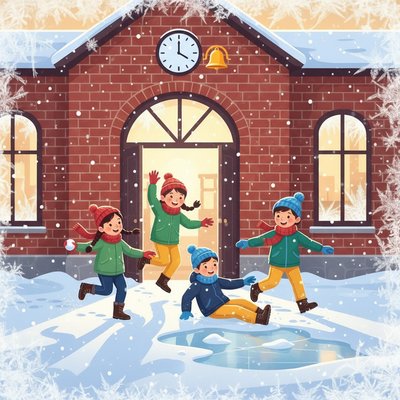
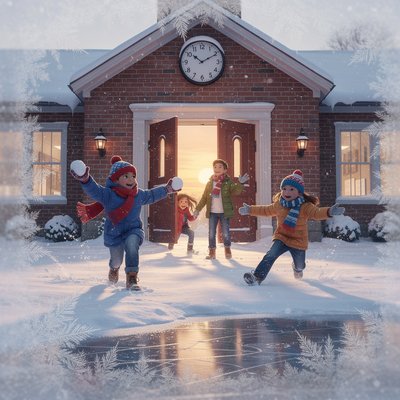
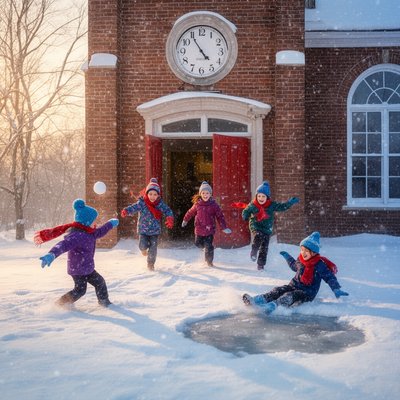
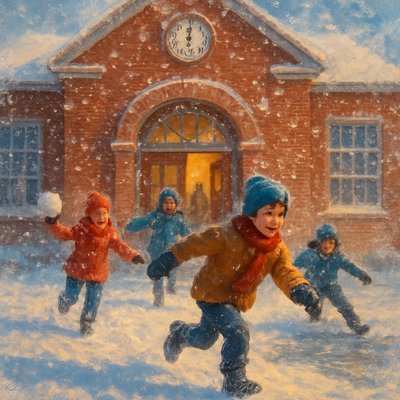
Snow Day Freedom

    A group of four happy children (diverse ages and genders) running excitedly out of the tall, red brick doors of a classic, old-fashioned schoolhouse. The school's clock face shows the final bell time. The atmosphere is pure, exultant freedom and joy.

    Scene Details: Heavy, fluffy snow is falling and has covered the ground in a pristine white blanket. The children are dressed in colorful, bundled winter clothing (red scarves, blue hats). In the foreground, one child is already throwing a perfect snowball, and another is sliding on a patch of ice. The setting sun casts a warm, golden glow on the snow, creating long, blue shadows and sharp contrast, emphasizing the magical quality of the winter afternoon.
Snow Day Freedom

    A group of four happy children (diverse ages and genders) running excitedly out of the tall, red brick doors of a classic, old-fashioned schoolhouse. The school's clock face shows the final bell time. The atmosphere is pure, exultant freedom and joy.

    Scene Details: Heavy, fluffy snow is falling and has covered the ground in a pristine white blanket. The children are dressed in colorful, bundled winter clothing (red scarves, blue hats). In the foreground, one child is already throwing a perfect snowball, and another is sliding on a patch of ice. The setting sun casts a warm, golden glow on the snow, creating long, blue shadows and sharp contrast, emphasizing the magical quality of the winter afternoon.
Snow Day Freedom

    A group of four happy children (diverse ages and genders) running excitedly out of the tall, red brick doors of a classic, old-fashioned schoolhouse. The school's clock face shows the final bell time. The atmosphere is pure, exultant freedom and joy.

    Scene Details: Heavy, fluffy snow is falling and has covered the ground in a pristine white blanket. The children are dressed in colorful, bundled winter clothing (red scarves, blue hats). In the foreground, one child is already throwing a perfect snowball, and another is sliding on a patch of ice. The setting sun casts a warm, golden glow on the snow, creating long, blue shadows and sharp contrast, emphasizing the magical quality of the winter afternoon.
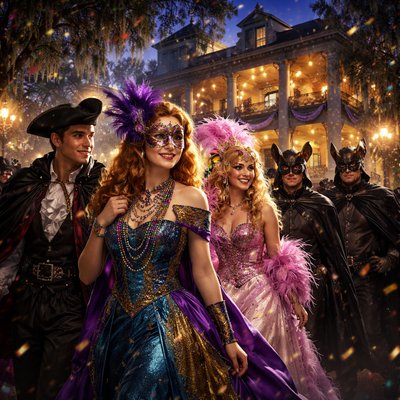
Exterior nighttime scene from Nancy Drew book #81 The Mardi Gras Mystery, the group in full festive costumes arriving at the grand, shadowy Seaton Mansion known as 'Bat Hollow' in New Orleans during Mardi Gras. Teenage detective Nancy Drew leads the way with reddish-blonde hair, wearing an elegant masquerade gown in blue and gold with purple accents, feathered half-mask, strands of colorful beads, and a mysterious smile. Beside her, Ned Nickerson in a dashing tuxedo or pirate-inspired costume with cape and tricorn hat. Bess Marvin (blonde, glamorous) in a sparkling pink feathered ball gown and elaborate headdress, George Fayne (short dark hair, sporty) in a fun jester outfit or adventurous explorer costume with mask. Brian Seaton and his father Bartholomew nearby in partial bat-themed costumes—dark capes, bat-wing collars, eerie masks with pointed ears. The historic Southern mansion looms behind: tall columns, wrought-iron balconies draped with Mardi Gras lights and purple/green/gold banners, flickering lanterns at the entrance, Spanish moss in ancient oaks, subtle bat motifs in the architecture, warm glowing windows hinting at antique interiors and the stolen portrait. Festive yet slightly eerie atmosphere—confetti in the air, distant parade sounds implied, dramatic twilight sky with stars, vibrant colors against gothic shadows. 1980s Nancy Drew book illustration style, adventurous and exciting, detailed costumes and group dynamic, cinematic wide-angle composition, lively holiday energy mixed with subtle suspense."
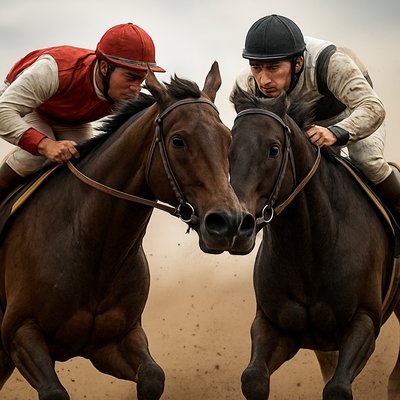
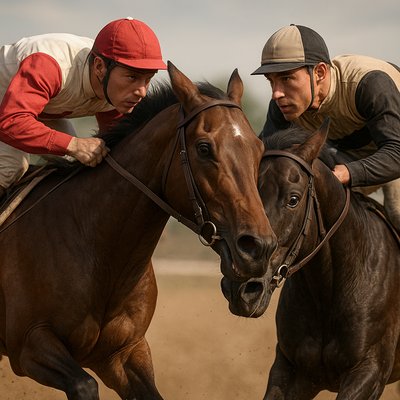
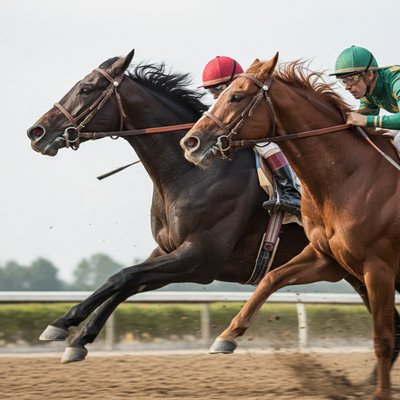
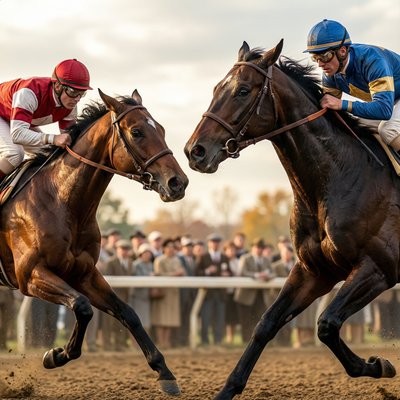
Seabiscuit vs. War Admiral (The Gaze)

    A hyper-realistic, high-resolution photograph capturing the apex of the 1938 match race between Seabiscuit and War Admiral.

    Focus: The composition is tight, showing both horses running neck-and-neck, dominating the frame. The camera angle is side-on and slightly low, emphasizing their size and muscle. The critical focus is on the space between the horses' heads as they are running stride for stride.

    Details: War Admiral (the dark bay) should show determination and slight surprise, with his head stretched out. Seabiscuit (the smaller bay) should display his characteristic "game" look—intense, focused, and seemingly looking directly into War Admiral's eyes (or toward his rival). Both jockeys (Red Pollard or George Woolf for Seabiscuit; Charles Kurtsinger for War Admiral) are visible, leaning low and urging their mounts on.

    Atmosphere: The light should be bright but slightly diffused, suggesting an autumn afternoon at Pimlico. Dust and track debris are kicked up behind them, blurred slightly by the horses' tremendous speed. The image must convey the raw power, intense rivalry, and the exact moment when the smaller horse asserts his dominance.

    Style: Cinematic photography, realistic texture, sharp focus on the horses' eyes and muscle definition.
Seabiscuit vs. War Admiral (The Gaze)

    A hyper-realistic, high-resolution photograph capturing the apex of the 1938 match race between Seabiscuit and War Admiral.

    Focus: The composition is tight, showing both horses running neck-and-neck, dominating the frame. The camera angle is side-on and slightly low, emphasizing their size and muscle. The critical focus is on the space between the horses' heads as they are running stride for stride.

    Details: War Admiral (the dark bay) should show determination and slight surprise, with his head stretched out. Seabiscuit (the smaller bay) should display his characteristic "game" look—intense, focused, and seemingly looking directly into War Admiral's eyes (or toward his rival). Both jockeys (Red Pollard or George Woolf for Seabiscuit; Charles Kurtsinger for War Admiral) are visible, leaning low and urging their mounts on.

    Atmosphere: The light should be bright but slightly diffused, suggesting an autumn afternoon at Pimlico. Dust and track debris are kicked up behind them, blurred slightly by the horses' tremendous speed. The image must convey the raw power, intense rivalry, and the exact moment when the smaller horse asserts his dominance.

    Style: Cinematic photography, realistic texture, sharp focus on the horses' eyes and muscle definition.
Seabiscuit vs. War Admiral (The Gaze)

    A hyper-realistic, high-resolution photograph capturing the apex of the 1938 match race between Seabiscuit and War Admiral.

    Focus: The composition is tight, showing both horses running neck-and-neck, dominating the frame. The camera angle is side-on and slightly low, emphasizing their size and muscle. The critical focus is on the space between the horses' heads as they are running stride for stride.

    Details: War Admiral (the dark bay) should show determination and slight surprise, with his head stretched out. Seabiscuit (the smaller bay) should display his characteristic "game" look—intense, focused, and seemingly looking directly into War Admiral's eyes (or toward his rival). Both jockeys (Red Pollard or George Woolf for Seabiscuit; Charles Kurtsinger for War Admiral) are visible, leaning low and urging their mounts on.

    Atmosphere: The light should be bright but slightly diffused, suggesting an autumn afternoon at Pimlico. Dust and track debris are kicked up behind them, blurred slightly by the horses' tremendous speed. The image must convey the raw power, intense rivalry, and the exact moment when the smaller horse asserts his dominance.

    Style: Cinematic photography, realistic texture, sharp focus on the horses' eyes and muscle definition.
Seabiscuit vs. War Admiral (The Gaze)

    A hyper-realistic, high-resolution photograph capturing the apex of the 1938 match race between Seabiscuit and War Admiral.

    Focus: The composition is tight, showing both horses running neck-and-neck, dominating the frame. The camera angle is side-on and slightly low, emphasizing their size and muscle. The critical focus is on the space between the horses' heads as they are running stride for stride.

    Details: War Admiral (the dark bay) should show determination and slight surprise, with his head stretched out. Seabiscuit (the smaller bay) should display his characteristic "game" look—intense, focused, and seemingly looking directly into War Admiral's eyes (or toward his rival). Both jockeys (Red Pollard or George Woolf for Seabiscuit; Charles Kurtsinger for War Admiral) are visible, leaning low and urging their mounts on.

    Atmosphere: The light should be bright but slightly diffused, suggesting an autumn afternoon at Pimlico. Dust and track debris are kicked up behind them, blurred slightly by the horses' tremendous speed. The image must convey the raw power, intense rivalry, and the exact moment when the smaller horse asserts his dominance.

    Style: Cinematic photography, realistic texture, sharp focus on the horses' eyes and muscle definition.
Siu Zi is a 10 year old Chinese girl in Guangzhou. Late one humid evening, Siu Zi's father meets with a discreet man known simply as Mr. Chen.  In a quiet corner of a small teahouse near the back alleys of Guangzhou, Mr. Chen explains, in careful whispers, how he can help the family obtain the documents they needed to leave the country safely. Other patrons are in the teahouse, and a waiter stands nearby, but nobody can hear what Mr. Chen is saying.  It's safe to talk here.
Snow Day Freedom

    A group of four happy children (diverse ages and genders) running excitedly out of the tall, red brick doors of a classic, old-fashioned schoolhouse. The school's clock face shows the final bell time. The atmosphere is pure, exultant freedom and joy.

    Scene Details: Heavy, fluffy snow is falling and has covered the ground in a pristine white blanket. The children are dressed in colorful, bundled winter clothing (red scarves, blue hats). In the foreground, one child is already throwing a perfect snowball, and another is sliding on a patch of ice. The setting sun casts a warm, golden glow on the snow, creating long, blue shadows and sharp contrast, emphasizing the magical quality of the winter afternoon.
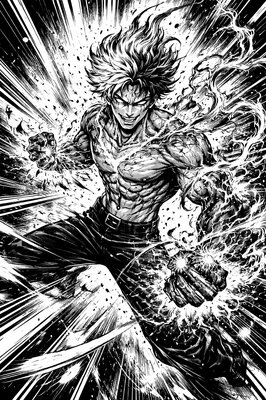
a black and white drawing of a man running through water
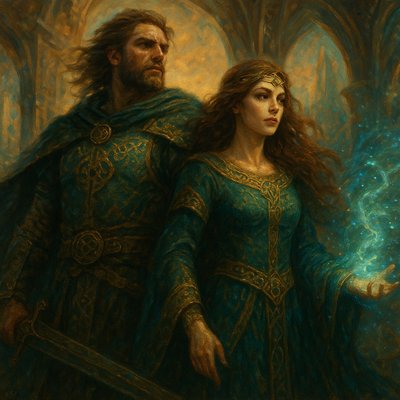
good man and good woman
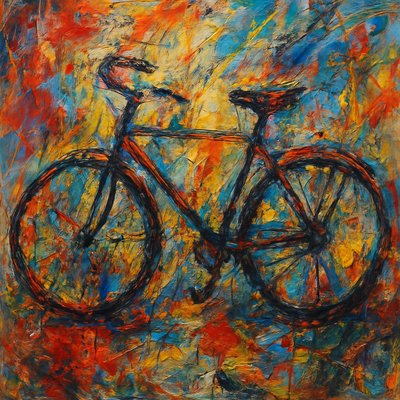
Abstract Expressionist Modern Art Style Style Transfer Example
bicyle resting against a wall
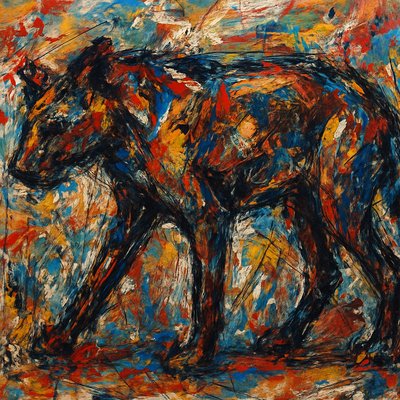
animal standing in natural pose
wide landscape with natural scenery
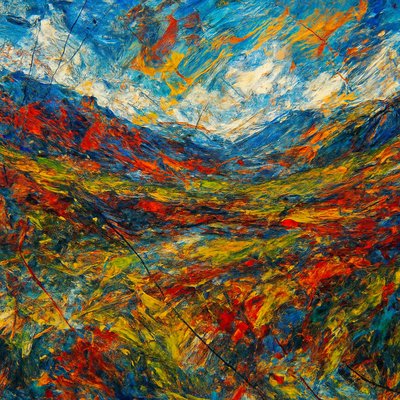
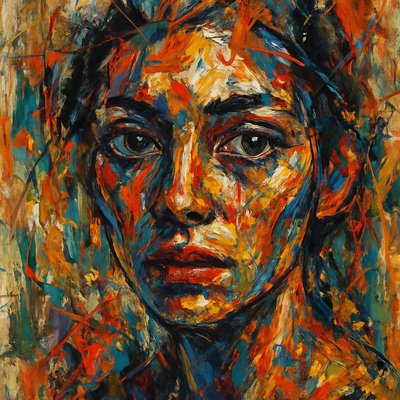
portrait of a person with expressive eyes
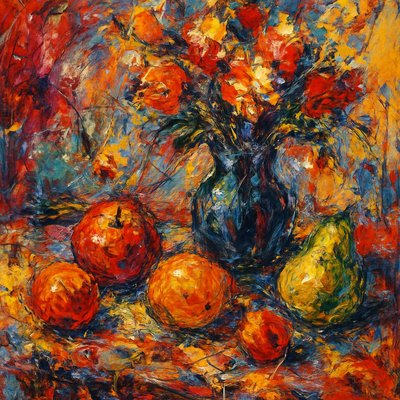
still life arrangement of fruits and flowers
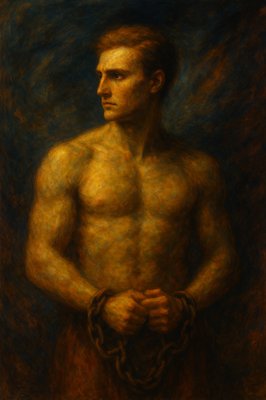
a painting of a shirtless man holding a rope
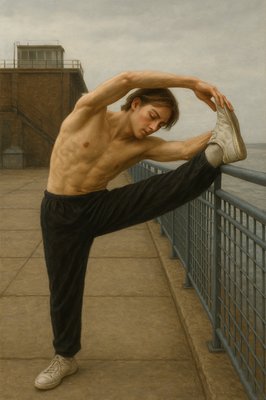
a painting of a shirtless man leaning on a railing
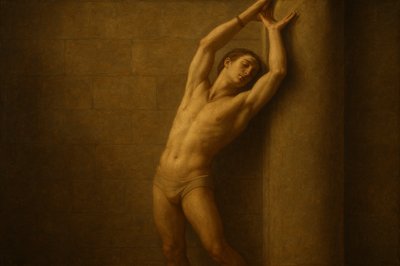
a painting of a naked man leaning against a wall