A Painting Of A Man Standing In Front Of A Group Of Men Art

“So all the men of Israel were gathered against the city, knit together as one man.” (Judges 20:11, KJV)
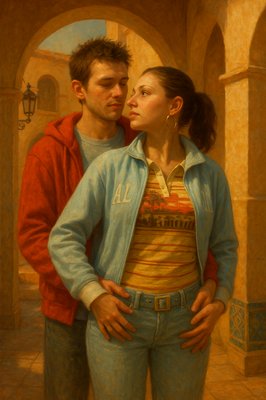
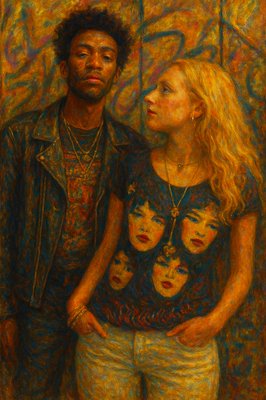
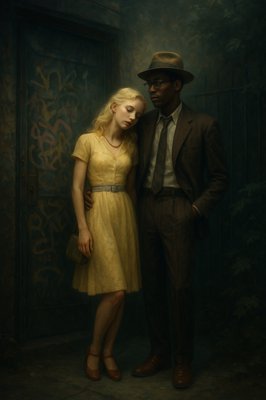
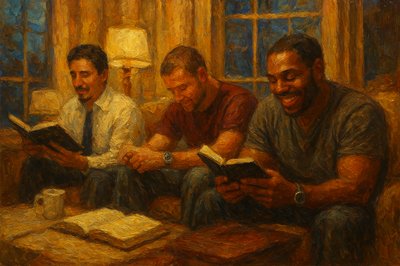
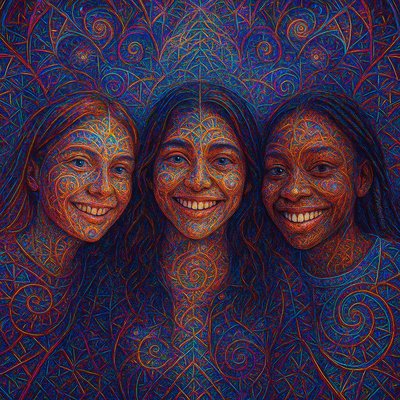
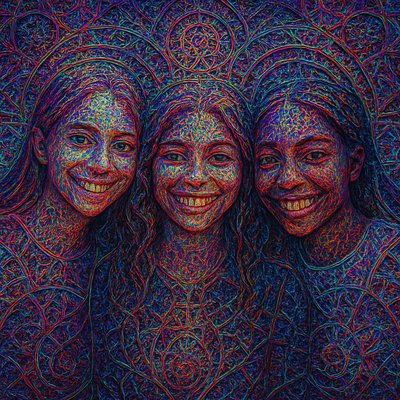
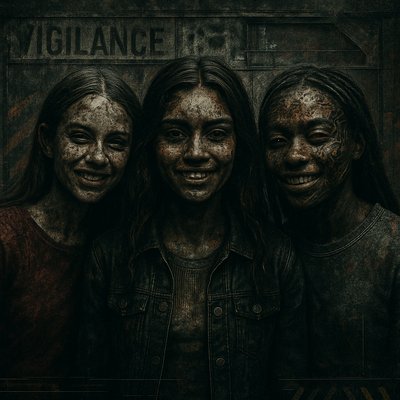
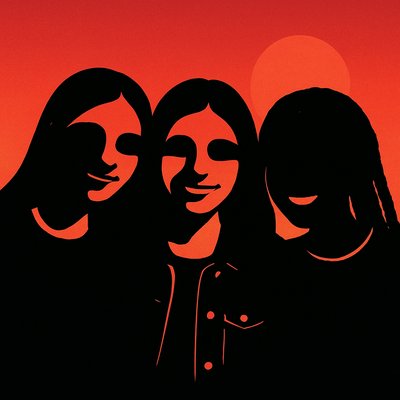
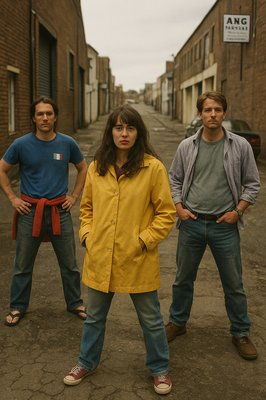
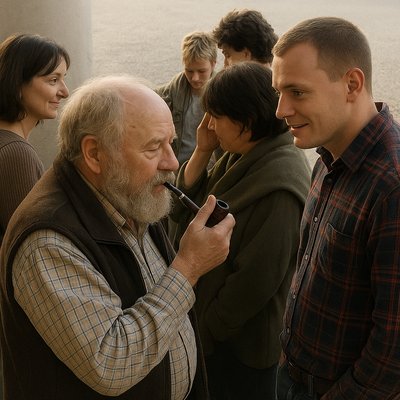
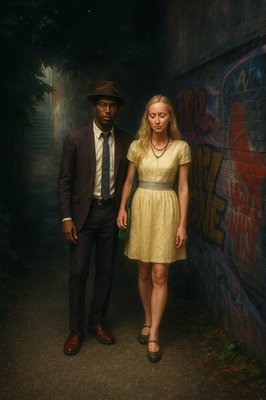
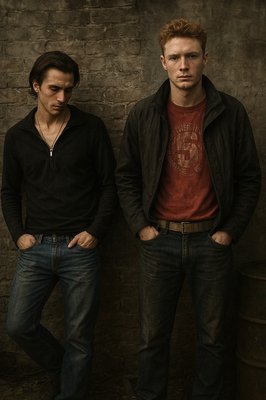
Group composition reflecting on contemporary social dynamics in the art style of New European Painting --v 6.1
A wide, cinematic shot of six valiant ancient Hebrew warriors, the sons of Tola, standing in a vast desert valley. Each man is dressed in majestic tunics and sashes of deep scarlet, representing the Tola (scarlet worm) dye.Uzzi (My Strength): A massive, hulking commander in bronze-plated leather armor, prominently holding a modern tactical Uzi submachine gun with gold-inlay Hebrew engravings.

Jahmai (God Guards): Wrapped in a shimmering, protective golden aura that glows against his red robes.

Jibsam (Fragrant): Holding a golden censer emitting thick, fragrant clouds of white and scarlet-tinted incense. Shemuel (Heard of God): Posed in a moment of stillness, hand cupped to his ear as a faint golden light enters his mind.

Jeriel (Founded by God): Standing firmly atop a massive, ancient cornerstone carved with kermes oak branches.

Rephaiah (God Heals): Holding a wooden staff entwined with medicinal herbs and blooming red flowers. In the background, a massive army of 22,600 soldiers, all wearing scarlet standards, stretches to the horizon. High-contrast lighting, dramatic sunset, grit and hyper-detail, 8k resolution, biblical epic style. No text or letters on screen. Each man should look unique not cloned.
A majestic, golden-maned lion standing alone in a dark, empty void. The lion's mouth is open in a calm, melodic song. From his breath, golden ripples of light flow outward, transforming into stars, a rising sun, and lush green grass erupting from the shadows. High fantasy style, cinematic lighting, ethereal glow, divine atmosphere, 8k resolution.
A hyper-realistic, documentary-style photograph of the ancient Hebrew army from Judges 20:11. The low-angle perspective is within the ranks, showing thousands of battle-hardened men in leather and bronze armor. Focus on a tight group of soldiers actively clamping and interlocking their massive, round bronze-faced shields. Their muscles are strained, veins bulging, as they grip the shield edges and spear shafts, physically causing themselves to be fused into one solid unit (Hithpalpel causative-reflexive action). The pattern repeats (Reduplication) in an endless, rhythmic grid of humanity and metal. Dust rises, sweat glistens, faces are set in absolute, synchronized determination. Cinematic golden hour lighting (the vivid amber-orange of a Jerusalem sunset) catches the edges of the bronze, adding intense color and depth. Shallow depth of field, incredible historical texture, 8k resolution.
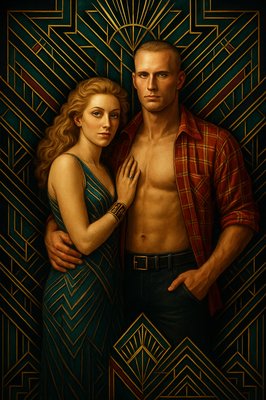
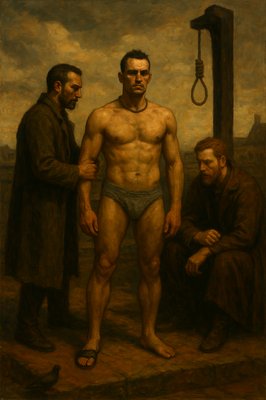
a painting of a man with no shirt on
A hyper-realistic, documentary-style photograph of the ancient Hebrew army from Judges 20:11. The low-angle perspective is within the ranks, showing thousands of battle-hardened men in leather and bronze armor. Focus on a tight group of soldiers actively clamping and interlocking their massive, round bronze-faced shields. Their muscles are strained, veins bulging, as they grip the shield edges and spear shafts, physically causing themselves to be fused into one solid unit (Hithpalpel causative-reflexive action). The pattern repeats (Reduplication) in an endless, rhythmic grid of humanity and metal. Dust rises, sweat glistens, faces are set in absolute, synchronized determination. Cinematic golden hour lighting (the vivid amber-orange of a Jerusalem sunset) catches the edges of the bronze, adding intense color and depth. Shallow depth of field, incredible historical texture, 8k resolution.
A human pastor wearing a suit with a big cross necklace, standing in front of a beautiful cathedral in a forest city as the sun rises in the distance
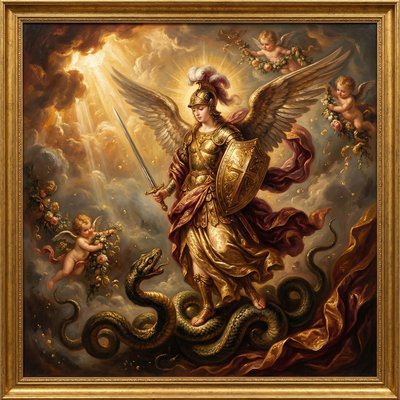
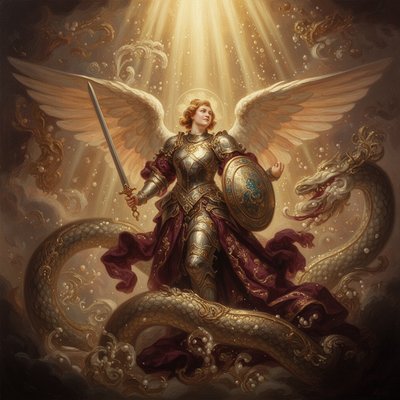
a painting of a man with a helmet and sword
animal standing in natural pose
Group composition reflecting on contemporary social dynamics in the art style of New European Painting --v 6.1
"A historically accurate depiction of a Ghost Dance, focusing on the late 19th-century context, specifically around 1890-1891. The scene shows Lakota (Sioux) or Northern Paiute people (specify one or include elements of both, but avoid anachronisms) participating in the ceremony.

Setting: A vast, open prairie or high desert landscape, under an expansive sky. The time of day could be dusk or night, with a prominent moon or stars, or a bright, clear day. Avoid overtly spiritual or ethereal elements like floating spirits unless explicitly requested for a later, more symbolic iteration. The focus should be on the earthly ceremony.

Participants: A circle of men, women, and children, hand-in-hand, moving in a slow, rhythmic shuffle or circular motion. Their faces show a mixture of devotion, hope, and determination. Some may have expressions of trance or deep concentration.

Attire:

    Ghost Dance Shirts/Dresses: Emphasize the unique Ghost Dance shirts and dresses, which were typically made of muslin or canvas. These garments should feature painted designs such as stars, crescents, birds (especially eagles or crows), buffalo, human figures, or crosses. The designs should appear hand-painted, not mass-produced.

    Hair and Adornments: Participants should have braided hair or wear it long. Some may wear feathers (e.g., eagle or hawk feathers) in their hair. Minimal traditional adornments, as the focus was often on the Ghost Dance shirt itself. Avoid overly elaborate or Hollywood-esque depictions of war bonnets unless relevant to a specific individual and context.

    Footwear: Moccasins or bare feet.

Action/Atmosphere:

    The dancers are moving in a counter-clockwise circle, with a central figure or a small group often leading.

    The overall mood is one of earnest prayer and communal spiritual effort. The dance should convey a sense of hope for renewal and the return of the old ways, rather than aggression or despair.

    There might be a central pole or small fire as a focal point, around which the dance takes place.

    Avoid any signs of direct conflict or violence; the Ghost Dance itself was a non-violent spiritual movement.

Specific Considerations for Accuracy:

    Wovoka's Influence: The teachings of Wovoka (the Northern Paiute prophet) emphasized peace, hard work, and the return of the buffalo and deceased ancestors. The scene should subtly reflect this hopeful, redemptive spirit.

    Regional Variations: If focusing on Lakota, consider their specific interpretations, which sometimes included more imagery related to their warrior traditions on the shirts, but still within the peaceful framework of the dance.
    Respectful Portrayal: Ensure the depiction is respectful and avoids any stereotypical or caricatured representations of Indigenous people. Focus on their human dignity and spiritual sincerity.
a painting of a man holding a rope
a painting of a man sitting at a table with a tablet
a painting of a man with a horned head holding a spear
a painting of a market scene with a man selling fruit
a painting of a shirtless man doing karate
a painting of a man holding a stick in a tunnel
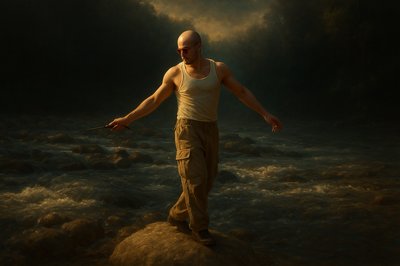
a painting of a man with his arms outstretched
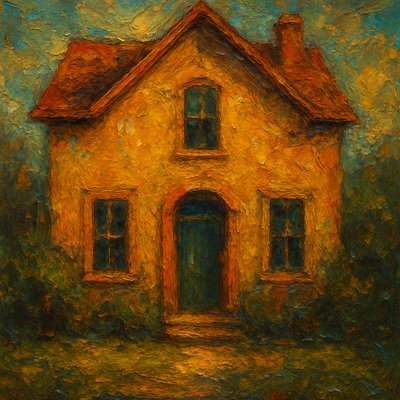
house with front view
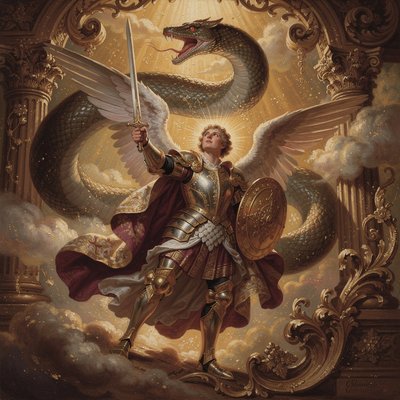
a painting of a man with angel wings
a painting of a man wearing a hat and a scarf
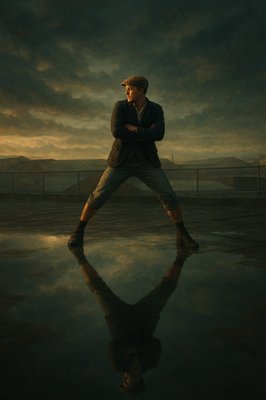
a painting of a man leaning on a fence
a painting of a man holding a soccer ball
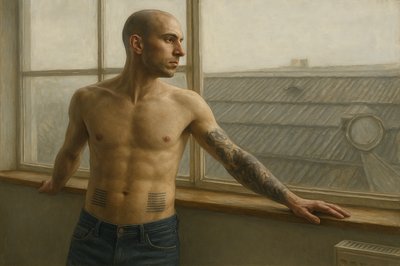
a painting of a man sitting on a window sill
a painting of a man in a white underwear
a painting of a man leaning on a fence
a painting of a man doing a trick on a skateboard
a painting of a man holding a bow and arrow
a painting of a man jumping in the air
a painting of a man with a knife in his hand
a painting of a man holding a ball
a painting of a man floating in the air
house with front view
A young couple with two children stand in front of a wall-sized world map, facing the map.  The young father is interested in Africa.  The young mother is wearing a backpack and one of the children is a baby that she's carrying in her arms.