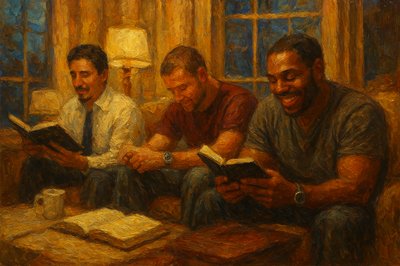
A Painting Of A Man Sitting At A Table With A Book Art

a painting of a woman sitting on the ground
a painting of a man with a bow and two other men
a painting of a man with a bow and arrow
a painting of a man with a turban on his head
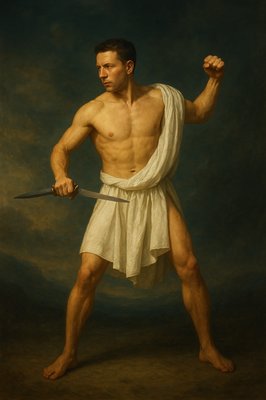
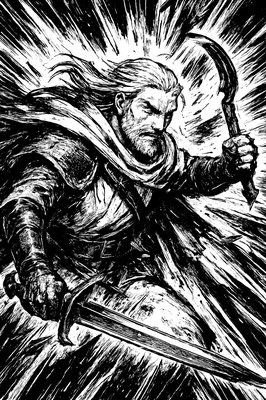
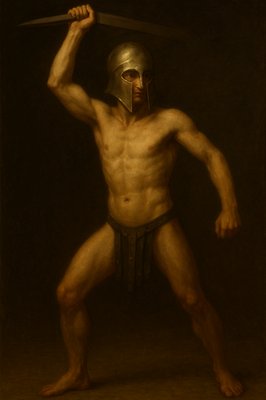
a painting of a man with a knife in his hand
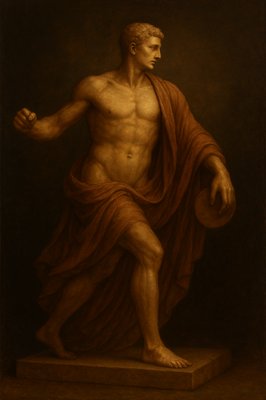
a painting of a man with a ball in his hand
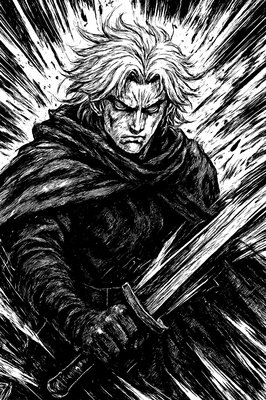
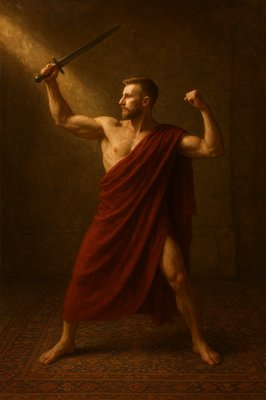
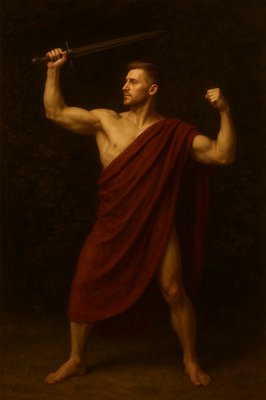
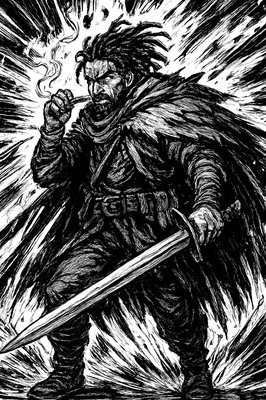
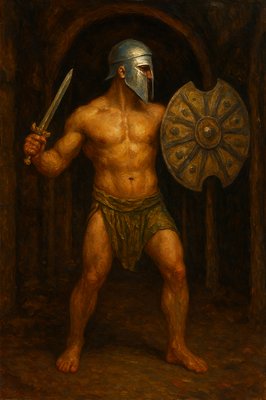
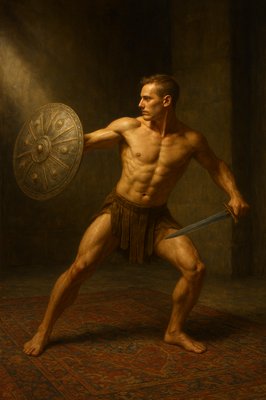
a painting of a man with a sword in his hand
a man sitting in a lotus position with a lit candle in his hand
a man sitting on a dock with a fishing rod
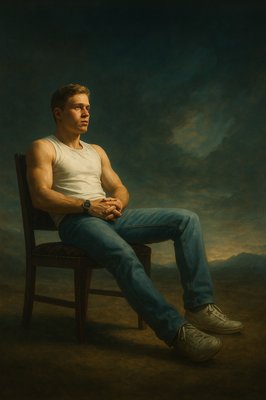
a man sitting on a chair with a turtle on his shoulders
A historically accurate and atmospheric depiction of the signing of the Mayflower Compact aboard the ship in November 1620. The scene is set in the dimly lit, cramped cabin of the Mayflower, with the ship's timbers and rigging subtly visible, conveying the challenging conditions of the voyage. A simple table or chest serves as the signing surface. The primary focus is on a small group of the last individuals signing the document: specifically, the indentured servants (or 'strangers' not directly part of the Separatist congregation) approaching or at the table. Their expressions show a mix of weary determination, understanding of the necessity, and perhaps a hint of quiet apprehension or resignation to this new social contract, given their status. They are dressed in the plain, practical clothing typical of 17th-century commoners and laborers. Figures of prominent Pilgrims or 'Saints' (like William Bradford or John Carver) are visible in the background, observing the proceedings with a sense of gravity and leadership, but they are not the central focus. The lighting is low and warm, perhaps from a lantern, creating a chiaroscuro effect that highlights the faces of the signers. The atmosphere conveys the momentousness of the act under difficult circumstances, the diverse composition of the group, and the early seeds of self-governance in a new world. The artistic style is a realistic, historically detailed oil painting, capturing the solemnity and human element of this pivotal historical moment."
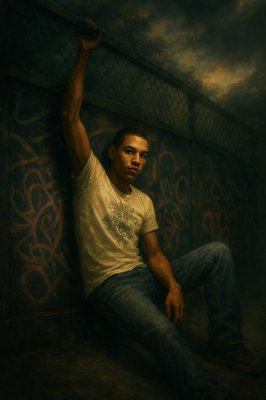
a man sitting against a wall with his hands on his knees
a painting of a man in a hooded suit with a cross on his chest
a painting of a man standing in front of a window with a bird flying over
a drawing of a man reading a book
a man standing next to a woman sitting on a red chair
A historically accurate and atmospheric depiction of the signing of the Mayflower Compact aboard the ship in November 1620. The scene is set in the dimly lit, cramped cabin of the Mayflower, with the ship's timbers and rigging subtly visible, conveying the challenging conditions of the voyage. A simple table or chest serves as the signing surface. The primary focus is on a small group of the last individuals signing the document: specifically, the indentured servants (or 'strangers' not directly part of the Separatist congregation) approaching or at the table. Their expressions show a mix of weary determination, understanding of the necessity, and perhaps a hint of quiet apprehension or resignation to this new social contract, given their status. They are dressed in the plain, practical clothing typical of 17th-century commoners and laborers. Figures of prominent Pilgrims or 'Saints' (like William Bradford or John Carver) are visible in the background, observing the proceedings with a sense of gravity and leadership, but they are not the central focus. The lighting is low and warm, perhaps from a lantern, creating a chiaroscuro effect that highlights the faces of the signers. The atmosphere conveys the momentousness of the act under difficult circumstances, the diverse composition of the group, and the early seeds of self-governance in a new world. The artistic style is a realistic, historically detailed oil painting, capturing the solemnity and human element of this pivotal historical moment."
a painting of a person holding a book and a magnifying glass
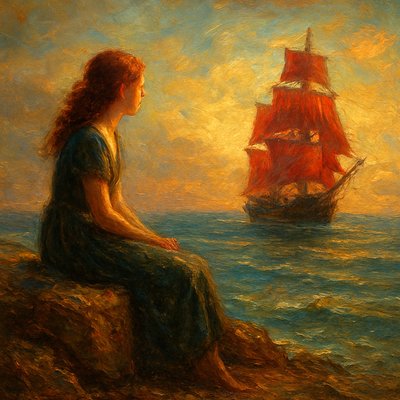
a girl sitting on a rock looking at the sea with a big ship with red sails on the horizon
Christ Pantocrator with gospel book
Inside a large office building in London, on the 5th floor, Wing Sun's father, a Chinese Malaysian man in his 30s, speaks to his counterpart in the company, and English man, about business.  Other workers are seated at their desks and standing at a copy machine.  There are some Black people, but mostly British.  One whole wall of the room is glass and we can see something of London outside.
a painting of two men sitting in a cave
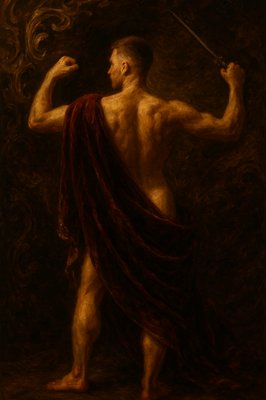
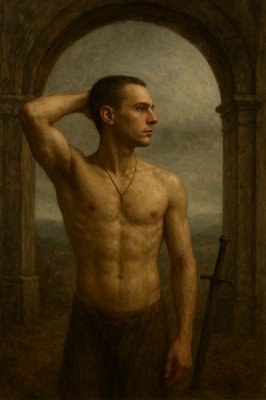
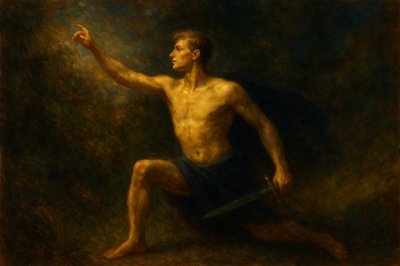
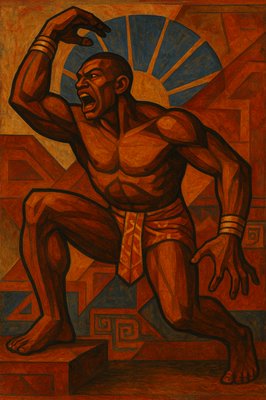
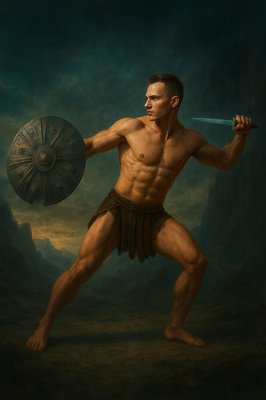
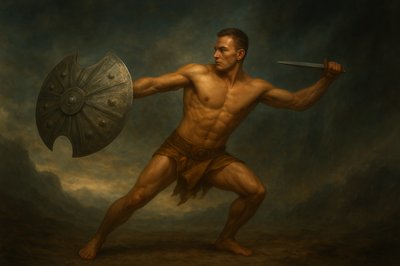
a painting of a man with no shirt on
a painting of jesus holding a book
a painting of jesus holding a book and a heart
Generate obstetricus man, dermatologist, pediatrist girl, and dentistry girl in one abstract image
a painting of a skeleton holding a book
a painting of a man holding a bow and arrow
a painting of a man jumping in the air
a painting of a man standing on a beach
a painting of a man standing next to a demon
a painting of a man standing on a beach
a painting of a man holding a ball
a painting of a man floating in the air
a painting of a man holding a rope
a painting of a shirtless man doing karate
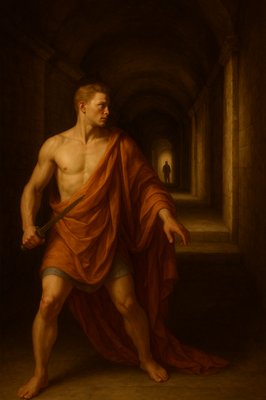
a painting of a man holding a stick in a tunnel
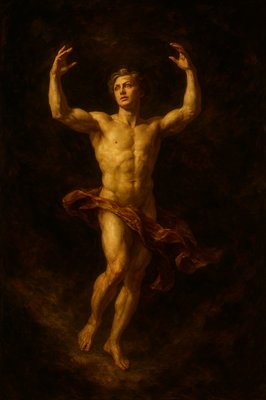
a painting of a man with his arms outstretched
Whimsical Storybook Illustration Style, Soft Pastel Color Palette, Dreamy Atmosphere. A charming, heartwarming scene featuring a magical creature, rendered with gentle textures and colored pencil lines.

The Kitten: An impossibly fluffy, cream-colored kitten with enormous, round, sparkling blue eyes and tiny pink paws. It is sitting upright on a soft, mossy cloud, looking at its tail with a delighted, surprised expression.

The Wings: Sprouting from its back are two small, incredibly soft angel wings with white feathers that have a gentle, pearlescent sheen. They look slightly too big for its tiny body, giving it a clumsy sort of grace.

The Magic Tail (The Wand): The tail is long and expressive. Instead of a normal furry tip, the end of its tail is a swirling, glowing orb of concentrated magical energy—soft golds, rosy pinks, and powder blues. The kitten is swishing its tail forward just like a wizard waves a wand.