A Painting Of A Man Riding A Bicycle Art

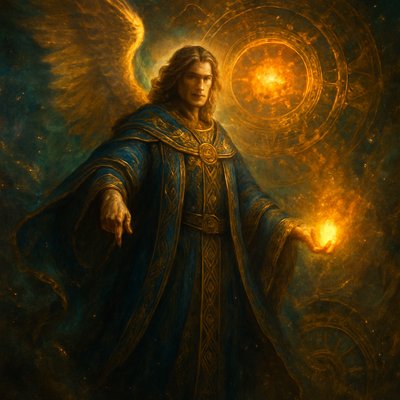
"Uriel, the Angel of Light and Wisdom from the Book of Enoch, a majestic celestial guide, standing amidst swirling cosmic dust and ethereal nebulae. His form radiates intense, pure light. He gestures towards a hidden cosmic mechanism, revealing ancient knowledge, holding a flaming orb of pure light. Robes of deep sapphire blue and radiant gold, adorned with ancient symbols. Serene, knowing face, eyes glimmering with cosmic insight. Behind him, celestial gears and the fiery essence of the sun. Hyperrealistic digital painting, divine luminosity, epic detailed, cinematic lighting, cosmic gradients."
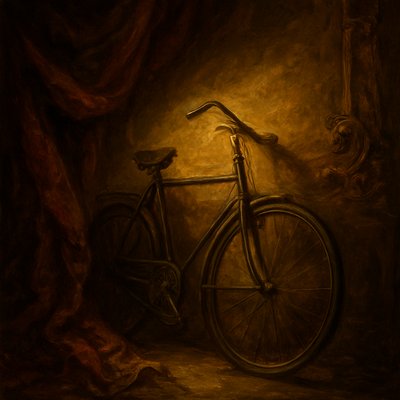
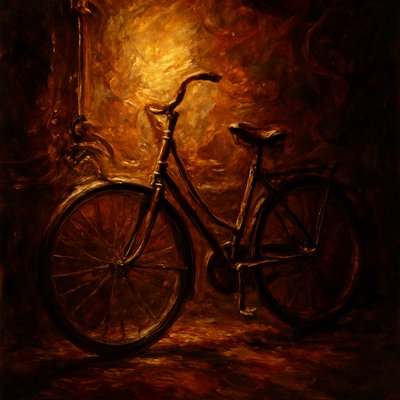
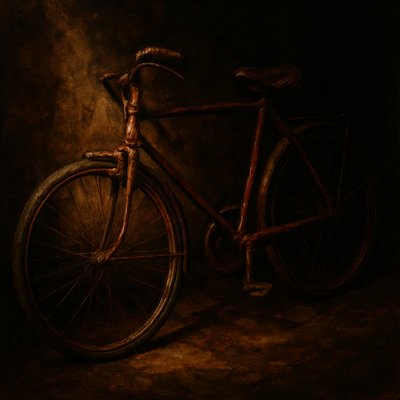
bicyle resting against a wall
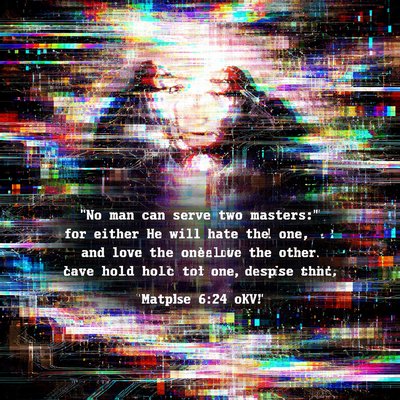
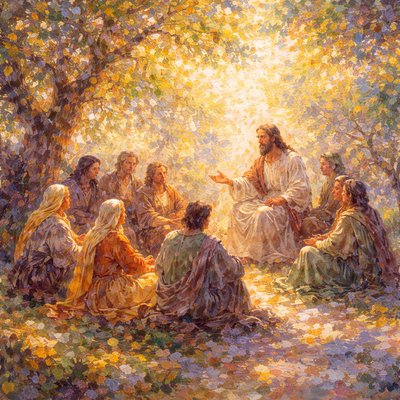
Matthew 6:24 (KJV)
24 No man can serve two masters: for either he will hate the one, and love the other; or else he will hold to the one, and despise the other.
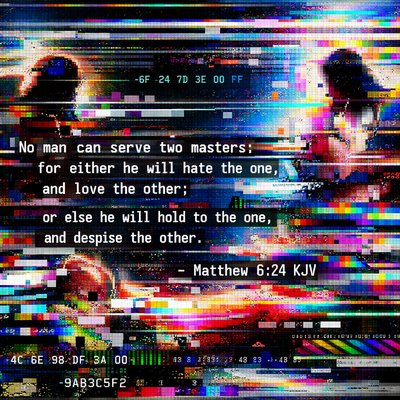
Matthew 6:24 (KJV)
24 No man can serve two masters: for either he will hate the one, and love the other; or else he will hold to the one, and despise the other.
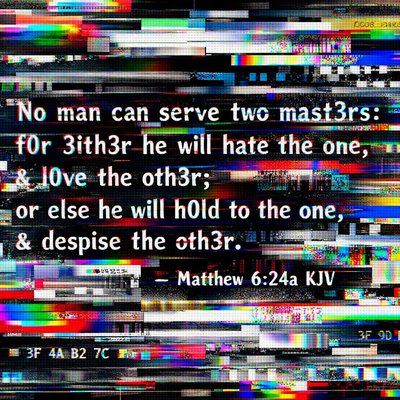
Matthew 6:24a (KJV)
24 No man can serve two masters: for either he will hate the one, and love the other; or else he will hold to the one, and despise the other.
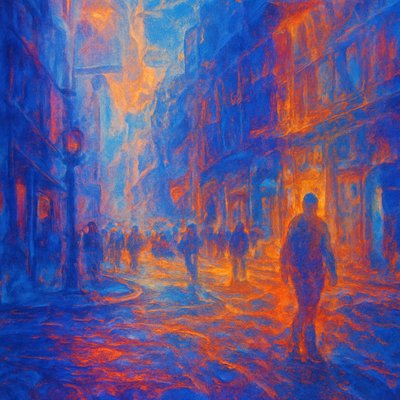
urban street with city activity
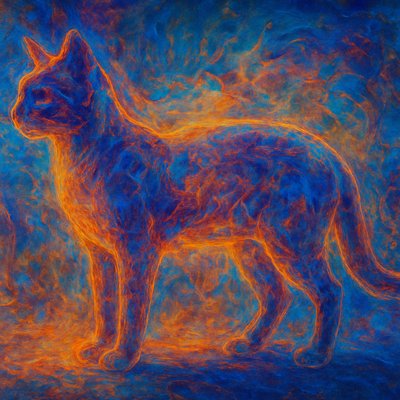
animal standing in natural pose
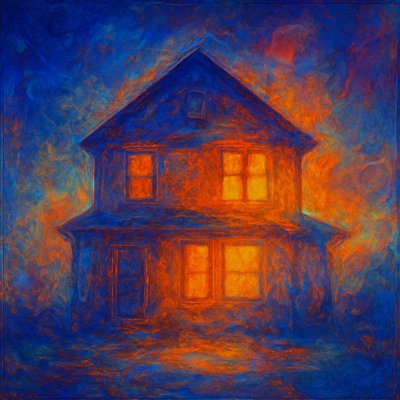
house with front view
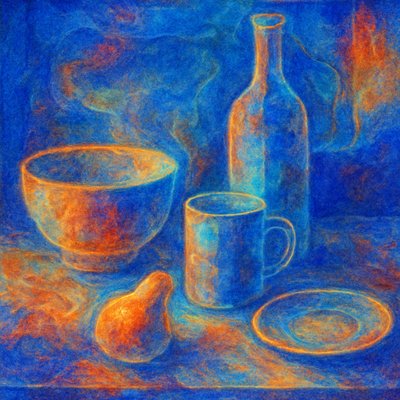
still life with everyday objects
wide landscape with natural scenery
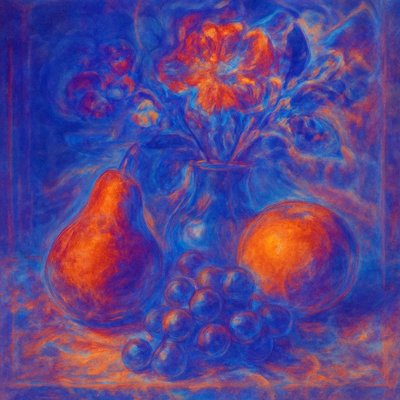
still life arrangement of fruits and flowers
Sunset
New York City
Series of paintings depicting same subject at different times in the art style of Post-Impressionism --v 6.1
Swordsman at sunrise temple
A village festival
Photographic documentation of temporary body painting in the art style of Body Art --v 6.1
Deliberately provocative and illogical painting in the art style of Dada --v 6.1
Cubist interpretation of a classic painting in the art style of Cubism --v 6.1
Series of paintings depicting same subject at different times in the art style of Post-Impressionism --v 6.1
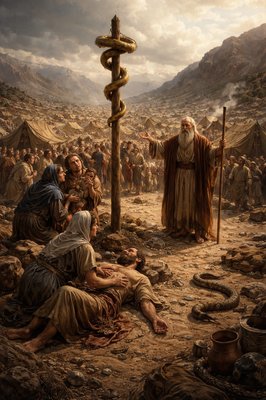
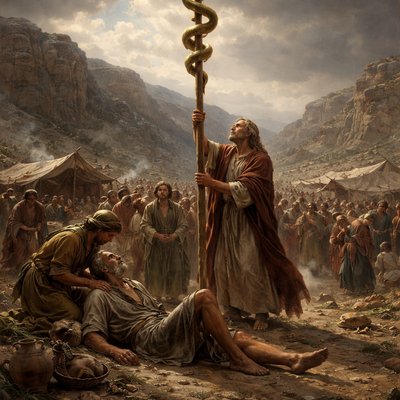
“And Moses made a serpent of brass, and put it upon a pole, and it came to pass, that if a serpent had bitten any man, when he beheld the serpent of brass, he lived.” (Numbers 21:9, KJV)
“That their hearts might be comforted, being knit together in love, and unto all riches of the full assurance of understanding, to the acknowledgement of the mystery of God, and of the Father, and of Christ; In whom are hid all the treasures of wisdom and knowledge. And this I say, lest any man should beguile you with enticing words. For though I be absent in the flesh, yet am I with you in the spirit, joying and beholding your order, and the stedfastness of your faith in Christ.” (Colossians 2:2-5, KJV)
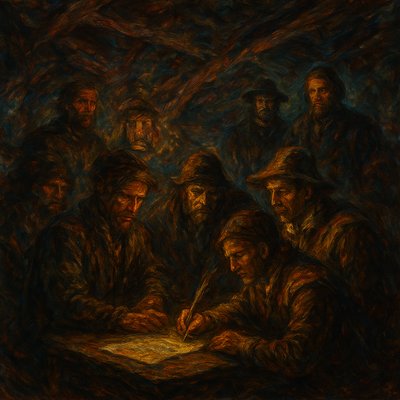
A historically accurate and atmospheric depiction of the signing of the Mayflower Compact aboard the ship in November 1620. The scene is set in the dimly lit, cramped cabin of the Mayflower, with the ship's timbers and rigging subtly visible, conveying the challenging conditions of the voyage. A simple table or chest serves as the signing surface. The primary focus is on a small group of the last individuals signing the document: specifically, the indentured servants (or 'strangers' not directly part of the Separatist congregation) approaching or at the table. Their expressions show a mix of weary determination, understanding of the necessity, and perhaps a hint of quiet apprehension or resignation to this new social contract, given their status. They are dressed in the plain, practical clothing typical of 17th-century commoners and laborers. Figures of prominent Pilgrims or 'Saints' (like William Bradford or John Carver) are visible in the background, observing the proceedings with a sense of gravity and leadership, but they are not the central focus. The lighting is low and warm, perhaps from a lantern, creating a chiaroscuro effect that highlights the faces of the signers. The atmosphere conveys the momentousness of the act under difficult circumstances, the diverse composition of the group, and the early seeds of self-governance in a new world. The artistic style is a realistic, historically detailed oil painting, capturing the solemnity and human element of this pivotal historical moment."
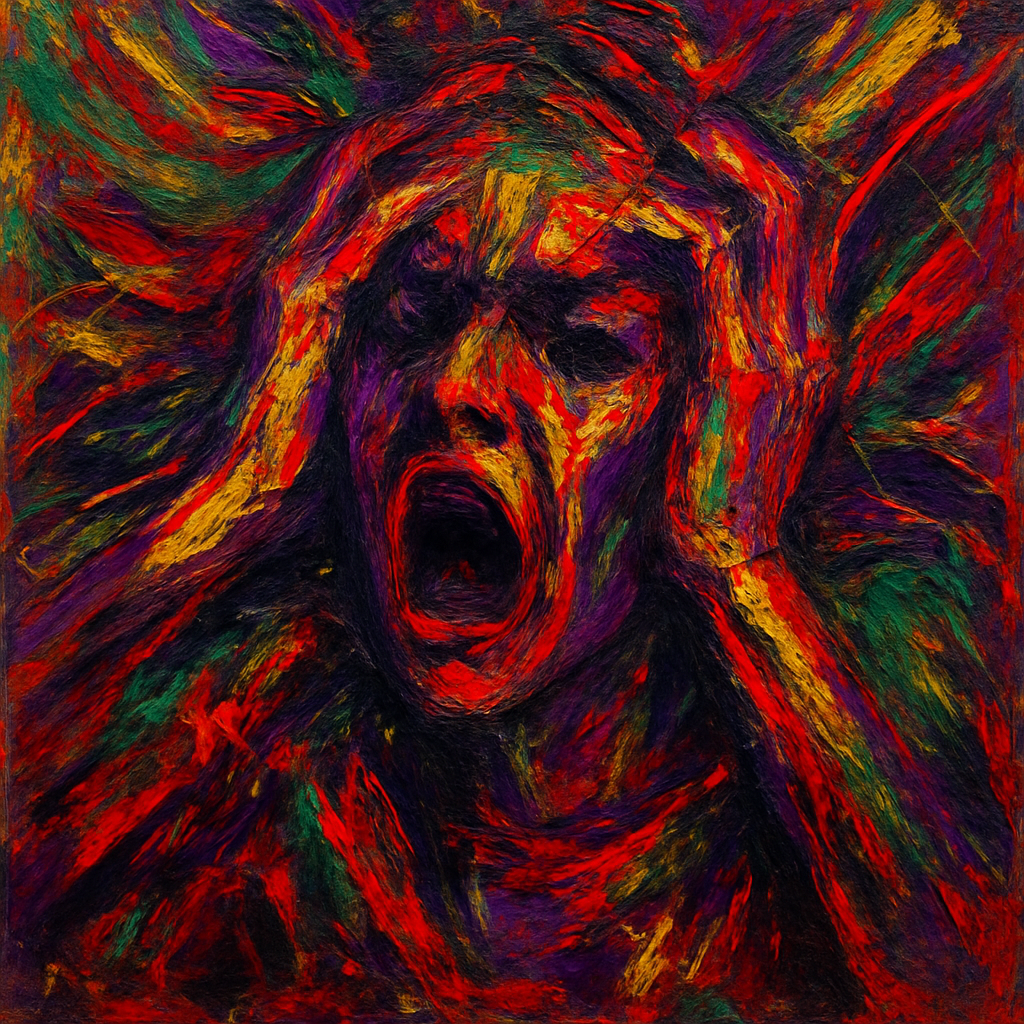
Anxiety attack
A person working from home
A still life with fruit and silver
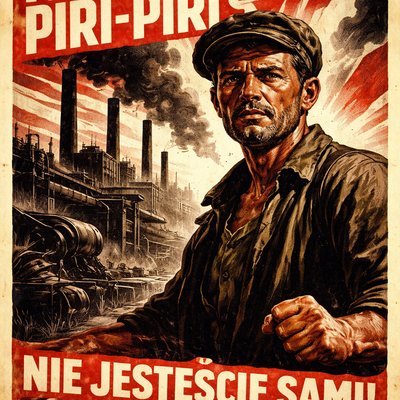
A dramatic Soviet-style propaganda poster.
Depict a poor, sad working-class man in worn clothes, with a tired but dignified expression on his face. He stands in the foreground, slightly turned toward the viewer.
In the background: a large industrial factory with smokestacks, heavy machinery, and dark smoke rising into the sky.
The atmosphere is serious, emotional, and ideological — showing hardship, struggle, and hope for liberation.
Strong socialist realism style inspired by classic USSR propaganda posters from the 1930s–1950s.
Bold shapes, high contrast, limited color palette (red, black, beige, muted yellow).
Sharp lines, heroic composition, dramatic lighting.
Add a bold propaganda slogan in clear, vintage typography:
“Proletariusze Piri-Piri — nie jesteście sami!”
The text should be prominent and integrated into the poster design.
No modern elements, no realism photography — illustrated, painterly propaganda art style.
Photographic documentation of temporary body painting in the art style of Body Art --v 6.1
Deliberately provocative and illogical painting in the art style of Dada --v 6.1
bicyle resting against a wall