A Painting Of A Man In Armor Holding A Lantern Art

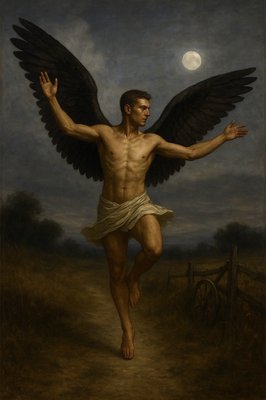
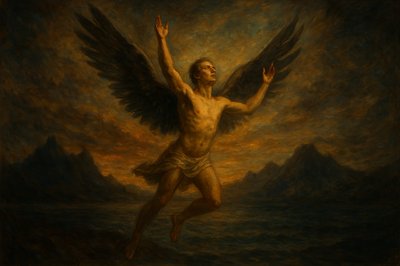
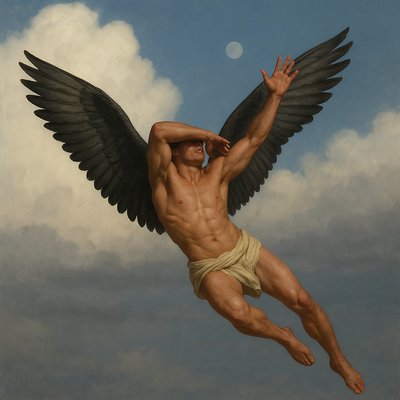
a painting of a man with his arms in the air
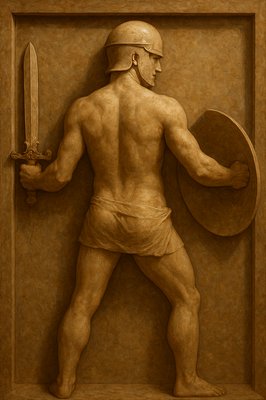
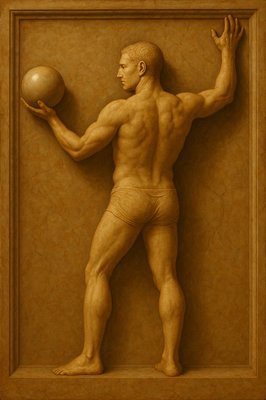
a painting of a man with his back to the camera
a painting of a man with a hat on his head
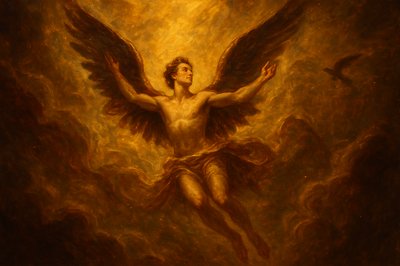
a painting of a man with an angel on his back
a painting of a man with a cross on his chest
a painting of a man with his back to the camera
a painting of a man with a bow and two other men
a painting of a man with a bow and arrow
a painting of a man with a turban on his head
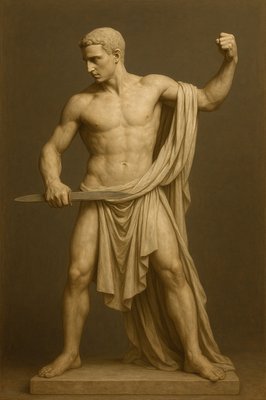
a painting of a man with a knife in his hand
a painting of a man riding a bike on a beach
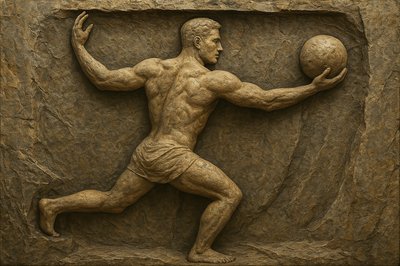
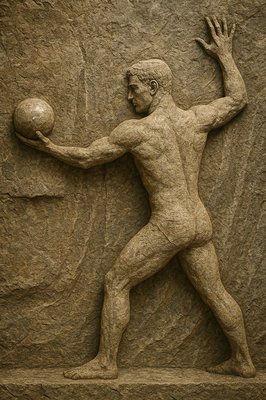
a painting of a man with a ball in his hand
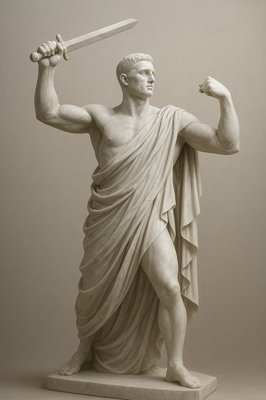
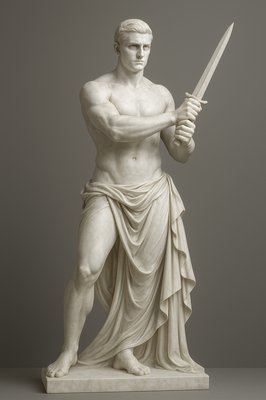
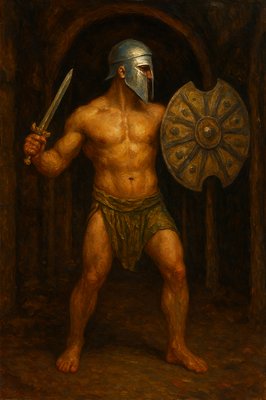
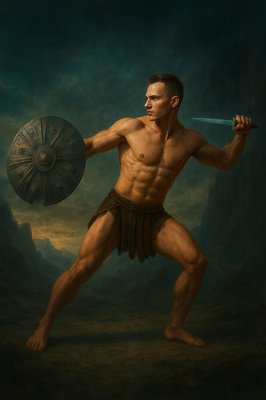
a painting of a man with a sword in his hand
a painting of a young boy holding an apple
An Angel of God standing with full armor, sword, and shield, with massive wings, in front of a great serpent --chaos 50 --ar 3:4 --exp 10 --quality 2 --sref 2186594613 173014855 94742072 1895225188 --stylize 1000
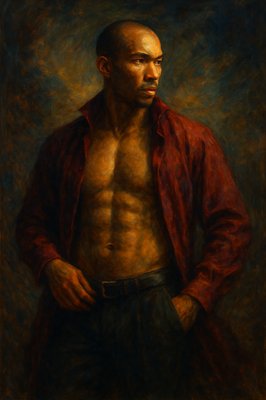
a painting of a man with his hand on his chest
“Son of man, when the land sinneth against me by trespassing grievously, then will I stretch out mine hand upon it, and will break the staff of the bread thereof, and will send famine upon it, and will cut off man and beast from it:” (Ezekiel 14:13, KJV)
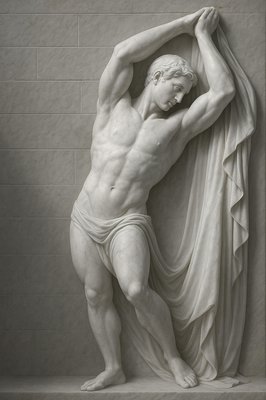
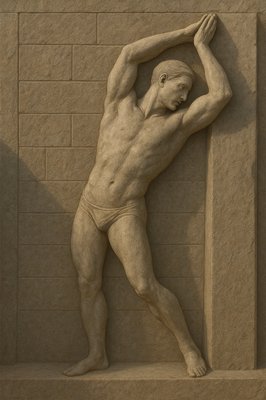
a statue of a man holding his hands to his head
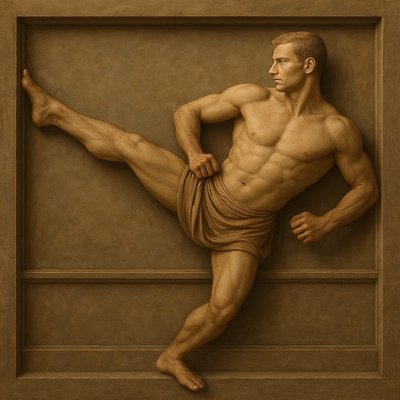
a statue of a man holding onto a pole
a bronze statue of a man holding a cell phone
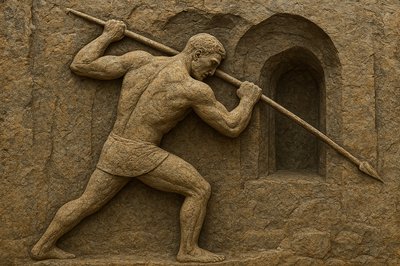
a bronze statue of a man holding a sword
a man holding a basketball in his right hand
a man holding a rope in his hands
a man holding a pair of scissors in his right hand
First century Palestine on the road toward Jericho.  In a treacherous pass, a man lies on the roadside, beaten half to death.  A passerby with a donkey is trying to help.  The story of the good samaritan.

A historically accurate and atmospheric depiction of the signing of the Mayflower Compact aboard the ship in November 1620. The scene is set in the dimly lit, cramped cabin of the Mayflower, with the ship's timbers and rigging subtly visible, conveying the challenging conditions of the voyage. A simple table or chest serves as the signing surface. The primary focus is on a small group of the last individuals signing the document: specifically, the indentured servants (or 'strangers' not directly part of the Separatist congregation) approaching or at the table. Their expressions show a mix of weary determination, understanding of the necessity, and perhaps a hint of quiet apprehension or resignation to this new social contract, given their status. They are dressed in the plain, practical clothing typical of 17th-century commoners and laborers. Figures of prominent Pilgrims or 'Saints' (like William Bradford or John Carver) are visible in the background, observing the proceedings with a sense of gravity and leadership, but they are not the central focus. The lighting is low and warm, perhaps from a lantern, creating a chiaroscuro effect that highlights the faces of the signers. The atmosphere conveys the momentousness of the act under difficult circumstances, the diverse composition of the group, and the early seeds of self-governance in a new world. The artistic style is a realistic, historically detailed oil painting, capturing the solemnity and human element of this pivotal historical moment."
a watercolor painting of a man and a woman
a painting of a woman in a medieval costume holding a sword
Cinematic Historical Photograph, Gritty Realism, Chiaroscuro Lighting. A tense, high-stakes chess match taking place between two seasoned pirates inside the cramped, dimly lit stern cabin of a rocking galleon at sea during the night.

The Players: On one side sits a grizzled, older Pirate Captain with a heavy grey beard and a scarred face, leaning over the board, his hand rubbing his chin in deep concentration. Opposite him is a younger, cunning Quartermaster with a gold tooth and a confident smirk, holding a clay pipe.

The Board & Pieces: Between them is a heavy wooden table stained with grog. The chessboard is carved directly into the tabletop, with squares made of inlaid mother-of-pearl and burned wood. They are playing with the custom pirate-themed chess set (previously designed): The Captain's side uses pieces carved from yellowed whalebone (King with tricorn, Ship Rooks), and the Quartermaster's side uses pieces cast from dark, tarnished iron. A bone "Knight" piece is currently threatening an iron "Queen."

The Atmosphere: The cabin is lit by a single, swaying oil lantern hanging overhead, casting long, moving shadows and illuminating the smoke in the air. Mugs of rum, a flintlock pistol, and rolled charts are cluttered around the board. Outside a stern window, a dark, stormy ocean is visible. The photo has a film grain texture.
a painting of jesus holding a wooden box
a man holding a silver ball in his hands
A sweeping digital fantasy painting of a majestic angel with large, feathered wings made of glowing white light and golden energy, suspended within the center of a massive cosmic whirlwind. The whirlwind itself is a swirling spiral galaxy, composed of vibrant nebulae, millions of sparkling stars, dust lanes in deep blues, purples, and oranges, and miniature planets caught in the flow. The angel, wearing flowing, armored robes of starlight, looks serene with outstretched arms. The background is the dark expanse of deep space filled with distant galaxies. The style is epic and cinematic.
a man sitting at a table with an open book
a painting of two hands holding a book
Cinematic Film Style, Romanticism Art Style, a stunningly beautiful and atmospheric portrait of a Geisha in 1930s Kyoto. She is dressed in an exquisite, flowing silk kimono with intricate floral patterns and a wide obi sash. Her face is painted in traditional white makeup with striking red lips and piercing blue-gray eyes. She is standing on a traditional wooden bridge over a stream in Gion, with soft pink cherry blossoms falling around her like snow. The lighting is a warm, golden-hour glow that creates a soft-focus, ethereal background of old wooden teahouses and paper lanterns. Focus on the shimmering texture of the silk, the delicate movement of the blossoms, and a sense of quiet, longing beauty.
"A solitary and ominous Black Plague Doctor stands in a dimly lit, narrow cobblestone alleyway in a medieval European city. The doctor is clad head-to-toe in their iconic, dark, heavy protective gear: a long, oil-soaked waxed canvas or leather coat, dark gloves, and a wide-brimmed black hat. Their most striking feature, the beaked mask with dark, glass eyeholes, is prominent, creating an eerie, bird-like silhouette that conceals their face entirely. A wooden cane or pointer is held firmly in one gloved hand.

The atmosphere is heavy and foreboding. The background features dark, crumbling stone or timber-framed buildings with shuttered windows, hinting at a city under quarantine. Smoke or mist might subtly swirl around their feet. The lighting is stark and dramatic, perhaps from a distant lantern or a sliver of pale moonlight, casting deep shadows and highlighting the grim details of their attire. The overall mood is one of profound isolation, historical dread, and silent vigilance against an invisible enemy."
Inside an informal church in Kuala Lumpur.  Wing Sun and his father and mother, along with Siu Zi, his friend from school are there together.  We are standing in the back of the room, and there are many more people than there were in the London church.  There are people of different ethnicities, but mostly Chinese Malaysian.  The Pastor, a Chinese man, is standing up front speaking to the congregation, facing them.  The atmosphere is hot and sweaty, with ceiling fans running, but still welcoming, Wing Sun is happy that his family is together and also that his friend Siu Zi, who he has just learned is a Christian, can be there too.