A Painting Of A Man In A Hooded Suit With A Cross On His Chest Art

A high-contrast scene showing discarded ornate gold armor and a scarlet cape lying on the muddy riverbank. In the background, the silhouette of the man is chest-deep in the river, looking up at the sky in surrender. The water is churning and alive. Rich textures of metal vs. water vs. mud. 8k resolution, historical realism, profound storytelling, theme of humility and healing.
“And to the angel of the church in Pergamos write; These things saith he which hath the sharp sword with two edges; He that hath an ear, let him hear what the Spirit saith unto the churches; To him that overcometh will I give to eat of the hidden manna, and will give him a white stone, and in the stone a new name written, which no man knoweth saving he that receiveth it.” (Revelation 2:12,17, KJV)
“And prepare yourselves by the houses of your fathers, after your courses, according to the writing of David king of Israel, and according to the writing of Solomon his son. And stand in the holy place according to the divisions of the families of the fathers of your brethren the people, and after the division of the families of the Levites. So kill the passover, and sanctify yourselves, and prepare your brethren, that they may do according to the word of the LORD by the hand of Moses.” (2 Chronicles 35:4-6, KJVA)
"A historically accurate depiction of a Ghost Dance, focusing on the late 19th-century context, specifically around 1890-1891. The scene shows Lakota (Sioux) or Northern Paiute people (specify one or include elements of both, but avoid anachronisms) participating in the ceremony.

Setting: A vast, open prairie or high desert landscape, under an expansive sky. The time of day could be dusk or night, with a prominent moon or stars, or a bright, clear day. Avoid overtly spiritual or ethereal elements like floating spirits unless explicitly requested for a later, more symbolic iteration. The focus should be on the earthly ceremony.

Participants: A circle of men, women, and children, hand-in-hand, moving in a slow, rhythmic shuffle or circular motion. Their faces show a mixture of devotion, hope, and determination. Some may have expressions of trance or deep concentration.

Attire:

    Ghost Dance Shirts/Dresses: Emphasize the unique Ghost Dance shirts and dresses, which were typically made of muslin or canvas. These garments should feature painted designs such as stars, crescents, birds (especially eagles or crows), buffalo, human figures, or crosses. The designs should appear hand-painted, not mass-produced.

    Hair and Adornments: Participants should have braided hair or wear it long. Some may wear feathers (e.g., eagle or hawk feathers) in their hair. Minimal traditional adornments, as the focus was often on the Ghost Dance shirt itself. Avoid overly elaborate or Hollywood-esque depictions of war bonnets unless relevant to a specific individual and context.

    Footwear: Moccasins or bare feet.

Action/Atmosphere:

    The dancers are moving in a counter-clockwise circle, with a central figure or a small group often leading.

    The overall mood is one of earnest prayer and communal spiritual effort. The dance should convey a sense of hope for renewal and the return of the old ways, rather than aggression or despair.

    There might be a central pole or small fire as a focal point, around which the dance takes place.

    Avoid any signs of direct conflict or violence; the Ghost Dance itself was a non-violent spiritual movement.

Specific Considerations for Accuracy:

    Wovoka's Influence: The teachings of Wovoka (the Northern Paiute prophet) emphasized peace, hard work, and the return of the buffalo and deceased ancestors. The scene should subtly reflect this hopeful, redemptive spirit.

    Regional Variations: If focusing on Lakota, consider their specific interpretations, which sometimes included more imagery related to their warrior traditions on the shirts, but still within the peaceful framework of the dance.
    Respectful Portrayal: Ensure the depiction is respectful and avoids any stereotypical or caricatured representations of Indigenous people. Focus on their human dignity and spiritual sincerity.
He that toucheth pitch shall be defiled therewith; and he that hath fellowship with a proud man shall be like unto him. (Sirach 13:1)
a man with his hands on his face
a tree in nature
Jesus and the thieves on the cross; all people of color
A human pastor wearing a suit with a big cross necklace, standing in front of a beautiful cathedral in a forest city as the sun rises in the distance
Anxious interior
a tree in nature
a painting of a man and a dog
A historically accurate and atmospheric depiction of the signing of the Mayflower Compact aboard the ship in November 1620. The scene is set in the dimly lit, cramped cabin of the Mayflower, with the ship's timbers and rigging subtly visible, conveying the challenging conditions of the voyage. A simple table or chest serves as the signing surface. The primary focus is on a small group of the last individuals signing the document: specifically, the indentured servants (or 'strangers' not directly part of the Separatist congregation) approaching or at the table. Their expressions show a mix of weary determination, understanding of the necessity, and perhaps a hint of quiet apprehension or resignation to this new social contract, given their status. They are dressed in the plain, practical clothing typical of 17th-century commoners and laborers. Figures of prominent Pilgrims or 'Saints' (like William Bradford or John Carver) are visible in the background, observing the proceedings with a sense of gravity and leadership, but they are not the central focus. The lighting is low and warm, perhaps from a lantern, creating a chiaroscuro effect that highlights the faces of the signers. The atmosphere conveys the momentousness of the act under difficult circumstances, the diverse composition of the group, and the early seeds of self-governance in a new world. The artistic style is a realistic, historically detailed oil painting, capturing the solemnity and human element of this pivotal historical moment."
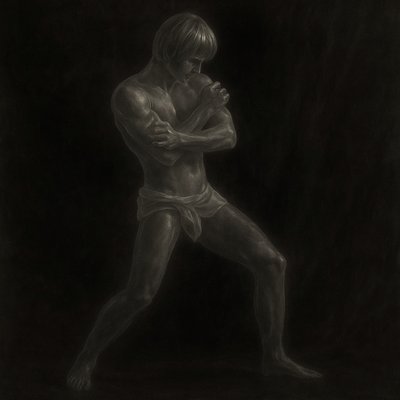
“And Jacob was left alone; and there wrestled a man with him until the breaking of the day. And when he saw that he prevailed not against him, he touched the hollow of his thigh; and the hollow of Jacob's thigh was out of joint, as he wrestled with him. And he said, Let me go, for the day breaketh. And he said, I will not let thee go, except thou bless me.” (Genesis 32:24-26, KJVA)
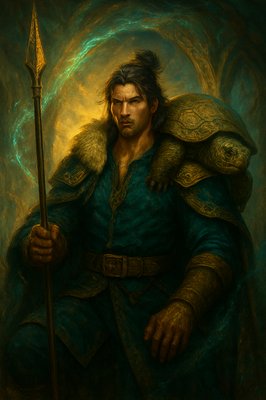
a drawing of a man with a tree on his back
a drawing of a man with a bird on his shoulder
a painting of a man and a wolf
a demon with a sword in his hand
a man with a glass of wine in his hand
a drawing of a man with a bird on his shoulder
a man holding a pair of scissors in his right hand
a tree in nature
A grizzly bear on the edge of a forest on a mountain, overlooking a beautiful partly cloudy sky. Proverbs 17:12 KJV  Let a bear robbed of her whelps meet a man, rather than a fool in his folly.
A breathtaking, highly detailed landscape and architectural illustration of historic Jonesborough, Tennessee, Appalachia, blanketed in fresh, pristine snow. The scene captures the charm of a 'Winter Wonderland' during the golden hour just before sunset. Focus on the main street (possibly Main Street or College Street) lined with preserved 18th and 19th-century Federal and Greek Revival style architecture, such as the Chester Inn or historic courthouse.

The buildings have warm, glowing lights spilling from their windows, creating a cozy contrast with the blue tones of the snow and dusk sky. Snow-dusted, bare deciduous trees frame the street. Include subtle details like a horse-drawn sleigh, tracks in the snow, and a thin wisp of smoke curling from chimneys. The style should be evocative, highly realistic, and painterly, capturing the quiet, historic ambiance of America's oldest town in Tennessee. Use a slightly elevated perspective to showcase the depth of the street and the surrounding Appalachian hillsides.
an old man with a stethoscope in his hand
A porcelain doll
a painting of a woman and a wolf
a tree in nature
a tree in nature
a painting of a man with a sword
a drawing of a man with a sword in his hand
a painting of a man in armor with lightning in the background
a painting of a man with a sword
A historically accurate and atmospheric depiction of the signing of the Mayflower Compact aboard the ship in November 1620. The scene is set in the dimly lit, cramped cabin of the Mayflower, with the ship's timbers and rigging subtly visible, conveying the challenging conditions of the voyage. A simple table or chest serves as the signing surface. The primary focus is on a small group of the last individuals signing the document: specifically, the indentured servants (or 'strangers' not directly part of the Separatist congregation) approaching or at the table. Their expressions show a mix of weary determination, understanding of the necessity, and perhaps a hint of quiet apprehension or resignation to this new social contract, given their status. They are dressed in the plain, practical clothing typical of 17th-century commoners and laborers. Figures of prominent Pilgrims or 'Saints' (like William Bradford or John Carver) are visible in the background, observing the proceedings with a sense of gravity and leadership, but they are not the central focus. The lighting is low and warm, perhaps from a lantern, creating a chiaroscuro effect that highlights the faces of the signers. The atmosphere conveys the momentousness of the act under difficult circumstances, the diverse composition of the group, and the early seeds of self-governance in a new world. The artistic style is a realistic, historically detailed oil painting, capturing the solemnity and human element of this pivotal historical moment."
a tree in nature
a tree in nature
a tree in nature
jewish couple with a new born child in a manger