A Painting Of A Man Holding A Magnifying Glass Art

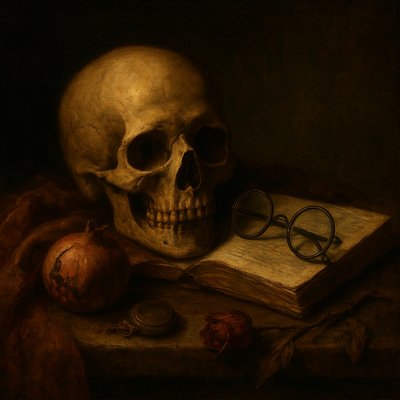
Still life exploring themes of memory and time in the art style of New European Painting --v 6.1
Vertical stripes of varying widths and colors in the art style of Color Field Painting --v 6.1
Intricate mandala design representing cosmic unity in the art style of Visionary Art --v 6.1
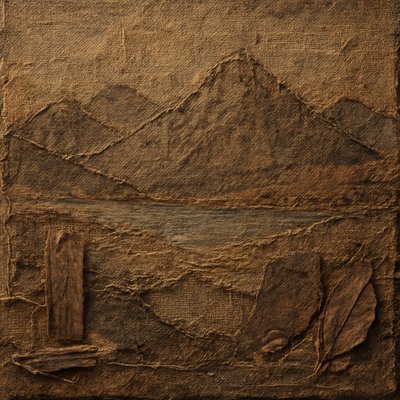
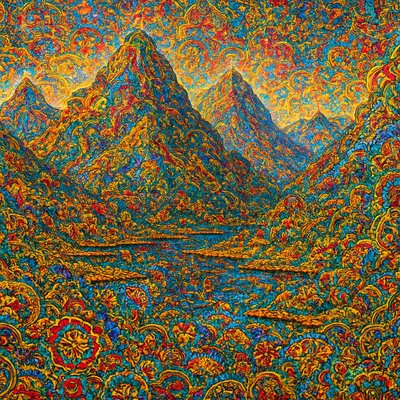
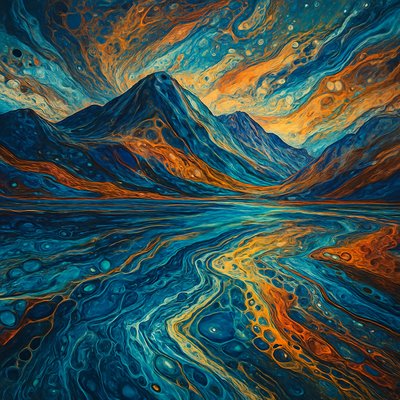
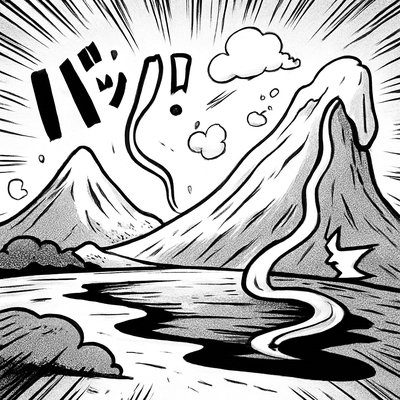
Personal anxiety levels as mountain range
An awe-inspiring and whimsical scene featuring Willy Wonka's Great Glass Wonkavator, soaring through the sky and beyond the confines of the chocolate factory. The Wonkavator itself is a magnificent, multi-directional glass elevator, transparent and sparkling, with Willy Wonka (wearing his iconic top hat, purple coat, and bowtie) and Charlie Bucket (and perhaps Grandpa Joe) inside, looking out with expressions of wonder and excitement. The interior is filled with intricate buttons and levers for controlling its magical flight.

The Wonkavator is depicted in mid-flight, perhaps bursting through the factory roof or ascending above the clouds. Below it, the fantastical landscape of the Chocolate Factory is visible – chocolate rivers, edible gardens, candy cane trees, and various whimsical buildings. Beyond the factory, a stunning, imaginative sky unfolds, perhaps with floating candy clouds, distant fantastical landmarks, or even glimpses of outer space and planets. The lighting is bright and magical, emphasizing the glass's transparency and the vibrant colors of the world below and beyond. The overall mood is one of boundless adventure, limitless possibilities, and pure, joyful fantasy."
a couple of men standing next to each other
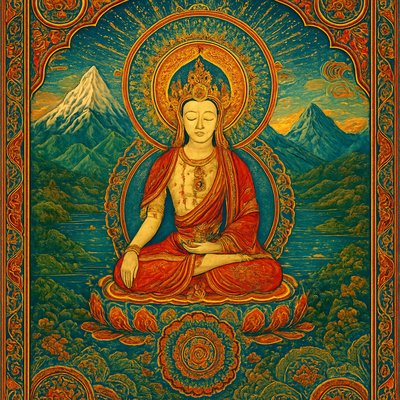
Tibetan mandala with intricate symbolic details in the art style of Religious Art --v 6.1
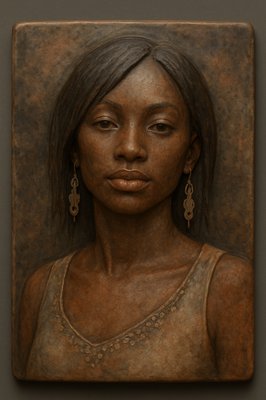
Sculpture juxtaposing organic and man-made elements in the art style of Arte Povera --v 6.1
Mechanical humanoid figure symbolizing man-machine fusion in the art style of Futurism --v 6.1
Sculptural piece combining natural and man-made elements in the art style of Assemblage --v 6.1
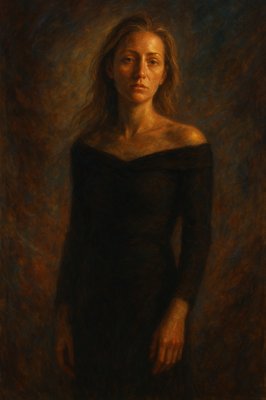
a drawing of a woman with long hair
Social Realism Art Style Style Transfer Example
serene landscape with mountains and water
Precisionism Art Style Style Transfer Example
serene landscape with mountains and water
Minimalist arrangement of colored rectangles in the art style of Hard-edge Painting --v 6.1
A historically accurate and atmospheric depiction of the signing of the Mayflower Compact aboard the ship in November 1620. The scene is set in the dimly lit, cramped cabin of the Mayflower, with the ship's timbers and rigging subtly visible, conveying the challenging conditions of the voyage. A simple table or chest serves as the signing surface. The primary focus is on a small group of the last individuals signing the document: specifically, the indentured servants (or 'strangers' not directly part of the Separatist congregation) approaching or at the table. Their expressions show a mix of weary determination, understanding of the necessity, and perhaps a hint of quiet apprehension or resignation to this new social contract, given their status. They are dressed in the plain, practical clothing typical of 17th-century commoners and laborers. Figures of prominent Pilgrims or 'Saints' (like William Bradford or John Carver) are visible in the background, observing the proceedings with a sense of gravity and leadership, but they are not the central focus. The lighting is low and warm, perhaps from a lantern, creating a chiaroscuro effect that highlights the faces of the signers. The atmosphere conveys the momentousness of the act under difficult circumstances, the diverse composition of the group, and the early seeds of self-governance in a new world. The artistic style is a realistic, historically detailed oil painting, capturing the solemnity and human element of this pivotal historical moment."
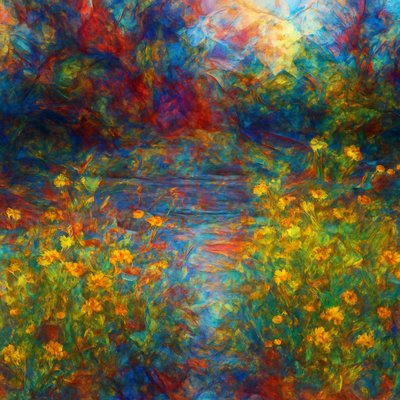
wide landscape with natural scenery
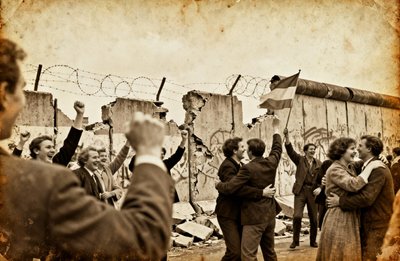
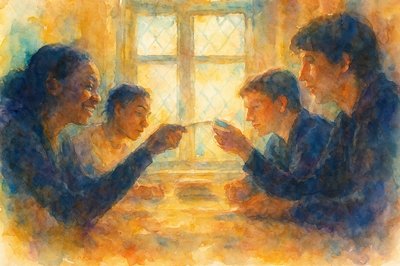
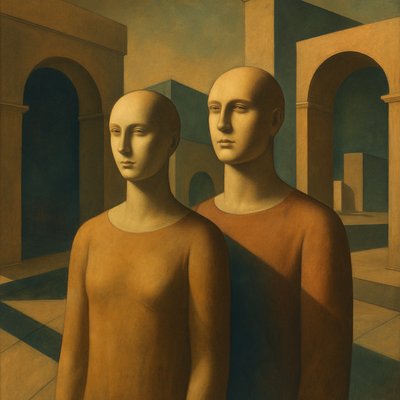
portrait of two people together
Large canvas with expansive areas of single colors in the art style of Color Field Painting --v 6.1
Horizontal bands of complementary colors in the art style of Color Field Painting --v 6.1