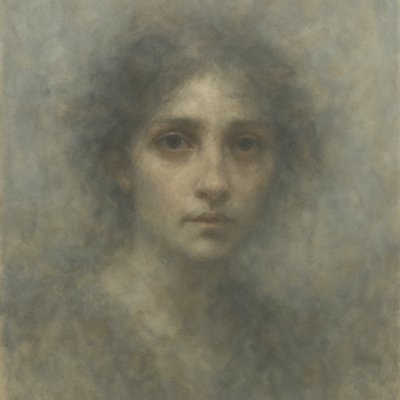
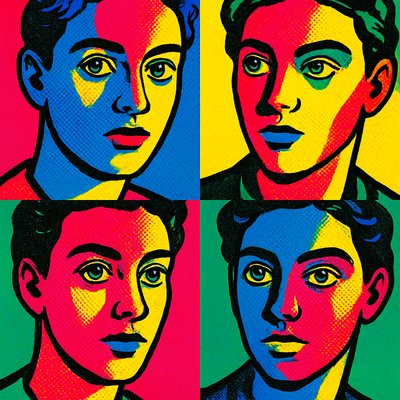
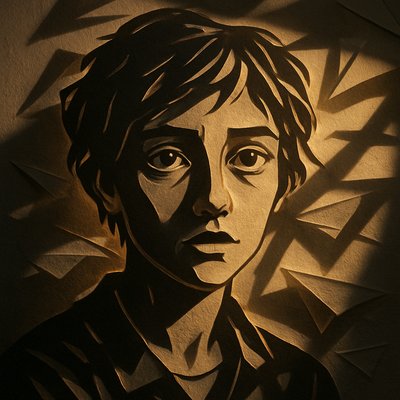
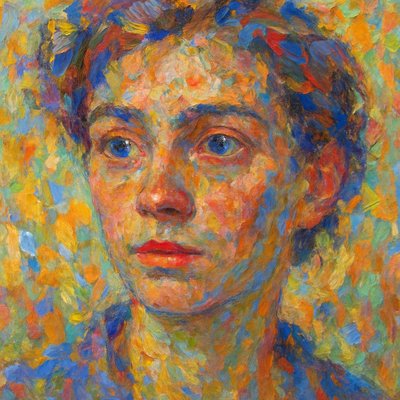
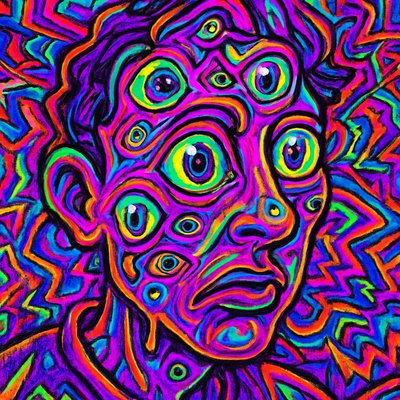
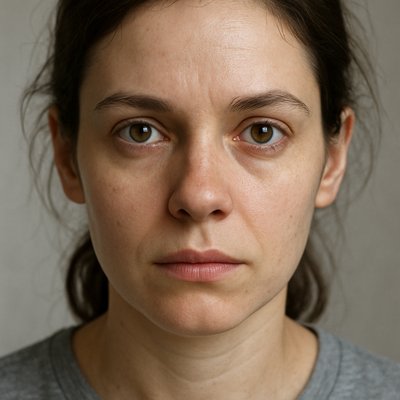
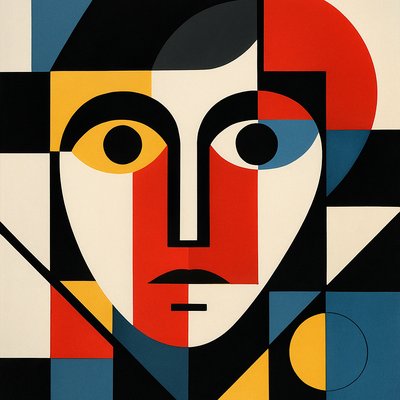
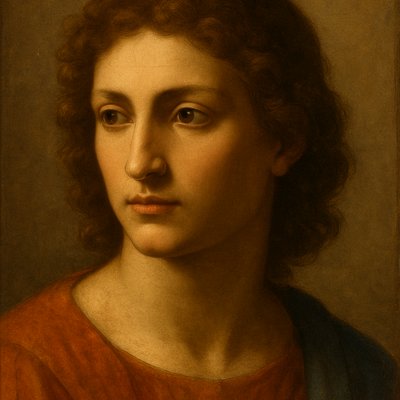
A Painting Of A Man Covering His Eyes Art

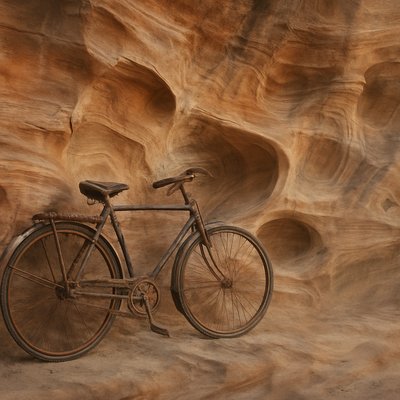
bicyle resting against a wall

“And he made his grave with the wicked, and with the rich in his death; because he had done no violence, neither was any deceit in his mouth.” (Isaiah 53:9, KJV)
still life with everyday objects
A hyper-realistic, majestic golden Lion of Judah leaping powerfully over a crumbling ancient stone altar. The altar is engraved with Hebrew letters and surrounded by drifting incense smoke. As the lion "springs out," the heavy stone of the altar cracks under its paws, revealing a path of brilliant celestial light. Cinematic lighting, dramatic shadows, baroque art style, 8k resolution, divine and regal atmosphere.
landscape
Bipolar self-portrait
A koi pond seen from above, orange and white koi fish swimming among lily pads, clear water with subtle ripples, fallen cherry blossom petals floating on the surface, dappled sunlight
still life with everyday objects
“Canst thou draw out leviathan with an hook? or his tongue with a cord which thou lettest down? Canst thou put an hook into his nose? or bore his jaw through with a thorn?” (Job 41:1-2, KJV)
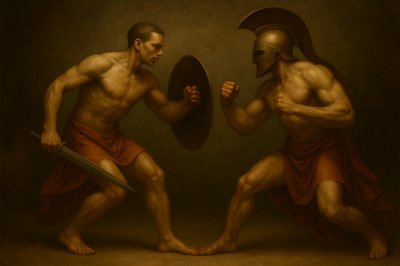
Artwork referencing art history with ironic undertones in the art style of Transavantgarde --v 6.1
Historical scene with emphasis on authentic period details in the art style of Pre-Raphaelite --v 6.1
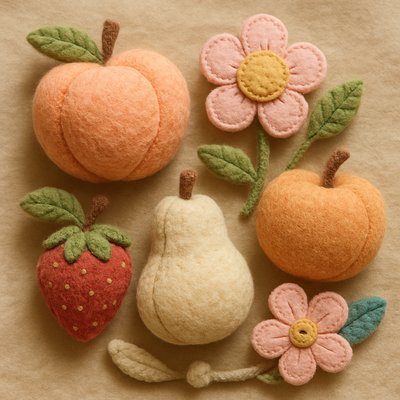
still life arrangement of fruits and flowers
House
“Then the all-glorious, all-powerful, and true God, displayed his holy countenance, and opened the gates of heaven, from which two angels, dreadful of form, came down and were visible to all but the Jews.” (3 Maccabees 6:18, Brenton)
Dog With Girl
Plush Toy Art Style Transfer Example
"A solitary and ominous Black Plague Doctor stands in a dimly lit, narrow cobblestone alleyway in a medieval European city. The doctor is clad head-to-toe in their iconic, dark, heavy protective gear: a long, oil-soaked waxed canvas or leather coat, dark gloves, and a wide-brimmed black hat. Their most striking feature, the beaked mask with dark, glass eyeholes, is prominent, creating an eerie, bird-like silhouette that conceals their face entirely. A wooden cane or pointer is held firmly in one gloved hand.

The atmosphere is heavy and foreboding. The background features dark, crumbling stone or timber-framed buildings with shuttered windows, hinting at a city under quarantine. Smoke or mist might subtly swirl around their feet. The lighting is stark and dramatic, perhaps from a distant lantern or a sliver of pale moonlight, casting deep shadows and highlighting the grim details of their attire. The overall mood is one of profound isolation, historical dread, and silent vigilance against an invisible enemy."
A highly realistic and historically accurate image set in the deep, waterlogged mud of the Texas Cross Timbers (Montague County) in 1840. The scene captures the frustrating moment when the Chihuahua Traders caravan is completely stuck. Foreground focus is on several heavy, wooden Conestoga freight wagons, mired up to their axles in dark, thick mud. Exhausted oxen are straining and distressed, their drivers in rough frontier attire attempting to free the wheels with ropes and levers. In the mid-ground, a small group of the American equestrian circus performers stands next to their distinctive, high-quality riding horses, which are visibly more refined than the typical pack animals. The performers are dressed in sturdy but distinct traveling clothes, looking ill-equipped and frustrated by the muddy conditions. One performer is carefully securing a colorful carriage or cart containing unique circus props, struggling to keep it from sinking. The overall mood is one of miserable delay and hardship. Cloudy, oppressive sky; detailed realism; wide-angle shot; dark, moody lighting.
house with front view
A highly realistic and historically accurate image set in the deep, waterlogged mud of the Texas Cross Timbers (Montague County) in 1840. The scene captures the frustrating moment when the Chihuahua Traders caravan is completely stuck. Foreground focus is on several heavy, wooden Conestoga freight wagons, mired up to their axles in dark, thick mud. Exhausted oxen are straining and distressed, their drivers in rough frontier attire attempting to free the wheels with ropes and levers. In the mid-ground, a small group of the American equestrian circus performers stands next to their distinctive, high-quality riding horses, which are visibly more refined than the typical pack animals. The performers are dressed in sturdy but distinct traveling clothes, looking ill-equipped and frustrated by the muddy conditions. One performer is carefully securing a colorful carriage or cart containing unique circus props, struggling to keep it from sinking. The overall mood is one of miserable delay and hardship. Cloudy, oppressive sky; detailed realism; wide-angle shot; dark, moody lighting.
A mysterious librarian
House
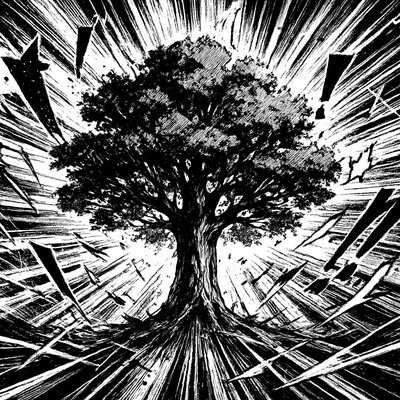
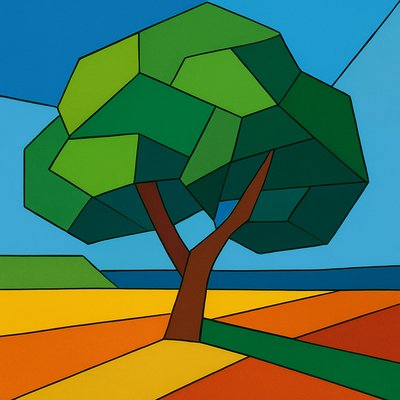
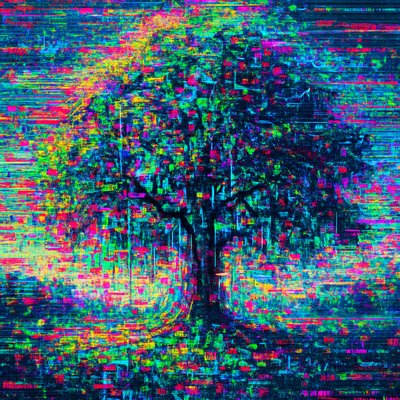
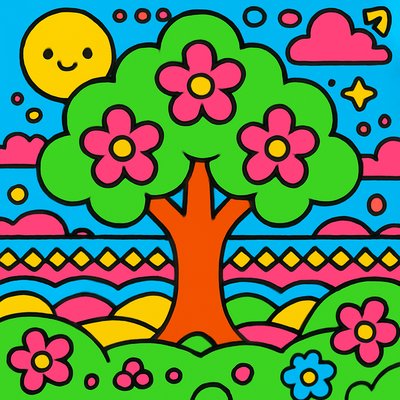
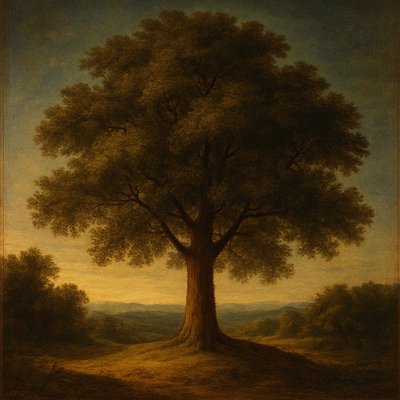
a tree in nature
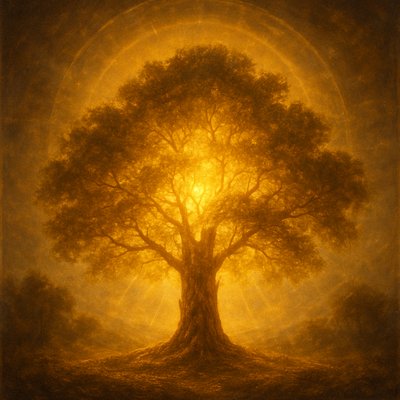
a tree in nature
Banquet table with oysters and wine
Postmodernism Art Style Style Transfer Example
serene landscape with mountains and water
A captivating and serene portrait of a young Roseate Spoonbill juvenile standing gracefully in its natural wetland habitat. The bird's plumage is a delicate and soft pale rosy-pink or peach color, much lighter and more muted than the vibrant pink of its adult counterparts, with touches of white or very light cream feathers, particularly on its head and neck. Its characteristic long, spatulate (spoon-shaped) bill is prominent, though it might be a slightly duller gray or greenish-gray than an adult's.
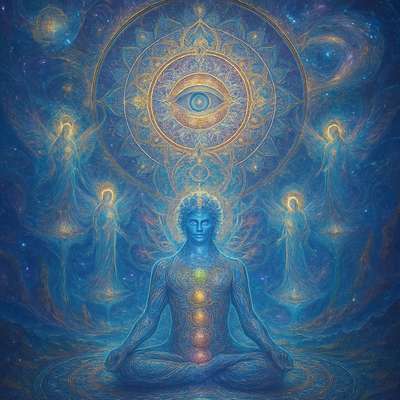
The juvenile spoonbill stands in shallow, calm water, possibly surrounded by lush green marsh grasses, reeds, or mangrove roots. The background is a soft-focus wetland scene, hinting at a warm, sunny day with serene water and distant vegetation, perhaps with a clear blue sky or a gentle sunset glow. The lighting is soft and natural, emphasizing the subtle, beautiful peach and rosy tones of its feathers and the unique texture of its plumage. The overall mood is one of quiet elegance, youthful beauty, and peaceful observation in nature." impressionistic watercolor painting, soft washes of color, delicate brushstrokes, ethereal atmosphere, focus on color blend and texture"
“And the God that hath caused his name to dwell there destroy all kings and people, that shall put to their hand to alter and to destroy this house of God which is at Jerusalem. I Darius have made a decree; let it be done with speed.” (Ezra 6:12, KJV)
house with front view
still life arrangement of fruits and flowers
bicyle resting against a wall
A solitary and intensely symbolic image depicting a magnificent, large black raven as the embodiment of judgment from Proverbs 30:17. The raven is portrayed with immense detail and an almost mythical presence, its feathers dark and glossy, its eyes glowing with a profound, ancient wisdom or stern disapproval. It is perched on a jagged, weathered tree branch or a sharp, craggy rock formation within a desolate, mist-shrouded valley.
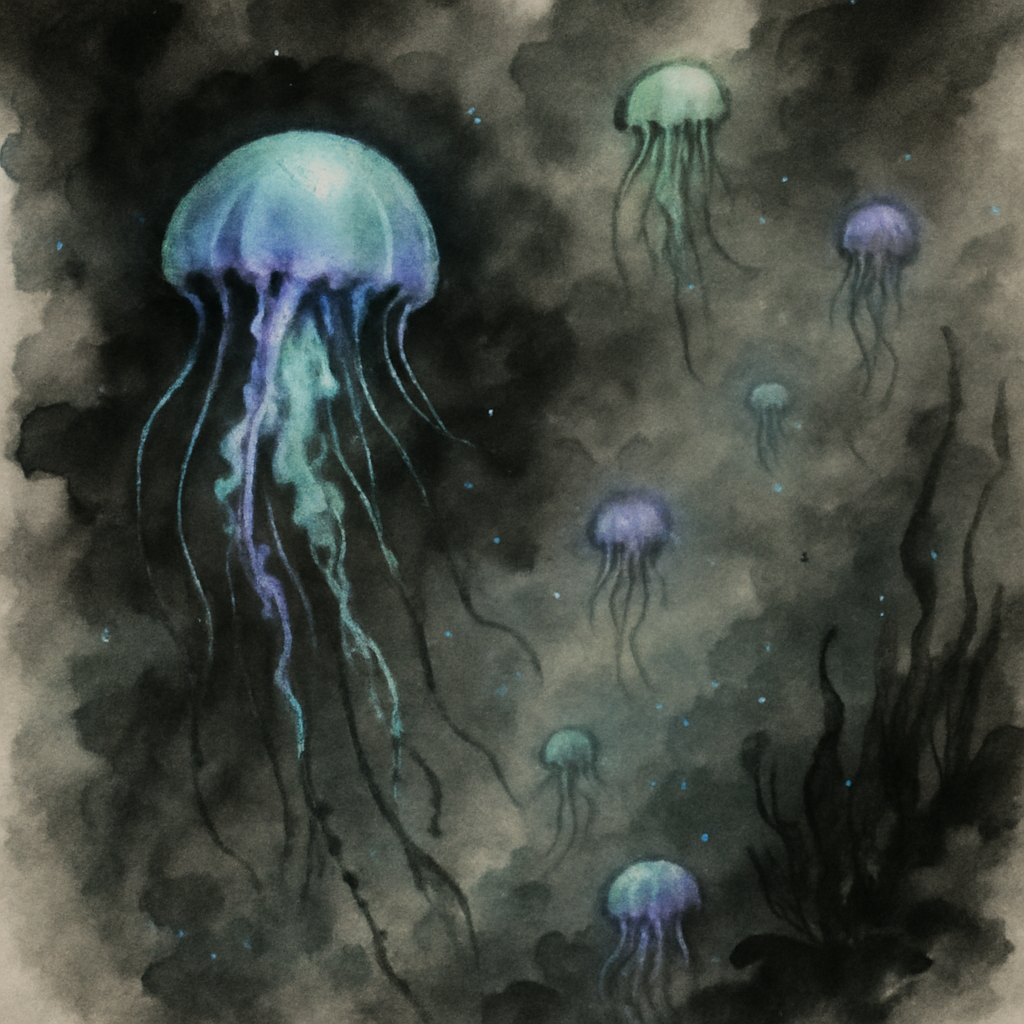
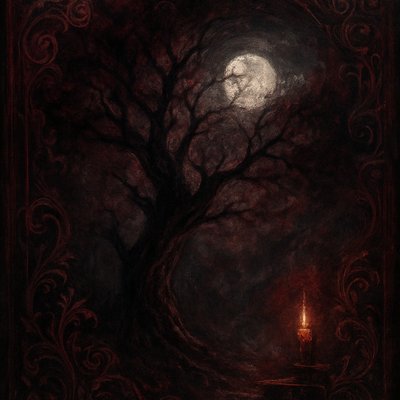
The background is stark and emphasizes desolation, featuring barren, rocky slopes and a stormy, oppressive sky with heavy, dark clouds. The lighting is dramatic and stark, perhaps a single shaft of pale, cold light illuminating the raven, casting long, deep shadows around it. The focus is entirely on the raven, its sharp beak, and its piercing gaze, conveying a sense of ultimate, inescapable consequence. The overall mood is one of profound, somber judgment and the quiet, heavy weight of natural law, expressed through the powerful symbolism of the bird."
A historically accurate and deeply somber depiction of the immediate aftermath of the Wounded Knee Massacre in December 1890. The scene captures the desolate, snow-covered landscape of the Pine Ridge Reservation. Focus on the fallen Lakota men, women, and children, scattered across the snow, their bodies still and tragic. A few surviving individuals are shown in postures of profound grief or shock, perhaps tending to the wounded. The distant presence of U.S. soldiers, heavily armed, stands as a stark and cold counterpoint to the devastation. The atmosphere is one of profound sorrow, loss, and the brutal silence of winter. The lighting is cold and muted, emphasizing the harshness of the environment and the tragedy of the event. The artistic style should be a realistic, painterly approach, evoking the historical period with unflinching honesty but without graphic sensationalism. The intent is to serve as a memorial to the victims and a historical testament to the tragic event."