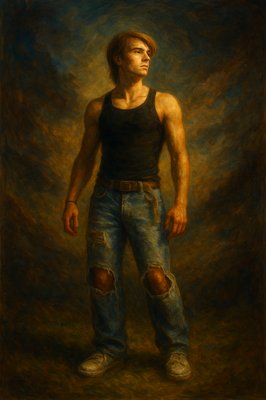
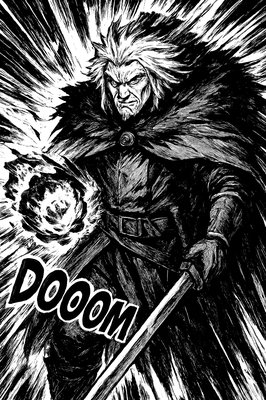
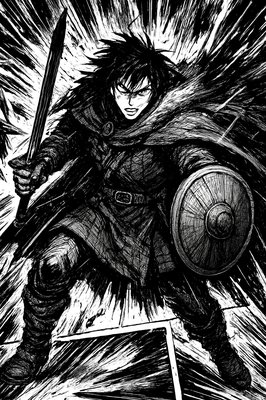
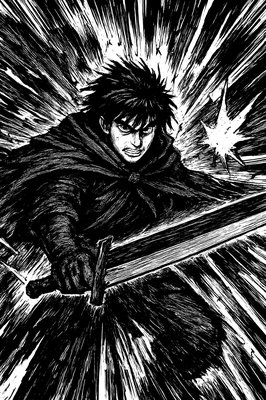
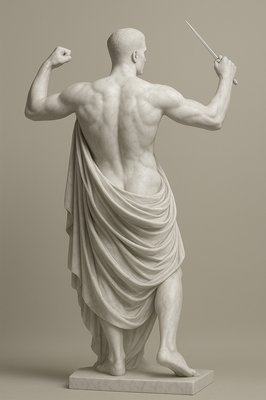
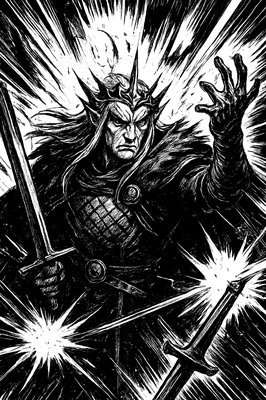
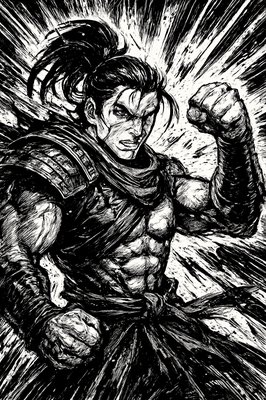
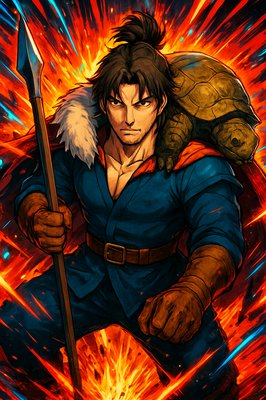
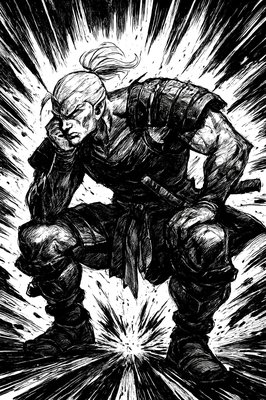
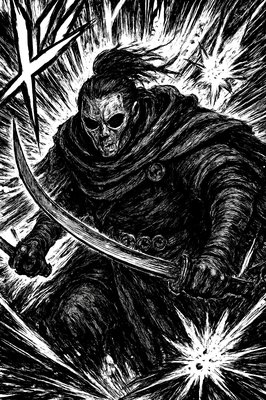
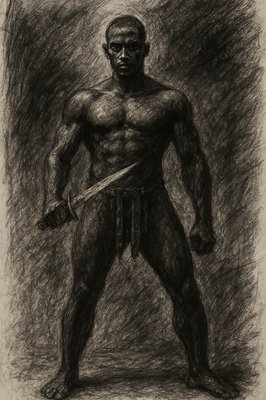
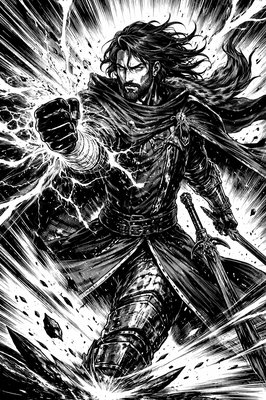
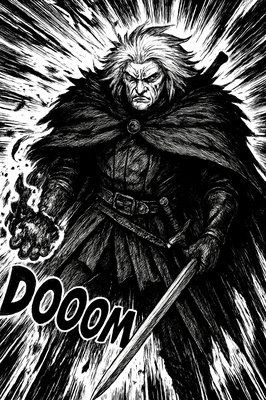
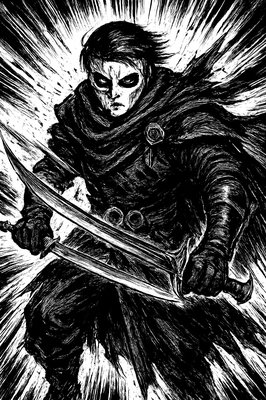
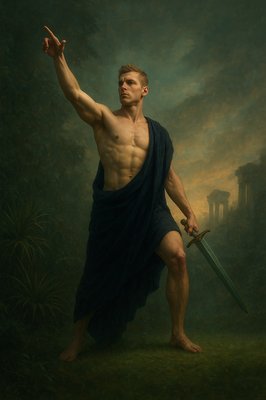
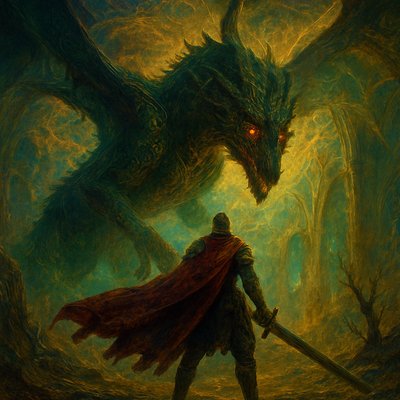
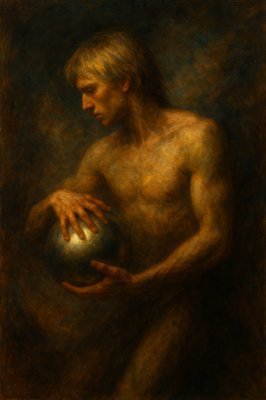
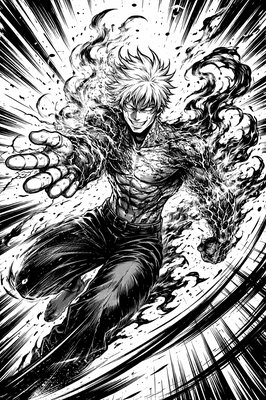
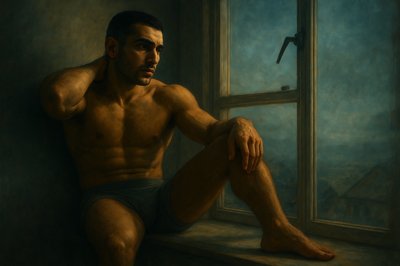
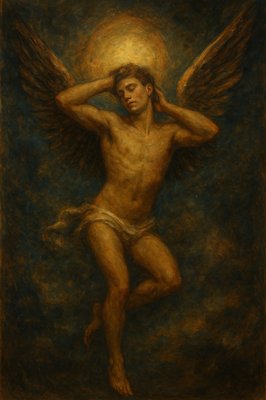
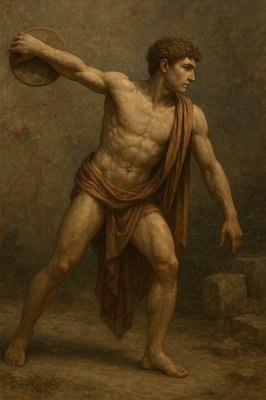
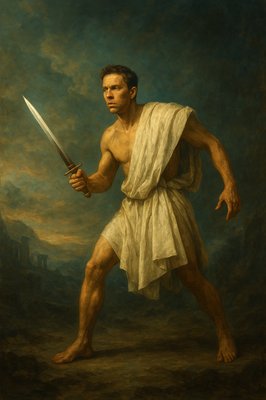
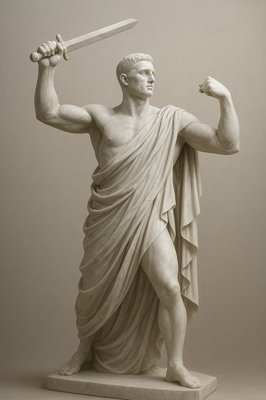
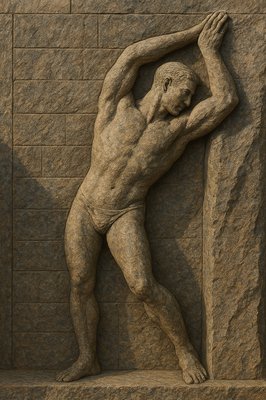
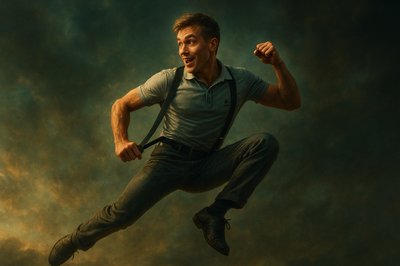
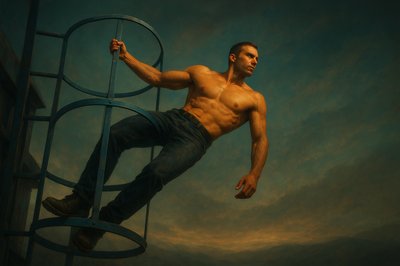
A Man With A Knife Standing In The Dark Art

a group of people standing next to each other
a woman wearing a red bandana standing in front of a waterfall
a group of three girls standing next to each other
New York City
New York City
A massive, solid metal USSR emblem glows harshly in red and gold, radiating intense, blinding light. The emblem is firmly pressed down onto the back of a large, dark eagle, which is clearly pinned and crushed beneath its weight. The eagle’s wings are forcibly flattened and bent outward, feathers distorted, body warped under the relentless pressure. Its legs and torso are pressed into the ground, unable to move, showing literal physical force. The emblem dominates the composition, casting sharp, dramatic shadows across the dark eagle. The scene is rendered in bold, graphic socialist propaganda poster style, with high-contrast colors, simplified forms, exaggerated perspective, and stylized lighting. Harsh rays of light radiate from the emblem, emphasizing power and oppression. No abstract symbolism, no heroic balance, no floating elements — only a monumental emblem pressing down, physically immobilizing the eagle.
A triptych oil painting, presented as three heavily framed, connected panels in the dramatic, tenebrism style of Baroque masters like Caravaggio. The overall atmosphere is one of supernatural, oppressive darkness and violent chaos.

The Left Panel shows the penitent thief on his cross, body twisted in pain but his face turned toward the center panel with a look of sorrowful acceptance. A faint, supernatural light illuminates his face against a nearly black sky. Below him, rocks are splitting.

The Center Panel is dominated by Jesus on the cross, head bowed in finality. The sky is a swirling vortex of eclipse darkness, blotting out the sun. The ground beneath the cross is violently cracking open, emitting dust and smoke, with debris caught in mid-air from the earthquake shockwave.

The Right Panel shows the impenitent thief, writhing and screaming against his bonds, his face contorted in rage looking away from the center. He is almost swallowed by the shadows. The cross appears unstable as the cliffside crumbles beneath it. The entire triptych has a rich, dark color palette of deep browns, blacks, and muted crimson, textured with visible, frantic brushstrokes.
highly detailed 16-bit pixel art, enormous battlefield in orbit of a red desert planet, destroyed retro starships drifting in zero gravity, broken hulls with glowing pixel sparks, long skeletal cruiser stretching across foreground, mid-distance wreckage layers fading into parallax depth, crimson planetary surface below with visible canyon lines, scattered debris fields, drifting escape pods, dark outer space backdrop filled with faint stars, enhanced 16-bit color depth, sharp pixel clusters, cinematic wide shot, dramatic rim lighting on ship edges, rich reds and deep violets, retro sci-fi aesthetic, detailed sprite lighting
Childhood trauma recalled
 He (God) setteth an end to darkness, and searcheth out all perfection: the stones of darkness, and the shadow of death. From Job 28:3
 He (God) setteth an end to darkness, and searcheth out all perfection: the stones of darkness, and the shadow of death. From Job 28:3
A koi pond seen from above, orange and white koi fish swimming among lily pads, clear water with subtle ripples, fallen cherry blossom petals floating on the surface, dappled sunlight
Baroque Art Style Style Transfer Example
A dynamic, action-filled scene capturing four excited children (diverse ages and genders, bundled in bright winter clothing) engaged in an intense snowball fight while riding ponies/horses.

Scene Details: The setting is a wide-open, snow-covered winter field bordered by dark, snow-dusted evergreen trees. Snow is actively falling, adding texture to the air. The children are positioned dramatically: one child is leaning far back on a brown pony, aiming a snowball with intense focus; another is mid-giggle, ducking behind their white horse's mane for cover. The ponies are sturdy, slightly shaggy, and seem to be enjoying the chaos, snorting visible steam into the cold air. The ground is churned up with snow from the horses' hooves.

Key Atmosphere: Focus on joyful aggression, speed, and chaotic motion.
“And to the angel of the church in Pergamos write; These things saith he which hath the sharp sword with two edges; He that hath an ear, let him hear what the Spirit saith unto the churches; To him that overcometh will I give to eat of the hidden manna, and will give him a white stone, and in the stone a new name written, which no man knoweth saving he that receiveth it.” (Revelation 2:12,17, KJV)
 He (God) setteth an end to darkness, and searcheth out all perfection: the stones of darkness, and the shadow of death. From Job 28:3 using a Spiritual figure as a dove to represent the one searching.
A vivid and artistic depiction of the Monoceros constellation as a majestic mythical unicorn, with its body, horn, mane, and legs formed by bright, glowing stars connected by ethereal golden lines to outline the shape. The unicorn appears dynamic and ethereal, galloping through the cosmos, surrounded by swirling clouds of colorful stardust, nebulae in shades of blue, purple, and pink, and scattered distant stars in a deep black space background. Render in a fantasy astronomy style, high detail, cosmic glow, and magical atmosphere.
Baroque Art Style Style Transfer Example
a tree in nature
house with front view
Cinematic Wuxia Art Style, Fantasy Digital Art Style, Dark Fantasy, a dynamic anthropomorphic character portrait of the villain Jade Fox from Crouching Tiger, Hidden Dragon. She is rendered as a mature, grizzled fox with fur that is a mix of deep grey and a subtle, bitter jade-green tint. Her eyes are intensely human—sharp, vengeful, and cunning. She is dressed in dark, practical Qing Dynasty assassin's robes (similar to the male disguise she wears in the film), perhaps with a wide straw hat slung across her back. She is crouched low in a masterful martial arts stance on the curved, moonlit tiled roof of an ancient Chinese building. In one clawed paw, she wields the stolen, green-glowing Green Destiny sword, while the other paw is poised, ready to throw her signature poisoned needles. The background is a misty, sprawling city at night with bamboo silhouettes. The atmosphere is tense, dangerous, and steeped in ancient secrets.
house with front view
bicyle resting against a wall
portrait of two people together
serene landscape with mountains and water
still life arrangement of fruits and flowers
a surreal Victorian faerie scene in a dense moonlit woodland, tiny luminous faeries perched on glowing mushrooms and curling flower petals, central faerie figure standing gracefully with layered iridescent wings, surrounded by clusters of miniature woodland spirits whispering and observing, jewel‑tone palette of ruby, emerald, sapphire, and opal glows, tall twisting trees framing the scene with hanging blossoms and tangled vines, soft mist drifting across the forest floor, delicate theatrical lighting illuminating faces and wings, scattered bioluminescent insects hovering in the air, intricate Victorian fabrics and filigree details on garments, dreamlike composition with overlapping layers of figures and foliage, painterly textures with fine detail and soft halos of light, styled in the artistic approach of John Anster Fitzgerald, 19th‑century fantasy illustration with whimsical yet mysterious atmosphere
    A breathtaking, full-size artistic sculpture of a standing buffalo, rendered entirely in the style of intricate, luminous glass art, reminiscent of the painted buffalo installations found in West Yellowstone. The Buffalo is standing in the nature of Yellowstone National Park. The buffalo's form is composed of countless individual pieces of vibrant, multifaceted stained glass or fused glass, meticulously cut, arranged, and joined, creating a cohesive and majestic shape.

    Instead of traditional paint, the entire surface of this glass buffalo is adorned with various miniature, finely detailed scenes and patterns etched, painted, or embedded within the glass itself, or created by the unique coloration and texture of the glass pieces. These scenes could depict:

        Western landscapes: Yellowstone's geysers, mountain ranges, pine forests, rivers.

        Wildlife: Elk, bears, wolves, eagles (in glass).

        Native American art motifs: Geometric patterns, symbols, and figures (also rendered in glass).

        Historical moments: Subtle nods to early explorers or iconic figures (stylized in glass).

    The buffalo's interior is subtly illuminated, causing the entire sculpture to glow from within. Light catches every facet of the glass, creating a dazzling play of refracted colors and intricate shadows on the ground around it. The background is a clean, modern art gallery setting with soft, focused lighting, allowing the buffalo to be the sole, radiant centerpiece. The atmosphere is one of awe, wonder, and appreciation for artistic craftsmanship and the spirit of the American West, reimagined through a unique, luminous medium. The artistic style is hyper-realistic, emphasizing the detailed texture, transparency, and brilliant light play inherent in glass art."
a tree in nature
urban street with city activity
still life with everyday objects
wide landscape with natural scenery