A Man Sitting On A Chair With A Turtle On His Shoulders Art

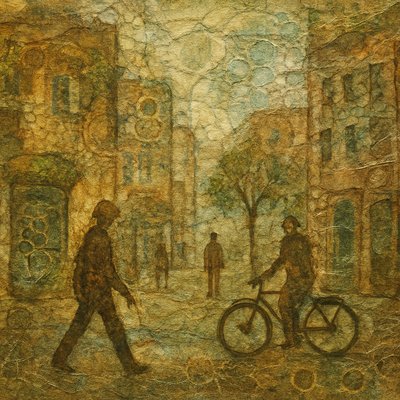
bicyle resting against a wall
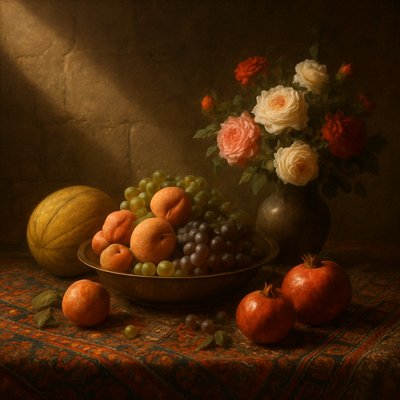
still life arrangement of fruits and flowers
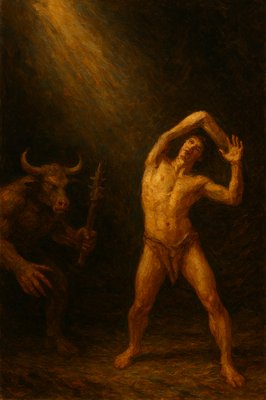
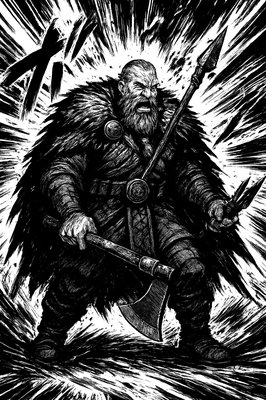
a black and white drawing of a monster attacking a man
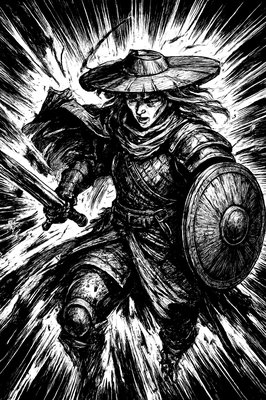
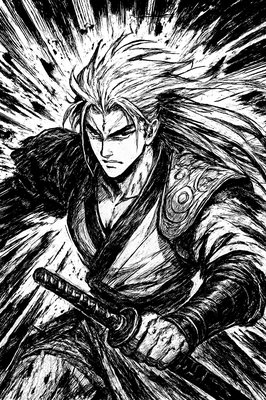
a black and white drawing of a knight
still life arrangement of fruits and flowers
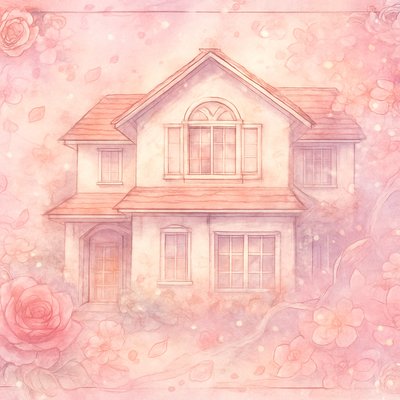
house with front view
New York City aerial view
A koi pond seen from above, orange and white koi fish swimming among lily pads, clear water with subtle ripples, fallen cherry blossom petals floating on the surface, dappled sunlight
Golden Age Fantasy Illustration Style, Painterly Realism, Crystalline Underwater Photography Aesthetic. A stunning view looking down through impossibly clear ocean water at a royal hunting party of Narnian Merpeople riding through ancient, seaweed-covered ruins on the seabed.

The Crucial Riding Posture: The Merpeople are riding large, powerful, scaled hippocamps (mythical sea-horses). Crucially, the merfolk are perched securely in a distinct side-saddle position on the backs of their mounts. Their powerful, scaled fish tails are coiled elegantly around the side flank of the hippocampus for stability, rather than straddling them like a human.

The Seahorse Anatomy: The hippocamps themselves have massive, armored tails that curl tightly forward beneath their own bodies, pushing them through the water.

Key Figures & Details: The Mer-King, with flowing white hair and fierce eyes, sits side-saddle, holding a gold-tipped spear. His deep amethyst tail is visible coiled against the mount’s scales. A Mer-Queen rides beside him wearing a shimmering gown. Bright shafts of sunlight pierce the water, illuminating the specific details of their riding posture and glittering scales.
Steampunk Historical Fantasy, Satirical Illustration Style, Cinematic Lighting. A bizarre, anachronistic scene inside a drafty medieval castle great hall (Camelot). A group of noblewomen, dressed in elaborate 6th-century velvet gowns, wimples, and tall pointed hennin hats with veils, are seated on rough wooden stools. They are furiously working a massive, makeshift telephone switchboard operator station.

The Technology: The switchboard is constructed from rough-hewn oak timbers, gleaming brass gears, porcelain insulators, and hundreds of thick, chaotic copper wires that are strung haphazardly across ancient tapestries and stone walls, disappearing out narrow arrow-slit windows.

The Action: The ladies hold bulky, antique Victorian-era earpieces and large brass mouthpieces, plugging heavy cables with oversized jacks into the board with expressions of intense concentration and mild confusion. Knights in armor walk past in the background, looking bewildered. Sunlight streams through gothic windows, illuminating the dust and the clash of eras.
A triptych oil painting, presented as three heavily framed, connected panels in the dramatic, tenebrism style of Baroque masters like Caravaggio. The overall atmosphere is one of supernatural, oppressive darkness and violent chaos.

The Left Panel shows the penitent thief on his cross, body twisted in pain but his face turned toward the center panel with a look of sorrowful acceptance. A faint, supernatural light illuminates his face against a nearly black sky. Below him, rocks are splitting.

The Center Panel is dominated by Jesus on the cross, head bowed in finality. The sky is a swirling vortex of eclipse darkness, blotting out the sun. The ground beneath the cross is violently cracking open, emitting dust and smoke, with debris caught in mid-air from the earthquake shockwave.

The Right Panel shows the impenitent thief, writhing and screaming against his bonds, his face contorted in rage looking away from the center. He is almost swallowed by the shadows. The cross appears unstable as the cliffside crumbles beneath it. The entire triptych has a rich, dark color palette of deep browns, blacks, and muted crimson, textured with visible, frantic brushstrokes.
An awe-inspiring and whimsical scene featuring Willy Wonka's Great Glass Wonkavator, soaring high above Louisiana and ascending into a fantastical sky. The Wonkavator itself is a magnificent, multi-directional glass elevator, transparent and sparkling, with Willy Wonka (in his iconic purple coat and top hat), and several  cats in stylish New Orleans clothing clearly visible and enjoying the ride inside. The interior of the Wonkavator shows intricate, whimsical control panels. The Wonkavator is depicted in mid-flight, having just burst through the factory roof or rising above the clouds. Below it, the fantastical landscape of the Bayou and various whimsical buildings from the city of New Orleans. Beyond is the ocean. The lighting is bright and magical, emphasizing the glass's transparency and the vibrant colors of the world below and beyond. The overall mood is one of boundless adventure, limitless possibilities, and pure, joyful fantasy."
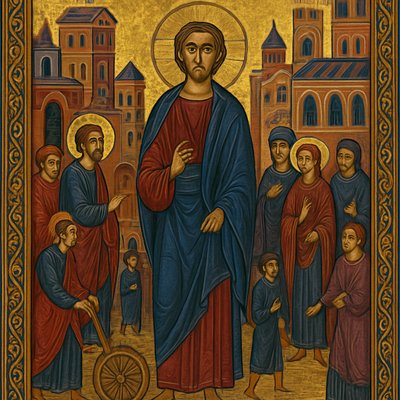
illustration depicting Jesus Christ as the true High Priest after the order of Melchizedek, fulfilling Hebrews 7:11.Standing prominently in radiant, warm golden light, Jesus dominates the foreground. He is clad in majestic, deep royal blue and your signature Tola scarlet priestly robes, heavily embroidered with intricate gold patterns of a roaring lion and flourishing grapevines. He does not wear the traditional Levitical (Aaron) high priestly garments. His expression is regal, compassionate, and powerful.A powerful, luminous golden aura shaped distinctly like a massive, roaring lion's head emanates from behind him, forming a spiritual halo that encompasses him. This symbolizes his dual role as King-Priest from the tribe of Judah. He holds up a golden chalice and a loaf of bread, referring to Melchizedek's offering and the new covenant.
An awe-inspiring and whimsical scene featuring Willy Wonka's Great Glass Wonkavator, soaring high above Louisiana and ascending into a fantastical sky. The Wonkavator itself is a magnificent, multi-directional glass elevator, transparent and sparkling, with Willy Wonka (in his iconic purple coat and top hat), and several  cats in stylish New Orleans clothing clearly visible and enjoying the ride inside. The interior of the Wonkavator shows intricate, whimsical control panels. The Wonkavator is depicted in mid-flight, having just burst through the factory roof or rising above the clouds. Below it, the fantastical landscape of the Bayou and various whimsical buildings from the city of New Orleans. Beyond is the ocean. The lighting is bright and magical, emphasizing the glass's transparency and the vibrant colors of the world below and beyond. The overall mood is one of boundless adventure, limitless possibilities, and pure, joyful fantasy."
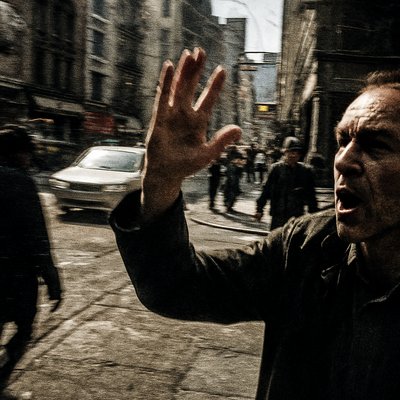
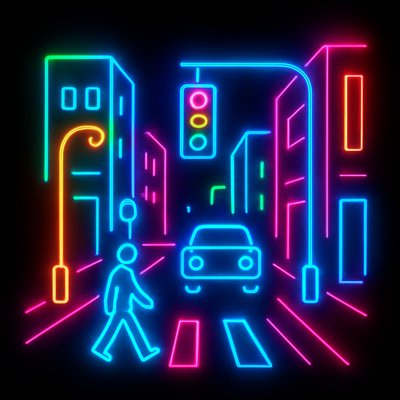
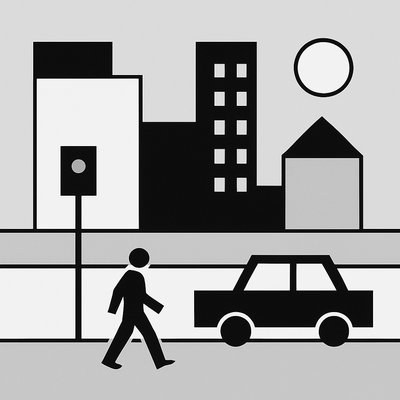
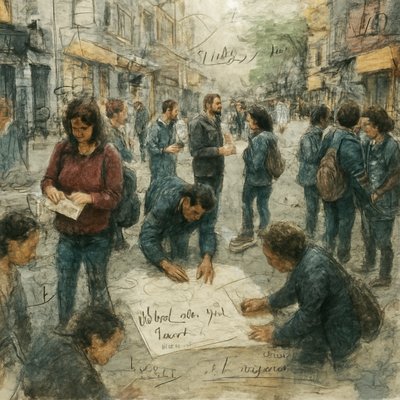
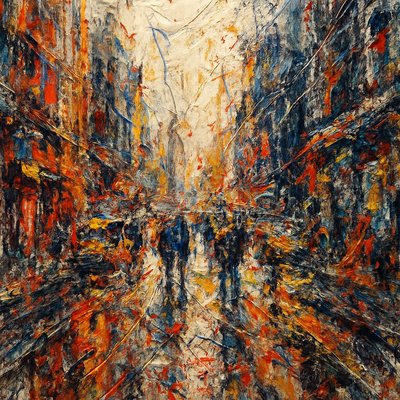
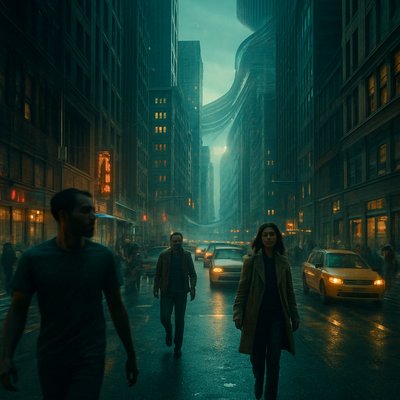
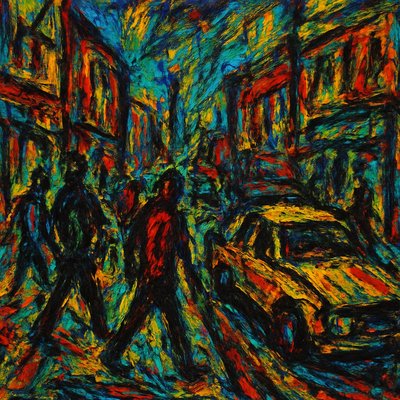
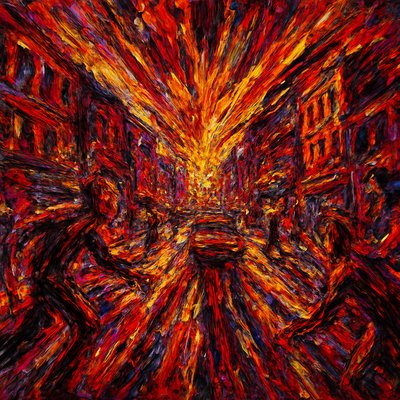
urban street with city activity
bicyle resting against a wall
An awe-inspiring and whimsical scene featuring Willy Wonka's Great Glass Wonkavator, soaring through the sky and beyond the confines of Ontario Canada and its flag. The Wonkavator itself is a magnificent, multi-directional glass elevator, transparent and sparkling, with Willy Wonka (wearing his iconic top hat, purple coat, and bowtie) and 2 Canadian ladies looking out with expressions of joy, wonder and excitement. The interior is filled with intricate buttons and levers for controlling its magical flight. The Wonkavator is depicted in mid-flight, ascending above the clouds flying out to the ocean. Below it, the fantastical landscape of Ontario Canada is visible with a large Canadian flay flying over the city. – and various whimsical buildings. Beyond Ontario, a stunning, imaginative sky unfolds, perhaps with floating candy clouds, distant fantastical landmarks, or even glimpses of outer space and planets. The lighting is bright and magical, emphasizing the glass's transparency and the vibrant colors of the world below and beyond. The overall mood is one of boundless adventure, limitless possibilities, and pure, joyful fantasy."
An awe-inspiring and whimsical scene featuring Willy Wonka's Great Glass Wonkavator, soaring through the sky and beyond the confines of the chocolate factory. The Wonkavator itself is a magnificent, multi-directional glass elevator, transparent and sparkling, with Willy Wonka (wearing his iconic top hat, purple coat, and bowtie) and Charlie Bucket (and perhaps Grandpa Joe) inside, looking out with expressions of wonder and excitement. The interior is filled with intricate buttons and levers for controlling its magical flight.

The Wonkavator is depicted in mid-flight, perhaps bursting through the factory roof or ascending above the clouds. Below it, the fantastical landscape of the Chocolate Factory is visible – chocolate rivers, edible gardens, candy cane trees, and various whimsical buildings. Beyond the factory, a stunning, imaginative sky unfolds, perhaps with floating candy clouds, distant fantastical landmarks, or even glimpses of outer space and planets. The lighting is bright and magical, emphasizing the glass's transparency and the vibrant colors of the world below and beyond. The overall mood is one of boundless adventure, limitless possibilities, and pure, joyful fantasy."
An awe-inspiring and whimsical scene featuring Willy Wonka's Great Glass Wonkavator, soaring high above the chocolate factory and ascending into a fantastical sky. The Wonkavator itself is a magnificent, multi-directional glass elevator, transparent and sparkling, with Willy Wonka (in his iconic purple coat and top hat), young Charlie Bucket, and Grandpa Joe clearly visible and enjoying the ride inside. Wonka points excitedly, Charlie looks out with wide-eyed wonder, and Grandpa Joe grins with delight. The interior of the Wonkavator shows intricate, whimsical control panels.

The Wonkavator is depicted in mid-flight, having just burst through the factory roof or rising above the clouds. Below it, the fantastical landscape of the Chocolate Factory is spread out – chocolate rivers, edible gardens, candy cane trees, and various whimsical buildings. Beyond the factory, a stunning, imaginative sky unfolds, filled with floating candy clouds, distant fantastical landmarks, and even glimpses of planets and stars. The lighting is bright and magical, emphasizing the glass's transparency and the vibrant colors of the world below and beyond. The overall mood is one of boundless adventure, limitless possibilities, and pure, joyful fantasy."
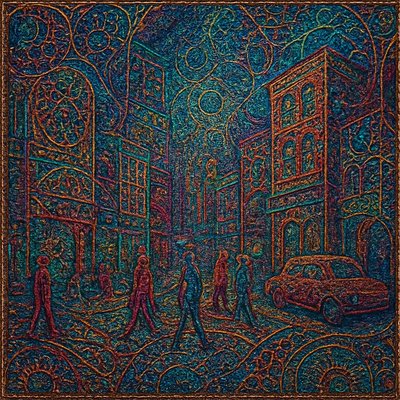
Postmodernism Art Style Style Transfer Example
Golden Age Fantasy Illustration Style, Painterly Realism, Crystalline Underwater Photography Aesthetic. A stunning view looking straight down through impossibly clear, glassy ocean water, as if peering over the edge of a ship. Below, on the white sand seabed, are the seaweed-covered ruins of a sunken, ancient civilization.

The Merpeople: A royal hunting party of Narnian Mermen and Mermaids are riding through the submerged streets. They are not gentle, fairy-tale creatures, but possess a wild, fierce majesty. They ride side saddle tails aside their large, powerful, scaled hippocamps (mythical sea-horses). 

Key Figures & Details: The Mer-King, with flowing white hair and a stern expression, wears armor crafted from iridescent pearl and abalone shells, brandishing a long spear tipped with gold. His powerful tail is deep amethyst. A fierce Mer-Queen rides beside him, her colors shimmering emerald and gold. Smaller merfolk follow, shaking spears.

Lighting & Atmosphere: Bright shafts of sunlight pierce the deep water, illuminating the underwater dust motes and making the scales of the merfolk and their mounts sparkle intensely. The mood is silent, ancient, and awe-inspiring.
    A breathtaking, full-size artistic sculpture of a standing buffalo, rendered entirely in the style of intricate, luminous glass art, reminiscent of the painted buffalo installations found in West Yellowstone. The Buffalo is standing in the nature of Yellowstone National Park. The buffalo's form is composed of countless individual pieces of vibrant, multifaceted stained glass or fused glass, meticulously cut, arranged, and joined, creating a cohesive and majestic shape.

    Instead of traditional paint, the entire surface of this glass buffalo is adorned with various miniature, finely detailed scenes and patterns etched, painted, or embedded within the glass itself, or created by the unique coloration and texture of the glass pieces. These scenes could depict:

        Western landscapes: Yellowstone's geysers, mountain ranges, pine forests, rivers.

        Wildlife: Elk, bears, wolves, eagles (in glass).

        Native American art motifs: Geometric patterns, symbols, and figures (also rendered in glass).

        Historical moments: Subtle nods to early explorers or iconic figures (stylized in glass).

    The buffalo's interior is subtly illuminated, causing the entire sculpture to glow from within. Light catches every facet of the glass, creating a dazzling play of refracted colors and intricate shadows on the ground around it. The background is a clean, modern art gallery setting with soft, focused lighting, allowing the buffalo to be the sole, radiant centerpiece. The atmosphere is one of awe, wonder, and appreciation for artistic craftsmanship and the spirit of the American West, reimagined through a unique, luminous medium. The artistic style is hyper-realistic, emphasizing the detailed texture, transparency, and brilliant light play inherent in glass art."
An awe-inspiring and whimsical scene featuring Willy Wonka's Great Glass Wonkavator, soaring through the sky and beyond the confines of the chocolate factory. The Wonkavator itself is a magnificent, multi-directional glass elevator, transparent and sparkling, with Willy Wonka (wearing his iconic top hat, purple coat, and bowtie) and Charlie Bucket and Grandpa Joe inside, looking out with expressions of wonder and excitement. The interior is filled with intricate buttons and levers for controlling its magical flight.

The Wonkavator is depicted in mid-flight, perhaps bursting through the factory roof or ascending above the clouds. Below it, the fantastical landscape of the Chocolate Factory is visible – chocolate rivers, edible gardens, candy cane trees, and various whimsical buildings. Beyond the factory, a stunning, imaginative sky unfolds, perhaps with floating candy clouds, distant fantastical landmarks, or even glimpses of outer space and planets. The lighting is bright and magical, emphasizing the glass's transparency and the vibrant colors of the world below and beyond. The overall mood is one of boundless adventure, limitless possibilities, and pure, joyful fantasy."
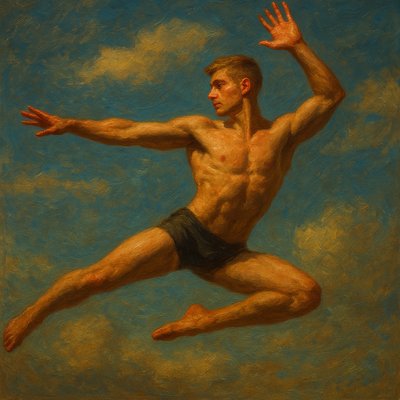
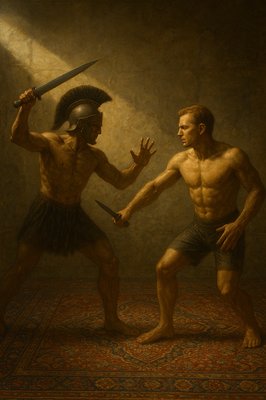
a painting of a shirtless man doing karate
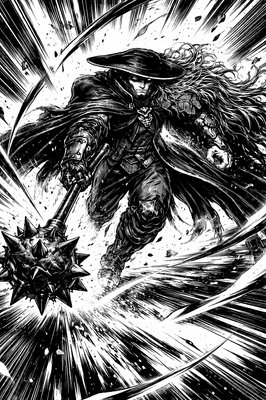
a black and white drawing of a creature holding a sword