A Man Sitting In A Lotus Position With A Lit Candle In His Hand Art

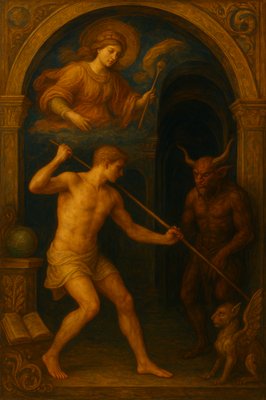
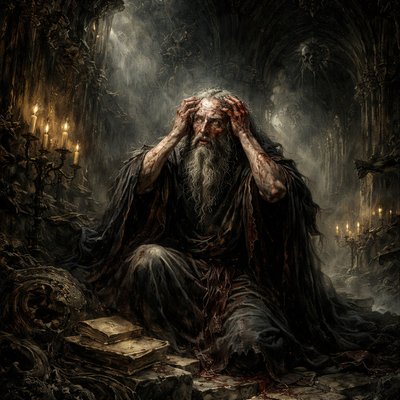
a painting of a man being attacked by a demon
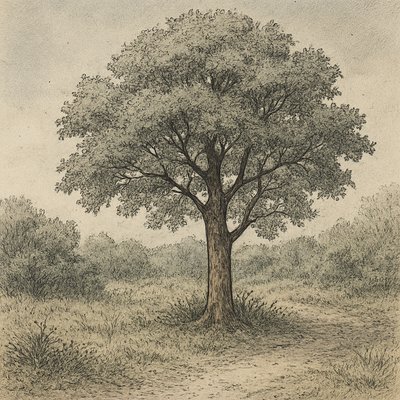
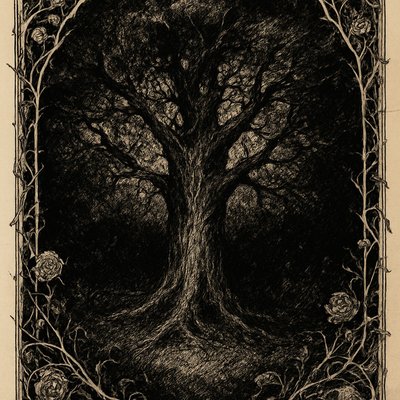
a tree in nature
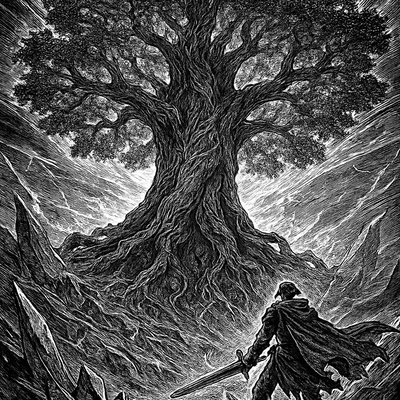
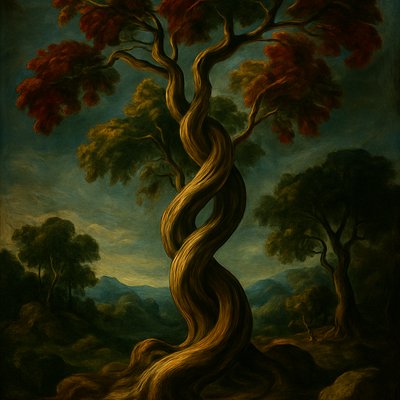
a tree in nature
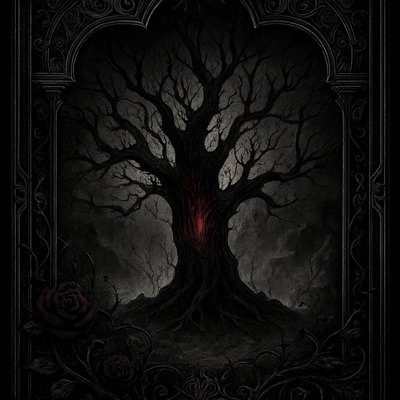
a tree in nature
a tree in nature
a tree in nature
a tree in nature
a tree in nature
serene landscape with mountains and water
house with front view
a tree in nature
a tree in nature
a tree in nature
a tree in nature
a tree in nature
a tree in nature
a tree in nature
a tree in nature
a tree in nature
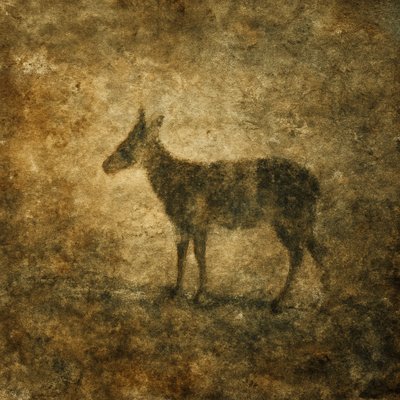
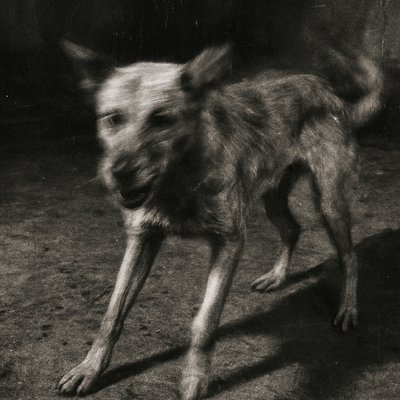
animal standing in natural pose
bicyle resting against a wall
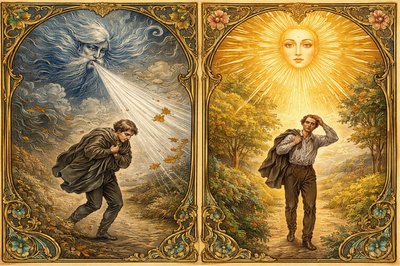
Vintage Art Nouveau Lithograph Style, Highly Decorative Borders, Rich Earth Tones and Gold Leaf. A vertically split "before and after" composition illustrating the classic fable of "The Wind and the Sun."

The Left Side (The Wind's Force): A personified North Wind, depicted as a swirling, ethereal figure made of cold blue and silver clouds with puffed cheeks, blows a jagged, visible blast of air downward. Below, a traveler on a dusty road is hunched over, his face strained, gripping his heavy woolen coat tightly around his chest as the gale whips his hair and sends autumn leaves flying in a chaotic spiral. The colors are cool, muted, and turbulent.

The Right Side (The Sun's Warmth): A personified Sun, depicted as a serene, radiant golden face surrounded by a massive, ornate circular halo of sunbeams, looks down with a gentle smile. Below, the same traveler is standing tall and relaxed on the path. His coat is draped loosely over one arm, his shirt collar is open, and he is wiping a bead of sweat from his forehead. The landscape around him is bathed in warm gold and vibrant greens, with tiny flowers blooming at his feet.

The Framing: The two scenes are separated by an elegant, winding vine border. The overall mood shifts from the frantic, cold energy on the left to the peaceful, overwhelming warmth on the right.
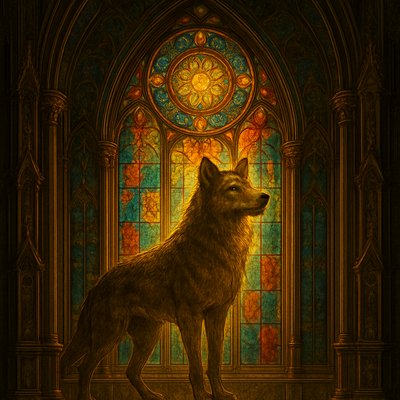
animal standing in natural pose
“And when I heard this thing, I rent my garment and my mantle, and plucked off the hair of my head and of my beard, and sat down astonied.” (Ezra 9:3, KJVA)
A koi pond seen from above, orange and white koi fish swimming among lily pads, clear water with subtle ripples, fallen cherry blossom petals floating on the surface, dappled sunlight
house with front view
urban street with city activity
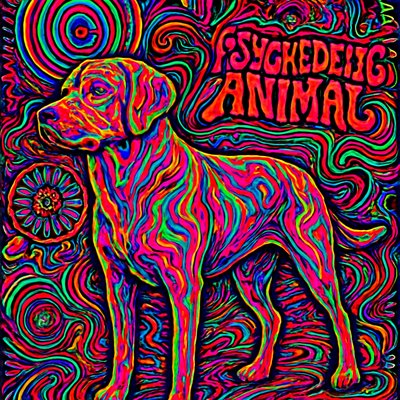
animal standing in natural pose
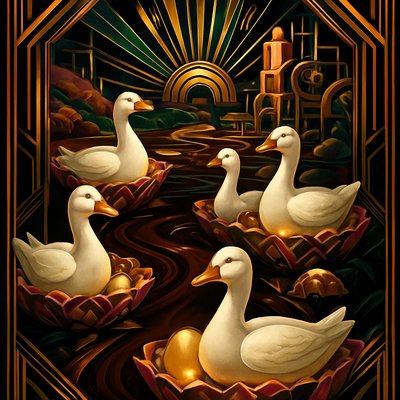
A whimsical and enchanting scene inside Willy Wonka's Chocolate Factory, featuring his extraordinary golden egg-laying geese. Several plump, pristine white geese are perched comfortably in ornate, perhaps slightly absurd, nests made of candy floss or sweet wrappers. Each goose is in the process of laying, or has just laid, a perfectly smooth, shimmering golden egg, which glows with a soft, magical luminescence. The geese themselves have a benevolent, slightly proud expression. The background reveals a fantastical, imaginative section of the factory, with edible landscapes, rivers of chocolate, and machinery built from confectionery. The lighting is soft, warm, and magical, emphasizing the golden glow of the eggs and the fantastical nature of the setting. The overall mood is one of sweet wonder, delight, and a touch of eccentricity."
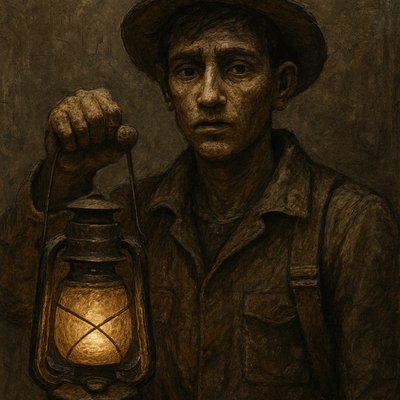
a painting of a man holding a lantern
urban street with city activity
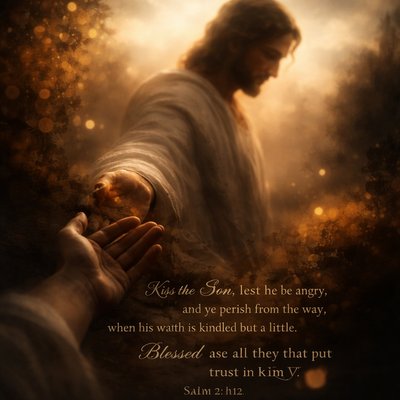
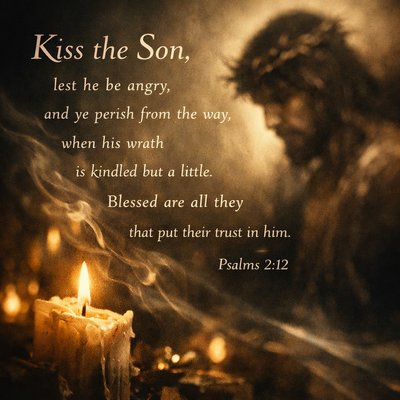
“Kiss the Son, lest he be angry, and ye perish from the way, when his wrath is kindled but a little. Blessed are all they that put their trust in him.” (Psalms 2:12, KJV)
Ronin facing sunset duel
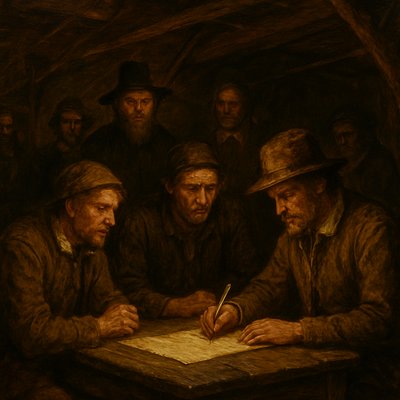
A historically accurate and atmospheric depiction of the signing of the Mayflower Compact aboard the ship in November 1620. The scene is set in the dimly lit, cramped cabin of the Mayflower, with the ship's timbers and rigging subtly visible, conveying the challenging conditions of the voyage. A simple table or chest serves as the signing surface. The primary focus is on a small group of the last individuals signing the document: specifically, the indentured servants (or 'strangers' not directly part of the Separatist congregation) approaching or at the table. Their expressions show a mix of weary determination, understanding of the necessity, and perhaps a hint of quiet apprehension or resignation to this new social contract, given their status. They are dressed in the plain, practical clothing typical of 17th-century commoners and laborers. Figures of prominent Pilgrims or 'Saints' (like William Bradford or John Carver) are visible in the background, observing the proceedings with a sense of gravity and leadership, but they are not the central focus. The lighting is low and warm, perhaps from a lantern, creating a chiaroscuro effect that highlights the faces of the signers. The atmosphere conveys the momentousness of the act under difficult circumstances, the diverse composition of the group, and the early seeds of self-governance in a new world. The artistic style is a realistic, historically detailed oil painting, capturing the solemnity and human element of this pivotal historical moment."