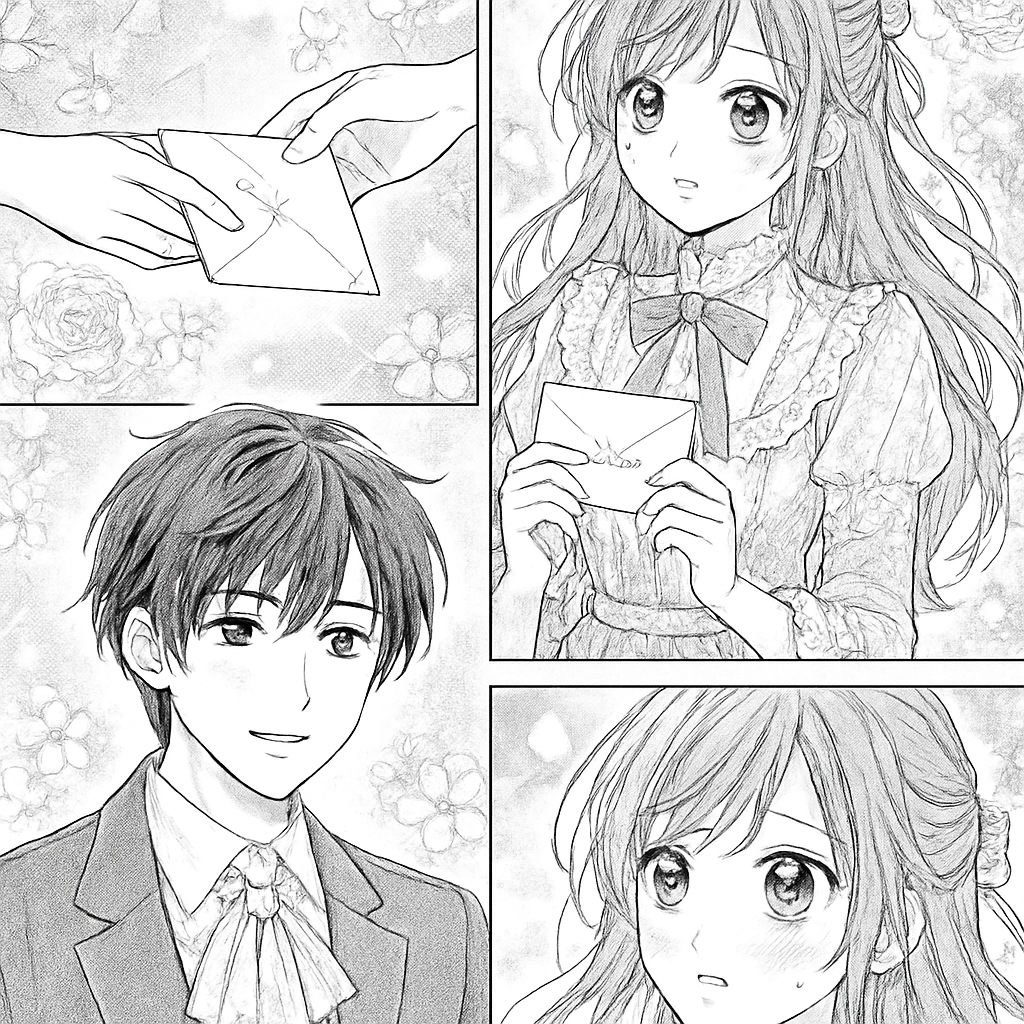
A Man In A Black And White Outfit Holding His Hands To His Face Art

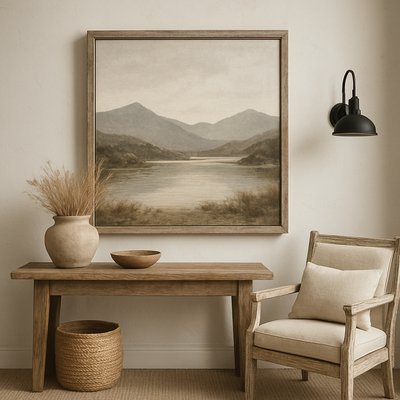
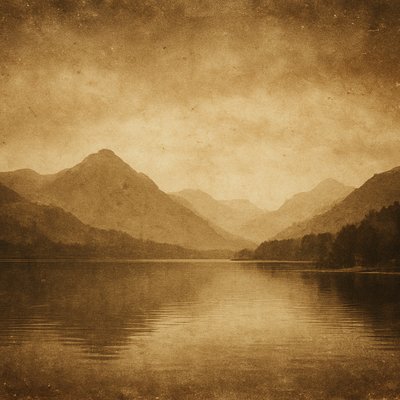
serene landscape with mountains and water
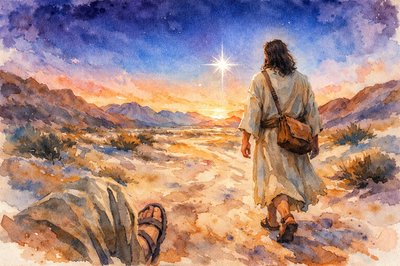
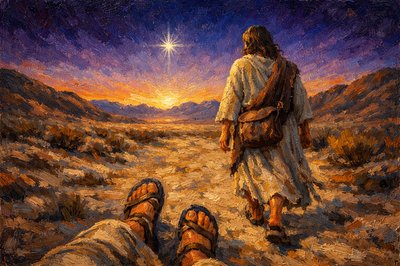
Jesus stands at the door and knocks
Rococo Art Style, Digital Art Style, a brilliantly joyful, opulent, and ornate three-quarter-length portrait of "The Queen in Gold of Ophir," inspired by Psalm 45. The Queen is facing the viewer with a radiant, happy, and genuinely smiling expression, her pose one of graceful delight. She is adorned in an exquisitely detailed gown woven from the finest gold, which shimmers with a dazzling, intense, almost liquid radiance, typical of Rococo opulence and digital highlight. The gold fabric is intricately embellished with countless sparkling jewels and delicate scrolling patterns in shades of ivory and pearl. A magnificent golden crown, wreathed in tiny golden lilies, rests upon her head. Her hands are gently placed, perhaps holding a single, pure white lily. She is framed by a background featuring large, lush, stylized white and golden lilies and an ornate, soft-focus garden setting bathed in sweet, cheerful daylight. Focus intently on the dazzling, reflective shimmer and ornate detail of the gold gown, the Queen's beautiful, joyous smile, and the light, ethereal quality of the Rococo setting.
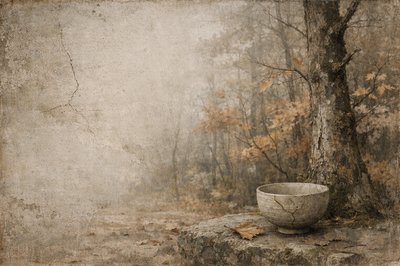
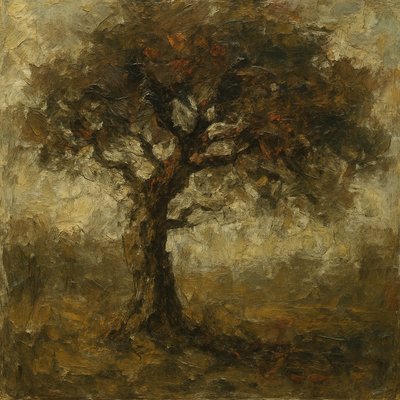
a tree in nature
a tree in nature
That's an excellent idea for a powerful, dramatic image. Jannes and Jambres opposing Moses is a scene that calls for intense figures and a sense of divine confrontation.

Here is a prompt for ArtStyles.com focusing on Jannes and Jambres, the Egyptian magicians who tried to replicate Moses's miracles:

Jannes and Jambres Prompt

"A dramatic, indoor scene from the Book of Exodus depicting the confrontation between Moses and the Egyptian magicians, Jannes and Jambres, in the court of Pharaoh. In the foreground, Jannes and Jambres stand proudly, dressed in ornate, gold-trimmed Egyptian robes, their faces stern and defiant. They are surrounded by their magical staffs and are attempting to replicate a miracle, perhaps surrounded by writhing, magically created snakes. Moses stands opposite them, his figure conveying authority and resolve, illuminated by a stark, celestial light. The background is a grand, dimly lit hall in the Egyptian palace, filled with massive columns and Pharaoh watching from his throne. The mood is one of intense rivalry, ancient power, and dramatic tension." "cinematic lighting, ultra-realistic, epic scale, magical energy effects"
Ruined abbey in thunderstorm
They shall build houses and inhabit them;
they shall plant vineyards and eat their fruit.
and my chosen shall long enjoy the work of their hands.
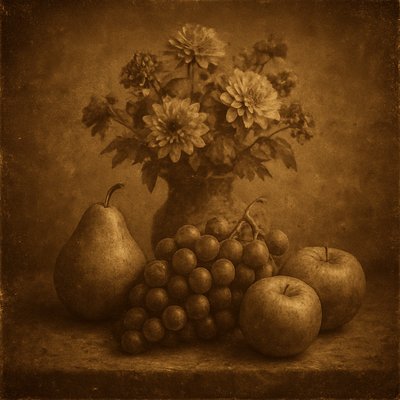
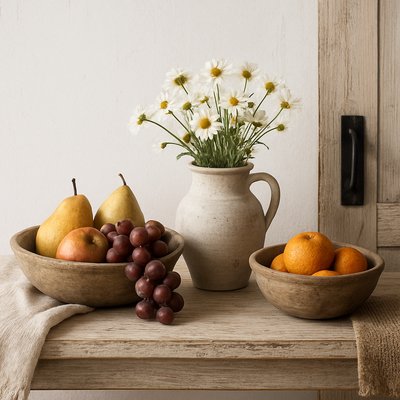
still life arrangement of fruits and flowers
A historically accurate and atmospheric depiction of the signing of the Mayflower Compact aboard the ship in November 1620. The scene is set in the dimly lit, cramped cabin of the Mayflower, with the ship's timbers and rigging subtly visible, conveying the challenging conditions of the voyage. A simple table or chest serves as the signing surface. The primary focus is on a small group of the last individuals signing the document: specifically, the indentured servants (or 'strangers' not directly part of the Separatist congregation) approaching or at the table. Their expressions show a mix of weary determination, understanding of the necessity, and perhaps a hint of quiet apprehension or resignation to this new social contract, given their status. They are dressed in the plain, practical clothing typical of 17th-century commoners and laborers. Figures of prominent Pilgrims or 'Saints' (like William Bradford or John Carver) are visible in the background, observing the proceedings with a sense of gravity and leadership, but they are not the central focus. The lighting is low and warm, perhaps from a lantern, creating a chiaroscuro effect that highlights the faces of the signers. The atmosphere conveys the momentousness of the act under difficult circumstances, the diverse composition of the group, and the early seeds of self-governance in a new world. The artistic style is a realistic, historically detailed oil painting, capturing the solemnity and human element of this pivotal historical moment."
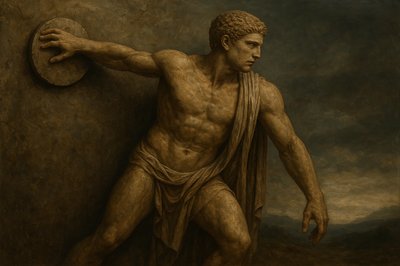
Athletic figure in motion
Personal anxiety levels as mountain range
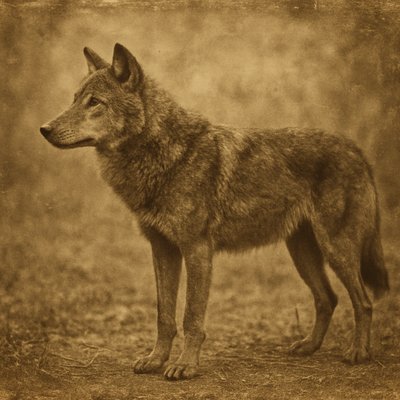
animal standing in natural pose
a painting of jesus holding a book and a heart
a painting of a woman holding a bow and arrow
"A historically accurate depiction of a Ghost Dance, focusing on the late 19th-century context, specifically around 1890-1891. The scene shows Lakota (Sioux) or Northern Paiute people (specify one or include elements of both, but avoid anachronisms) participating in the ceremony.

Setting: A vast, open prairie or high desert landscape, under an expansive sky. The time of day could be dusk or night, with a prominent moon or stars, or a bright, clear day. Avoid overtly spiritual or ethereal elements like floating spirits unless explicitly requested for a later, more symbolic iteration. The focus should be on the earthly ceremony.

Participants: A circle of men, women, and children, hand-in-hand, moving in a slow, rhythmic shuffle or circular motion. Their faces show a mixture of devotion, hope, and determination. Some may have expressions of trance or deep concentration.

Attire:

    Ghost Dance Shirts/Dresses: Emphasize the unique Ghost Dance shirts and dresses, which were typically made of muslin or canvas. These garments should feature painted designs such as stars, crescents, birds (especially eagles or crows), buffalo, human figures, or crosses. The designs should appear hand-painted, not mass-produced.

    Hair and Adornments: Participants should have braided hair or wear it long. Some may wear feathers (e.g., eagle or hawk feathers) in their hair. Minimal traditional adornments, as the focus was often on the Ghost Dance shirt itself. Avoid overly elaborate or Hollywood-esque depictions of war bonnets unless relevant to a specific individual and context.

    Footwear: Moccasins or bare feet.

Action/Atmosphere:

    The dancers are moving in a counter-clockwise circle, with a central figure or a small group often leading.

    The overall mood is one of earnest prayer and communal spiritual effort. The dance should convey a sense of hope for renewal and the return of the old ways, rather than aggression or despair.

    There might be a central pole or small fire as a focal point, around which the dance takes place.

    Avoid any signs of direct conflict or violence; the Ghost Dance itself was a non-violent spiritual movement.

Specific Considerations for Accuracy:

    Wovoka's Influence: The teachings of Wovoka (the Northern Paiute prophet) emphasized peace, hard work, and the return of the buffalo and deceased ancestors. The scene should subtly reflect this hopeful, redemptive spirit.

    Regional Variations: If focusing on Lakota, consider their specific interpretations, which sometimes included more imagery related to their warrior traditions on the shirts, but still within the peaceful framework of the dance.

    Respectful Portrayal: Ensure the depiction is respectful and avoids any stereotypical or caricatured representations of Indigenous people. Focus on their human dignity and spiritual sincerity.
The Fourth reached out his eager hand and felt about the knee. What most this wondrous beast is like is mighty plain, said he; Tis clear enough the Elephant is very like a tree!
bicyle resting against a wall
portrait of a person with expressive eyes
a drawing of a woman holding a sword
a tree in nature
A breathtaking forest clearing at winter twilight, filled with deep emerald pines and soft ambient mist. At the center of the scene stands an extraordinary Christmas tree—its entire form cleverly created by living horses. Dozens of horses of various sizes and colors stand arranged in a perfect triangular formation from wide base to narrow peak, their bodies forming the layered silhouette of a lush holiday tree. Each horse is positioned with elegant precision so their necks, flowing manes, and arched backs mimic the contours of branches. The base layer features large, sturdy draft horses, chestnuts and bays, standing shoulder to shoulder like the lower boughs. Mid-levels transition to sleek Arabians, palominos, and black stallions, their manes fanned outward like sweeping tree limbs. Near the top, smaller ponies and miniature horses form the upper taper, culminating in a single snow-white miniature horse standing proudly at the peak, glowing with soft magical light like a star.

The horses are adorned with delicate festive accents: strands of golden fairy lights draped across their bodies, pine-needle wreath garlands resting on their necks, tiny crystal ornaments clipped lightly to their manes, and subtle silvery frost sparkling on their coats. Each horse’s breath forms soft clouds in the chilly air. Snow gently falls through shafts of moonlight filtering between towering firs. The forest floor is blanketed with untouched white snow, except for the circle of hoofprints surrounding the living tree. Fireflies and bioluminescent particles drift among the trees, adding a mystical glow. Mood is grand, magical, cinematic, hyper-realistic with extreme detail, crisp textures of fur, snow, and pine, volumetric lighting, dramatic shadows, ultra-high resolution, enchanted winter atmosphere.

Camera & Style cues:
– Wide-angle lens, low camera angle looking slightly upward
– Cinematic depth of field
– Hyper-detailed photorealism
– Soft moonlit color palette with warm golden highlights
– 8K clarity, high dynamic range, deep contrast
– Slight ethereal glow for a magical holiday feel
Create a surrealist artwork in high definition, blending gold and white tones. Depict ethereal, dreamlike landscapes with shimmering golden structures-like floating palaces or delicate filigree towers-emerging from a misty, white void. Add surreal elements, such as clocks melting over golden cliffs or white-winged creatures with metallic feathers, inspired by Dalí's style. Ensure vibrant contrast between the radiant gold and crisp, luminous white, with smooth textures and intricate details for a hyper-realistic yet fantastical effect.
early 1900s American schoolhouse with snowy playground, dozens of children bundled in scarves and mittens, joyfully throwing snowballs, sliding down wooden sleds, climbing rustic playground equipment, nostalgic
Migration patterns
a tree in nature
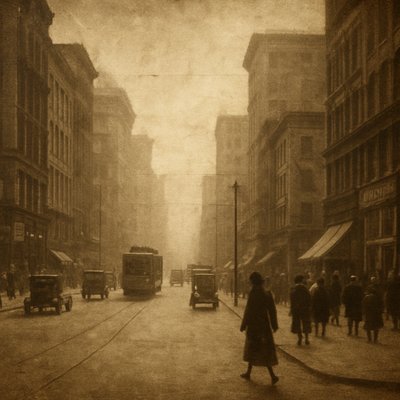
urban street with city activity
a drawing of a woman holding a sword
a painting of a demon holding a sword and a lantern
a painting of a woman holding a sword
Gritty Historical Realism Style, Cinematic Film Photography, Natural Daylight. A powerful, candid medium shot of the infamous pirate duo, Anne Bonny and Mary Read, standing side-by-side on the weathered wooden deck of the sloop Revenge in the Caribbean Sea (circa 1720).

The Subjects: Both are dressed in practical, worn 18th-century male sailor's attire—loose canvas breeches, oversized linen shirts, heavy leather waistcoats, and bandanas—scruffy clothing that disguises their gender at a distance but reveals them as fiercely capable women upon closer inspection. Their faces are sun-weathered, dirty, and determined.

Specific Details: Anne Bonny (left) has fiery red hair escaping a dark bandana and a tricorn hat pushed back; she holds a drawn cutlass and has a defiant, volatile expression. Mary Read (right) looks sturdier, wearing a heavy wool coat, arms crossed over her chest with two flintlock pistols visible in her sash, looking steady and calculating.

The Setting: The background is a chaotic, working pirate ship deck with coils of tarred rope, rigging, barrels, and a cannon. Beyond the rail is the turquoise ocean and a hazy tropical coastline. The lighting is harsh, midday sun, with salt spray in the air. The mood is tense, rebellious, and authentic. Film grain texture.
bicyle resting against a wall
Time Collision Surrealism Art Style Style Transfer Example
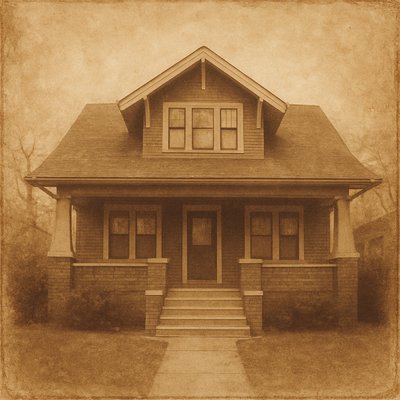
house with front view
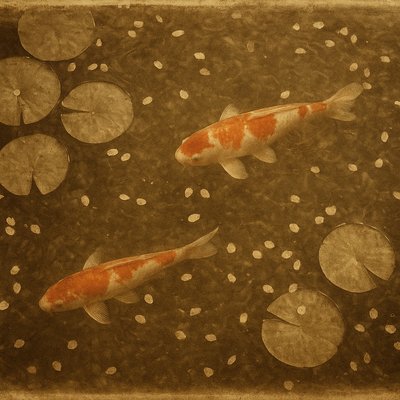
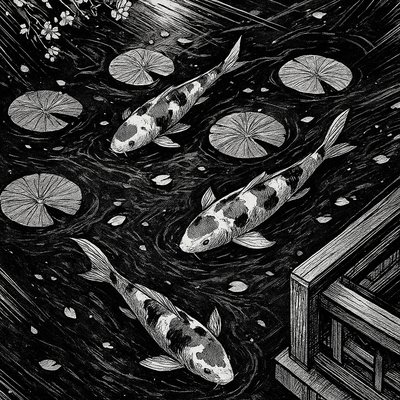
A koi pond seen from above, orange and white koi fish swimming among lily pads, clear water with subtle ripples, fallen cherry blossom petals floating on the surface, dappled sunlight
In the style of Franz Marc, create a horse startled from his rest. The horse is in a grassy field, fenced, with mountains in the background. The horse is a light tan with dark mane. The horse is sensitive to a coyote nearby, emerging from a stand of Ponderosa pines. The atmosphere is quiet and calm with some morning fog misting around.
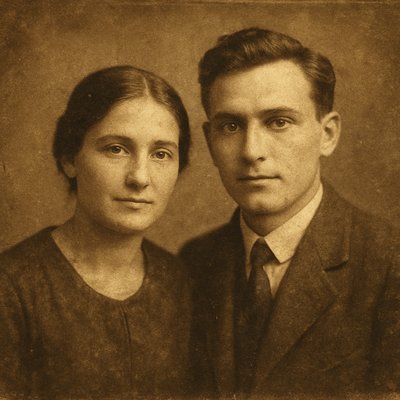
portrait of two people together
Create a surrealist artwork in high definition, blending gold and white tones. Depict ethereal, dreamlike landscapes with shimmering golden structures-like floating palaces or delicate filigree towers-emerging from a misty, white void. Add surreal elements, such as clocks meltingover golden cliffs or white-winged creatures with metallic feathers, inspired by Dalí's style. Ensure vibrant contrast between the radiant gold and crisp, luminous white, with smooth textures and intricate details for a hyper-realistic yet fantastical effect.
a painting of a demon holding a sword