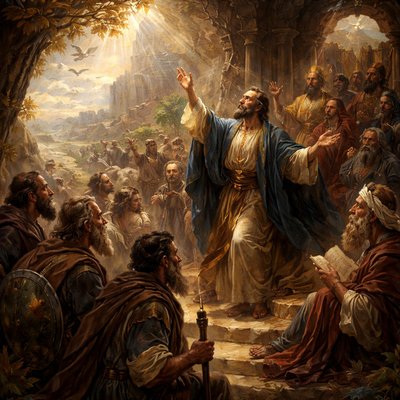
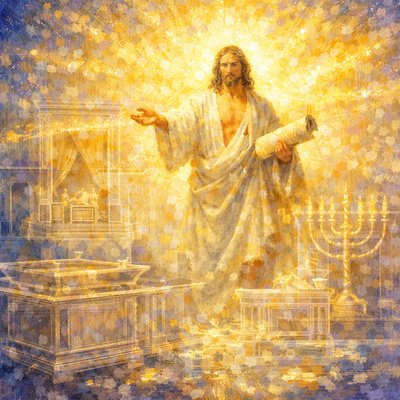
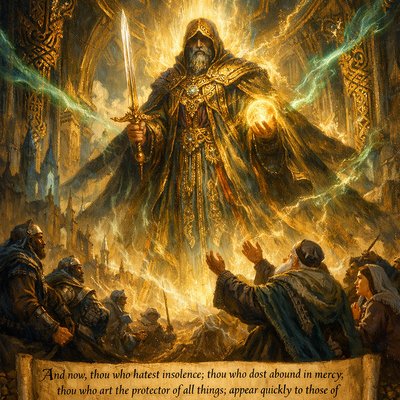
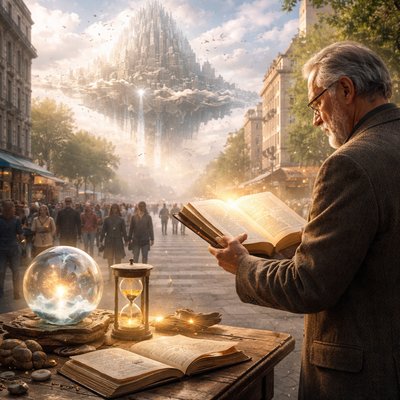
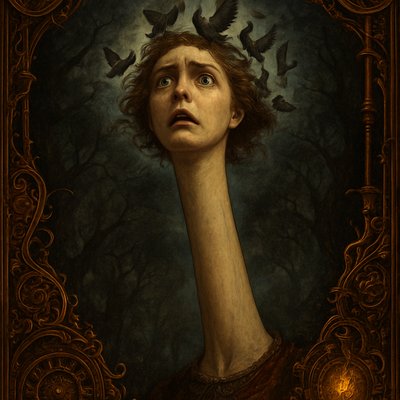
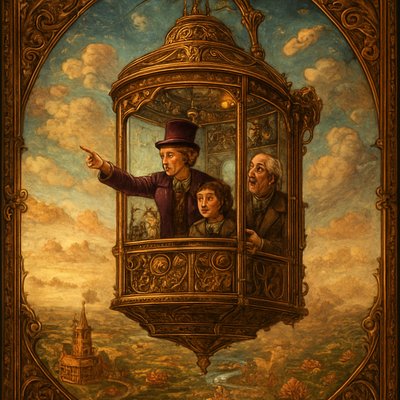
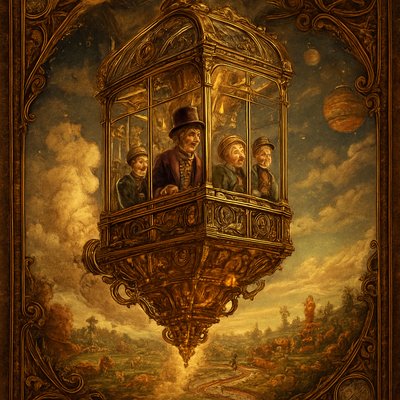
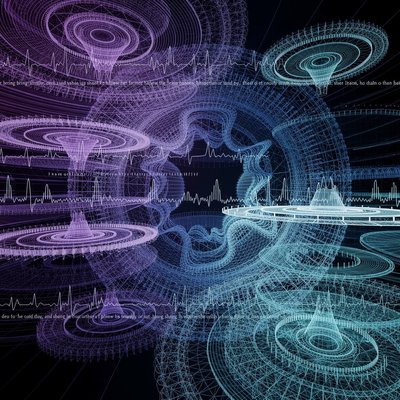
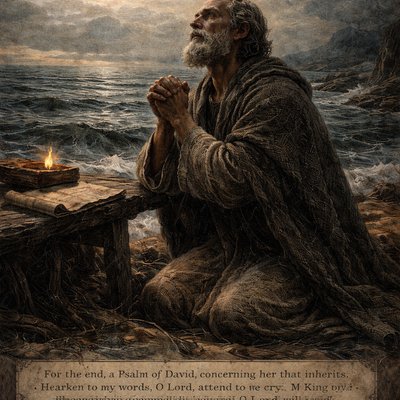
A Highly Conceptual And Symbolic Representation Of Isaiah 48:5. Visualize A Vast, Ancient Timepiece Or Scroll That Is Art

"A historically accurate depiction of a Ghost Dance, focusing on the late 19th-century context, specifically around 1890-1891. The scene shows Lakota (Sioux) or Northern Paiute people (specify one or include elements of both, but avoid anachronisms) participating in the ceremony.

Setting: A vast, open prairie or high desert landscape, under an expansive sky. The time of day could be dusk or night, with a prominent moon or stars, or a bright, clear day. Avoid overtly spiritual or ethereal elements like floating spirits unless explicitly requested for a later, more symbolic iteration. The focus should be on the earthly ceremony.

Participants: A circle of men, women, and children, hand-in-hand, moving in a slow, rhythmic shuffle or circular motion. Their faces show a mixture of devotion, hope, and determination. Some may have expressions of trance or deep concentration.

Attire:

    Ghost Dance Shirts/Dresses: Emphasize the unique Ghost Dance shirts and dresses, which were typically made of muslin or canvas. These garments should feature painted designs such as stars, crescents, birds (especially eagles or crows), buffalo, human figures, or crosses. The designs should appear hand-painted, not mass-produced.

    Hair and Adornments: Participants should have braided hair or wear it long. Some may wear feathers (e.g., eagle or hawk feathers) in their hair. Minimal traditional adornments, as the focus was often on the Ghost Dance shirt itself. Avoid overly elaborate or Hollywood-esque depictions of war bonnets unless relevant to a specific individual and context.

    Footwear: Moccasins or bare feet.

Action/Atmosphere:

    The dancers are moving in a counter-clockwise circle, with a central figure or a small group often leading.

    The overall mood is one of earnest prayer and communal spiritual effort. The dance should convey a sense of hope for renewal and the return of the old ways, rather than aggression or despair.

    There might be a central pole or small fire as a focal point, around which the dance takes place.

    Avoid any signs of direct conflict or violence; the Ghost Dance itself was a non-violent spiritual movement.

Specific Considerations for Accuracy:

    Wovoka's Influence: The teachings of Wovoka (the Northern Paiute prophet) emphasized peace, hard work, and the return of the buffalo and deceased ancestors. The scene should subtly reflect this hopeful, redemptive spirit.

    Regional Variations: If focusing on Lakota, consider their specific interpretations, which sometimes included more imagery related to their warrior traditions on the shirts, but still within the peaceful framework of the dance.
    Respectful Portrayal: Ensure the depiction is respectful and avoids any stereotypical or caricatured representations of Indigenous people. Focus on their human dignity and spiritual sincerity.
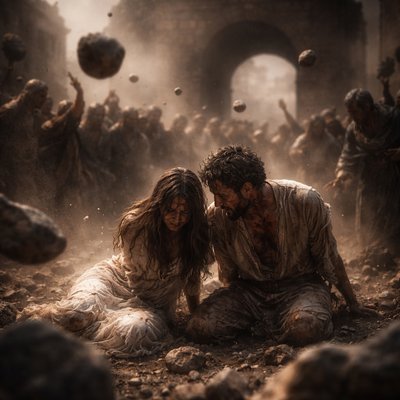
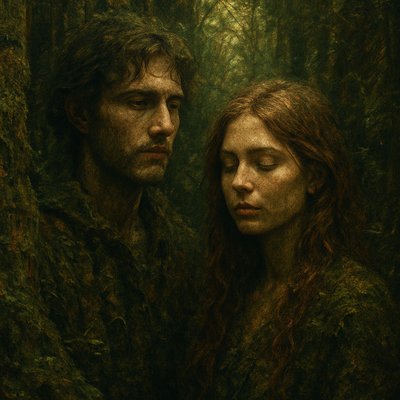
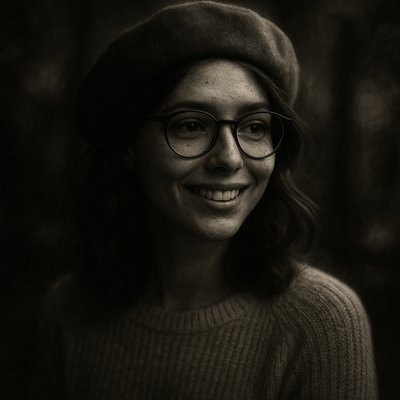
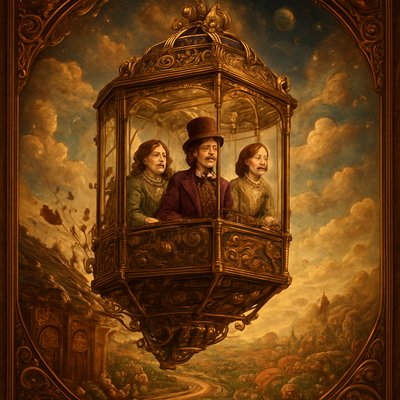
portrait of two people together
A serene and majestic watercolor painting, capturing the essence of a grand, towering evergreen tree (like the dominant one in the provided image) standing proudly in a sun-dappled, open forest glade. The tree's deep green needles are rendered with varying washes, showcasing its immense height and full, tiered branches that reach towards a partly cloudy, bright blue sky.

In the foreground and around the base of this glorious tree, two or three graceful mule deer are depicted. One might be grazing peacefully, another looking up towards the viewer with its large, expressive ears, and a fawn possibly tucked nearby. Their coats are rendered in soft, earthy watercolor tones of grey-brown, with delicate highlights and shading to suggest their gentle forms and distinctive white rumps and tails.

The surrounding landscape features a subtle ground cover of dry grasses and scattered undergrowth, characteristic of a high-desert or mountain forest floor, painted with soft, blended washes of ochre, sage green, and light brown. The sky above is a classic watercolor blend of soft blues and wispy white clouds. The overall mood is one of tranquil natural beauty, quiet majesty, and a harmonious coexistence of wildlife and ancient trees, rendered with the flowing, luminous quality of watercolor art
A majestic lion, eyes gleaming with predatory intensity, crouches low in a shadowy, ancient cave. Its powerful muscles are tensed, ready to spring. Dust motes dance in slivers of light piercing the cavern. The atmosphere is tense and expectant. Photorealistic, cinematic lighting, deep shadows, natural textures, dramatic perspective. Scene is figurative depiction of Psalm 10:9-10.
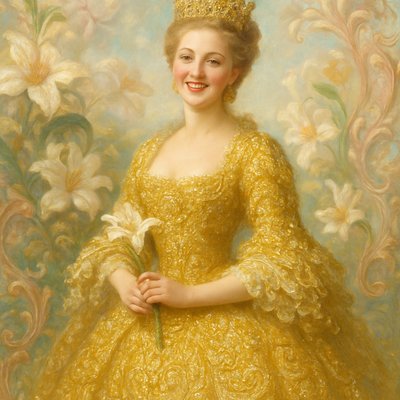
Oil Painting Art Style, Baroque Art Style, a breathtakingly majestic and regal portrait of "The Queen in Gold of Ophir," inspired by Psalm 45. The Queen stands with impeccable grace and royal dignity, her posture radiating quiet power. Her expression is serene, gentle, and profoundly gracious, with a subtle, knowing smile, reflecting noble peace. She is adorned in an exquisitely elaborate gown woven entirely from the finest, purest gold of Ophir, which shimmers and gleams with unparalleled brilliance, catching every ray of light. Her attire is intricately embellished with countless precious jewels—sapphires, rubies, and emeralds—each sparkling intensely with Baroque dynamism. A delicate yet regal golden crown, also ablaze with light, rests upon her head. The setting is a grand, opulent royal palace chamber, with rich tapestries and polished marble, bathed in dramatic, warm, golden ambient light that creates striking highlights and deep, luxurious shadows, making her and her lavish garments glow. Focus on the unparalleled brilliance, texture, and radiant shine of her golden gown, the intense sparkle of her jewels, her majestic yet gentle presence, and the luxurious, sacred atmosphere befitting a queen in God's presence.
portrait of two people together
house with front view
Photorealism Art Style, a magnificent, life-sized, vintage steam train (reminiscent of the "Time Train" from Back to the Future Part III, complete with futuristic modifications and gleaming brass accents) is captured in a dynamic moment, aggressively bursting forth from a shimmering, swirling spacetime continuum portal or wormhole. The portal glows with ethereal blues, purples, and electric greens, distorting the air around it. The train's front half has already emerged, with steam and sparks flying, as it dramatically enters through the mouth of a dark, natural rock tunnel nestled deep within the lush, rugged Appalachian Mountains. The surrounding mountain landscape is ablaze with vibrant fall foliage in stunning hues of deep red, fiery orange, and brilliant gold, mixed with green evergreens, under a slightly overcast, dramatic sky. Focus on the hyper-realistic details of the steam train, the dynamic, energetic effects of the spacetime portal, and the authentic textures of the Appalachian rock and the rich autumn leaves, all illuminated by the contrasting light of the portal and the natural environment.
A stunning and spiritually evocative depiction of the traditional Lakota Hoop Dance (or Intertribal Hoop Dance). The central figure is a single, male Hoop Dancer, captured mid-motion, demonstrating incredible agility and grace. He is adorned in vibrant, traditional regalia with intricate beadwork, feathers, and fringes, and is surrounded by a mesmerizing array of hoops, dynamically formed into various shapes and symbols, representing animals, stories, or the sacred circle of life. His face reflects intense focus, reverence, and the deep storytelling inherent in the dance. In the background, partially obscured by a light morning mist or soft haze, the monumental carving of the Crazy Horse Memorial is visible, lending a profound sense of historical continuity, honor, and enduring spirit to the scene. The setting is an open, natural area, perhaps a grassy plain or red rock outcropping, under a clear, early morning sky with the sun just beginning to illuminate the landscape, casting a soft, golden light. The atmosphere is one of dynamic energy, profound cultural pride, and deep spiritual connection to both tradition and the ancestral land. The artistic style is a vivid, realistic painting with a strong sense of movement, capturing the intricate details of the hoops and regalia, against the majestic, stoic presence of the memorial."

Key Considerations Reflected in This Prompt:

    Corrected Dance Name: Clearly states "Lakota Hoop Dance (or Intertribal Hoop Dance)."

    Central Figure: Focuses on a "single, male Hoop Dancer" to highlight the individual skill and artistry.

    Hoops & Symbolism: Emphasizes the "mesmerizing array of hoops, dynamically formed into various shapes and symbols" and their meaning.

    Crazy Horse Memorial Background: Explicitly places the "monumental carving of the Crazy Horse Memorial" in the background, noting its symbolic significance ("historical continuity, honor, and enduring spirit").

    Setting & Lighting: Suggests "early morning mist or soft haze" for the background to give the memorial an ethereal quality, and "soft, golden light" for the dancer.

    Mood: Conveys "dynamic energy, profound cultural pride, and deep spiritual connection."

    Artistic Style: "Vivid, realistic painting with a strong sense of movement.
    A breathtaking, full-size artistic standing buffalo, rendered entirely in the style of intricate, luminous glass art, reminiscent of the painted buffalo installations. The buffalo's majestic form is composed of countless individual pieces of vibrant, multifaceted stained glass or fused glass, meticulously cut, arranged, and joined.

    The entire surface of this glass buffalo is adorned with various miniature, finely detailed scenes and patterns etched, painted, or embedded within the glass itself, or created by the unique coloration and texture of the glass pieces. These scenes depict:

        Iconic Yellowstone landscapes: Old Faithful erupting in miniature, the Grand Canyon of the Yellowstone, geothermal pools.

        Local wildlife: Elk, bears, wolves, eagles (all rendered in the glass medium).

        Native American art motifs: Geometric patterns, symbols, and figures (also within the glass).

    The buffalo's interior is subtly illuminated, causing the entire sculpture to glow from within, acting as a beacon of art and nature. Light catches every facet of the glass, creating a dazzling play of refracted colors that project intricate patterns onto the surrounding natural environment.

    The setting is the glory of Yellowstone National Park, specifically an expansive, iconic vista. Perhaps in a verdant meadow with distant geysers steaming, or near a crystal-clear river. The morning sun, bright and golden, backlights the buffalo, intensifying its inner glow and creating a dramatic contrast with the rugged, natural beauty of the park. The atmosphere is one of awe, harmony between art and nature, and a profound celebration of the spirit of the American West. The artistic style is hyper-realistic, emphasizing the detailed texture, transparency, and brilliant light play inherent in glass art, seamlessly integrated into a vibrant, natural landscape.
    A breathtaking, full-size artistic standing buffalo, rendered entirely in the style of intricate, luminous glass art, reminiscent of the painted buffalo installations. The buffalo's majestic form is composed of countless individual pieces of vibrant, multifaceted stained glass or fused glass, meticulously cut, arranged, and joined.

    The entire surface of this glass buffalo is adorned with various miniature, finely detailed scenes and patterns etched, painted, or embedded within the glass itself, or created by the unique coloration and texture of the glass pieces. These scenes depict:

        Iconic Yellowstone landscapes: Old Faithful erupting in miniature, the Grand Canyon of the Yellowstone, geothermal pools.

        Local wildlife: Elk, bears, wolves, eagles (all rendered in the glass medium).

        Native American art motifs: Geometric patterns, symbols, and figures (also within the glass).

    The buffalo's interior is subtly illuminated, causing the entire sculpture to glow from within, acting as a beacon of art and nature. Light catches every facet of the glass, creating a dazzling play of refracted colors that project intricate patterns onto the surrounding natural environment.

    The setting is the glory of Yellowstone National Park, specifically an expansive, iconic vista. Perhaps in a verdant meadow with distant geysers steaming, or near a crystal-clear river. The morning sun, bright and golden, backlights the buffalo, intensifying its inner glow and creating a dramatic contrast with the rugged, natural beauty of the park. The atmosphere is one of awe, harmony between art and nature, and a profound celebration of the spirit of the American West. The artistic style is hyper-realistic, emphasizing the detailed texture, transparency, and brilliant light play inherent in glass art, seamlessly integrated into a vibrant, natural landscape.