A Group Of People Dressed Up For A Ball Having A Balloon Fight Art

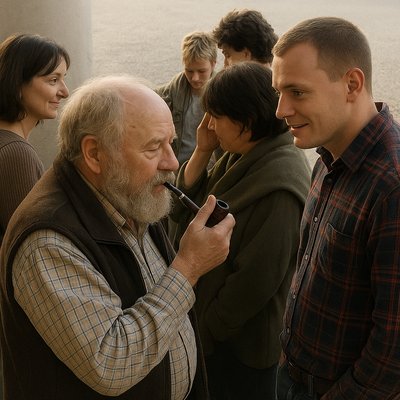
a group of people standing next to each other
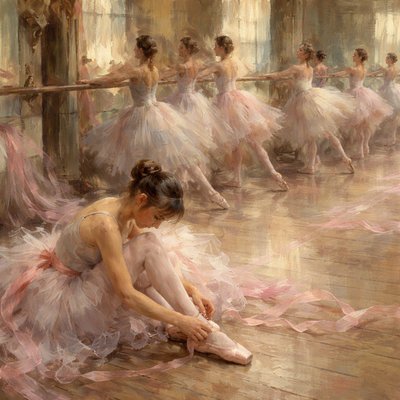
An impressionistic oil painting in the style of Edgar Degas, depicting a busy ballet rehearsal room. In the left foreground, a young dancer is seated on the floorboards, hunched over as she adjusts the ribbons of her ballet slippers. The brushwork is loose and textured. The background is filled with a row of other dancers in tutus and practice clothes lining a long ballet barre, performing stretches and warm-ups, their forms slightly blurred by movement. The room has soft, diffused gaslight, muted pastel colors, and visible brushstrokes capturing the atmosphere of dedication and rehearsal. Focus on the subtle shades of pink.
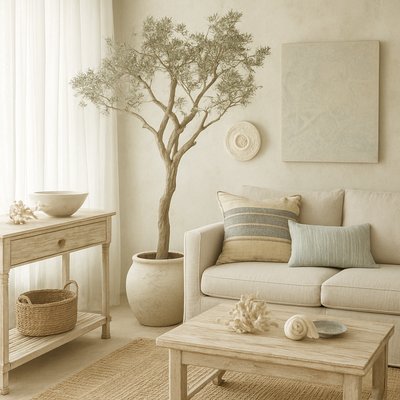
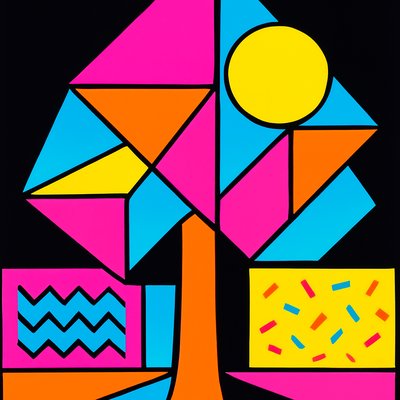
a tree in nature
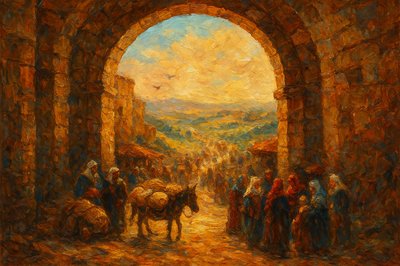
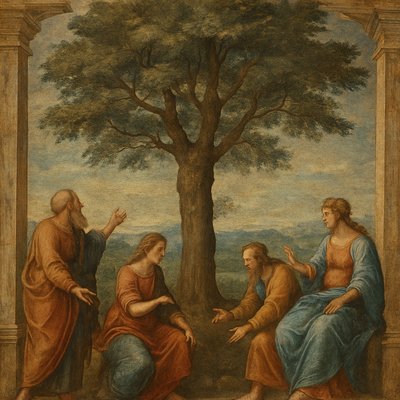
a painting of a group of people standing in front of a stone arch
a group of people standing next to each other
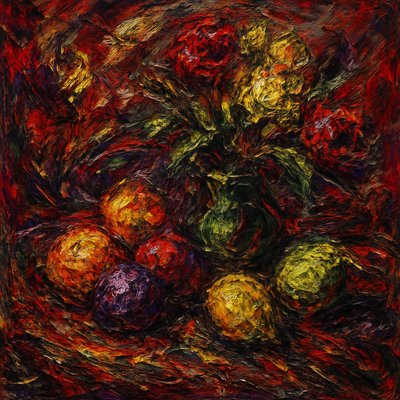
still life arrangement of fruits and flowers
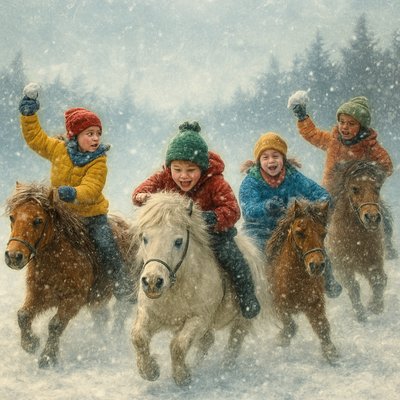
A dynamic, action-filled scene capturing four excited children (diverse ages and genders, bundled in bright winter clothing) engaged in an intense snowball fight while riding ponies/horses.

Scene Details: The setting is a wide-open, snow-covered winter field bordered by dark, snow-dusted evergreen trees. Snow is actively falling, adding texture to the air. The children are positioned dramatically: one child is leaning far back on a brown pony, aiming a snowball with intense focus; another is mid-giggle, ducking behind their white horse's mane for cover. The ponies are sturdy, slightly shaggy, and seem to be enjoying the chaos, snorting visible steam into the cold air. The ground is churned up with snow from the horses' hooves.

Key Atmosphere: Focus on joyful aggression, speed, and chaotic motion.
a tree in nature
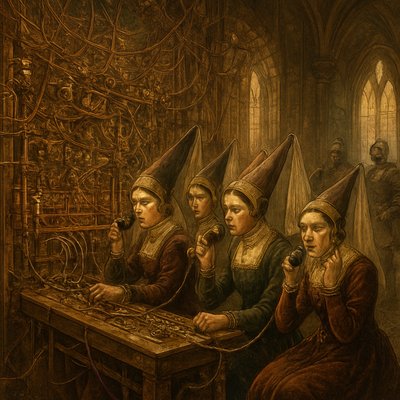
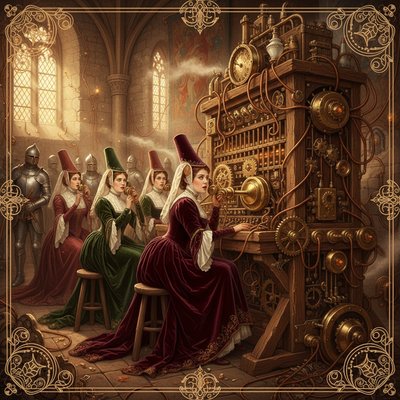
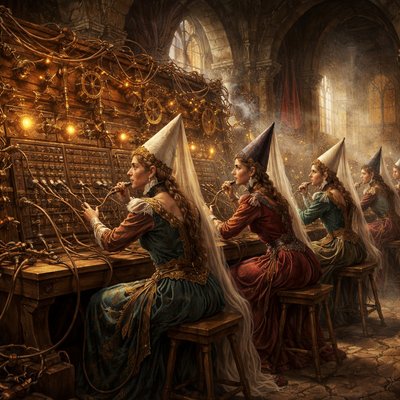
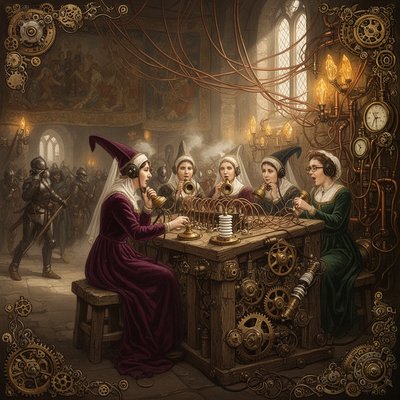
Steampunk Historical Fantasy, Satirical Illustration Style, Cinematic Lighting. A bizarre, anachronistic scene inside a drafty medieval castle great hall (Camelot). A group of noblewomen, dressed in elaborate 6th-century velvet gowns, wimples, and tall pointed hennin hats with veils, are seated on rough wooden stools. They are furiously working a massive, makeshift telephone switchboard operator station.
The Technology: The switchboard is constructed from rough-hewn oak timbers, gleaming brass gears, porcelain insulators, and hundreds of thick, chaotic copper wires that are strung haphazardly across ancient tapestries and stone walls, disappearing out narrow arrow-slit windows.

The Action: The ladies hold bulky, antique Victorian-era earpieces and large brass mouthpieces, plugging heavy cables with oversized jacks into the board with expressions of intense concentration and mild confusion. Knights in armor walk past in the background, looking bewildered. Sunlight streams through gothic windows, illuminating the dust and the clash of eras.
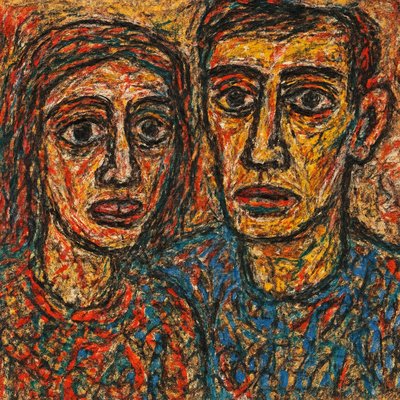
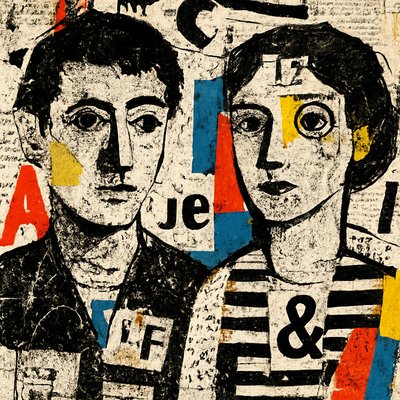
portrait of two people together
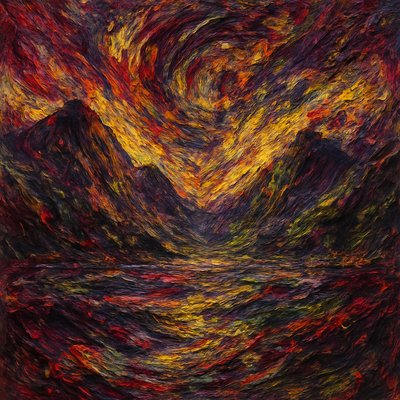
serene landscape with mountains and water
Dinner party on all walls
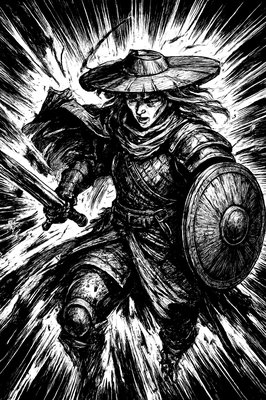
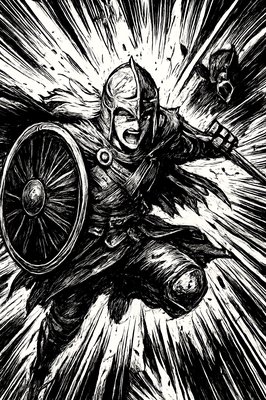
a cartoon of a man dressed in armor and holding a sword
mech fighting kaiju in tokyo
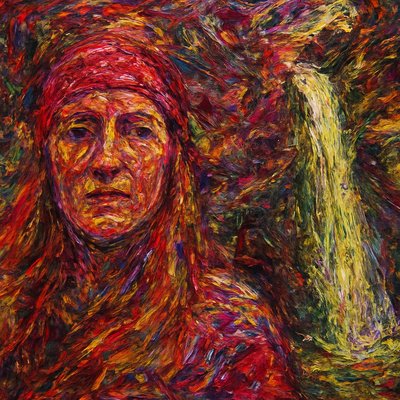
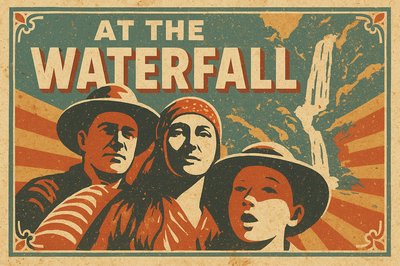
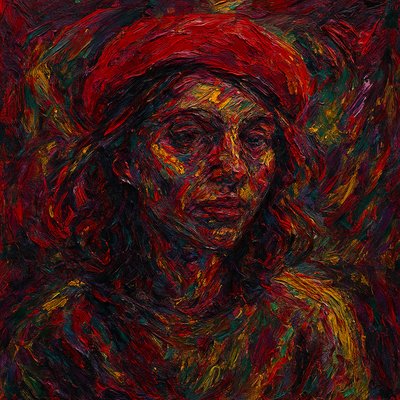
a painting of a woman with a red head scarf
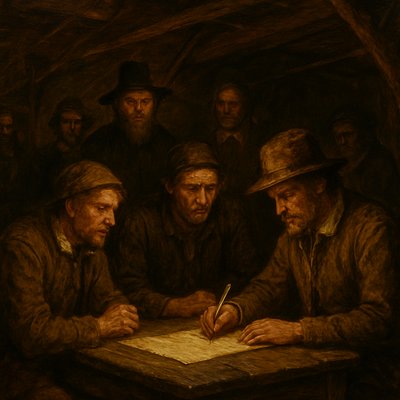
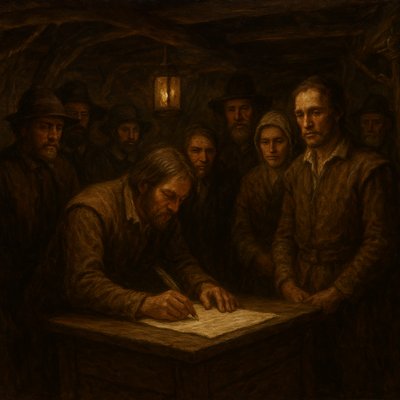
A historically accurate and atmospheric depiction of the signing of the Mayflower Compact aboard the ship in November 1620. The scene is set in the dimly lit, cramped cabin of the Mayflower, with the ship's timbers and rigging subtly visible, conveying the challenging conditions of the voyage. A simple table or chest serves as the signing surface. The primary focus is on a small group of the last individuals signing the document: specifically, the indentured servants (or 'strangers' not directly part of the Separatist congregation) approaching or at the table. Their expressions show a mix of weary determination, understanding of the necessity, and perhaps a hint of quiet apprehension or resignation to this new social contract, given their status. They are dressed in the plain, practical clothing typical of 17th-century commoners and laborers. Figures of prominent Pilgrims or 'Saints' (like William Bradford or John Carver) are visible in the background, observing the proceedings with a sense of gravity and leadership, but they are not the central focus. The lighting is low and warm, perhaps from a lantern, creating a chiaroscuro effect that highlights the faces of the signers. The atmosphere conveys the momentousness of the act under difficult circumstances, the diverse composition of the group, and the early seeds of self-governance in a new world. The artistic style is a realistic, historically detailed oil painting, capturing the solemnity and human element of this pivotal historical moment."
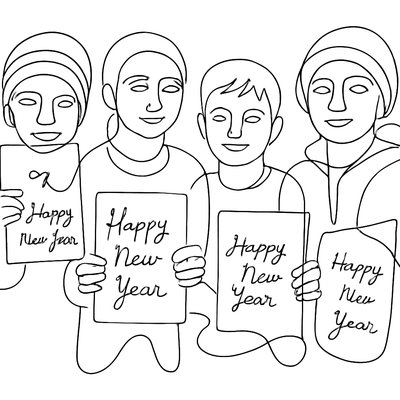
a group of young children holding up signs
a tree in nature
a group of people standing next to each other
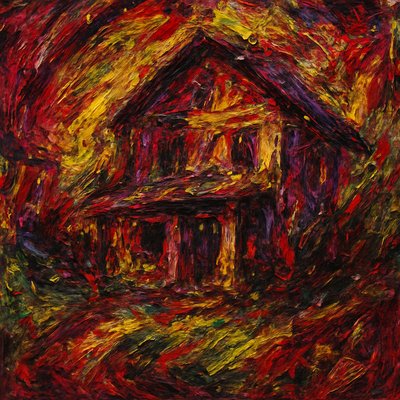
house with front view
Steampunk Historical Fantasy, Satirical Illustration Style, Cinematic Lighting. A bizarre, anachronistic scene inside a drafty medieval castle great hall (Camelot). A group of noblewomen, dressed in elaborate 6th-century velvet gowns, wimples, and tall pointed hennin hats with veils, are seated on rough wooden stools. They are furiously working a massive, makeshift telephone switchboard operator station.

The Technology: The switchboard is constructed from rough-hewn oak timbers, gleaming brass gears, porcelain insulators, and hundreds of thick, chaotic copper wires that are strung haphazardly across ancient tapestries and stone walls, disappearing out narrow arrow-slit windows.

The Action: The ladies hold bulky, antique Victorian-era earpieces and large brass mouthpieces, plugging heavy cables with oversized jacks into the board with expressions of intense concentration and mild confusion. Knights in armor walk past in the background, looking bewildered. Sunlight streams through gothic windows, illuminating the dust and the clash of eras.
Steampunk Historical Fantasy, Satirical Illustration Style, Cinematic Lighting. A bizarre, anachronistic scene inside a drafty medieval castle great hall (Camelot). A group of noblewomen, dressed in elaborate 6th-century velvet gowns, wimples, and tall pointed hennin hats with veils, are seated on rough wooden stools. They are furiously working a massive, makeshift telephone switchboard operator station.

The Technology: The switchboard is constructed from rough-hewn oak timbers, gleaming brass gears, porcelain insulators, and hundreds of thick, chaotic copper wires that are strung haphazardly across ancient tapestries and stone walls, disappearing out narrow arrow-slit windows.

The Action: The ladies hold bulky, antique Victorian-era earpieces and large brass mouthpieces, plugging heavy cables with oversized jacks into the board with expressions of intense concentration and mild confusion. Knights in armor walk past in the background, looking bewildered. Sunlight streams through gothic windows, illuminating the dust and the clash of eras.
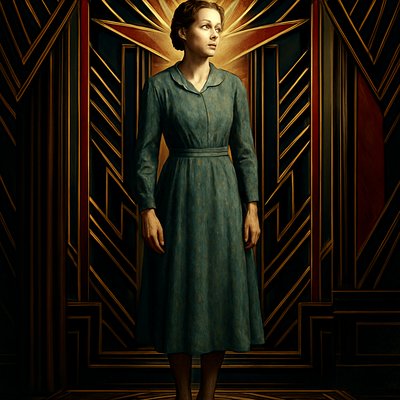
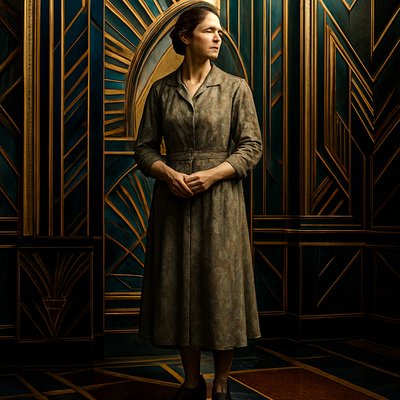
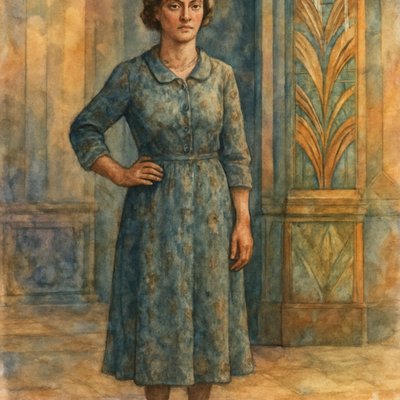
A woman dressed in Great Depression era fashion, standing in a dimly lit, humble setting. She wears a modest, long-sleeved dress made of durable, slightly faded cotton or rayon, with a mid-calf hemline. The dress is a muted color like dusty blue, faded green, or soft brown, possibly with a subtle, small floral or geometric pattern. Her hair is styled simply, perhaps in soft waves or a practical updo, and she wears sturdy, low-heeled lace-up shoes. Her posture is resilient, reflecting the strength of the era. The background is simple and sparse, hinting at the economic hardship, perhaps an old wooden wall or a faded curtain. The overall feeling is one of quiet determination and dignified hardship
A woman dressed in Great Depression era fashion, standing in a dimly lit, humble setting. She wears a modest, long-sleeved dress made of durable, slightly faded cotton or rayon, with a mid-calf hemline. The dress is a muted color like dusty blue, faded green, or soft brown, possibly with a subtle, small floral or geometric pattern. Her hair is styled simply, perhaps in soft waves or a practical updo, and she wears sturdy, low-heeled lace-up shoes. Her posture is resilient, reflecting the strength of the era. The background is simple and sparse, hinting at the economic hardship, perhaps an old wooden wall or a faded curtain. The overall feeling is one of quiet determination and dignified hardship Use Art Deco architecture or Art Deco interior in the background, but describe the fashion as faded, worn, and humble. Juxtapose the sleek, modern geometry of the setting with the practical, mended, and heavy wool textures of the clothing.
portrait of two people together
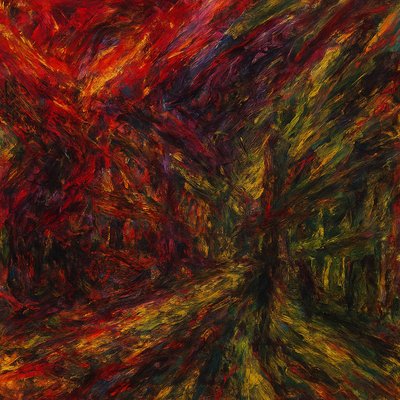
Emotional Turbulence Expressionism Art Style Style Transfer Example
a man dressed in armor holding a lantern
A giant grouper fish, over a coral reef in the ocean, professional photography, extreme detail (
Psalms 124:1-6 KJVA  A Song of degrees of David. If it had not been the LORD who was on our side, now may Israel say;  (2)  If it had not been the LORD who was on our side, when men rose up against us:  (3)  Then they had swallowed us up quick, when their wrath was kindled against us:  (4)  Then the waters had overwhelmed us, the stream had gone over our soul:  (5)  Then the proud waters had gone over our soul.  (6)  Blessed be the LORD, who hath not given us as a prey to their teeth.
Steampunk Historical Fantasy, Satirical Illustration Style, Cinematic Lighting. A bizarre, anachronistic scene inside a drafty medieval castle great hall (Camelot). A group of noblewomen, dressed in elaborate 6th-century velvet gowns, wimples, and tall pointed hennin hats with veils, are seated on rough wooden stools. They are furiously working a massive, makeshift telephone switchboard operator station.

The Technology: The switchboard is constructed from rough-hewn oak timbers, gleaming brass gears, porcelain insulators, and hundreds of thick, chaotic copper wires that are strung haphazardly across ancient tapestries and stone walls, disappearing out narrow arrow-slit windows.

The Action: The ladies hold bulky, antique Victorian-era earpieces and large brass mouthpieces, plugging heavy cables with oversized jacks into the board with expressions of intense concentration and mild confusion. Knights in armor walk past in the background, looking bewildered. Sunlight streams through gothic windows, illuminating the dust and the clash of eras.
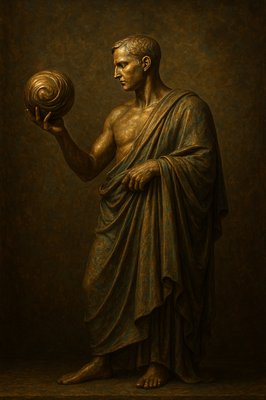
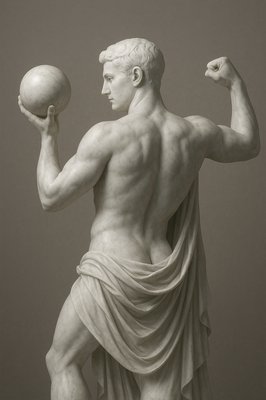
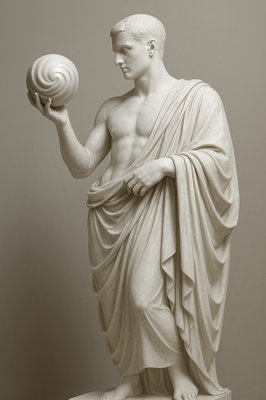
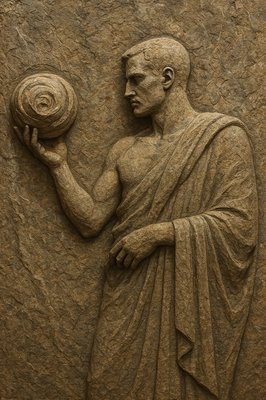
a statue of a man holding a ball
Emotional Turbulence Expressionism Art Style Style Transfer Example
a statue of a man holding a ball
A woman dressed in Great Depression era fashion, standing in a dimly lit, humble setting. She wears a modest, long-sleeved dress made of durable, slightly faded cotton or rayon, with a mid-calf hemline. The dress is a muted color like dusty blue, faded green, or soft brown, possibly with a subtle, small floral or geometric pattern. Her hair is styled simply, perhaps in soft waves or a practical updo, and she wears sturdy, low-heeled lace-up shoes. Her posture is resilient, reflecting the strength of the era. The background is simple and sparse, hinting at the economic hardship, perhaps an old wooden wall or a faded curtain. The overall feeling is one of quiet determination and dignified hardship Use Art Deco architecture or Art Deco interior in the background, but describe the fashion as faded, worn, and humble. Juxtapose the sleek, modern geometry of the setting with the practical, mended, and heavy wool textures of the clothing.
portrait of two people together
a statue of a man holding a ball
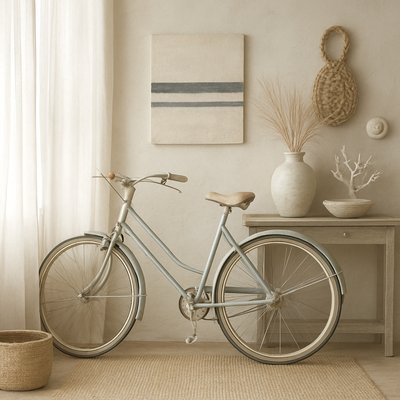
bicyle resting against a wall
portrait of two people together
a group of three girls standing next to each other
portrait of a person with expressive eyes
A historically accurate and atmospheric depiction of the signing of the Mayflower Compact aboard the ship in November 1620. The scene is set in the dimly lit, cramped cabin of the Mayflower, with the ship's timbers and rigging subtly visible, conveying the challenging conditions of the voyage. A simple table or chest serves as the signing surface. The primary focus is on a small group of the last individuals signing the document: specifically, the indentured servants (or 'strangers' not directly part of the Separatist congregation) approaching or at the table. Their expressions show a mix of weary determination, understanding of the necessity, and perhaps a hint of quiet apprehension or resignation to this new social contract, given their status. They are dressed in the plain, practical clothing typical of 17th-century commoners and laborers. Figures of prominent Pilgrims or 'Saints' (like William Bradford or John Carver) are visible in the background, observing the proceedings with a sense of gravity and leadership, but they are not the central focus. The lighting is low and warm, perhaps from a lantern, creating a chiaroscuro effect that highlights the faces of the signers. The atmosphere conveys the momentousness of the act under difficult circumstances, the diverse composition of the group, and the early seeds of self-governance in a new world. The artistic style is a realistic, historically detailed oil painting, capturing the solemnity and human element of this pivotal historical moment."