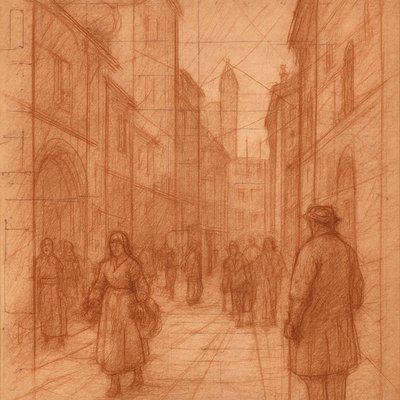
A Drawing Of A Group Of People In A Village Art

Advent Calendar grid with 24 numbered doors, ornate golden frames and festive borders, storybook charm inspired by Richard Sellmer’s 1940s German Advent calendars, hand-illustrated nativity scenes and snowy village backgrounds, nostalgic atmosphere, warm glowing highlights, vintage color palette, crisp outlines, painterly textures, classic fantasy illustration style
A group of ghost bats, with large translucent wings, in a giant cave in Queensland, Australia. Photo-realistic, professional nature photography, extreme detail
A historically accurate and atmospheric depiction of the signing of the Mayflower Compact aboard the ship in November 1620. The scene is set in the dimly lit, cramped cabin of the Mayflower, with the ship's timbers and rigging subtly visible, conveying the challenging conditions of the voyage. A simple table or chest serves as the signing surface. The primary focus is on a small group of the last individuals signing the document: specifically, the indentured servants (or 'strangers' not directly part of the Separatist congregation) approaching or at the table. Their expressions show a mix of weary determination, understanding of the necessity, and perhaps a hint of quiet apprehension or resignation to this new social contract, given their status. They are dressed in the plain, practical clothing typical of 17th-century commoners and laborers. Figures of prominent Pilgrims or 'Saints' (like William Bradford or John Carver) are visible in the background, observing the proceedings with a sense of gravity and leadership, but they are not the central focus. The lighting is low and warm, perhaps from a lantern, creating a chiaroscuro effect that highlights the faces of the signers. The atmosphere conveys the momentousness of the act under difficult circumstances, the diverse composition of the group, and the early seeds of self-governance in a new world. The artistic style is a realistic, historically detailed oil painting, capturing the solemnity and human element of this pivotal historical moment."
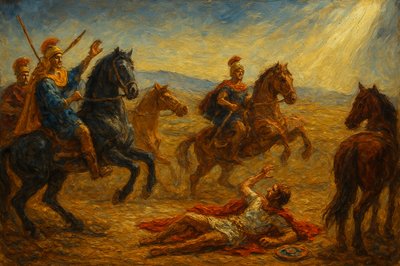
Renaissance Painting Art Style, a solemn and reverent group of ancient Israelites, including elderly men and women, walking purposefully. Each carries beautifully crafted clay jars or alabaster flasks filled with pure, clear, golden oil of pressed olives. The oil shimmers with an ethereal clarity within the translucent vessels. They are making their way along a dusty path in the Tabernacle courtyard, with glimpses of the Tabernacle structure in the background. The light is soft and warm, casting gentle shadows and highlighting the dignified expressions on their faces and the humble, yet sacred, nature of their offering. Focus on the rich textures of their simple linen garments, the liquid clarity and glow of the olive oil, and the devotional atmosphere of their task.
Renaissance Painting Art Style, a joyful and purposeful group of ancient Israelites, including smiling elderly men and women, walking with a sense of contentment and humble pride. Each carries beautifully crafted clay jars or alabaster flasks filled with pure, clear, golden oil of pressed olives. The oil shimmers with an ethereal clarity within the translucent vessels. They are making their way along a sunny path in the Tabernacle courtyard, with glimpses of the Tabernacle structure in the background. The light is bright and warm, illuminating their radiant faces and highlighting the honor and devotion in their offering. Focus on the rich textures of their simple linen garments, the liquid clarity and glow of the olive oil, and the celebratory, devotional atmosphere of their task.
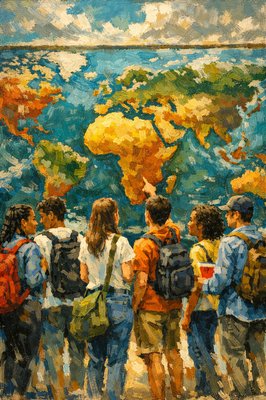
a group of young children holding up signs
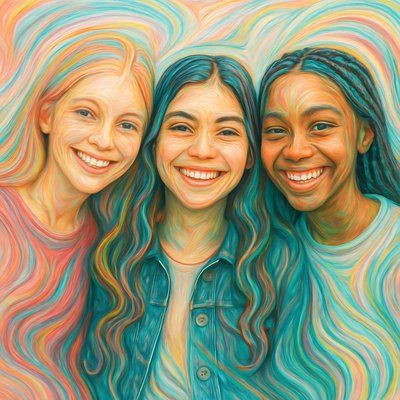
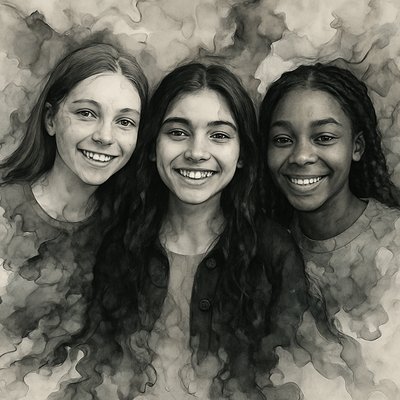
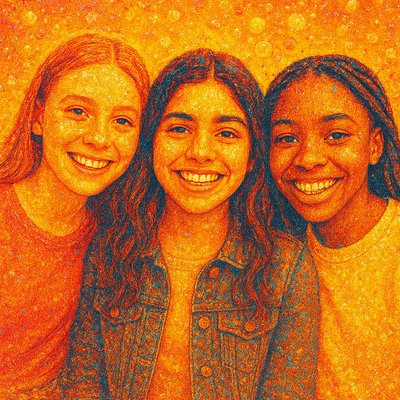
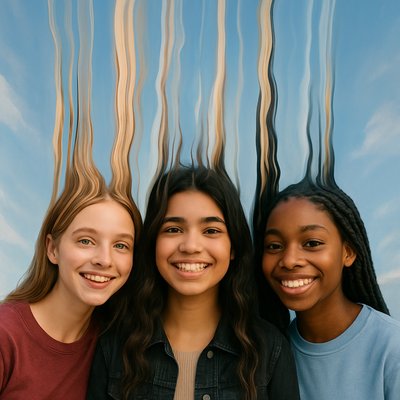
a group of three girls standing next to each other
Renaissance Painting Art Style, a joyful and purposeful group of ancient Israelites, including smiling elderly men and women, walking with a sense of contentment and humble pride. Each carries beautifully crafted clay jars or alabaster flasks filled with pure, clear, golden oil of pressed olives. The oil shimmers with an ethereal clarity within the translucent vessels. They are making their way along a sunny path in the Tabernacle courtyard, with glimpses of the Tabernacle structure in the background. The light is bright and warm, illuminating their radiant faces and highlighting the honor and devotion in their offering. Focus on the rich textures of their simple linen garments, the liquid clarity and glow of the olive oil, and the celebratory, devotional atmosphere of their task.
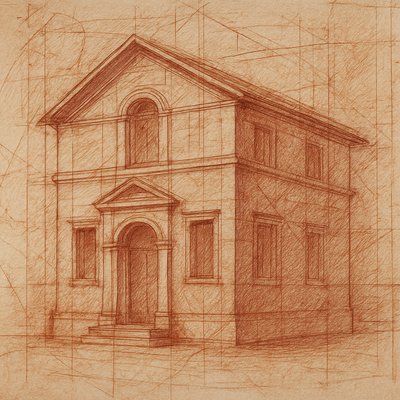
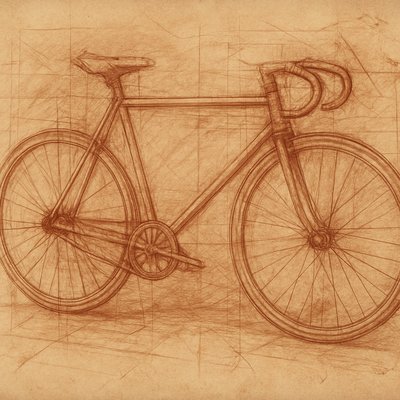
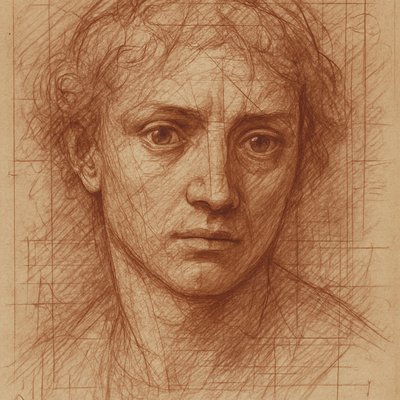
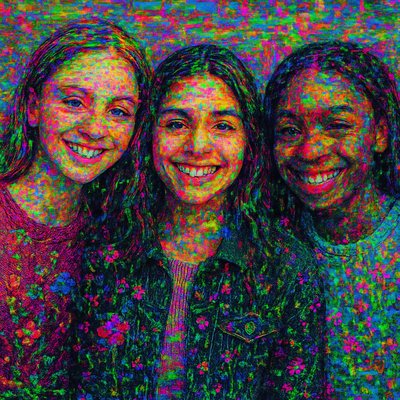
Workshop Drawing Renaissance Art Style Style Transfer Example
"A historically accurate depiction of a Ghost Dance, focusing on the late 19th-century context, specifically around 1890-1891. The scene shows Lakota (Sioux) or Northern Paiute people (specify one or include elements of both, but avoid anachronisms) participating in the ceremony.

Setting: A vast, open prairie or high desert landscape, under an expansive sky. The time of day could be dusk or night, with a prominent moon or stars, or a bright, clear day. Avoid overtly spiritual or ethereal elements like floating spirits unless explicitly requested for a later, more symbolic iteration. The focus should be on the earthly ceremony.

Participants: A circle of men, women, and children, hand-in-hand, moving in a slow, rhythmic shuffle or circular motion. Their faces show a mixture of devotion, hope, and determination. Some may have expressions of trance or deep concentration.

Attire:

    Ghost Dance Shirts/Dresses: Emphasize the unique Ghost Dance shirts and dresses, which were typically made of muslin or canvas. These garments should feature painted designs such as stars, crescents, birds (especially eagles or crows), buffalo, human figures, or crosses. The designs should appear hand-painted, not mass-produced.

    Hair and Adornments: Participants should have braided hair or wear it long. Some may wear feathers (e.g., eagle or hawk feathers) in their hair. Minimal traditional adornments, as the focus was often on the Ghost Dance shirt itself. Avoid overly elaborate or Hollywood-esque depictions of war bonnets unless relevant to a specific individual and context.

    Footwear: Moccasins or bare feet.

Action/Atmosphere:

    The dancers are moving in a counter-clockwise circle, with a central figure or a small group often leading.

    The overall mood is one of earnest prayer and communal spiritual effort. The dance should convey a sense of hope for renewal and the return of the old ways, rather than aggression or despair.

    There might be a central pole or small fire as a focal point, around which the dance takes place.

    Avoid any signs of direct conflict or violence; the Ghost Dance itself was a non-violent spiritual movement.

Specific Considerations for Accuracy:

    Wovoka's Influence: The teachings of Wovoka (the Northern Paiute prophet) emphasized peace, hard work, and the return of the buffalo and deceased ancestors. The scene should subtly reflect this hopeful, redemptive spirit.

    Regional Variations: If focusing on Lakota, consider their specific interpretations, which sometimes included more imagery related to their warrior traditions on the shirts, but still within the peaceful framework of the dance.
    Respectful Portrayal: Ensure the depiction is respectful and avoids any stereotypical or caricatured representations of Indigenous people. Focus on their human dignity and spiritual sincerity.
In Old Testament times a group of 12 - 15 Hebrew men and women on pilgrimage ascend a steep road toward Jerusalem and the Temple, headed for the feast of the Passover.  They each carry their own bag, sachel or bedroll.  Anticipation fills the air as the set out on their journey.
a group of young children holding up signs
a group of three girls standing next to each other
A thrilling and vibrant scene from the board game Candy Land, capturing the excitement of sliding down its biggest, most iconic slide. The slide itself is massive, curving, and made entirely of a glistening, colorful candy material, like a giant, rainbow-striped candy cane or smooth, translucent hard candy. A cheerful, diverse group of children (or classic Candy Land characters like Princess Lolly or Mr. Mint) are depicted in mid-descent, laughing and filled with joy, their hands in the air.

Below and around the slide, the fantastical landscape of Candy Land stretches out: rolling hills of frosting, lollipop trees, rivers of chocolate, gingerbread houses, and giant gumdrops. The colors are incredibly vivid and saturated, creating a truly fantastical and edible world. The perspective is dynamic, looking down the slide with the characters, enhancing the sense of speed and fun. The lighting is bright and cheerful, emphasizing the candy's sparkle and the overall joyful atmosphere.
Generate a vibrant, wide-angle image capturing the overwhelming scale and festive atmosphere of a Buc-ee's travel center during peak daylight hours. The central focus should be the massive, iconic Buc-ee the Beaver mascot statue at the entrance, welcoming visitors. Show the enormous, brightly lit gas station canopy stretching across dozens of pumps, with a continuous flow of cars and trucks. In the background, feature the distinctive red-roofed store building with its huge signage. Include details that convey the bustling energy: families walking in, people filling up their tanks, and the overall sense of a colossal, well-organized 'roadside attraction.' The image should highlight its cleanliness, vastness, and the unique, almost surreal experience of stopping at a Buc-ee's.
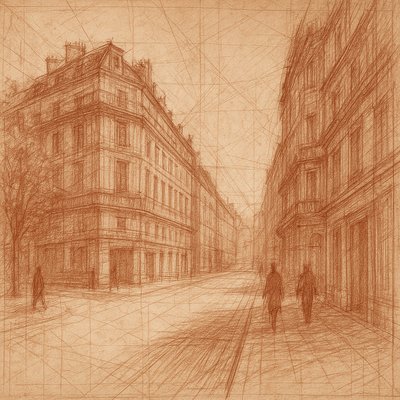
urban street with city activity
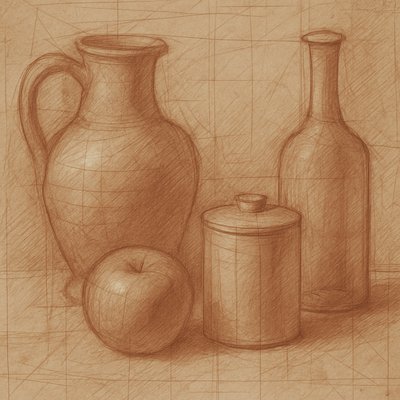
still life with everyday objects
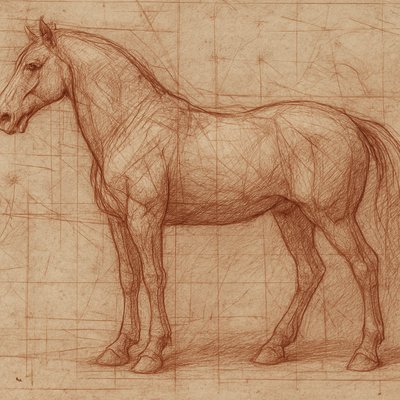
animal standing in natural pose
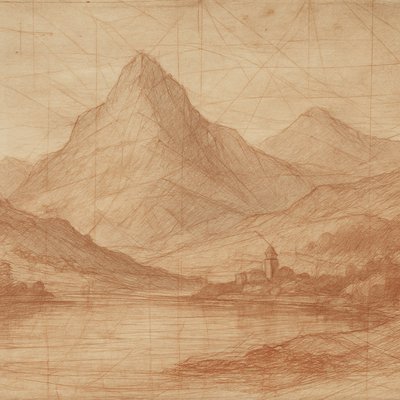
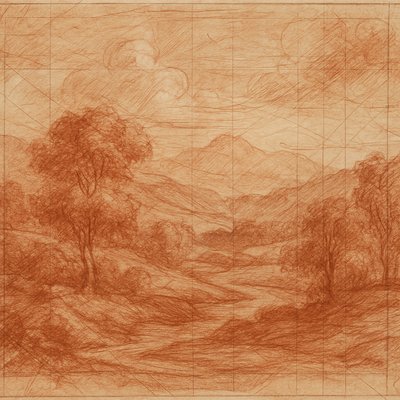
wide landscape with natural scenery
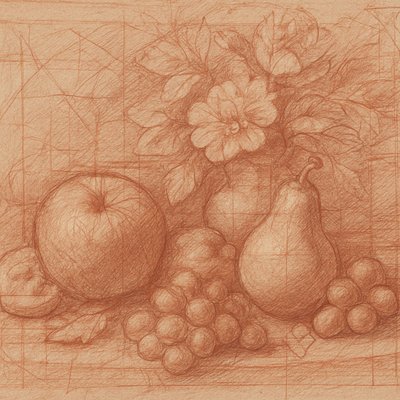
still life arrangement of fruits and flowers
urban street with city activity
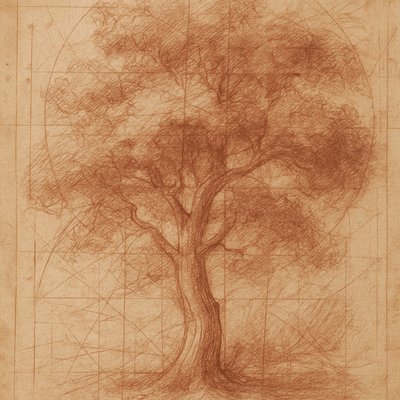
a tree in nature