A Dramatic Soviet Style Propaganda Poster. Depict A Poor, Sad Working Class Man In Worn Clothes, With A Tired But Dignified Art

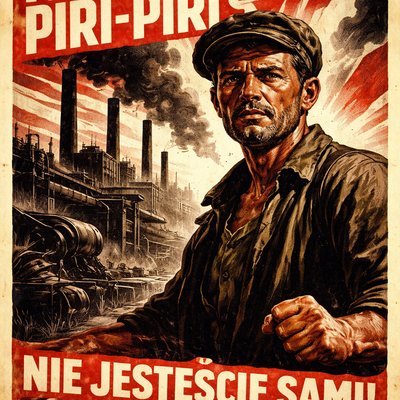
A dramatic Soviet-style propaganda poster.
Depict a poor, sad working-class man in worn clothes, with a tired but dignified expression on his face. He stands in the foreground, slightly turned toward the viewer.
In the background: a large industrial factory with smokestacks, heavy machinery, and dark smoke rising into the sky.
The atmosphere is serious, emotional, and ideological — showing hardship, struggle, and hope for liberation.
Strong socialist realism style inspired by classic USSR propaganda posters from the 1930s–1950s.
Bold shapes, high contrast, limited color palette (red, black, beige, muted yellow).
Sharp lines, heroic composition, dramatic lighting.
Add a bold propaganda slogan in clear, vintage typography:
“Proletariusze Piri-Piri — nie jesteście sami!”
The text should be prominent and integrated into the poster design.
No modern elements, no realism photography — illustrated, painterly propaganda art style.
Environmental activism poster
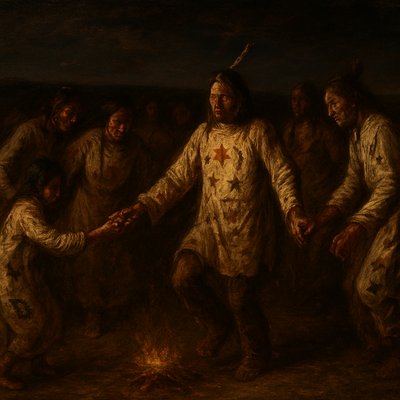
"A historically accurate depiction of a Ghost Dance, focusing on the late 19th-century context, specifically around 1890-1891. The scene shows Lakota (Sioux) or Northern Paiute people (specify one or include elements of both, but avoid anachronisms) participating in the ceremony.

Setting: A vast, open prairie or high desert landscape, under an expansive sky. The time of day could be dusk or night, with a prominent moon or stars, or a bright, clear day. Avoid overtly spiritual or ethereal elements like floating spirits unless explicitly requested for a later, more symbolic iteration. The focus should be on the earthly ceremony.

Participants: A circle of men, women, and children, hand-in-hand, moving in a slow, rhythmic shuffle or circular motion. Their faces show a mixture of devotion, hope, and determination. Some may have expressions of trance or deep concentration.

Attire:

    Ghost Dance Shirts/Dresses: Emphasize the unique Ghost Dance shirts and dresses, which were typically made of muslin or canvas. These garments should feature painted designs such as stars, crescents, birds (especially eagles or crows), buffalo, human figures, or crosses. The designs should appear hand-painted, not mass-produced.

    Hair and Adornments: Participants should have braided hair or wear it long. Some may wear feathers (e.g., eagle or hawk feathers) in their hair. Minimal traditional adornments, as the focus was often on the Ghost Dance shirt itself. Avoid overly elaborate or Hollywood-esque depictions of war bonnets unless relevant to a specific individual and context.

    Footwear: Moccasins or bare feet.

Action/Atmosphere:

    The dancers are moving in a counter-clockwise circle, with a central figure or a small group often leading.

    The overall mood is one of earnest prayer and communal spiritual effort. The dance should convey a sense of hope for renewal and the return of the old ways, rather than aggression or despair.

    There might be a central pole or small fire as a focal point, around which the dance takes place.

    Avoid any signs of direct conflict or violence; the Ghost Dance itself was a non-violent spiritual movement.

Specific Considerations for Accuracy:

    Wovoka's Influence: The teachings of Wovoka (the Northern Paiute prophet) emphasized peace, hard work, and the return of the buffalo and deceased ancestors. The scene should subtly reflect this hopeful, redemptive spirit.

    Regional Variations: If focusing on Lakota, consider their specific interpretations, which sometimes included more imagery related to their warrior traditions on the shirts, but still within the peaceful framework of the dance.
    Respectful Portrayal: Ensure the depiction is respectful and avoids any stereotypical or caricatured representations of Indigenous people. Focus on their human dignity and spiritual sincerity.
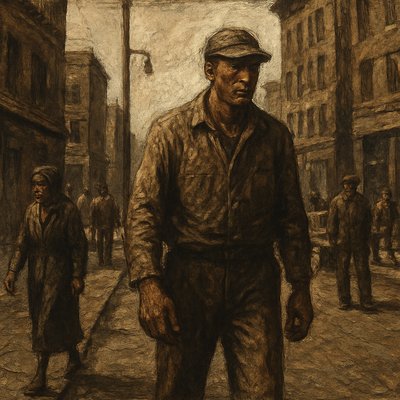
Factory workers at shift change
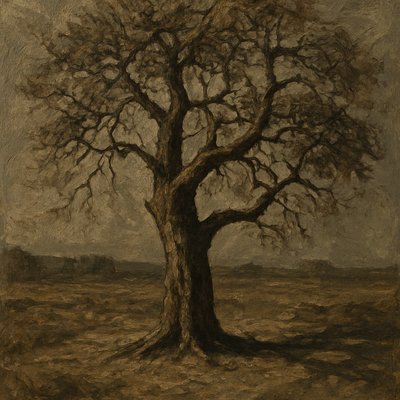
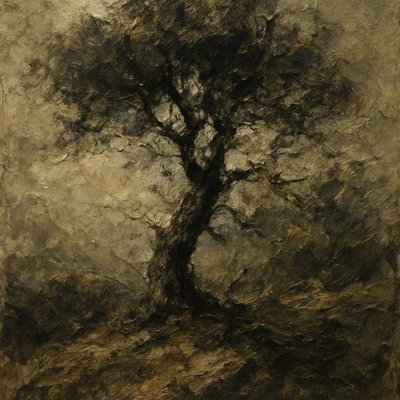
a tree in nature
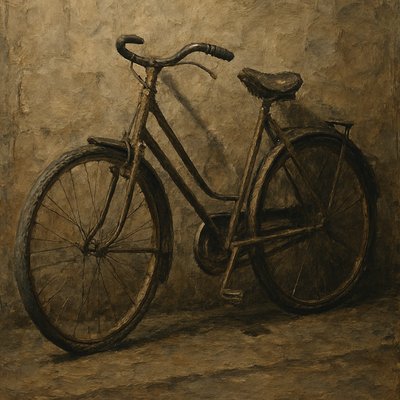
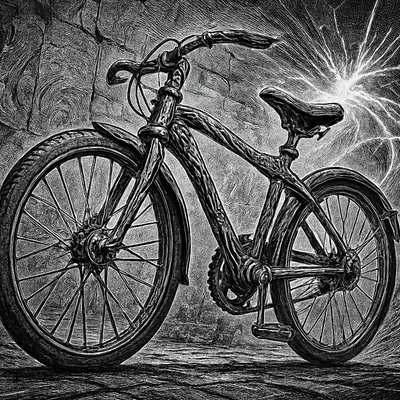
bicyle resting against a wall
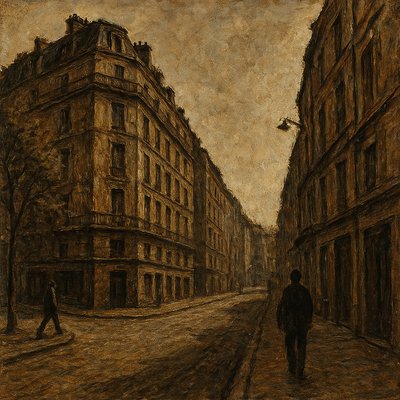
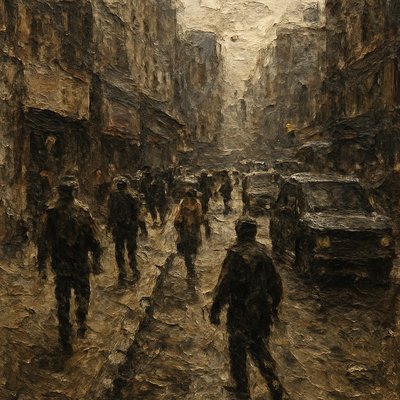
urban street with city activity
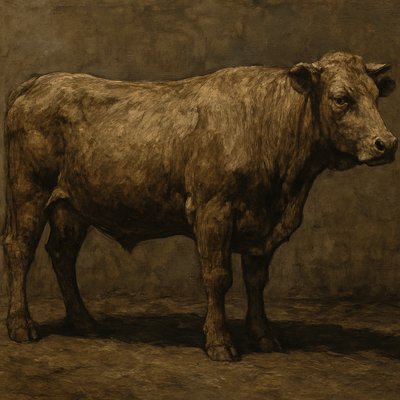
animal standing in natural pose
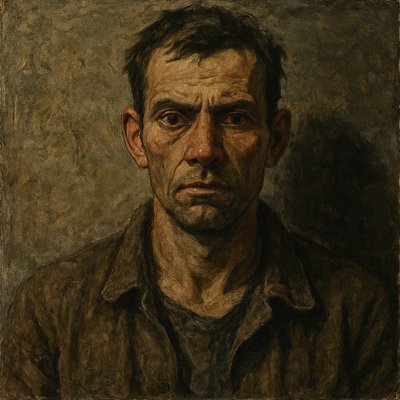
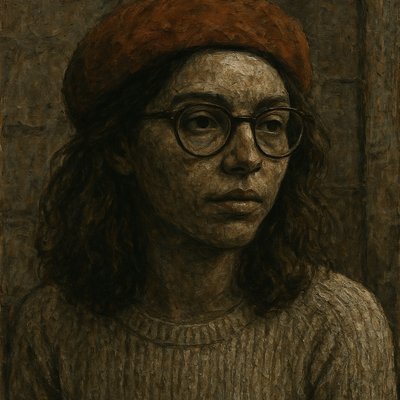
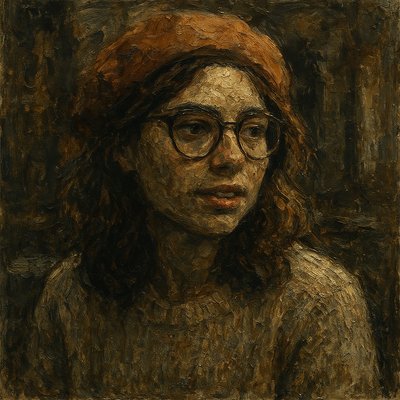
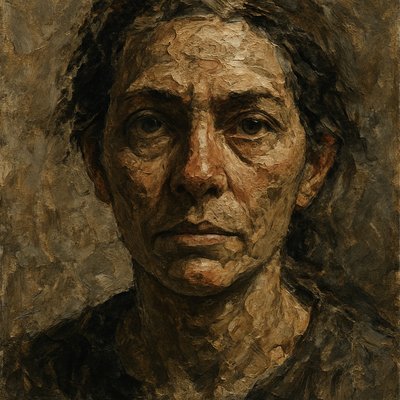
portrait of a person with expressive eyes
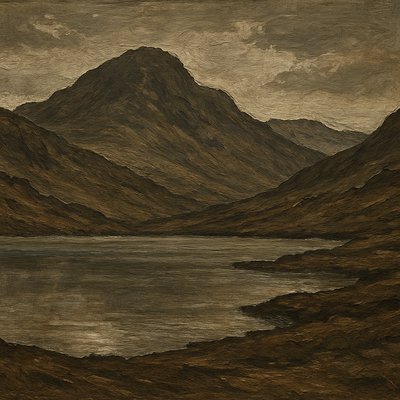
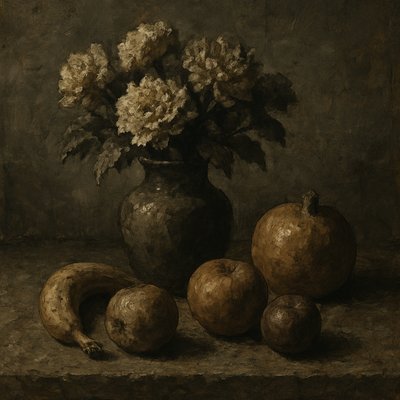
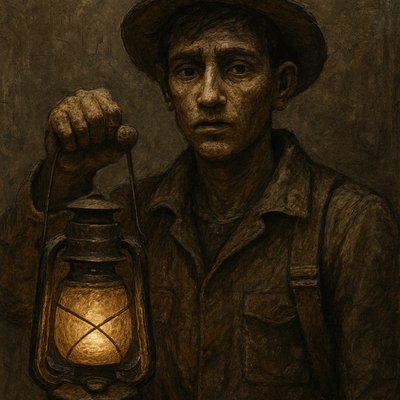
Social Realism Art Style Style Transfer Example
serene landscape with mountains and water
Social Realism Art Style Style Transfer Example
still life arrangement of fruits and flowers
a painting of a man holding a lantern
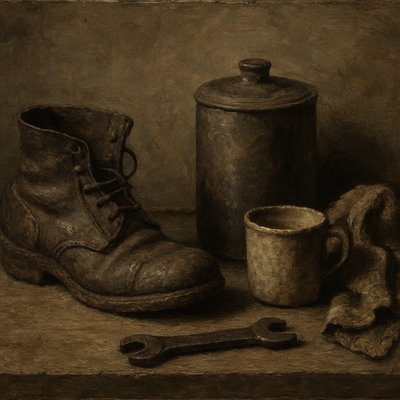
still life with everyday objects
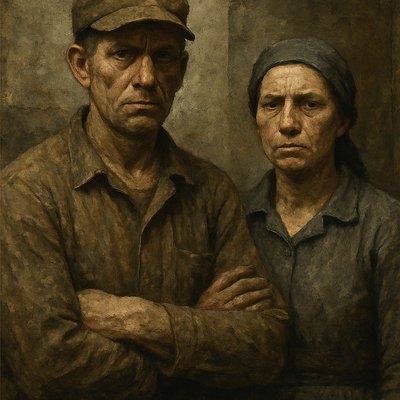
portrait of two people together
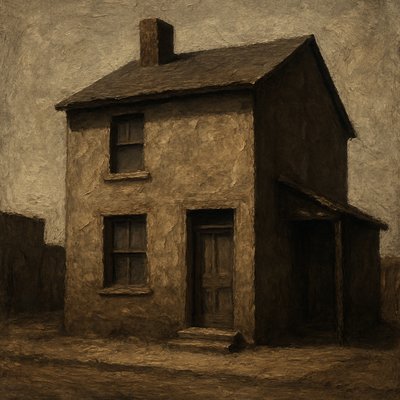
house with front view
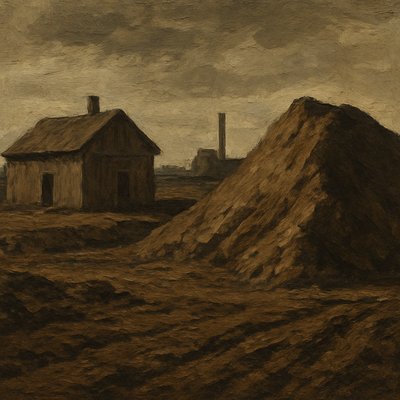
wide landscape with natural scenery
a tree in nature
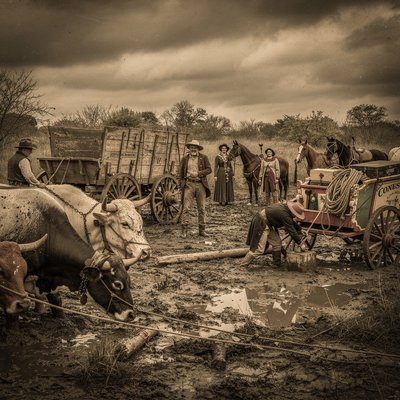
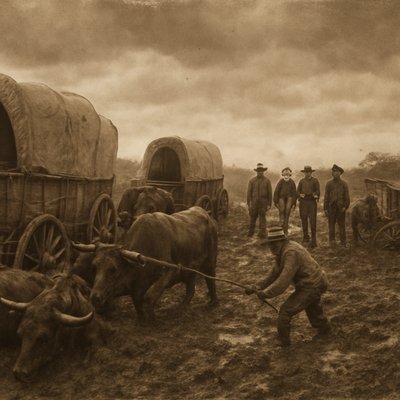
A highly realistic and historically accurate image set in the deep, waterlogged mud of the Texas Cross Timbers (Montague County) in 1840. The scene captures the frustrating moment when the Chihuahua Traders caravan is completely stuck. Foreground focus is on several heavy, wooden Conestoga freight wagons, mired up to their axles in dark, thick mud. Exhausted oxen are straining and distressed, their drivers in rough frontier attire attempting to free the wheels with ropes and levers. In the mid-ground, a small group of the American equestrian circus performers stands next to their distinctive, high-quality riding horses, which are visibly more refined than the typical pack animals. The performers are dressed in sturdy but distinct traveling clothes, looking ill-equipped and frustrated by the muddy conditions. One performer is carefully securing a colorful carriage or cart containing unique circus props, struggling to keep it from sinking. The overall mood is one of miserable delay and hardship. Cloudy, oppressive sky; detailed realism; wide-angle shot; dark, moody lighting.
A highly realistic and historically accurate image set in the deep, waterlogged mud of the Texas Cross Timbers (Montague County) in 1840. The scene captures the frustrating moment when the Chihuahua Traders caravan is completely stuck.

Foreground focus is on several heavy, wooden Conestoga freight wagons, mired up to their axles in dark, thick mud. Exhausted oxen are straining and distressed, their drivers in rough frontier attire attempting to free the wheels with ropes and levers.

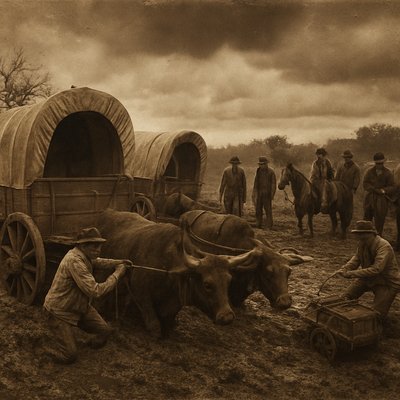
In the mid-ground, a small group of the American equestrian circus performers stands next to their distinctive, high-quality riding horses, which are visibly more refined than the typical pack animals. The performers are dressed in sturdy but distinct traveling clothes, looking ill-equipped and frustrated by the muddy conditions. One performer is carefully securing a colorful carriage or cart containing unique circus props, struggling to keep it from sinking. The overall mood is one of miserable delay and hardship. Cloudy, oppressive sky; detailed realism; wide-angle shot; dark, moody lighting.
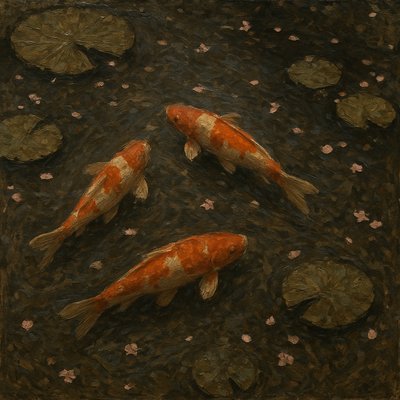
A koi pond seen from above, orange and white koi fish swimming among lily pads, clear water with subtle ripples, fallen cherry blossom petals floating on the surface, dappled sunlight
A highly realistic and historically accurate image set in the deep, waterlogged mud of the Texas Cross Timbers (Montague County) in 1840. The scene captures the frustrating moment when the Chihuahua Traders caravan is completely stuck.

Foreground focus is on several heavy, wooden Conestoga freight wagons, mired up to their axles in dark, thick mud. Exhausted oxen are straining and distressed, their drivers in rough frontier attire attempting to free the wheels with ropes and levers.

In the mid-ground, a small group of the American equestrian circus performers stands next to their distinctive, high-quality riding horses, which are visibly more refined than the typical pack animals. The performers are dressed in sturdy but distinct traveling clothes—perhaps featuring slightly tailored jackets or vests—rather than performance costumes, looking ill-equipped and frustrated by the muddy conditions. One performer is carefully securing a small, colorful carriage or cart containing unique circus props, struggling to keep it from sinking. The overall mood is one of miserable delay and hardship. Cloudy, oppressive sky; detailed realism; wide-angle shot; dark, moody lighting.
a tree in nature
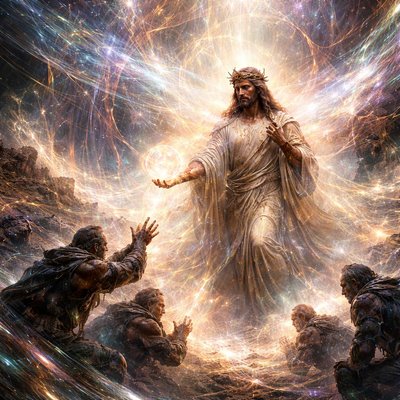
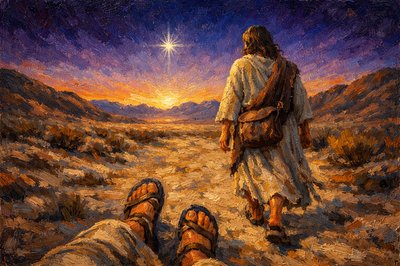
Doubting Thomas
Doubting Thomas
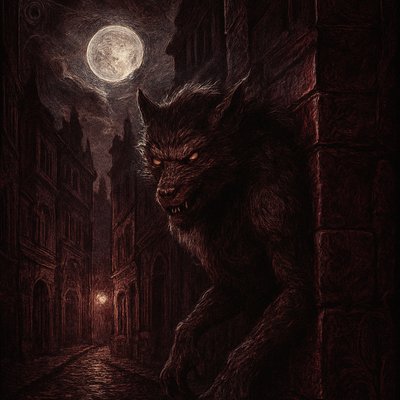
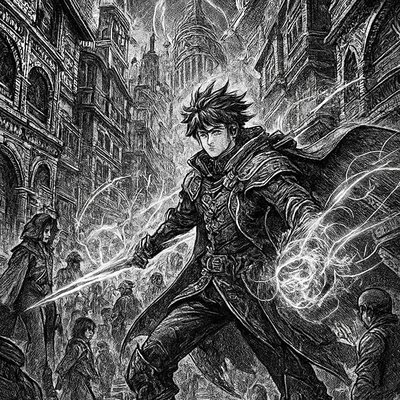
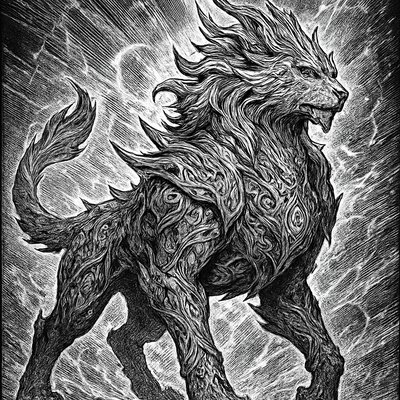
A dramatic black-and-white engraving in the style of Gustave Doré, depicting a menacing werewolf lurking in the shadows of an old European city street at night. The creature hides behind a stone building corner, partially illuminated by cold moonlight that casts deep, dramatic shadows. The scene evokes the ominous mood of a wanted poster but includes no text or framing. Render with intricate linework, fine etching details, high contrast, and rich textures reminiscent of 19th-century woodcut engravings.
animal standing in natural pose
bicyle resting against a wall
urban street with city activity
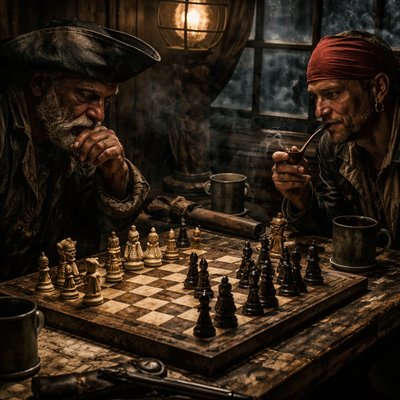
Cinematic Historical Photograph, Gritty Realism, Chiaroscuro Lighting. A tense, high-stakes chess match taking place between two seasoned pirates inside the cramped, dimly lit stern cabin of a rocking galleon at sea during the night.

The Players: On one side sits a grizzled, older Pirate Captain with a heavy grey beard and a scarred face, leaning over the board, his hand rubbing his chin in deep concentration. Opposite him is a younger, cunning Quartermaster with a gold tooth and a confident smirk, holding a clay pipe.

The Board & Pieces: Between them is a heavy wooden table stained with grog. The chessboard is carved directly into the tabletop, with squares made of inlaid mother-of-pearl and burned wood. They are playing with the custom pirate-themed chess set (previously designed): The Captain's side uses pieces carved from yellowed whalebone (King with tricorn, Ship Rooks), and the Quartermaster's side uses pieces cast from dark, tarnished iron. A bone "Knight" piece is currently threatening an iron "Queen."

The Atmosphere: The cabin is lit by a single, swaying oil lantern hanging overhead, casting long, moving shadows and illuminating the smoke in the air. Mugs of rum, a flintlock pistol, and rolled charts are cluttered around the board. Outside a stern window, a dark, stormy ocean is visible. The photo has a film grain texture.
urban street with city activity
bicyle resting against a wall
animal standing in natural pose
Ashcan School Art Style Style Transfer Example
A profound and epic scene depicting the Vision of the Dry Bones from Ezekiel 37. In a desolate, vast valley, countless dry human bones are scattered, stark white and ancient. A powerful, divine wind (ruach) swirls through the valley, imbued with a sacred, ethereal glow, causing the bones to rattle and miraculously knit together. Tendons, flesh, and skin rapidly form over the skeletal structures, transforming them into fully-formed human figures. As the divine breath enters, the figures rise, not as individuals, but as a colossal, awe-inspiring army standing upright, gazing forward with renewed life and purpose. The sky above is dramatic, perhaps with stormy clouds breaking to reveal a divine light. The overall mood is one of miraculous resurrection, immense power, and hopeful restoration."
portrait of a person with expressive eyes
Ashcan School Art Style Style Transfer Example
Renaissance Painting Art Style, Symbolism Art Style, a profoundly joyful and uplifting painting inspired by Nehemiah 8:10, emphasizing "the joy of the Lord is your strength." The scene depicts a vibrant, bustling gathering of diverse ancient Israelites, engaged in a communal feast and celebration. People of all ages are shown with radiant, happy faces, some laughing heartily, others sharing food and drinks, and many with expressions of deep, peaceful contentment and spiritual upliftment. A few figures have their heads tilted upwards or hands gently raised, as if receiving a subtle, warm, golden divine light that bathes the scene, emanating from above and symbolizing the presence and strength of the Lord. The setting is an outdoor gathering, perhaps near a restored wall or a communal square, filled with rich textures of food, drink, and colorful garments. The atmosphere is one of shared delight, spiritual renewal, and unbreakable strength. Focus on the authentic, diverse expressions of joy on each individual's face, the sense of vibrant community and shared celebration, and the ethereal, empowering golden light that symbolizes the Lord's strength.