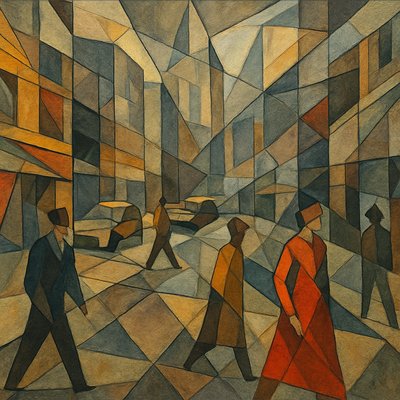
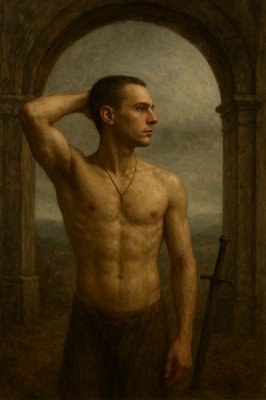
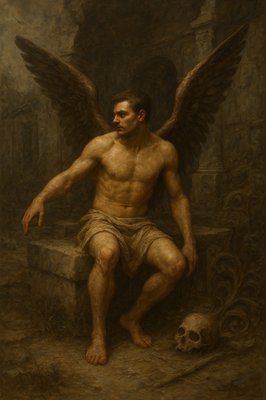
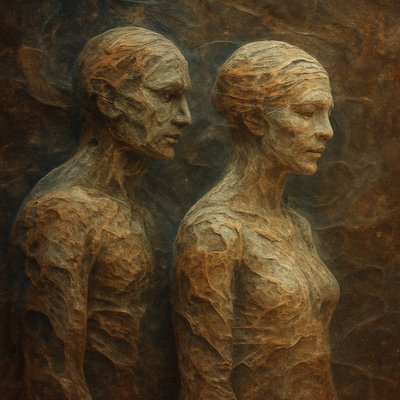
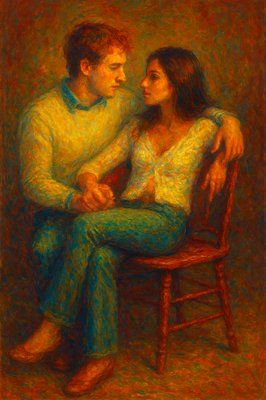
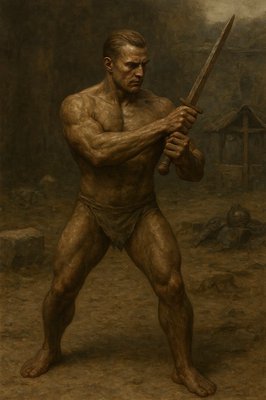
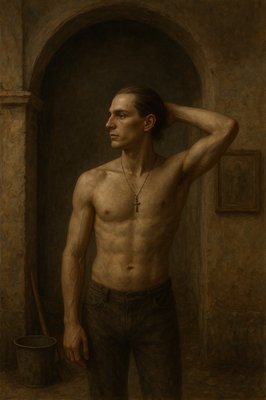
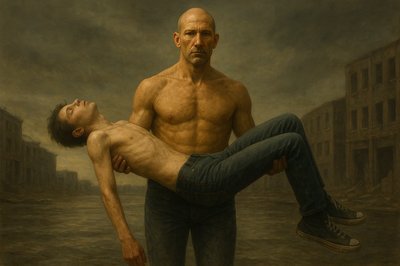
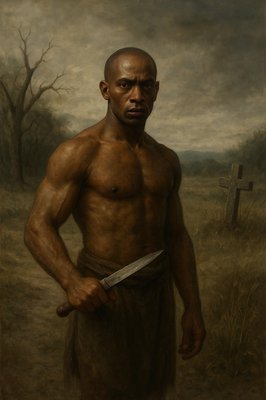
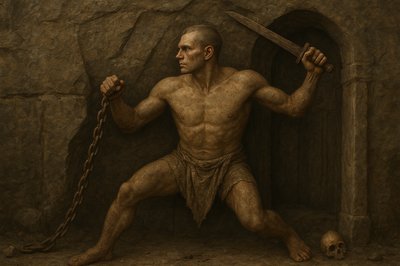
A Couple Of Men Standing Next To Each Other Art

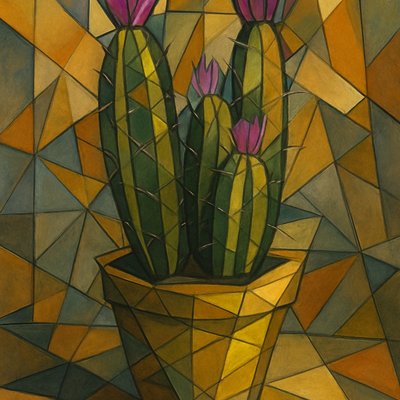
still life with everyday objects
wide landscape with natural scenery
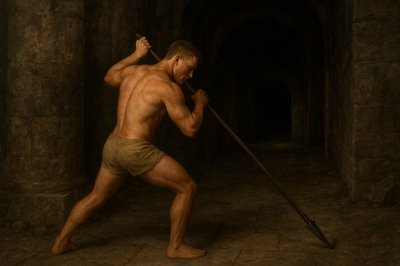
Color Field Abstract Art Style Style Transfer Example
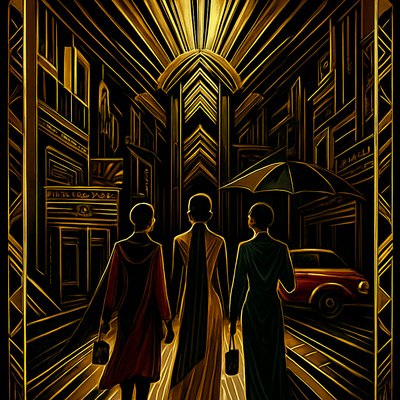
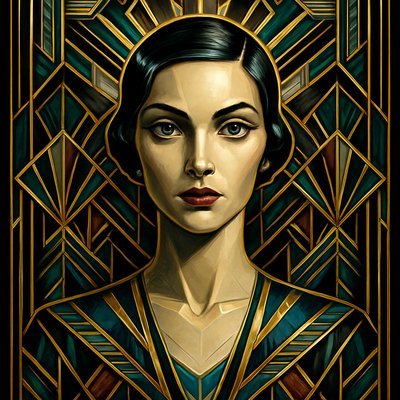
A statuesque woman dressed in high-fashion 1930s Great Depression era glamour, imbued with a strong Art Deco aesthetic. She stands confidently, showcasing a bias-cut evening gown of shimmering silk or satin in a rich jewel tone (e.g., emerald green, sapphire blue, ruby red, or metallic silver/gold). The gown features an elongated, sleek silhouette, perhaps a dramatic cowl neck, a plunging back, or subtle shoulder pads. Her hair is styled in soft, sculpted finger waves. She wears elegant, long gloves and carries a small, decorative clutch bag. The background is a sophisticated Art Deco interior, perhaps with geometric patterns, polished chrome details, and ambient, dramatic lighting, or she stands against a backdrop of Art Deco skyscraper architecture. The overall mood is one of sophistication, elegance, and timeless allure."
A young red-haired girl in whimsical adventurer clothes, bravely climbing a colossal, mountain-sized candy corn. The candy corn shows detailed white, orange, and yellow segments, towering into a bright, fantastical sky. Shimmering, multi-colored pixie stick dust rains down around her like a magical snowfall, sparkling in the light. She has a determined, joyful expression. Fantasy illustration, vibrant colors, dreamlike setting, epic scale, cinematic lighting."
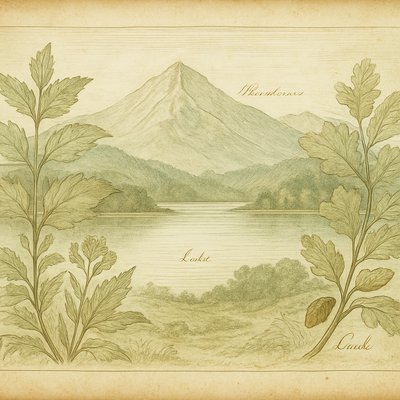
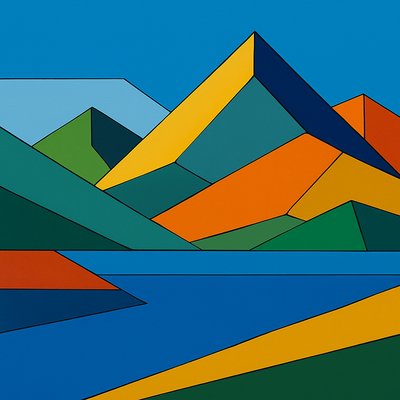
serene landscape with mountains and water
still life with everyday objects
Minimalist Jewelry Design Style Transfer Example
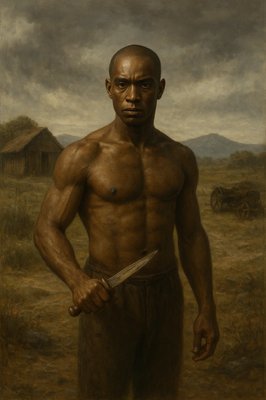
Bismuth Crystal Architecture Style Transfer Example
Minimalist Jewelry Design Style Transfer Example
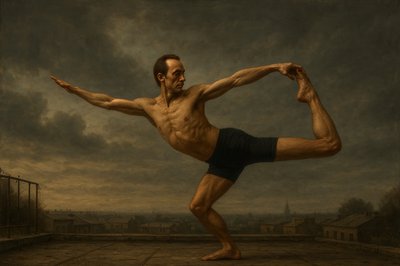
Crystalline Glaze Ceramic Art Style Style Transfer Example
Bismuth Crystal Architecture Style Transfer Example
wide landscape with natural scenery
still life with everyday objects
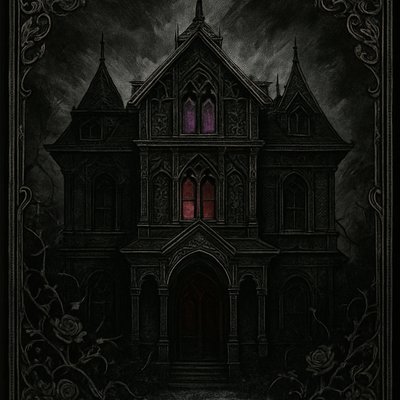
house with front view
still life with everyday objects
house with front view
Oil Painting Art Style, a lively scene showcasing multiple vibrant Quaker Parrots (Monk Parakeets) in crisp detail, actively perched, interacting, and flying around their extraordinary communal stick nest. The nest, a massive and intricate structure woven from countless twigs, serves as a striking backdrop, resembling a complex, multi-chambered apartment building for birds high within a large, leafy tree. The focus is primarily on the parrots themselves: their distinctive bright green plumage, grey chests, and intelligent, curious eyes are rendered with exquisite detail. Several parrots are clearly visible, their individual feathers, beaks, and expressions highlighted. The setting is bright and lively, illuminated by clear, natural sunlight, casting detailed shadows. Focus on the vibrant colors and fine feather details of the Quaker Parrots, their lively activity, and the impressive scale and texture of their communal stick nest as an integral part of their environment.
Seabiscuit vs. War Admiral (The Gaze)

    A hyper-realistic, high-resolution photograph capturing the apex of the 1938 match race between Seabiscuit and War Admiral.

    Focus: The composition is tight, showing both horses running neck-and-neck, dominating the frame. The camera angle is side-on and slightly low, emphasizing their size and muscle. The critical focus is on the space between the horses' heads as they are running stride for stride.

    Details: War Admiral (the dark bay) should show determination and slight surprise, with his head stretched out. Seabiscuit (the smaller bay) should display his characteristic "game" look—intense, focused, and seemingly looking directly into War Admiral's eyes (or toward his rival). Both jockeys (Red Pollard or George Woolf for Seabiscuit; Charles Kurtsinger for War Admiral) are visible, leaning low and urging their mounts on.

    Atmosphere: The light should be bright but slightly diffused, suggesting an autumn afternoon at Pimlico. Dust and track debris are kicked up behind them, blurred slightly by the horses' tremendous speed. The image must convey the raw power, intense rivalry, and the exact moment when the smaller horse asserts his dominance.

    Style: Cinematic photography, realistic texture, sharp focus on the horses' eyes and muscle definition.
Seabiscuit vs. War Admiral (The Gaze)

    A hyper-realistic, high-resolution photograph capturing the apex of the 1938 match race between Seabiscuit and War Admiral.

    Focus: The composition is tight, showing both horses running neck-and-neck, dominating the frame. The camera angle is side-on and slightly low, emphasizing their size and muscle. The critical focus is on the space between the horses' heads as they are running stride for stride.

    Details: War Admiral (the dark bay) should show determination and slight surprise, with his head stretched out. Seabiscuit (the smaller bay) should display his characteristic "game" look—intense, focused, and seemingly looking directly into War Admiral's eyes (or toward his rival). Both jockeys (Red Pollard or George Woolf for Seabiscuit; Charles Kurtsinger for War Admiral) are visible, leaning low and urging their mounts on.

    Atmosphere: The light should be bright but slightly diffused, suggesting an autumn afternoon at Pimlico. Dust and track debris are kicked up behind them, blurred slightly by the horses' tremendous speed. The image must convey the raw power, intense rivalry, and the exact moment when the smaller horse asserts his dominance.

    Style: Cinematic photography, realistic texture, sharp focus on the horses' eyes and muscle definition.
Seabiscuit vs. War Admiral (The Gaze)

    A hyper-realistic, high-resolution photograph capturing the apex of the 1938 match race between Seabiscuit and War Admiral.

    Focus: The composition is tight, showing both horses running neck-and-neck, dominating the frame. The camera angle is side-on and slightly low, emphasizing their size and muscle. The critical focus is on the space between the horses' heads as they are running stride for stride.

    Details: War Admiral (the dark bay) should show determination and slight surprise, with his head stretched out. Seabiscuit (the smaller bay) should display his characteristic "game" look—intense, focused, and seemingly looking directly into War Admiral's eyes (or toward his rival). Both jockeys (Red Pollard or George Woolf for Seabiscuit; Charles Kurtsinger for War Admiral) are visible, leaning low and urging their mounts on.

    Atmosphere: The light should be bright but slightly diffused, suggesting an autumn afternoon at Pimlico. Dust and track debris are kicked up behind them, blurred slightly by the horses' tremendous speed. The image must convey the raw power, intense rivalry, and the exact moment when the smaller horse asserts his dominance.

    Style: Cinematic photography, realistic texture, sharp focus on the horses' eyes and muscle definition.
Narrative Realism Art Style Style Transfer Example
house with front view
Tiny Horse Inside a Glass Ornament
a clear glass christmas ornament containing a living miniature horse with glowing fairy lights, gentle snowfall particles inside, hyper-detailed reflections, delicate glass texture, whimsical fantasy realism, dreamy warm lighting, bokeh background
A majestic lion, eyes gleaming with predatory intensity, crouches low in a shadowy, ancient cave. Its powerful muscles are tensed, ready to spring. Dust motes dance in slivers of light piercing the cavern. The atmosphere is tense and expectant. Photorealistic, cinematic lighting, deep shadows, natural textures, dramatic perspective. Scene is figurative depiction of Psalm 10:9-10.
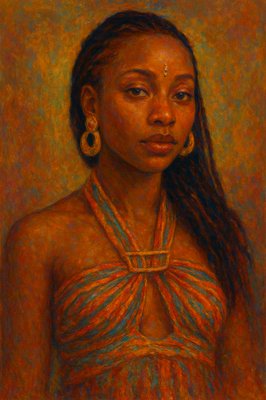
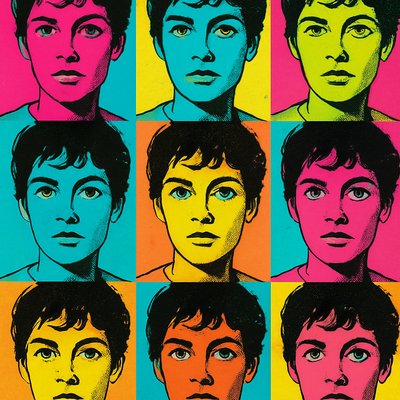
Celebrity Portrait Pop Art Style Style Transfer Example
Exodus 28:31-34 KJV
And thou shalt make the robe of the ephod all of blue.  And there shall be an hole in the top of it, in the midst thereof: it shall have a binding of woven work round about the hole of it, as it were the hole of an habergeon, that it be not rent.
  And beneath upon the hem of it thou shalt make pomegranates of blue, and of purple, and of scarlet, round about the hem thereof; and bells of gold between them round about:
 A golden bell and a pomegranate, a golden bell and a pomegranate, upon the hem of the robe round about.
Oil Painting Art Style, Baroque Art Style, a breathtakingly majestic and regal full-length portrait of "The Queen in Gold of Ophir," inspired by Psalm 45. The Queen stands with impeccable grace and royal dignity, her posture radiating quiet power. Her expression is serene, gentle, and profoundly gracious, with a subtle, noble peace. She is adorned in an exquisitely elaborate gown woven entirely from the finest, purest gold of Ophir, which shimmers and gleams with unparalleled brilliance, featuring a magnificent, flowing long train that sweeps gracefully behind her across the ground. Her attire is intricately embellished with countless precious jewels—sapphires, rubies, and emeralds—each sparkling intensely with Baroque dynamism. A delicate yet regal golden crown, also ablaze with light, rests upon her head. The setting is a serene yet grand sacred garden abundant with white and golden lilies, which bloom richly around her feet and extend into the softly focused background. The scene is bathed in dramatic, warm, golden ambient light that creates striking highlights on her golden gown and the lilies, making her and her lavish garments glow amidst the natural beauty. Focus on the unparalleled brilliance, texture, and radiant shine of her golden gown and its sweeping train, the intense sparkle of her jewels, her majestic yet gentle presence, and the luxurious, sacred atmosphere created by the golden light and the symbolic lilies, befitting a queen in God's presence.
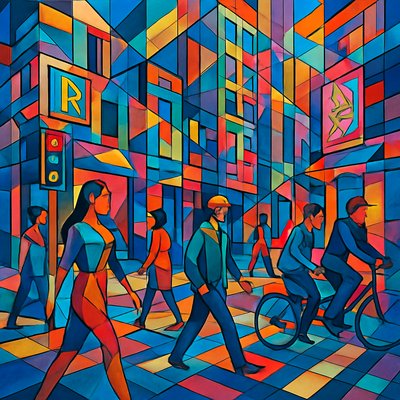
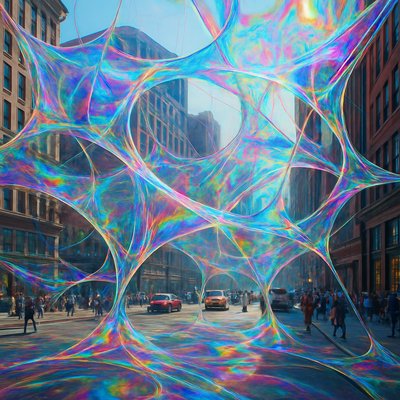
New York City
Oil Painting Art Style, Baroque Art Style, a breathtakingly majestic and regal portrait of "The Queen in Gold of Ophir," inspired by Psalm 45. The Queen stands with impeccable grace and royal dignity, her posture radiating quiet power. Her expression is serene, gentle, and profoundly gracious, with a subtle, knowing smile, reflecting noble peace. She is adorned in an exquisitely elaborate gown woven entirely from the finest, purest gold of Ophir, which shimmers and gleams with unparalleled brilliance, catching every ray of light. Her attire is intricately embellished with countless precious jewels—sapphires, rubies, and emeralds—each sparkling intensely with Baroque dynamism. A delicate yet regal golden crown, also ablaze with light, rests upon her head. The setting is a grand, opulent royal palace chamber, with rich tapestries and polished marble, bathed in dramatic, warm, golden ambient light that creates striking highlights and deep, luxurious shadows, making her and her lavish garments glow. Focus on the unparalleled brilliance, texture, and radiant shine of her golden gown, the intense sparkle of her jewels, her majestic yet gentle presence, and the luxurious, sacred atmosphere befitting a queen in God's presence.
Photorealism Art Style, an incredibly realistic and majestic panoramic depiction of ancient Jewish cosmology for Psalm 8:3. The scene features a vast, immense, and slightly crystalline domed firmament (raqia), appearing as a colossal, translucent barrier stretching high above, separating realms. Above this firmament, immense, dark yet shimmering celestial waters are visibly contained, looking like an actual ocean or body of water suspended in the upper reaches, reflecting an unseen, brilliant divine light from beyond. Large, tangible stars and a realistically textured crescent moon are clearly depicted as radiant, glowing jewels "set into" or embedded within the solid, semi-transparent surface of the firmament, their light realistically illuminating its crystalline structure. Below, hints of foundational earth with discernible "waters below" are visible, all under a profound, ancient sky. Focus on the hyper-realistic textures and luminosity of the crystalline firmament, the visceral reality of the celestial waters above, and the tangible, glowing presence of the embedded moon and stars, creating an image of overwhelming, ancient, and divine majesty.
Nature's Wrath Expressionism Art Style Style Transfer Example
Seabiscuit vs. War Admiral (The Gaze)

    A hyper-realistic, high-resolution photograph capturing the apex of the 1938 match race between Seabiscuit and War Admiral.

    Focus: The composition is tight, showing both horses running neck-and-neck, dominating the frame. The camera angle is side-on and slightly low, emphasizing their size and muscle. The critical focus is on the space between the horses' heads as they are running stride for stride.

    Details: War Admiral (the dark bay) should show determination and slight surprise, with his head stretched out. Seabiscuit (the smaller bay) should display his characteristic "game" look—intense, focused, and seemingly looking directly into War Admiral's eyes (or toward his rival). Both jockeys (Red Pollard or George Woolf for Seabiscuit; Charles Kurtsinger for War Admiral) are visible, leaning low and urging their mounts on.

    Atmosphere: The light should be bright but slightly diffused, suggesting an autumn afternoon at Pimlico. Dust and track debris are kicked up behind them, blurred slightly by the horses' tremendous speed. The image must convey the raw power, intense rivalry, and the exact moment when the smaller horse asserts his dominance.

    Style: Cinematic photography, realistic texture, sharp focus on the horses' eyes and muscle definition.
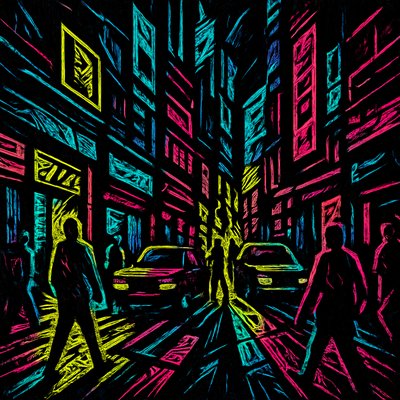
Neon Noir Woodcut Style Transfer Example
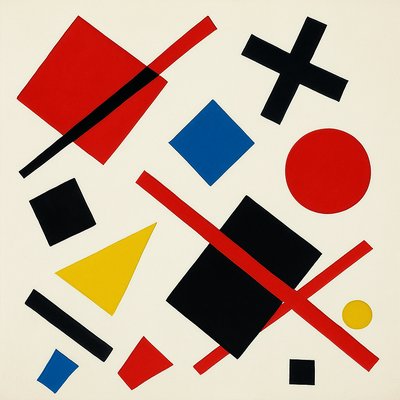
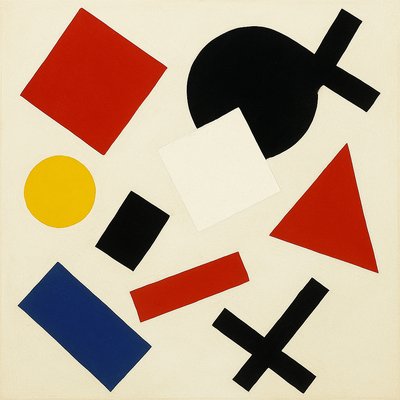
Hard-edge Painting Style Style Transfer Example
wide landscape with natural scenery