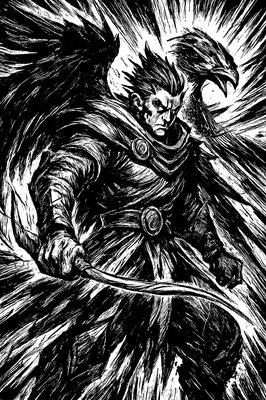
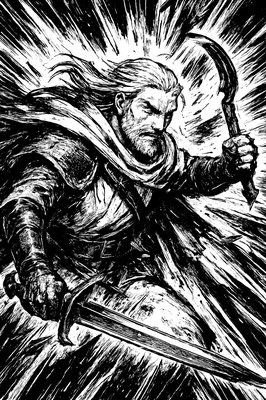
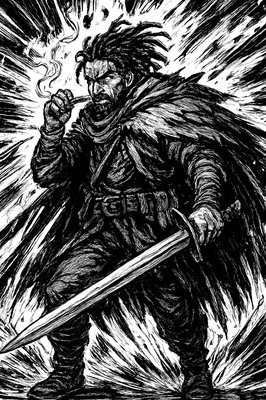
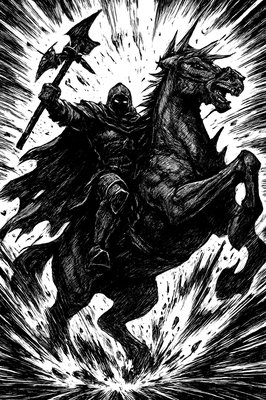
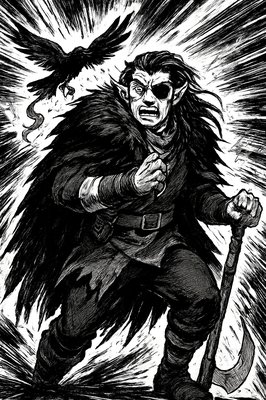
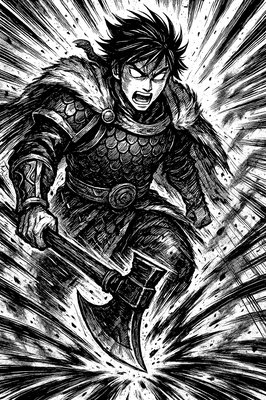
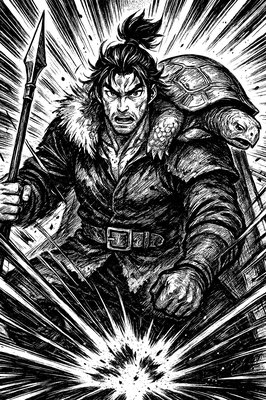
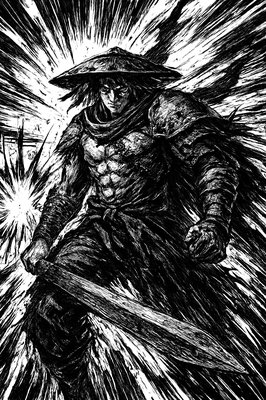
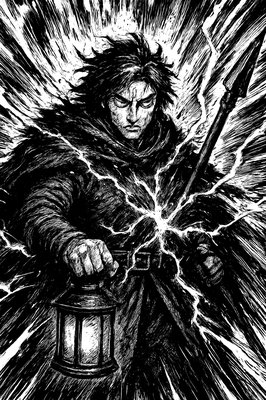
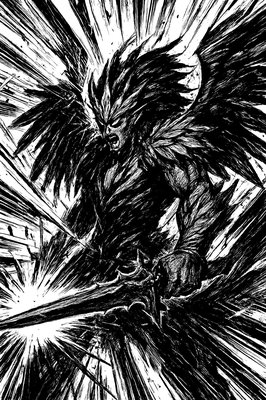
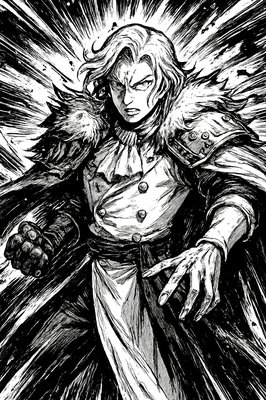
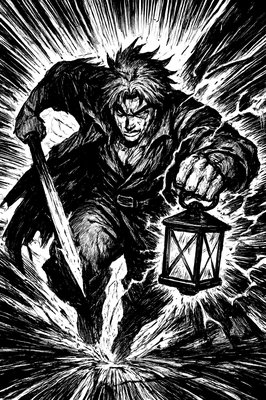
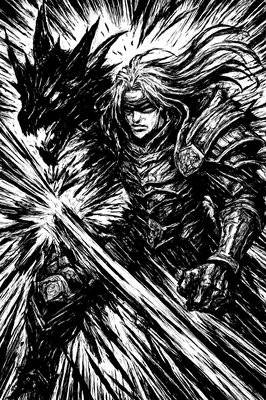
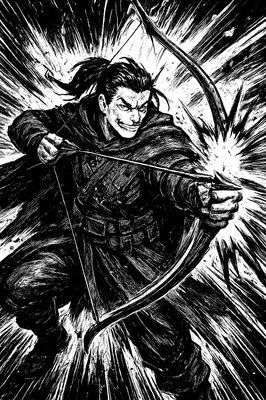
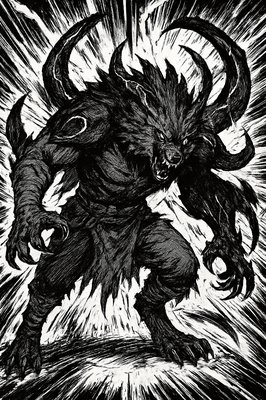
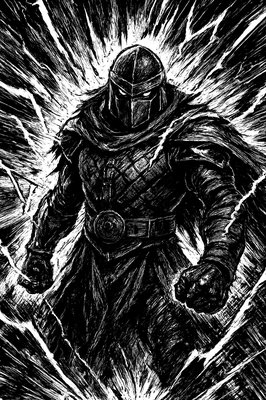
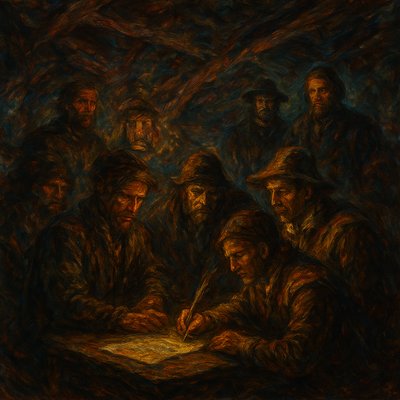
A Cinematic, Hyper Realistic Wide Shot Of Six Valiant Biblical Warriors, The Sons Of Tola, Standing As "Heads Of Their Father’s Art

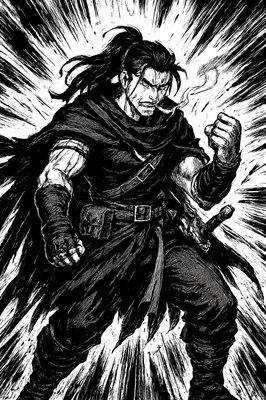
a man in a black and brown outfit holding a cigarette
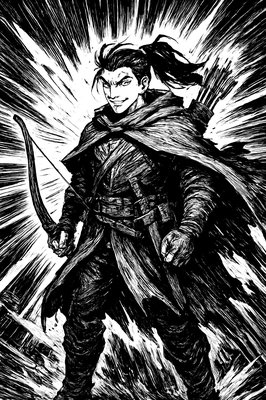
a drawing of a man in a green outfit with a bow and arrow
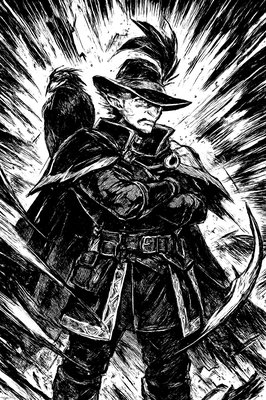
a drawing of a man in a hat and cape
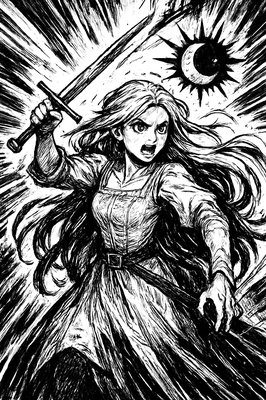
a drawing of a woman holding a sword
a cartoon character with horns and a cape
a painting of a man in armor holding a sword
a painting of a woman holding a bow and arrow
a man dressed in armor holding a lantern
a painting of a man in armor holding a bow and arrow
a painting of a man with a sword
a man riding on the back of a horse
a drawing of a man with a bird on his shoulder
a painting of a man in armor holding an axe
a man sitting on a chair with a turtle on his shoulders
a painting of a man in armor holding a sword
a painting of a man holding a sword and a lantern
a demon with a sword in his hand
a drawing of a man in a white uniform
a painting of a man holding a lantern
a painting of a man in armor holding a sword
a drawing of a man in a green outfit with a bow and arrow
a drawing of a furry creature with blue eyes
a painting of a man in armor with lightning in the background
a painting of a man in a green outfit
a man sitting on a chair with a turtle on his shoulders
a tree in nature
a tree in nature
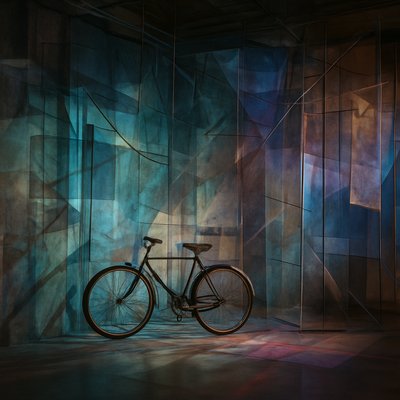
bicyle resting against a wall
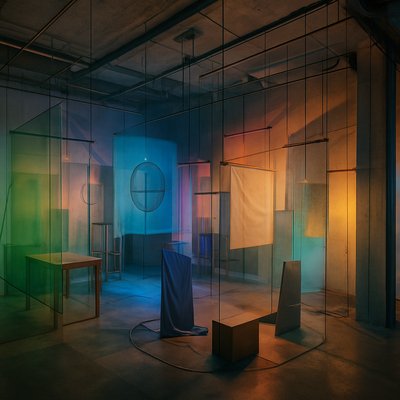
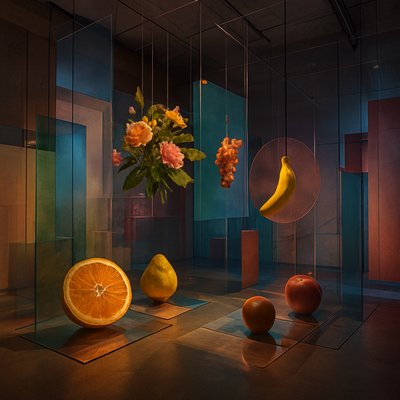
still life with everyday objects
bicyle resting against a wall
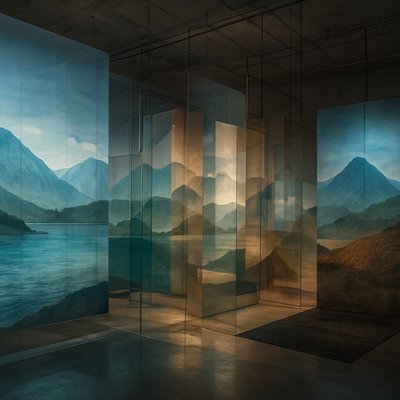
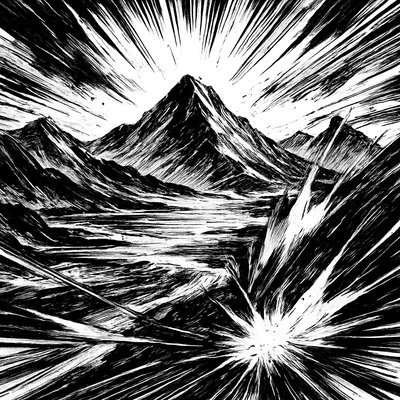
serene landscape with mountains and water
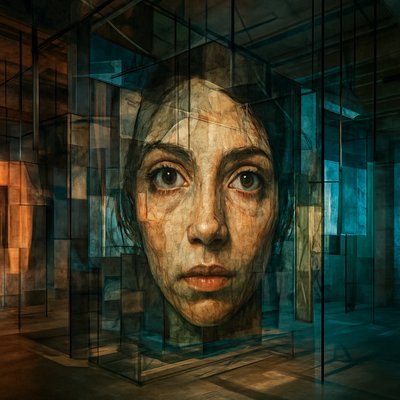
portrait of a person with expressive eyes
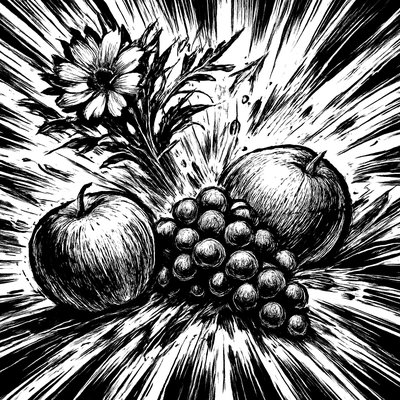
still life arrangement of fruits and flowers
serene landscape with mountains and water
still life arrangement of fruits and flowers
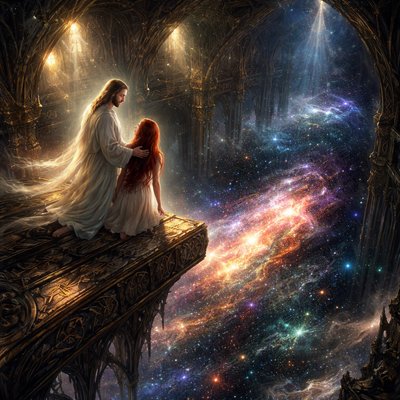
Surrealism Art Style, Fantasy Digital Art Style, a breathtaking and dreamlike scene. Jesus Christ, robed in soft, glowing white light, stands with a girl with long red hair (the dreamer) on massive, ancient wooden and stone cathedral rafters that curve high into a dark upper vault. They are looking downwards over the edge of a thick beam. Below them, there is no floor, only an infinite, swirling cosmic abyss filled with brilliant galaxies, nebulae, and countless glittering stars spread out like a carpet far below. The architecture seems to be floating in space. The lighting is a mix of warm gold from the divine figures and cool blues and purples from the stars below. The mood is one of overwhelming awe and peace.
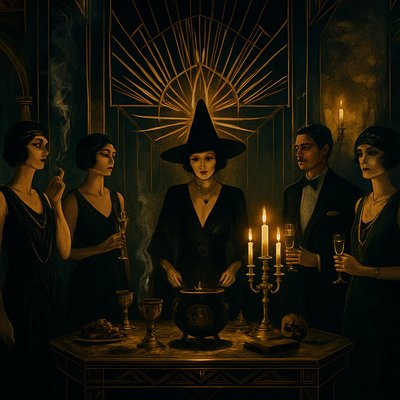
A secret witches' party in 1920s Weimar Berlin. Opulent, crumbling ballroom, flickering gaslight, deep shadows. Flapper-era attendees in high fashion, subtle occult accessories. Decadent feast, champagne, cigarette smoke. A central antique table with mysterious ritual objects. Juxtaposition of extreme luxury and hidden magic. Cinematic realism, dark academia, chiaroscuro, rich jewel tones. Influenced by Babylon Berlin aesthetics.
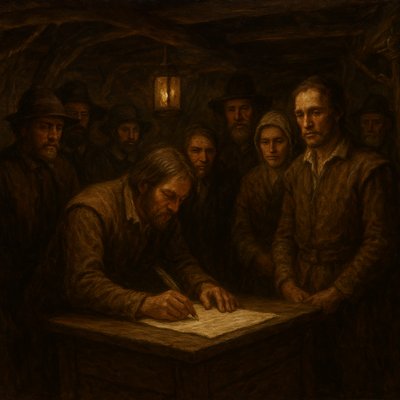
A historically accurate and atmospheric depiction of the signing of the Mayflower Compact aboard the ship in November 1620. The scene is set in the dimly lit, cramped cabin of the Mayflower, with the ship's timbers and rigging subtly visible, conveying the challenging conditions of the voyage. A simple table or chest serves as the signing surface. The primary focus is on a small group of the last individuals signing the document: specifically, the indentured servants (or 'strangers' not directly part of the Separatist congregation) approaching or at the table. Their expressions show a mix of weary determination, understanding of the necessity, and perhaps a hint of quiet apprehension or resignation to this new social contract, given their status. They are dressed in the plain, practical clothing typical of 17th-century commoners and laborers. Figures of prominent Pilgrims or 'Saints' (like William Bradford or John Carver) are visible in the background, observing the proceedings with a sense of gravity and leadership, but they are not the central focus. The lighting is low and warm, perhaps from a lantern, creating a chiaroscuro effect that highlights the faces of the signers. The atmosphere conveys the momentousness of the act under difficult circumstances, the diverse composition of the group, and the early seeds of self-governance in a new world. The artistic style is a realistic, historically detailed oil painting, capturing the solemnity and human element of this pivotal historical moment."
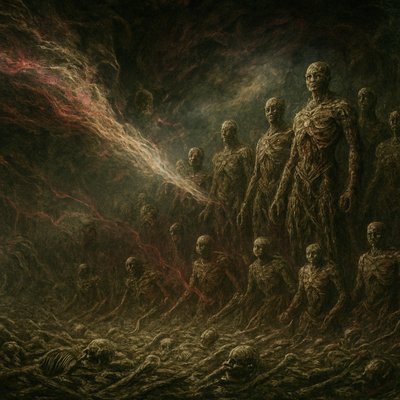
A profound and epic scene depicting the Vision of the Dry Bones from Ezekiel 37. In a desolate, vast valley, countless dry human bones are scattered, stark white and ancient. A powerful, divine wind (ruach) swirls through the valley, imbued with a sacred, ethereal glow, causing the bones to rattle and miraculously knit together. Tendons, flesh, and skin rapidly form over the skeletal structures, transforming them into fully-formed human figures. As the divine breath enters, the figures rise, not as individuals, but as a colossal, awe-inspiring army standing upright, gazing forward with renewed life and purpose. The sky above is dramatic, perhaps with stormy clouds breaking to reveal a divine light. The overall mood is one of miraculous resurrection, immense power, and hopeful restoration."