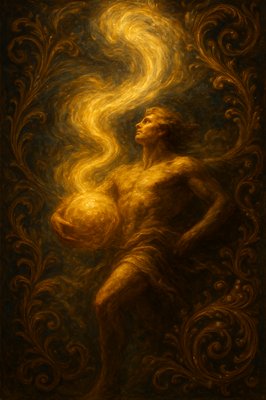
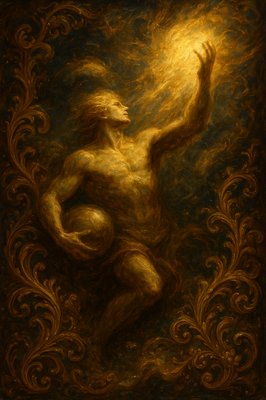
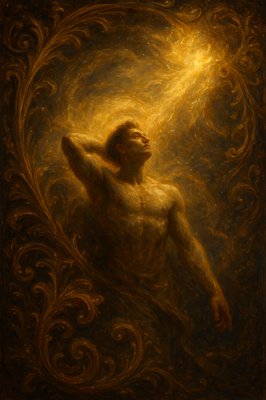
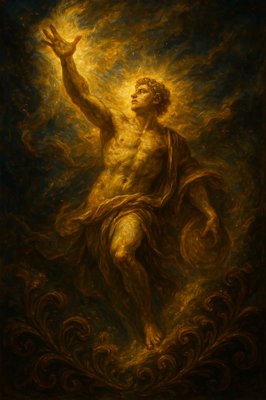
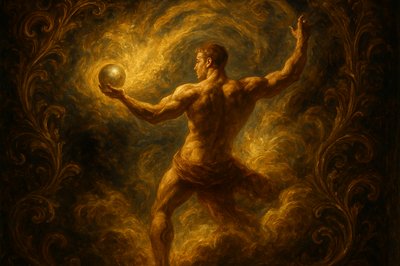
A Break Dancer Mid Spin Art

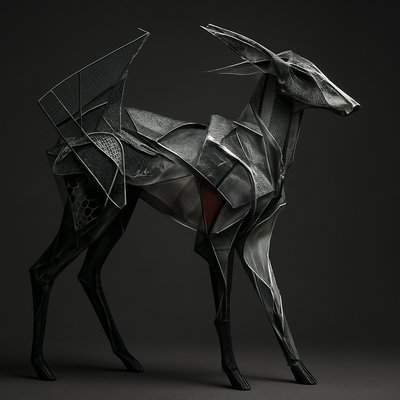
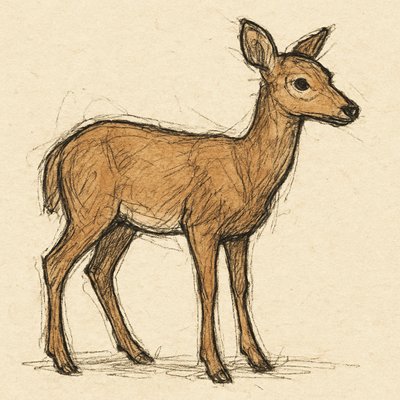
animal standing in natural pose
wide landscape with natural scenery
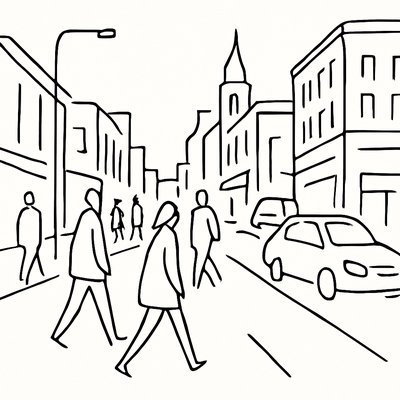
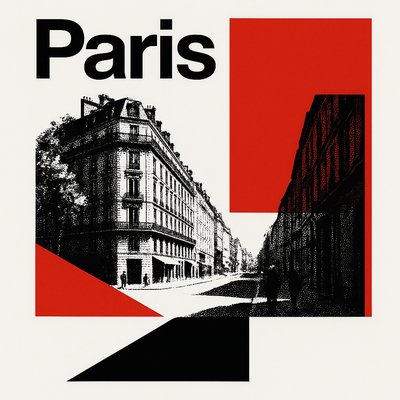
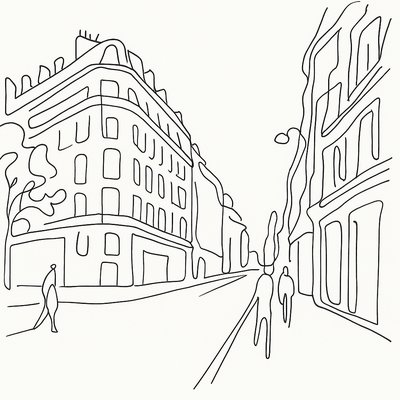
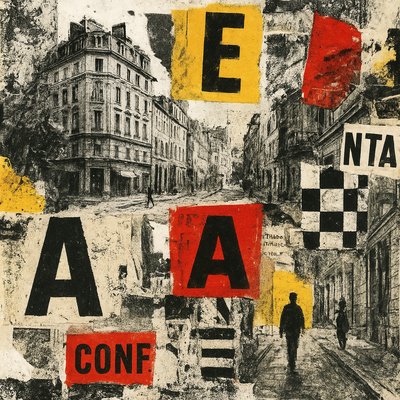
urban street with city activity
animal standing in natural pose
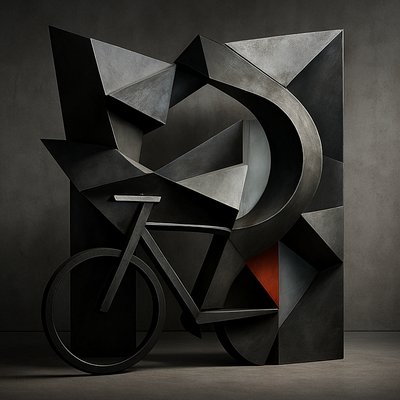
bicyle resting against a wall
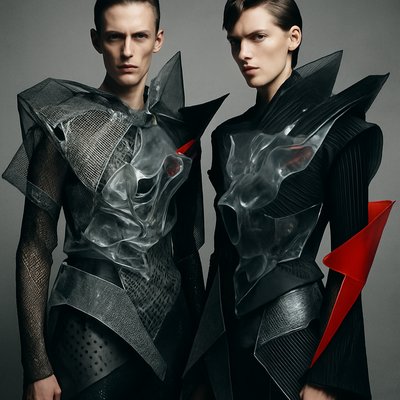
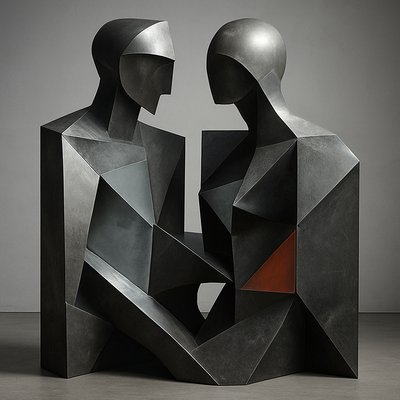
portrait of two people together
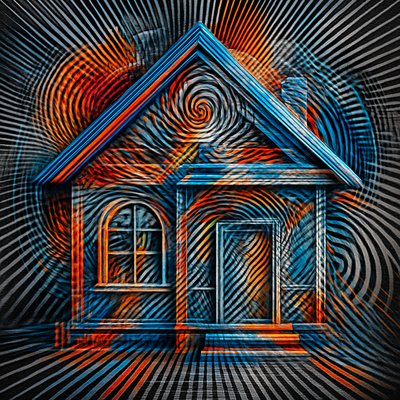
house with front view
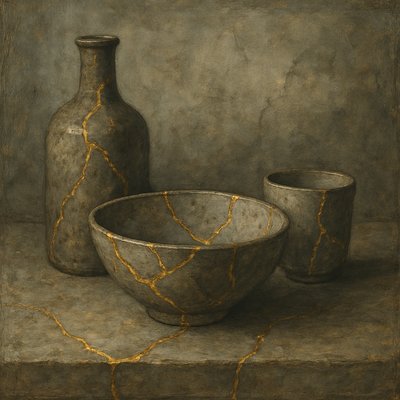
still life with everyday objects
wide landscape with natural scenery
house with front view
bicyle resting against a wall
urban street with city activity
still life with everyday objects
wide landscape with natural scenery
portrait of two people together
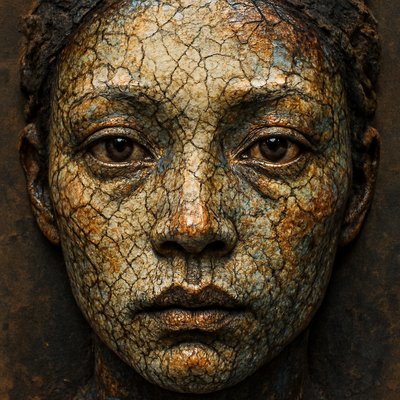
portrait of a person with expressive eyes
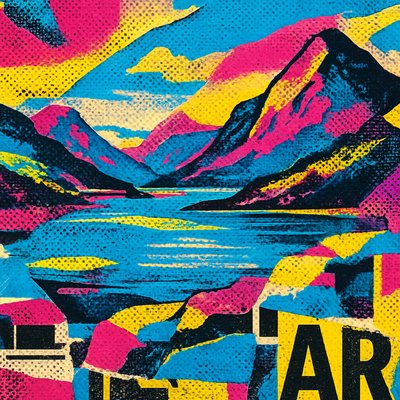
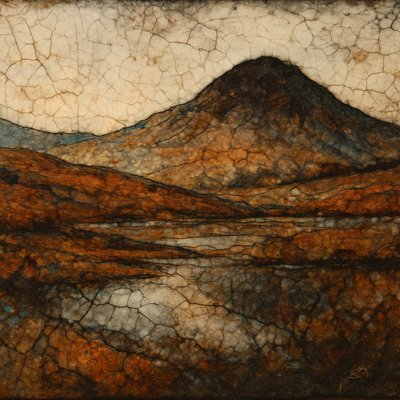
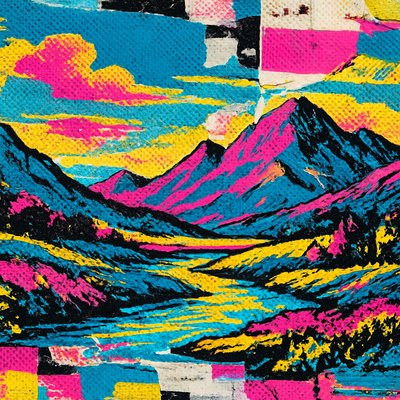
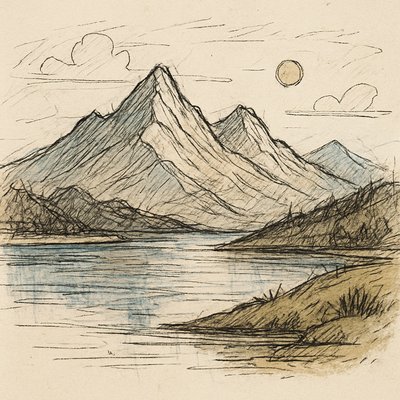
serene landscape with mountains and water
portrait of a person with expressive eyes
serene landscape with mountains and water
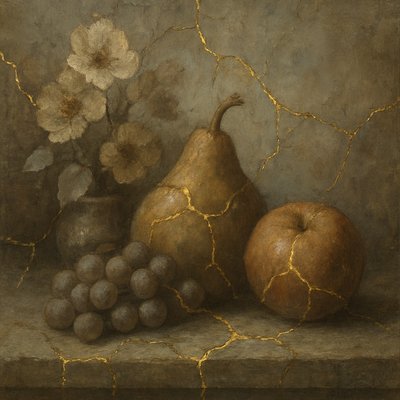
still life arrangement of fruits and flowers
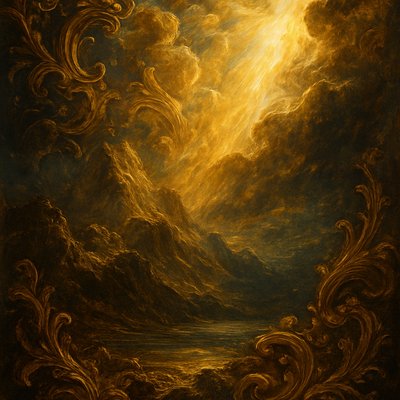
Art Style: Classical Oil Painting on Canvas. A mix of the Hudson River School for the landscape and Dutch Golden Age for the cozy, interior glow. Rich, blended brushstrokes and a heavy emphasis on "Chiaroscuro" (the contrast between dark and light).

The Scene: A majestic, ancient oak tree stands as a beacon in a twilight forest. The tree is a vertical village; dozens of tiny, warm-orange lights glow from windows carved into the bark and from lanterns hanging on crooked branches.

The Details: > * The Owls: In the foreground, a large, painterly Great Horned Owl is mid-landing, its wings spread wide, showcasing soft, feathered textures. A small gnome in a weathered red cap is leaning out from a leather saddle, waving a tiny lantern.

    The Treehouse: Wooden stairs wind around the trunk like a spiral, and laundry lines with tiny clothes stretch between branches.

Lighting & Color: The sky is a deep, romantic "Maxfield Parrish" blue, transitioning into a soft apricot sunset on the horizon. The foliage is rendered in deep forest greens and burnt umbers.

Texture: The overall feel should be "thick"—you can almost see the texture of the oil paint and the cracked varnish of an old museum piece.
Creepy Children's Drawing Style Style Transfer Example
كرة القدم الامريكيه
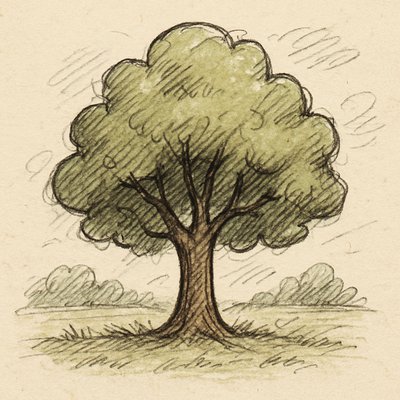
a tree in nature
bicyle resting against a wall
urban street with city activity
wide landscape with natural scenery
Ethereal Digital Art, Cosmic Surrealism, Astrophotography Aesthetic. A breathtaking scene in deep space where the constellation Cygnus physically manifests into a majestic, glowing celestial swan in mid-flight.

The Subject: The swan’s form is composed of swirling blue and violet nebulae, with its feathers shimmering like stardust. The primary stars of the constellation (Deneb at the tail, Albireo at the beak) are rendered as brilliant, multi-pointed white light-bursts that anchor the swan’s anatomy. The body of the swan is translucent, revealing distant spiral galaxies and star clusters through its wings.

The Composition: The swan is flying diagonally across the frame, leaving a trail of shimmering cosmic dust and stardust in its wake. The background is the deep, dark void of the cosmos, populated by millions of pinprick stars and faint, colorful gas clouds.

Lighting & Mood: The light source originates from the swan itself, casting a soft, divine glow on the surrounding space. The mood is transcendent, silent, and awe-inspiring. Every detail, from the "stellar feathers" to the distant nebulae, should be sharp and high-definition.
Start with a completely ordinary, even boring photograph of a full moon reflecting over a still lake.
Corrupt it until it no longer resembles its original subject at all, but still somehow feels like it’s haunted by what it used to be. Push the file through at least four different deliberate stages of destruction (e.g. heavy JPEG decay → databend in Audacity → pixel sorting by luminance → extreme RGB channel displacement and offset). Let compression artifacts bloom into impossible colors. Allow entire sections to liquefy and drip downward. Make the metadata scream. The final image should feel like a memory that’s been compressed, encrypted, lost, recovered, and compressed again for twenty years.
A profoundly symbolic and awe-inspiring depiction of a colossal, luminous pearl gate in the New Jerusalem, captured in the dynamic act of rolling away, similar to the stone being moved from Christ's tomb. The gate, a single, immense, perfectly spherical pearl, is shown mid-motion, having just been set aside from the entrance, revealing the glorious city beyond.

The pearl itself glows with an intense, soft iridescence, reflecting the divine light. Its surface shows subtle, exquisite details of mother-of-pearl. The frame or opening from which it has rolled away is visible, perhaps showing immense, smooth tracks or channels in the transparent gold structure of the city wall, reinforcing the idea of its monumental movement.

Through the now open gate, the radiant glory of the New Jerusalem streams forth. Pure gold streets, like transparent glass, extend into the city, illuminated by an intense, divine light that emanates from within. Heavenly architecture, impossibly beautiful and intricate, is glimpsed in the distance, beckoning. The atmosphere is one of profound sanctity, triumphant revelation, and welcoming access to the divine, with the act of the pearl rolling away symbolizing a breakthrough or an open invitation. The lighting is ethereal and grand, emphasizing the pearl's luster and the city's overwhelming glory."
A solitary and intensely symbolic image depicting a magnificent, large black raven as the embodiment of judgment from Proverbs 30:17. The raven is portrayed with immense detail and an almost mythical presence, its feathers dark and glossy, its eyes glowing with a profound, ancient wisdom or stern disapproval. It is perched on a jagged, weathered tree branch or a sharp, craggy rock formation within a desolate, mist-shrouded valley.

The background is stark and emphasizes desolation, featuring barren, rocky slopes and a stormy, oppressive sky with heavy, dark clouds. The lighting is dramatic and stark, perhaps a single shaft of pale, cold light illuminating the raven, casting long, deep shadows around it. The focus is entirely on the raven, its sharp beak, and its piercing gaze, conveying a sense of ultimate, inescapable consequence. The overall mood is one of profound, somber judgment and the quiet, heavy weight of natural law, expressed through the powerful symbolism of the bird."
An awe-inspiring and whimsical scene featuring Willy Wonka's Great Glass Wonkavator, soaring through the sky and beyond the confines of the chocolate factory. The Wonkavator itself is a magnificent, multi-directional glass elevator, transparent and sparkling, with Willy Wonka (wearing his iconic top hat, purple coat, and bowtie) and 2 young Victorian well dressed ladies looking out with expressions of joy, wonder and excitement. The interior is filled with intricate buttons and levers for controlling its magical flight. The Wonkavator is depicted in mid-flight, perhaps bursting through the factory roof or ascending above the clouds. Below it, the fantastical landscape of the Chocolate Factory is visible – chocolate rivers, edible gardens, candy cane trees, and various whimsical buildings. Beyond the factory, a stunning, imaginative sky unfolds, perhaps with floating candy clouds, distant fantastical landmarks, or even glimpses of outer space and planets. The lighting is bright and magical, emphasizing the glass's transparency and the vibrant colors of the world below and beyond. The overall mood is one of boundless adventure, limitless possibilities, and pure, joyful fantasy."
An awe-inspiring and whimsical scene featuring Willy Wonka's Great Glass Wonkavator, soaring through the sky and beyond the confines of the chocolate factory. The Wonkavator itself is a magnificent, multi-directional glass elevator, transparent and sparkling, with a middle aged Willy Wonka (wearing his iconic top hat, purple coat, and bowtie) and 2 young Victorian well dressed ladies looking out with expressions of joy, wonder and excitement. The interior is filled with intricate buttons and levers for controlling its magical flight. The Wonkavator is depicted in mid-flight, perhaps bursting through the factory roof or ascending above the clouds. Below it, the fantastical landscape of the Chocolate Factory is visible – chocolate rivers, edible gardens, candy cane trees, and various whimsical buildings. Beyond the factory, a stunning, imaginative sky unfolds, perhaps with floating candy clouds, distant fantastical landmarks, or even glimpses of outer space and planets. The lighting is bright and magical, emphasizing the glass's transparency and the vibrant colors of the world below and beyond. The overall mood is one of boundless adventure, limitless possibilities, and pure, joyful fantasy."
An awe-inspiring and whimsical scene featuring Willy Wonka's Great Glass Wonkavator, soaring through the sky and beyond the confines of the chocolate factory. The Wonkavator itself is a magnificent, multi-directional glass elevator, transparent and sparkling, with a middle aged Willy Wonka (wearing his iconic top hat, purple coat, and bowtie) and a young Victorian well dressed lady looking out with expressions of wonder and excitement. The interior is filled with intricate buttons and levers for controlling its magical flight. The Wonkavator is depicted in mid-flight, perhaps bursting through the factory roof or ascending above the clouds. Below it, the fantastical landscape of the Chocolate Factory is visible – chocolate rivers, edible gardens, candy cane trees, and various whimsical buildings. Beyond the factory, a stunning, imaginative sky unfolds, perhaps with floating candy clouds, distant fantastical landmarks, or even glimpses of outer space and planets. The lighting is bright and magical, emphasizing the glass's transparency and the vibrant colors of the world below and beyond. The overall mood is one of boundless adventure, limitless possibilities, and pure, joyful fantasy."
Epic Biblical Baroque Painting Style, High-Contrast Tenebrism Lighting, Supernatural Realism. A monumental, earth-shattering scene at Golgotha at the precise moment of death.

The Central Figure: Jesus hangs lifelessly on a rough wooden cross, head bowed in finality, his body pale and scarred. A subtle, fading divine light emanates from him. The titulus above his head reads "INRI."

The Manifestation of the Roar (Jasher 54 influence): At the very instant of his death, the environment is violently convulsing, visualizing the "roar" of Judah echoing through time. Behind and above the cross, the dark, stormy clouds are being ripped apart by a massive, translucent ethereal manifestation of a roaring Lion's head formed from dust, lightning, and golden spiritual energy.

The Environmental Impact: The ground beneath the cross is cracking open with deep fissures. Massive boulders are shattering into dust mid-air. The temple veil in the distant city background is visibly tearing top-to-bottom.

The Human Reaction: Below the cross, the scene is one of absolute supernatural terror (as described in Jasher). Roman centurions are cowering on the ground, covering their ears, their helmets knocked off. Horses are rearing wildly, throwing their riders. The few followers present (Mary, John) are driven to their knees, not just in grief, but overwhelmed by the physical force of the cosmic event. The lighting is a chaotic mix of deep eclipse shadow and blinding bursts of supernatural golden-red light from the roaring manifestation.
a painting of a woman with long hair
Scavenger in ruined metropolis
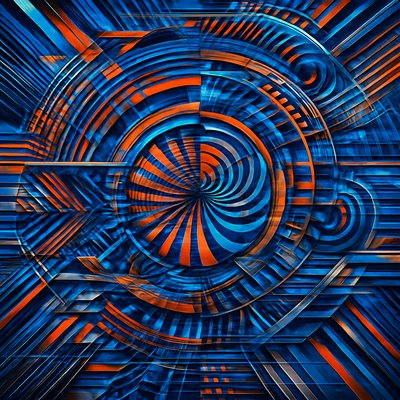
Textural Abstract Art Style Style Transfer Example
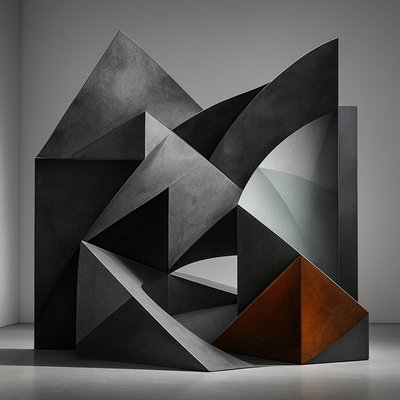
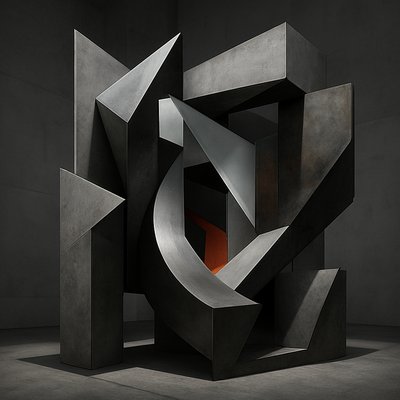
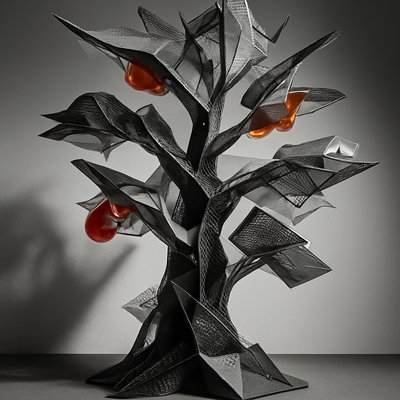
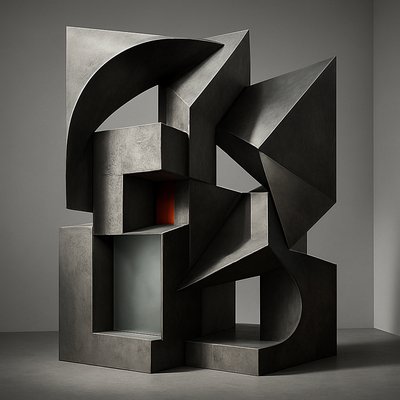
Contemporary Sculptural Ceramic Art Style Style Transfer Example