A Black And White Photo Of A Man In A Suit And Tie Art

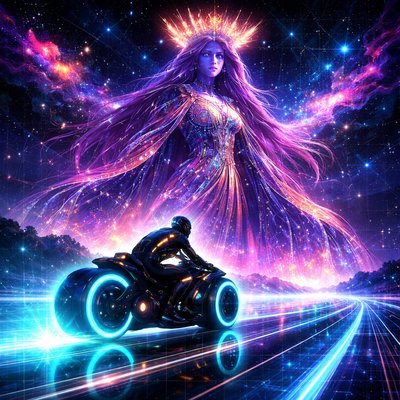
Neon-Futurism Digital Art Style, "Tron" Legacy Aesthetic, Bioluminescent and Geometric. A sleek, futuristic scene set against the digital void of deep space.

The Rider and Machine: A lone rider on a low-slung, futuristic light-sportbike speeds along. The bike has hubless wheels that glow with intense cyan light, leaving a solid ribbon trail of light behind it. The rider wears a full-coverage, armored future-suit with a sleek, integrated helmet, outlined in glowing orange and blue piping.

The Path (The Ecliptic): They are riding on the Ecliptic, rendered as a translucent, multi-lane highway of flowing data streams and laser grids stretching infinitely into the cosmos.

The Constellation (Honorable Virgo): Dominating the background is the immense, celestial avatar of Virgo. She is starry but modest without any nakedness and is draped in voluminous, flowing robes woven from glowing violet and gold circuit patterns and data tapestries. She wears a stylized digital crown or halo representing wheat stalks. She is a dignified, colossal queen of light, looking down calmly at the rider passing her domain.

Atmosphere: The background is a dark grid of space filled with geometric nebulae and distant, pixelated stars. The lighting is entirely sourced from the glowing neon elements.
“And on my servants and on my handmaidens I will pour out in those days of my Spirit; and they shall prophesy:” (Acts 2:18, KJV)
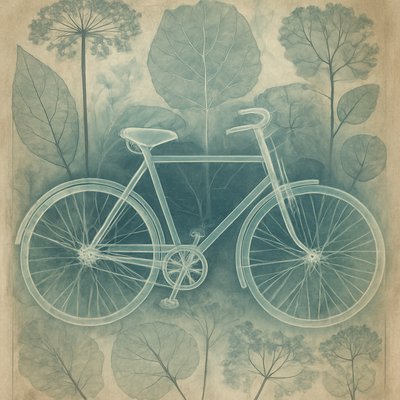
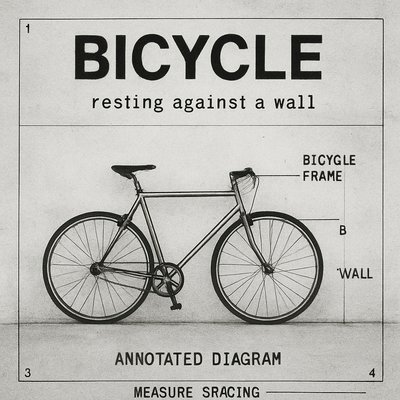
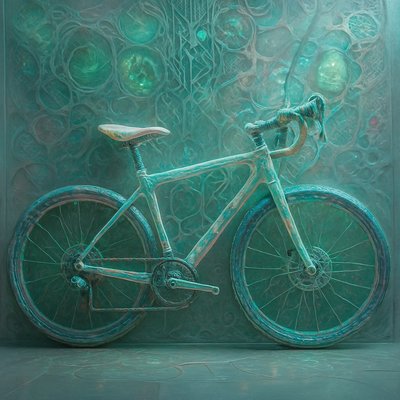
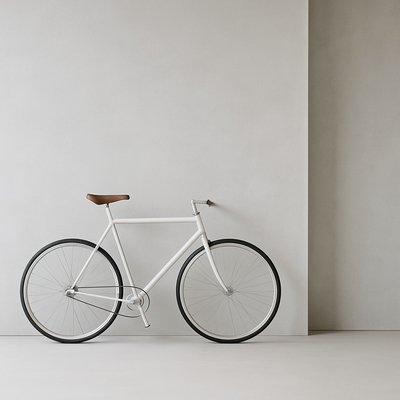
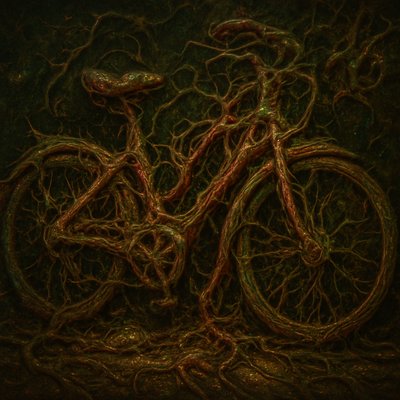
bicyle resting against a wall
house with front view
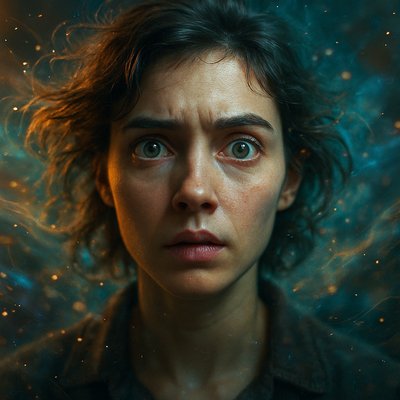
portrait of a person with expressive eyes
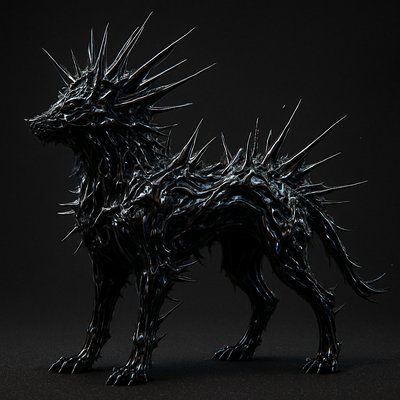
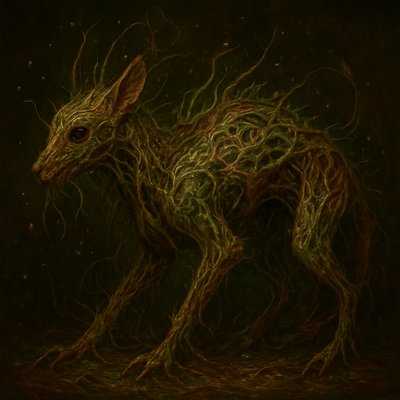
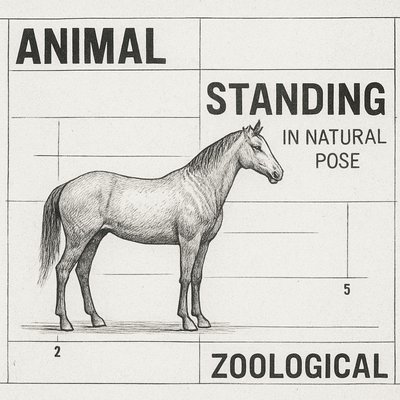
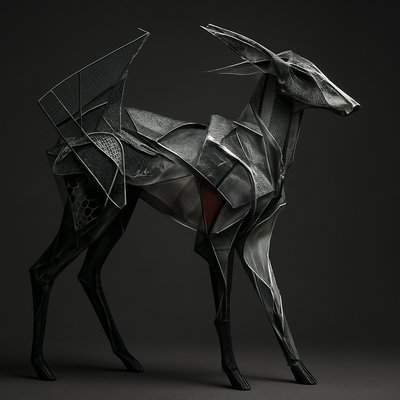
animal standing in natural pose
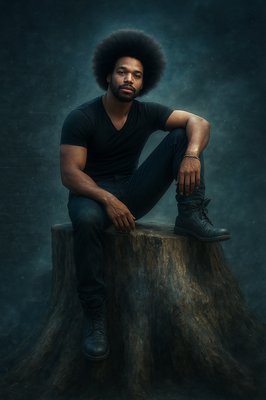
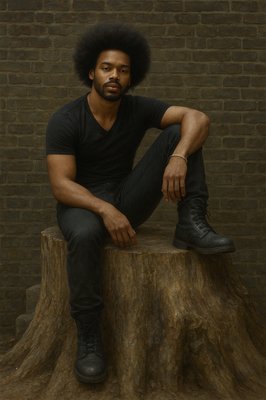
a man sitting on top of a tree stump
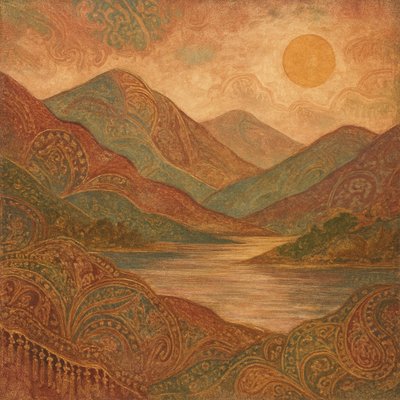
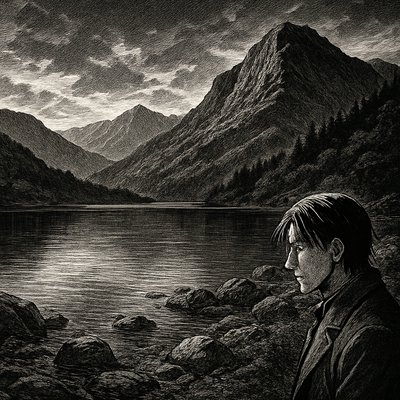
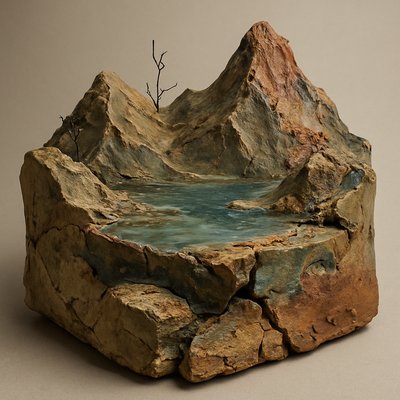
serene landscape with mountains and water
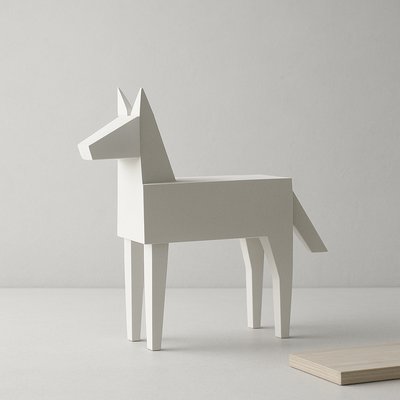
animal standing in natural pose
bicyle resting against a wall
portrait of a person with expressive eyes
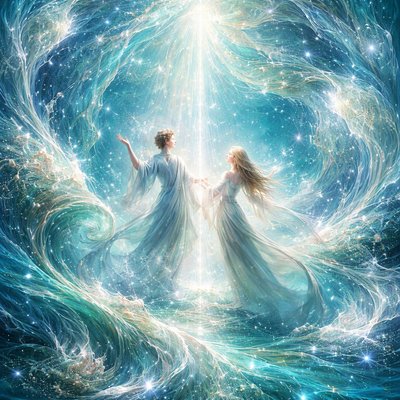
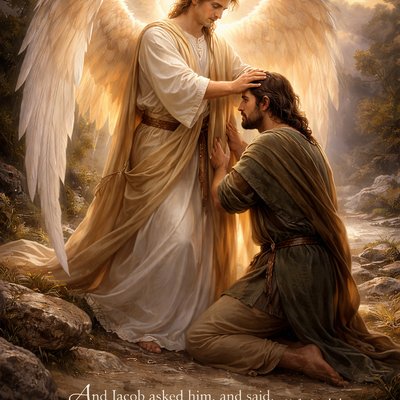
“And Jacob asked him, and said, Tell me, I pray thee, thy name. And he said, Wherefore is it that thou dost ask after my name? And he blessed him there.” (Genesis 32:29, KJVA) The angel blessing Jacob is masculine.
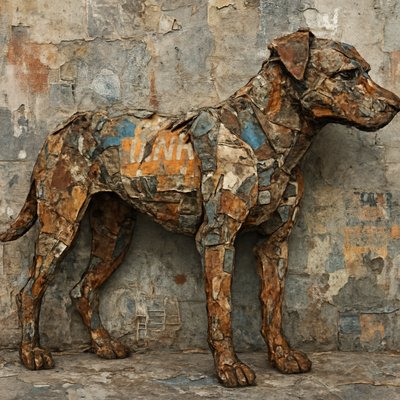
animal standing in natural pose
bicyle resting against a wall
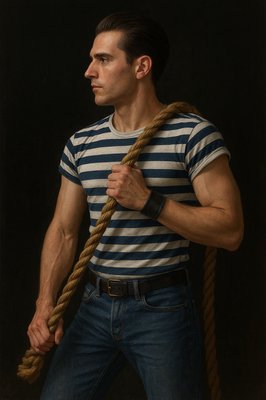
a man holding a rope in his hands
a man sitting on top of a tree stump
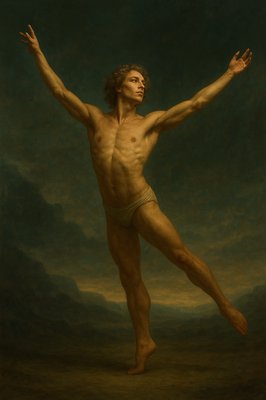
a painting of a man with his arms outstretched
a painting of a man reading a book
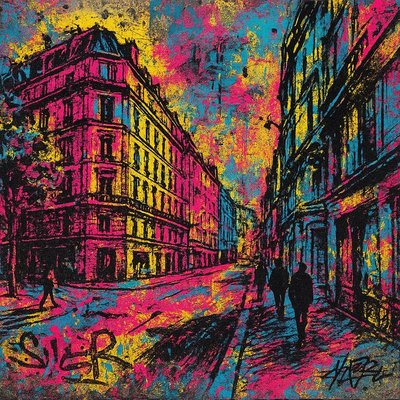
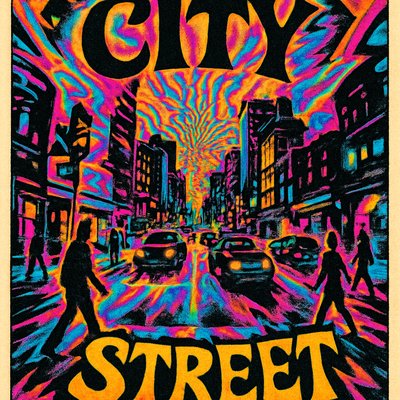
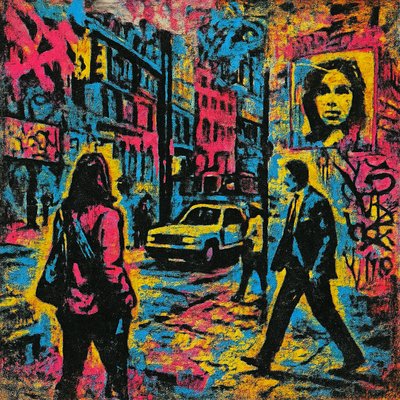
Street Art Style Style Transfer Example
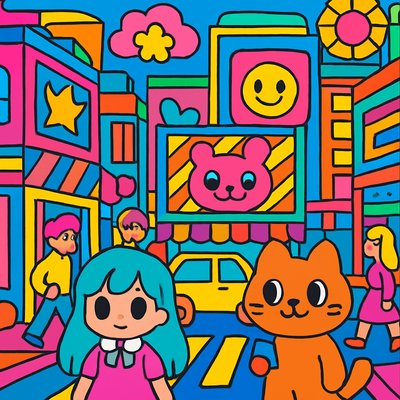
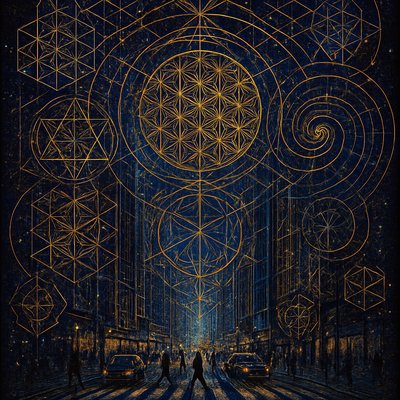
urban street with city activity
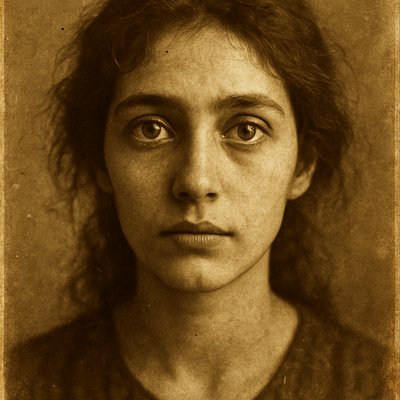
portrait of a person with expressive eyes
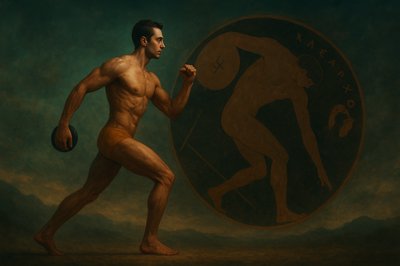
a painting of a man holding a ball and a disc
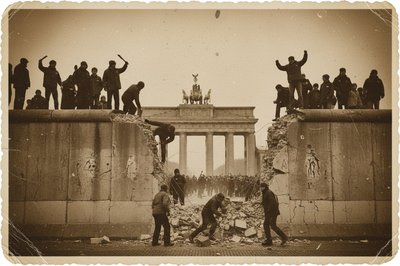
fall of the berlin wall
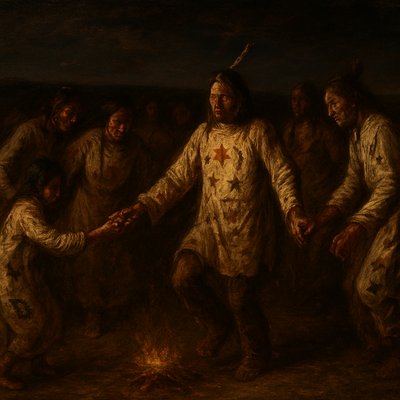
"A historically accurate depiction of a Ghost Dance, focusing on the late 19th-century context, specifically around 1890-1891. The scene shows Lakota (Sioux) or Northern Paiute people (specify one or include elements of both, but avoid anachronisms) participating in the ceremony.

Setting: A vast, open prairie or high desert landscape, under an expansive sky. The time of day could be dusk or night, with a prominent moon or stars, or a bright, clear day. Avoid overtly spiritual or ethereal elements like floating spirits unless explicitly requested for a later, more symbolic iteration. The focus should be on the earthly ceremony.

Participants: A circle of men, women, and children, hand-in-hand, moving in a slow, rhythmic shuffle or circular motion. Their faces show a mixture of devotion, hope, and determination. Some may have expressions of trance or deep concentration.

Attire:

    Ghost Dance Shirts/Dresses: Emphasize the unique Ghost Dance shirts and dresses, which were typically made of muslin or canvas. These garments should feature painted designs such as stars, crescents, birds (especially eagles or crows), buffalo, human figures, or crosses. The designs should appear hand-painted, not mass-produced.

    Hair and Adornments: Participants should have braided hair or wear it long. Some may wear feathers (e.g., eagle or hawk feathers) in their hair. Minimal traditional adornments, as the focus was often on the Ghost Dance shirt itself. Avoid overly elaborate or Hollywood-esque depictions of war bonnets unless relevant to a specific individual and context.

    Footwear: Moccasins or bare feet.

Action/Atmosphere:

    The dancers are moving in a counter-clockwise circle, with a central figure or a small group often leading.

    The overall mood is one of earnest prayer and communal spiritual effort. The dance should convey a sense of hope for renewal and the return of the old ways, rather than aggression or despair.

    There might be a central pole or small fire as a focal point, around which the dance takes place.

    Avoid any signs of direct conflict or violence; the Ghost Dance itself was a non-violent spiritual movement.

Specific Considerations for Accuracy:

    Wovoka's Influence: The teachings of Wovoka (the Northern Paiute prophet) emphasized peace, hard work, and the return of the buffalo and deceased ancestors. The scene should subtly reflect this hopeful, redemptive spirit.

    Regional Variations: If focusing on Lakota, consider their specific interpretations, which sometimes included more imagery related to their warrior traditions on the shirts, but still within the peaceful framework of the dance.
    Respectful Portrayal: Ensure the depiction is respectful and avoids any stereotypical or caricatured representations of Indigenous people. Focus on their human dignity and spiritual sincerity.
animal standing in natural pose
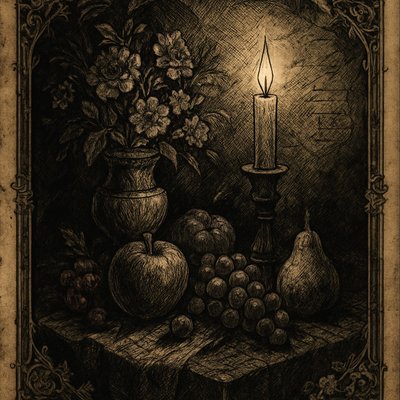
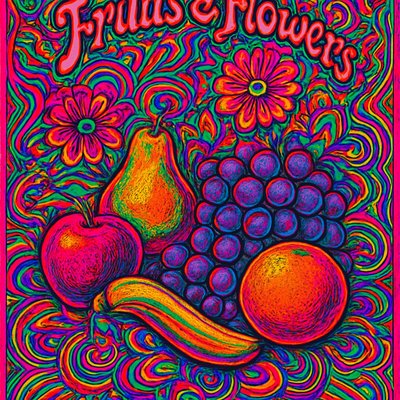
still life arrangement of fruits and flowers
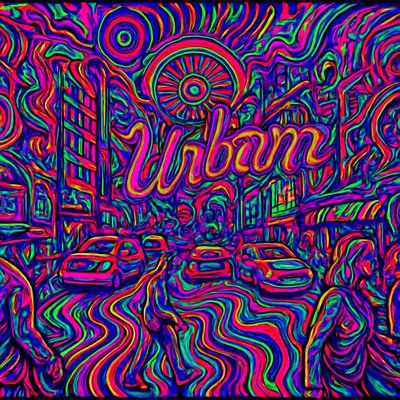
urban street with city activity
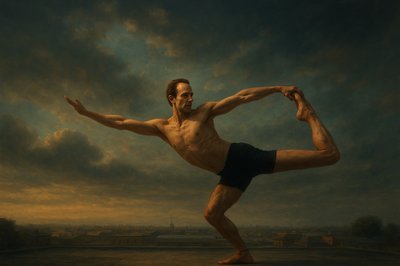
a man doing a yoga pose in front of a cloudy sky
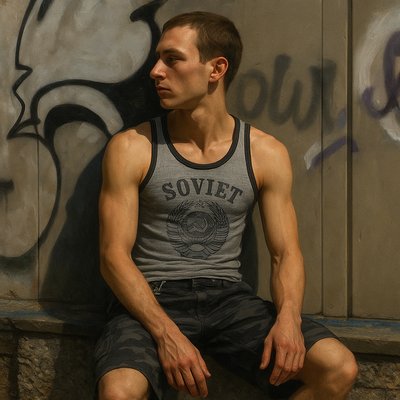
a man sitting on a ledge in front of a graffiti covered wall
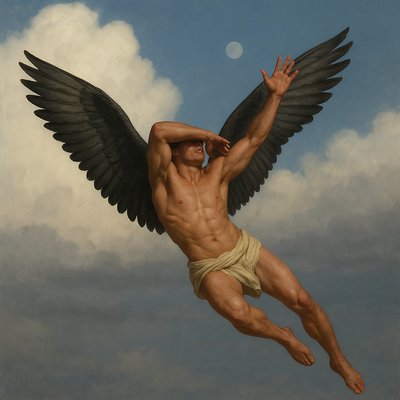
a painting of a man with wings in the air
serene landscape with mountains and water