A Breathtaking And Vibrant Artwork Rendered Entirely In The Style Of A Grand, Traditional Stained Glass Masterwork, Without Art

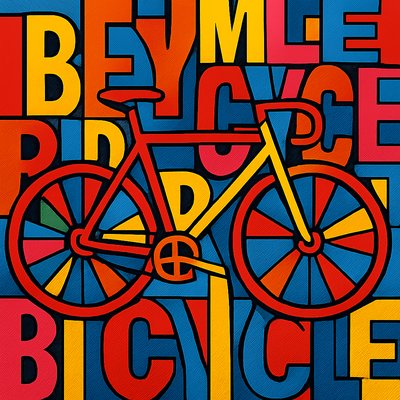
bicyle resting against a wall
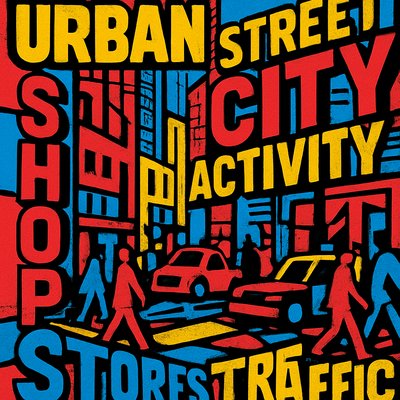
urban street with city activity
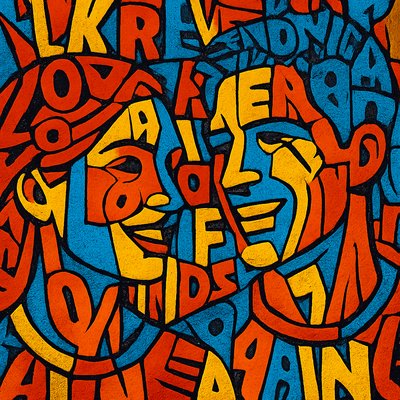
portrait of two people together
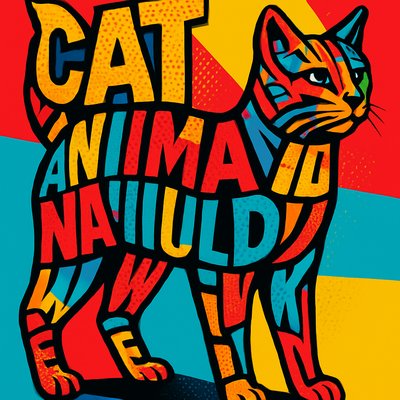
animal standing in natural pose
wide landscape with natural scenery
still life arrangement of fruits and flowers
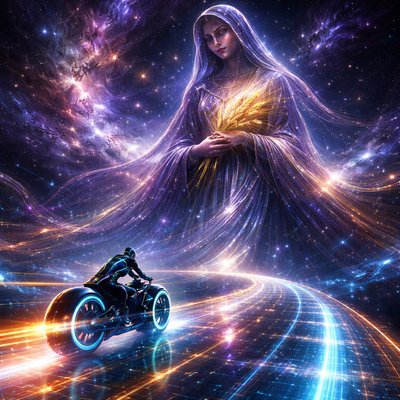
Neon-Futurism Digital Art Style, Bioluminescent Sci-Fi Cosmic Setting. A sleek, futuristic scene set deep in the interstellar void, with absolutely no Earth terrain, asphalt, or atmosphere visible.

The Path (The Ecliptic): The "road" is a floating, translucent highway constructed entirely of glowing blue and orange laser grids and condensed stardust, arcing through infinite dark space.

The Rider: A lone rider on a futuristic, hubless "light-cycle" sportbike speeds along this cosmic path. The rider is fully encased in a sleek, glowing armored suit with an integrated full-face helmet, leaving a vibrant neon light trail behind them.

The Constellation (Modest Virgo): Dominating the cosmic background is the immense celestial avatar of Virgo, portrayed with a traditional, honorable, and modest virginal look. She is fully clothed in voluminous, flowing robes woven from shimmering stardust, deep violet nebulae, and golden light threads that cover her from neck to toe. A dignified, star-studded veil or hood frames her face. She is a majestic, modest queen of the cosmos, holding a sheaf of wheat made of glowing stars, looking down calmly at the rider.
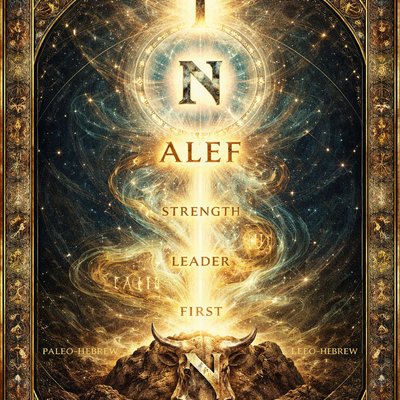
Art Style: A complex, symbolic conceptual illustration blending ancient mysticism with modern schematic design. The aesthetic should feel like an illuminated alchemical manuscript crossed with a celestial blueprint. Textures of aged vellum, carved stone, and glowing divine energy.

Central Composition: A vertical evolutionary flow. At the grounding base, emerging from rough, ancient rock, is the Paleo-Hebrew Aleph symbol (the stylized ox head with horns, looking like an 'A' lying on its side). It is carved deeply, looking primal and strong.
Transition & Meanings: Rising from the Paleo symbol is a swirling vortex of golden and blue light, forming a "pillar of meaning." Within this energy stream, ethereal visual metaphors and text are embedded: ghostly outlines of a powerful ox plowing, a stylized crown representing leadership, and a single radiant beam of light connecting heaven and earth. The English words "STRENGTH," "LEADER," and "FIRST" are written in archaic, glowing script along this rising path.
The Modern Form: At the apex, floating suspended in a sphere of brilliant white light, is the Modern Hebrew letter א (Aleph). It is rendered not just as ink, but as three distinct components of energy (the upper yod, lower yod, and connecting vav) held together in perfect balance, symbolizing divine unity.

Textual Integration:

Floating prominently above the entire composition is the large, glowing number "1".

Bridging the gap between the ancient and modern forms in the center of the image is the word "ALEF" in a bold, timeless font.

Small labels "PALEO-HEBREW" and "MODERN HEBREW" are discreetly placed near their respective symbols.

Overall Mood: Profound, sacred, interconnected, and powerful. The background is a subtle star map with faint sacred geometry lines.
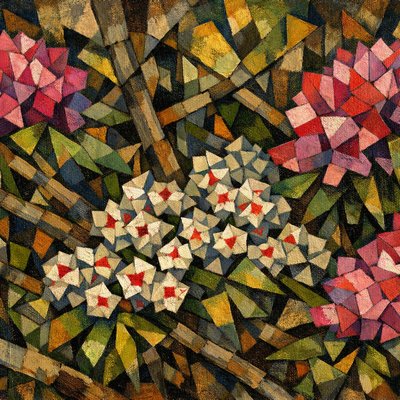
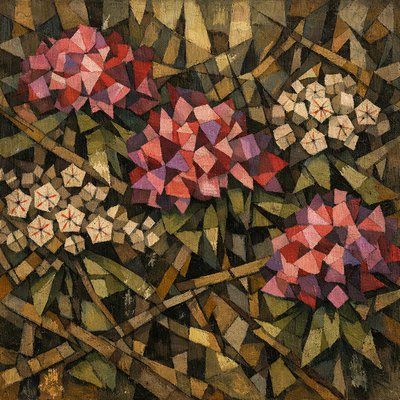
Art Style: Analytical Cubism, avant-garde oil painting style reminiscent of Picasso and Braque.

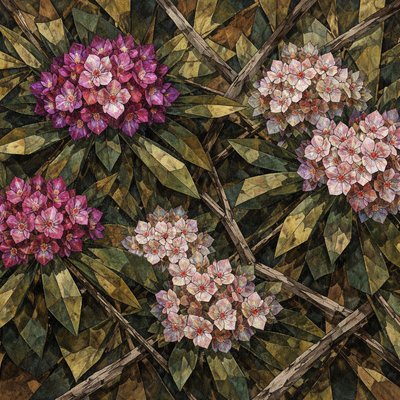
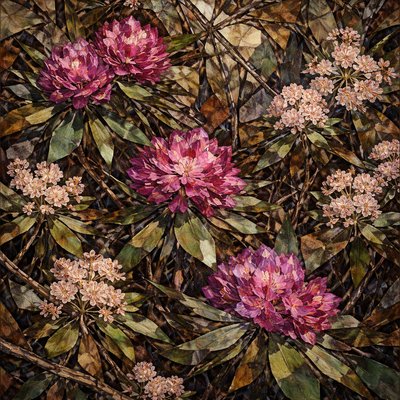
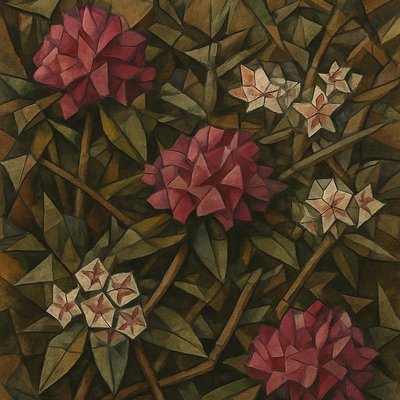
Subject: A dense, tangled thicket of Rhododendrons and Mountain Laurel bushes.

Composition & Details: The entire natural scene is deconstructed into overlapping geometric planes, fractured shards, and intersecting angles. There are no curved lines; everything is rendered in cubes, cones, and trapezoids.

    The Rhododendrons: Large, showy flower trusses are broken into faceted crystalline structures of deep magenta, rose pink, and violet blocks, looking like explosions of colored quartz rather than soft petals.

    The Mountain Laurels: The smaller, intricate flowers are rendered as complex, repeating geometric star-patterns and angular cups in white and pale pink with distinct red polygonal markings.

    Foliage & Branches: The thick, leathery leaves are fragmented green triangles and parallelograms overlapping each other, creating a sense of depth without traditional perspective. The woody stems and branches are jagged, intersecting brown and grey cylinders that shatter across the frame.

Color & Texture: A palette of muted earth tones—ochre, burnt umber, forest green, and slate grey—contrasted sharply with the jewel-toned facets of the flower colors. The finish should have a heavy, textured oil paint feel with visible palette knife marks and rough brushwork.
Art Style: Analytical Cubism, avant-garde oil painting style reminiscent of Picasso and Braque.

Subject: A dense, tangled thicket of Rhododendrons and Mountain Laurel bushes.

Composition & Details: The entire natural scene is deconstructed into overlapping geometric planes, fractured shards, and intersecting angles. There are no curved lines; everything is rendered in cubes, cones, and trapezoids.

    The Rhododendrons: Large, showy flower trusses are broken into faceted crystalline structures of deep magenta, rose pink, and violet blocks, looking like explosions of colored quartz rather than soft petals.

    The Mountain Laurels: The smaller, intricate flowers are rendered as complex, repeating geometric star-patterns and angular cups in white and pale pink with distinct red polygonal markings.

    Foliage & Branches: The thick, leathery leaves are fragmented green triangles and parallelograms overlapping each other, creating a sense of depth without traditional perspective. The woody stems and branches are jagged, intersecting brown and grey cylinders that shatter across the frame.

Color & Texture: A palette of muted earth tones—ochre, burnt umber, forest green, and slate grey—contrasted sharply with the jewel-toned facets of the flower colors. The finish should have a heavy, textured oil paint feel with visible palette knife marks and rough brushwork.
Art Style: Analytical Cubism, avant-garde oil painting style reminiscent of Picasso and Braque.

Subject: A dense, tangled thicket of Rhododendrons and Mountain Laurel bushes.

Composition & Details: The entire natural scene is deconstructed into overlapping geometric planes, fractured shards, and intersecting angles. There are no curved lines; everything is rendered in cubes, cones, and trapezoids.

    The Rhododendrons: Large, showy flower trusses are broken into faceted crystalline structures of deep magenta, rose pink, and violet blocks, looking like explosions of colored quartz rather than soft petals.

    The Mountain Laurels: The smaller, intricate flowers are rendered as complex, repeating geometric star-patterns and angular cups in white and pale pink with distinct red polygonal markings.

    Foliage & Branches: The thick, leathery leaves are fragmented green triangles and parallelograms overlapping each other, creating a sense of depth without traditional perspective. The woody stems and branches are jagged, intersecting brown and grey cylinders that shatter across the frame.

Color & Texture: A palette of muted earth tones—ochre, burnt umber, forest green, and slate grey—contrasted sharply with the jewel-toned facets of the flower colors. The finish should have a heavy, textured oil paint feel with visible palette knife marks and rough brushwork.
A koi pond seen from above, orange and white koi fish swimming among lily pads, clear water with subtle ripples, fallen cherry blossom petals floating on the surface, dappled sunlight
Art Style: Analytical Cubism, avant-garde oil painting style reminiscent of Picasso and Braque.

Subject: A dense, tangled thicket of Rhododendrons and Mountain Laurel bushes.

Composition & Details: The entire natural scene is deconstructed into overlapping geometric planes, fractured shards, and intersecting angles. There are no curved lines; everything is rendered in cubes, cones, and trapezoids.

    The Rhododendrons: Large, showy flower trusses are broken into faceted crystalline structures of deep magenta, rose pink, and violet blocks, looking like explosions of colored quartz rather than soft petals.

    The Mountain Laurels: The smaller, intricate flowers are rendered as complex, repeating geometric star-patterns and angular cups in white and pale pink with distinct red polygonal markings.

    Foliage & Branches: The thick, leathery leaves are fragmented green triangles and parallelograms overlapping each other, creating a sense of depth without traditional perspective. The woody stems and branches are jagged, intersecting brown and grey cylinders that shatter across the frame.

Color & Texture: A palette of muted earth tones—ochre, burnt umber, forest green, and slate grey—contrasted sharply with the jewel-toned facets of the flower colors. The finish should have a heavy, textured oil paint feel with visible palette knife marks and rough brushwork.
Art Style: Analytical Cubism, avant-garde oil painting style reminiscent of Picasso and Braque.

Subject: A dense, tangled thicket of Rhododendrons and Mountain Laurel bushes.

Composition & Details: The entire natural scene is deconstructed into overlapping geometric planes, fractured shards, and intersecting angles. There are no curved lines; everything is rendered in cubes, cones, and trapezoids.

    The Rhododendrons: Large, showy flower trusses are broken into faceted crystalline structures of deep magenta, rose pink, and violet blocks, looking like explosions of colored quartz rather than soft petals.

    The Mountain Laurels: The smaller, intricate flowers are rendered as complex, repeating geometric star-patterns and angular cups in white and pale pink with distinct red polygonal markings.

    Foliage & Branches: The thick, leathery leaves are fragmented green triangles and parallelograms overlapping each other, creating a sense of depth without traditional perspective. The woody stems and branches are jagged, intersecting brown and grey cylinders that shatter across the frame.

Color & Texture: A palette of muted earth tones—ochre, burnt umber, forest green, and slate grey—contrasted sharply with the jewel-toned facets of the flower colors. The finish should have a heavy, textured oil paint feel with visible palette knife marks and rough brushwork.
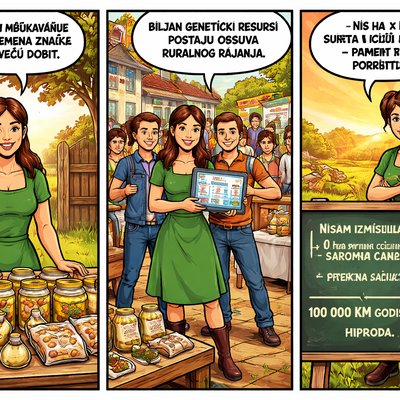
Kadar 6.:Same young rural female entrepreneur with brown hair in a ponytail, wearing a simple green dress, standing in front of her family farm gate. On a wooden table in front of her are jars of bean spread, glass jars with layered bean salads, and small eco paper packages of traditional bean seeds with labels. Warm afternoon light, optimistic atmosphere, cinematic comic illustration, semi-realistic style, detailed, storytelling panel, consistent character design, same face, same hairstyle, same clothing.

Add a speech bubble.

Speech bubble text in Serbian (ijekavian, Latin script). Use EXACTLY this text. Do not translate:

"Prerada i umnožavanje sjemena znače veću dobit."
Kadar 7:Same young rural female entrepreneur with brown ponytail and green dress, standing together with other young farmers in front of a rural cooperative building. They are smiling and holding a tablet showing online shop statistics. There are promotional banners, workshop tables with tasting samples, and rural tourism elements in the background. Bright hopeful atmosphere, cinematic comic style, semi-realistic illustration, detailed, storytelling panel, consistent character design, same face, same hairstyle, same clothing.

Add a speech bubble.

Speech bubble text in Serbian (ijekavian, Latin script). Use EXACTLY this text. Do not translate:

"Biljni genetički resursi postaju osnova ruralnog razvoja."
Kadar.:Same young rural female entrepreneur standing confidently next to a chalkboard with a written business formula. She is smiling proudly in front of her farm landscape at sunset. Warm golden light, inspirational mood, cinematic comic panel, semi-realistic illustration, detailed, consistent character design, same face, same hairstyle, same clothing.

On the chalkboard write in Serbian (ijekavian, Latin script). Use EXACTLY this text. Do not translate:

"10 ha × premium cijena × direktna prodaja × prerada = 100 000 KM godišnje prihoda"

Add a speech bubble.

Speech bubble text in Serbian (ijekavian, Latin script). Use EXACTLY this text. Do not translate:

"Nisam izmislila ništa novo. Samo sam sačuvala staro — i pametno ga iskoristila."

Conversation with Gemini
You said
I need a written prompt for ArtStyles expressing Psalm 33:17

Gemini said
This is a powerful verse that speaks to the limits of human might and reliance on military strength. Capturing "futility" and "vain hope" in a visual format requires contrasting the power of the horse with its inability to save.

Here are a few written prompts for ArtStyles, exploring different artistic interpretations of Psalm 33:17 ("An horse is a vain thing for safety: neither shall he deliver any by his great strength.").

Option 1: The Historical/Realist Approach (The Moment of Realization)
This prompt focuses on a powerful warhorse in a situation where its strength is useless.

Prompt: A hyper-realistic, cinematic shot of a magnificent, armored warhorse standing in the middle of a devastating natural disaster, such as a massive flash flood or a crumbling earthquake fissure. The horse is straining with "great strength," but its eyes show panic, unable to deliver its rider from the overwhelming force of nature. The rider is looking up, realizing the futility of their trust in the animal. Golden hour lighting, heavy atmosphere, dramatic composition, highly detailed textures.

Option 2: The Symbolic/Painterly Approach (The Crumbling Idol)
This prompt treats the horse as a symbol of misplaced trust that is failing.

Prompt: An epic, oil painting style depiction of a colossal, imposing bronze statue of a powerful rearing stallion, symbolizing military might. The statue is cracked and beginning to crumble under the weight of an dark, tumultuous sky. In the background, a vast army that trusted in this strength is retreating in disarray. The light filters through the clouds like a divine judgment, highlighting the crumbling metal. Dark baroque style, high contrast, dramatic shadows, moody atmosphere.

Option 3: The Contrasting Composition (The Weakness of Might)
This prompt uses contrast to show that even the strongest horse cannot offer true safety.

Prompt: A wide, epic fantasy landscape. In the foreground, a mighty warrior on a magnificent, heavily armored destrier, looking imposing and strong. However, they are standing on the edge of an impossibly vast, churning abyss or facing a supernatural storm that no physical strength can overcome. The horse looks small and vulnerable against the sheer scale of the threat, emphasizing the "vain hope" of physical deliverance. Etherial lighting, dramatic scale, high resolution, detailed concept art style.

You said
Let's broaden the thought of this prompt to include verses 13-22

Gemini said
Expanding the scope to Psalm 33:13-22 transforms the image from a single moment of failure into a grand narrative of Divine Sovereignty vs. Human Limitation.

This passage contrasts the "Eye of the Lord" watching from heaven with the kings, armies, and horses struggling on earth. To capture this in ArtStyles, we need to use compositional layers—showing the heavenly perspective and the earthly reality simultaneously.

Option 1: The Vertical Contrast (The Gaze from Above)
This captures verses 13–15 ("The LORD looketh from heaven") and verses 16–17 (the futility of the host).

Prompt: A vertical, epic-scale composition. In the upper third, a radiant, ethereal light breaks through golden, celestial clouds, representing "the eye of the Lord" looking down. In the lower two-thirds, a vast ancient battlefield is visible from a high-altitude "god's-eye" view. A king and his "multitude of an host" with thousands of horses look like tiny, fragile figurines. The earthly army is shrouded in dust and shadows, while the divine light illuminates a single, humble figure kneeling in prayer. Surrealism meets historical epic, cinematic lighting, 8k, dramatic atmosphere.

Option 2: The Shield of Mercy (The Spiritual Protection)
This focuses on verses 18–20 ("He is our help and our shield") and the "hope in His mercy."

Prompt: A powerful, symbolic artwork. In the center, a weary traveler or soul stands amidst a desolate landscape of "famine" and "death." A massive, warhorse and a king’s discarded crown lie in the background, broken and useless. Surrounding the traveler is a translucent, shimmering "shield" made of pure, golden light and ancient Hebrew script. The light is warm and protective, contrasting with the dark, cold environment outside the shield. Ethereal, digital painting style, intricate details, glowing highlights, Rembrandt lighting.

Option 3: The Fashioner of Hearts (The Internal & Universal)
This interprets verse 15 ("He fashioneth their hearts alike") and verse 21 ("Our heart shall rejoice in him").

Prompt: A conceptual, artistic piece showing a "heavenly habitation" above the world. From the light of heaven, glowing threads of gold descend, connecting to the "hearts" of diverse people across a vast, stylized map of the earth. In the foreground, a mighty warrior on a warhorse is fading into a ghostly transparency, while a simple person filled with "hope and mercy" is rendered in vivid, solid color and light. Artistic, symbolic, deep blues and radiant golds, high contrast, minimalist but profound.

How to Structure These Verses
When you're trying to capture a long passage like this, it helps to think of the "thematic flow." Here is a quick breakdown of how these prompts are organized:

A Quick Tip for ArtStyles
Since you are looking for "correct AI language," try adding the phrase "Double Exposure" to these prompts if you want to see the "Heavenly Gaze" and the "Earthly Army" merged into one artistic image. It creates a very sophisticated, layered look that reflects the spiritual depth of the Psalms.

Would you like me to try a prompt that focuses more on the "Famine and Death" aspect of verse 19, or should we stay with the more "Glorious and Hopeful" side of the passage?

You said
No I want the horse to represent the heart of a person upon whom the Lord is examining

Gemini said
That is a profound metaphorical shift. By making the horse a representation of the human heart, you’re capturing the essence of Verse 15 ("He fashioneth their hearts alike; he considereth all their works") alongside the warning about "vain strength."

In this visual, the horse isn't just an animal; it's the inner spirit—powerful, proud, but ultimately transparent and dependent before the Creator.

Here are three prompts for ArtStyles that use the horse as a metaphor for the heart under divine examination.

Option 1: The Luminous Anatomy (The Transparent Soul)
This focuses on the "Lord looking from heaven" (v. 13) into the very fabric of the heart/horse.

Prompt: A majestic, powerful warhorse standing in a void of deep celestial blue. The horse is translucent, made of shimmering ethereal light and "golden threads," representing the human heart. From above, a single, piercing beam of divine white light descends, illuminating the horse's "inner workings" and spirit. The horse looks strong but is bowed in submission, showing that its "great strength" is nothing under the gaze of the Creator. Highly detailed, sacred art style, glowing highlights, volumetric lighting.

Option 2: The Reflected Examination (The Eye of the Lord)
This uses the "Eye of the Lord" (v. 18) as the primary lens, with the "heart-horse" reflected within it.

Prompt: An extreme, artistic close-up of a celestial, radiant eye representing the "Eye of the Lord." In the reflection of the pupil, we see a silhouette of a rearing, powerful horse representing a proud human heart. The horse is surrounded by a faint, crumbling golden armor that is falling away, revealing a soft, humble light underneath. The composition emphasizes "considering all their works." Cinematic, macro photography style, ethereal, gold and midnight blue palette.

Option 3: The Fashioned Spirit (The Potter and the Clay)
This focuses on Verse 15 ("He fashioneth their hearts") using a horse as the form being shaped.

Prompt: A surrealist masterpiece. Large, glowing, nebulous hands made of stars are gently "fashioning" and shaping a powerful horse out of liquid gold and white light. The horse represents the "human heart" being molded by the Divine. The background is the "heaven of heavens." The horse is muscular and "strong," yet it is clearly a creation being examined for its "hope and mercy" rather than its own might. Ethereal, breathtaking scale, digital art, high contrast, shimmering textures.

Technical "AI Language" Tips for this Concept:
"Translucent" or "Ethereal": Using these words ensures the horse doesn't look like a literal farm animal, but like a spiritual symbol.

"Submission": Adding this to the horse’s posture helps convey that it knows it is being examined.

"Celestial" / "Divine": These keywords help ArtStyles understand that the light source should feel holy, not just like a lamp or the sun.

This approach really gets to the core of the Psalm—that while we might feel "strong" like a warhorse, our true safety is found in being "fashioned" and watched over by Him.

Would you like to try one of these, or should we adjust the "atmosphere" to be more vibrant and colorful?

You said
I need help also with “For the law of the Spirit of life in Christ Jesus hath made me free from the law of sin and death.” (Romans 8:2, KJVA)

as a focal point for the greater passage Romans 1-17 writing the prompt for ArtStyles.

Gemini said
This is arguably one of the most doctrinally significant and visually powerful verses in the entire New Testament. It is the hinge upon which the argument of Romans turns—moving from the struggle against sin in chapter 7 to the glorious liberty of the Spirit in chapter 8.

To capture "freedom from the law of sin and death" into "the law of the Spirit of life," we need prompts that emphasize radical contrast, transition, and breaking of bondages. We are moving from darkness and decay to light and vitality.

Here are three prompts for ArtStyles, ranging from the symbolic to the visceral, designed to serve as a visual focal point for Romans 8:1-17.

Option 1: The Bursting Chrysalis (Metaphorical Life)
This focuses heavily on the "Spirit of life" overcoming "death," echoing the transition from the "flesh" to the "Spirit" found in verses 5-11.

Prompt: A hyper-detailed, surreal masterpiece. A dark, brittle, rigid structure resembling a ribcage and chains (representing the law of sin and death) is violently bursting outward. From within, a dazzling, vibrant entity made of iridescent light, fresh green vines, glowing water, and dove-like wings is emerging, completely shattered the old structure. The setting is a transition from a shadowy abyss to a radiant sunlit expanse. Cinematic lighting, themes of resurrection and vitality, 8k resolution, intricate textures.

Option 2: The Two Paths (Classical/Allegorical)
This focuses on the "walk" mentioned in verse 4—contrasting those who walk after the flesh with those who walk after the Spirit.

Prompt: A wide, epic scale, oil painting style in the vein of John Martin. Two paths diverge. The path on the left is dry, stony, and leads into a dark, suffocating fog filled with grappling, shadowed figures and withered trees (the law of sin and death). The path on the right is bathed in a soft, warm, golden celestial light and is lush with blooming life, leading upward. A solitary figure stands at the split, looking upward on the illuminated path, having just dropped heavy iron chains on the ground. Dramatic contrast, spiritual atmosphere, high detail.

Option 3: The Embrace of Adoption (Relational/Verses 14-16)
This prompt focuses on the resulting relationship: moving from slavery and fear (v. 15) to becoming "sons" who cry "Abba, Father." It shows the freedom that comes through Christ Jesus.

Prompt: A powerfully emotional, classical sacred art style painting. A ragged figure, formerly a slave, is kneeling, their hands reaching out in submission and relief. Their heavy, rusty chains have been shattered on the dusty ground. Before them is a figure enveloped in radiant, warm, golden light (representing Christ Jesus), whose hand is gently lifting the kneeling person's chin. Above them, a shimmering dove made of pure light descends, symbolizing the Spirit of adoption witnessing to their spirit. Themes of mercy, freedom, and homecoming. Chiaroscuro lighting, deep colors.

"AI Language" Tips for Romans 8:
"Shattered" or "Bursting": Crucial for showing the active transition of "making me free" (hath made me free)—it's not passive, it's forceful.

"Iridescent" / "Vitality": Helps ArtStyles understand that "Life" in this context isn't just "not dead," but a supernatural, vibrant, glowing existence.

"Slavery vs. Sonship": If you want a more emotional tone, focus the prompt on the transition from "fear" to "Abba," which we tried to capture in Option 3.

Each of these aims to condense the theology of Romans 1-17 into a single, profound image where the transition from binding law to liberating Spirit is undeniable.

You said
I need some of your help writing the prompt for ArtStyles concerning this verse “For Christ is not entered into the holy places made with hands, which are the figures of the true; but into heaven itself, now to appear in the presence of God for us:” (Hebrews 9:24, KJV) as part of a greater passage verses 14-28

Gemini said
This passage is a beautiful and central theological pivot in the book of Hebrews. It moves the focus from the earthly rituals—which were merely "figures" or "shadows"—to the ultimate reality of Christ entering the true, heavenly sanctuary to advocate "for us."

To translate this passage (Hebrews 9:14-28, with verse 24 as the focus) for an AI image generator like ArtStyles, we need prompts that emphasize transcendence, contrast, and intercession. We must visually distinguish the "made with hands" earthly temple from "heaven itself."

Here are three written prompts for ArtStyles, exploring different artistic approaches to this powerful verse.

Option 1: The Cinematic Ascension (Focus on Contrast)
This prompt focuses on the transition from the dim, earthly "figure" to the blinding reality of "heaven itself."

Prompt: A wide-angle, cinematic masterpiece. The lower portion of the image shows the interior of an ancient, candlelit Tabernacle, detailed with tapestries and hewn stone (the "holy places made with hands"). Above it, the roof dissolves into swirling, luminous, celestial energy and golden light that is boundless ("heaven itself"). The figure of Jesus Christ, radiant with a soft inner light and wearing simple, brilliant white robes, is ascending from the shadowy temple into the infinite light, looking back with compassionate intercessory eyes. Volumetric lighting, grand scale, highly detailed, dramatic atmosphere.

Option 2: The Theological Blueprint (Focus on "Figures of the True")
This is a more symbolic, conceptual approach that treats the earthly temple as a shadow or template beneath the heavenly reality.

Prompt: A surrealist, double-exposure art piece. In the foreground, there are translucent, architect’s blueprint lines and ghostly outlines of the ancient Temple altars, lampstands, and the Holy of Holies (representing the "figures of the true"). Overlapping and far superior to them, Jesus Christ stands before an blinding, warm, golden divine presence (representing the "presence of God"). He is actively gesturing forward, presenting a scroll or his own wounds on behalf of unseen people ("for us"). Transcendent, ethereal, glowing edges, minimal color palette of gold, white, and midnight blue.

Option 3: The Heavenly Courtroom (Focus on "Appear for Us")
This focuses on the intercessory role of Christ appearing before God on our behalf, summarizing the effect of the whole passage (verses 14-28).

Prompt: A classical, baroque style oil painting with dramatic lighting (Chiaroscuro). The setting is a magnificent, infinite heavenly throne room filled with blinding, holy light. The central focus is Jesus Christ, marked with the scars of his sacrifice (v. 26), standing confidently before an incomprehensible, brilliant Light representing the Father. He is looking into the light while his arms are spread wide in an advocate's pose, symbolically standing "for us." Below his feet are broken temple curtains and shadows. Themes of victory, redemption, and holiness. Rich textures, deep colors.

Key "AI Language" for Hebrews 9:24:
If you want to tweak these or create your own, make sure to include these concepts for ArtStyles:

"Made with hands" vs. "Heaven itself": Use keywords like "Shadows", "Figures", or "Blueprints" for the earthly side, and "Infinite", "Luminous", or "Celestial" for the heavenly side.

"Appear for us": The posture of Christ is important. Use words like "Advocate", "Mediator", "Interceding", or "Presenting" to define his pose.

"Better Sacrifice" (Context of v23): You can hint at this by adding details like "radiant scars" or "remission of sins" as atmospheric elements.

You said
I also need help writing a prompt for ArtStyles about “Therefore will I divide him a portion with the great, and he shall divide the spoil with the strong; because he hath poured out his soul unto death: and he was numbered with the transgressors; and he bare the sin of many, and made intercession for the transgressors.” (Isaiah 53:12, KJV)

Gemini said
This verse is the triumphant and heartbreaking climax of the "Suffering Servant" prophecy. It presents a massive paradox: a victorious conqueror dividing the spoils of war, yet that victory was achieved only by humbling himself to the point of a shameful, criminal death ("numbered with the transgressors").

To capture Isaiah 53:12 for ArtStyles, we need imagery that balances suffering and glory, showing Christ as both the Victim and the Victor.

Here are three prompts designed to translate this complex theology into visual language.

Option 1: The Broken Victor (Focus on Triumph Through Suffering)
This prompt focuses on the "dividing the spoil" while emphasizing that his "great strength" came from his sacrifice.

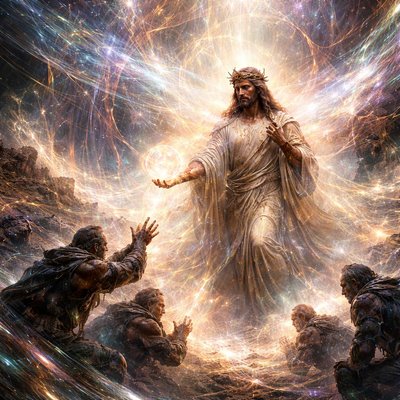
Prompt: A hyper-realistic, dramatic oil painting, Chiaroscuro style. A magnificent, yet visibly wounded figure, representing Jesus Christ, stands in a landscape that is half-darkened battlefield, half-celestial light. He wears a crown that is a blend of sharp thorns and shining gold. He is extending one hand, which bears the mark of a nail, and is handing a luminous, glowing orb (representing "the spoil") to a group of humbled, "strong" figures kneeling before him. His other hand is clasped in a gesture of plea or "intercession." His expression is one of triumphant exhaustion and deep mercy. The atmosphere is solemn, epic, and highly detailed.
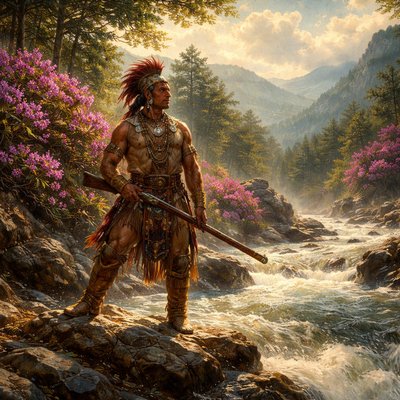
A breathtaking, cinematic digital painting of a Catawba warrior in traditional 18th-century regalia, standing proudly on the rocky banks of the rushing Doe River. The scene is framed by a massive, vibrant peak bloom of purple-magenta Catawba Rhododendrons. In the background, the misty, blue-toned peaks of the Appalachian mountains rise under a soft golden hour light.  intricate detail on the warrior's leather and beadwork.
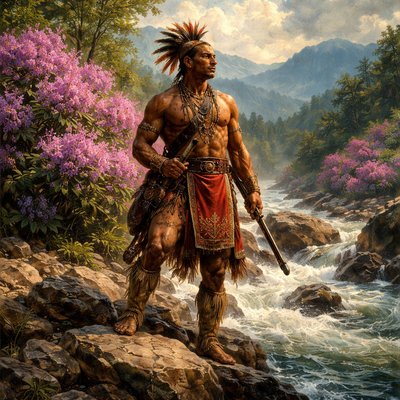
A breathtaking, cinematic digital painting of a Catawba warrior in traditional 18th-century regalia, standing proudly on the rocky banks of the rushing Doe River. The scene is framed by a massive, vibrant peak bloom of purple-magenta Catawba Rhododendrons. In the background, the misty, blue-toned peaks of the Appalachian mountains rise under a soft golden hour light. The art style is a blend of romantic realism and Hudson River School landscapes, with rich textures and intricate detail on the warrior's leather and beadwork.
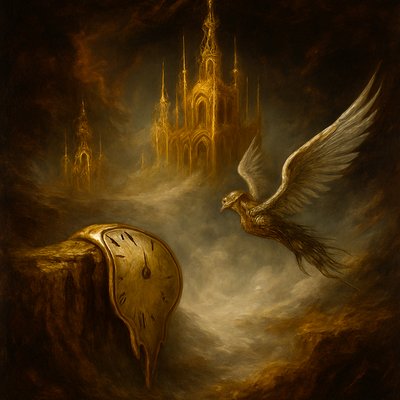
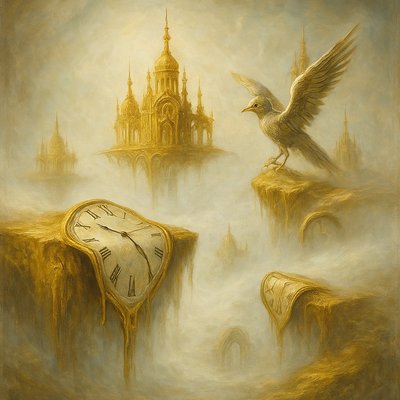
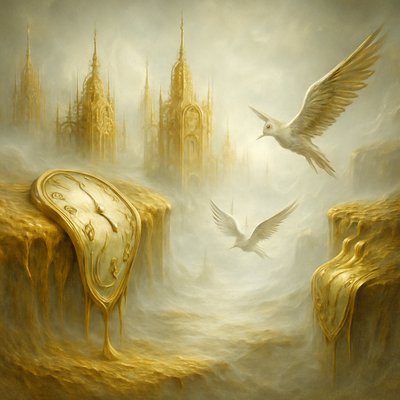
Create a surrealist artwork in high definition, blending gold and white tones. Depict ethereal, dreamlike landscapes with shimmering golden structures-like floating palaces or delicate filigree towers-emerging from a misty, white void. Add surreal elements, such as clocks melting over golden cliffs or white-winged creatures with metallic feathers, inspired by Dalí's style. Ensure vibrant contrast between the radiant gold and crisp, luminous white, with smooth textures and intricate details for a hyper-realistic yet fantastical effect.
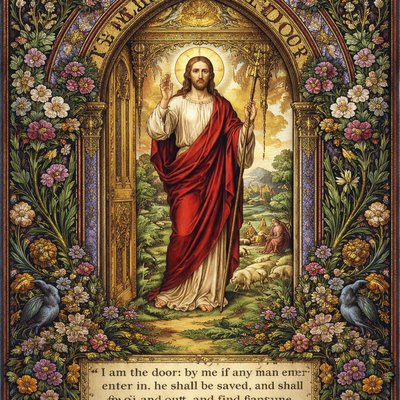
John 10:9 (KJV) I am the door: by me if any man enter in, he shall be saved, and shall go in and out, and find pasture.
Create a surrealist artwork in high definition, blending gold and white tones. Depict ethereal, dreamlike landscapes with shimmering golden structures-like floating palaces or delicate filigree towers-emerging from a misty, white void. Add surreal elements, such as clocks melting over golden cliffs or white-winged creatures with metallic feathers, inspired by Dalí's style. Ensure vibrant contrast between the radiant gold and crisp, luminous white, with smooth textures and intricate details for a hyper-realistic yet fantastical effect.
Cathedral facade at sunset
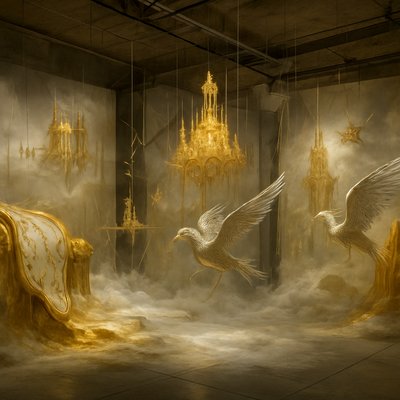
Create a surrealist artwork in high definition, blending gold and white tones. Depict ethereal, dreamlike landscapes with shimmering golden structures-like floating palaces or delicate filigree towers-emerging from a misty, white void. Add surreal elements, such as clocks melting over golden cliffs or white-winged creatures with metallic feathers, inspired by Dalí's style. Ensure vibrant contrast between the radiant gold and crisp, luminous white, with smooth textures and intricate details for a hyper-realistic yet fantastical effect.
Create a surrealist artwork in high definition, blending gold and white tones. Depict ethereal, dreamlike landscapes with shimmering golden structures-like floating palaces or delicate filigree towers-emerging from a misty, white void. Add surreal elements, such as clocks meltingover golden cliffs or white-winged creatures with metallic feathers, inspired by Dalí's style. Ensure vibrant contrast between the radiant gold and crisp, luminous white, with smooth textures and intricate details for a hyper-realistic yet fantastical effect.
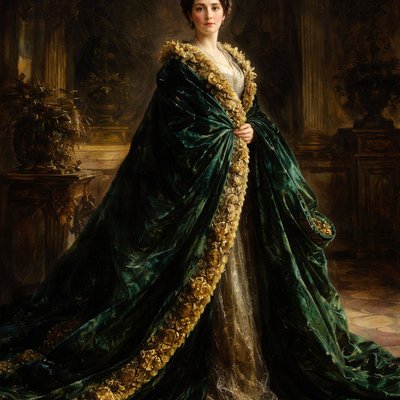
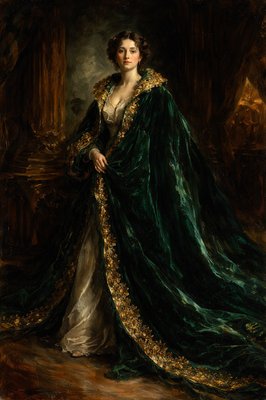
John Singer Sargent Oil Painting Style, Grand Manner Portraiture, Rich Impasto Brushwork. A full-length, elegant portrait of a society figure standing in a dramatic pose, wrapped in a voluminous, heavy emerald green velvet cloak.

The Fabric & Brushwork: The velvet is rendered with deep, saturated greens and near-black shadows, using sweeping, visible brushstrokes to convey weight and a luxurious, soft sheen where the light hits the folds. The ornate gold embroidery and bullion trim along the edges and collar are painted with thick, confident dashes of yellow ochre, burnt sienna, and bright white impasto that make the metal appear to sparkle and catch the light.

The Atmosphere: The lighting is dramatic and directional, coming from the upper left, highlighting the texture of the cloak and the gold. The background is a dark, atmospheric, loosely painted interior of a Gilded Age mansion, with indistinct antique furniture and deep shadows, ensuring all focus is on the figure and the magnificent garment. The overall mood is opulent and mysterious.
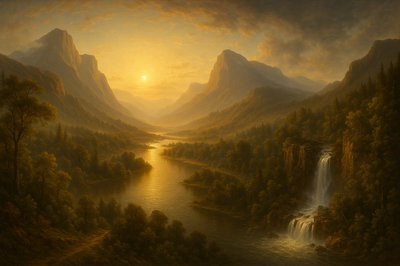
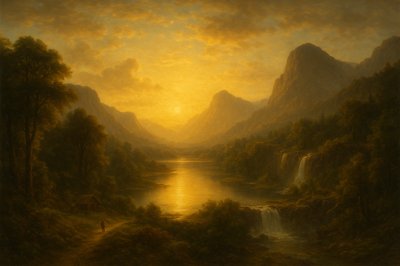
 A majestic oil painting of an American landscape in the style of the Hudson River School, blending the epic vistas and vibrant atmospheric effects of Frederic Edwin Church with the heroic scale and dramatic light-shadow contrasts of Albert Bierstadt, infused with Luminist qualities of ethereal glow, soft atmospheric transitions, and concealed brushstrokes for a tranquil, meditative ambiance. Depict a vast river valley at dawn, with towering mountains in the distance, cascading waterfalls, lush forests, and a serene river reflecting golden sunlight; include subtle elements of human exploration such as a distant trail or cabin, rendered in intricate detail with rich colors, sublime grandeur, and divine illumination
 A majestic oil painting of an American landscape in the style of the Hudson River School, blending the epic vistas and vibrant atmospheric effects of Frederic Edwin Church with the heroic scale and dramatic light-shadow contrasts of Albert Bierstadt, infused with Luminist qualities of ethereal glow, soft atmospheric transitions, and concealed brushstrokes for a tranquil, meditative ambiance. Depict a vast river valley at dawn, with towering mountains in the distance, cascading waterfalls, lush forests, and a serene river reflecting golden sunlight; include subtle elements of human exploration such as a distant trail or cabin, rendered in intricate detail with rich colors, sublime grandeur, and divine illumination
 A majestic oil painting of an American landscape in the style of the Hudson River School, blending the epic vistas and vibrant atmospheric effects of Frederic Edwin Church with the heroic scale and dramatic light-shadow contrasts of Albert Bierstadt, infused with Luminist qualities of ethereal glow, soft atmospheric transitions, and concealed brushstrokes for a tranquil, meditative ambiance. Depict a vast river valley at dawn, with towering mountains in the distance, cascading waterfalls, lush forests, and a serene river reflecting golden sunlight; include subtle elements of human exploration such as a distant trail or cabin, rendered in intricate detail with rich colors, sublime grandeur, and divine illumination
John Singer Sargent Oil Painting Style, Grand Manner Portraiture, Rich Impasto Brushwork. A full-length, elegant portrait of a society figure standing in a dramatic pose, wrapped in a voluminous, heavy emerald green velvet cloak.

The Fabric & Brushwork: The velvet is rendered with deep, saturated greens and near-black shadows, using sweeping, visible brushstrokes to convey weight and a luxurious, soft sheen where the light hits the folds. The ornate gold embroidery and bullion trim along the edges and collar are painted with thick, confident dashes of yellow ochre, burnt sienna, and bright white impasto that make the metal appear to sparkle and catch the light.

The Atmosphere: The lighting is dramatic and directional, coming from the upper left, highlighting the texture of the cloak and the gold. The background is a dark, atmospheric, loosely painted interior of a Gilded Age mansion, with indistinct antique furniture and deep shadows, ensuring all focus is on the figure and the magnificent garment. The overall mood is opulent and mysterious.
Vector Digital Art Style Style Transfer Example
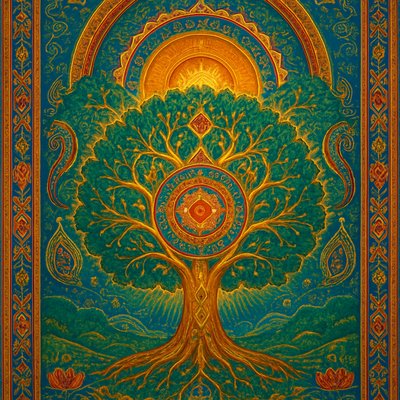
a tree in nature
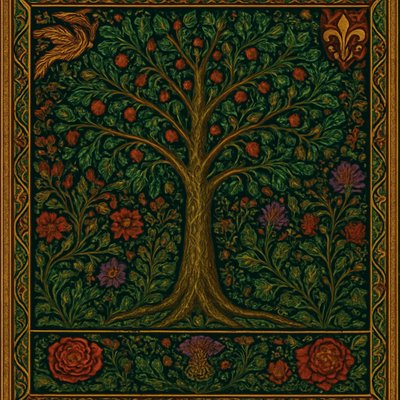
a tree in nature
a tree in nature
a tree in nature
a tree in nature
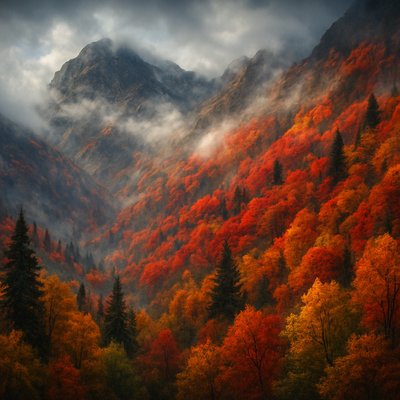
A breathtaking and intensely dramatic cinematic landscape photograph based on the provided image of a mountain valley. The scene captures a majestic mountainside vibrant with dramatized autumn foliage, showcasing an explosion of rich, saturated reds, fiery oranges, and brilliant golds across the slopes. Interspersed among the deciduous trees are towering dark green evergreens, providing a striking contrast against the warm fall colors.

Wisps of ethereal mist or low-hanging clouds cling to the upper reaches and valleys of the mountain, adding depth and a sense of mystique. The sky above, partially visible, shows patches of dramatic, cloud-dappled blue peeking through, hinting at a powerful natural setting. The foreground features a mix of vibrant green and gold trees, framing the grand scale of the mountain.

The image uses vibrant color grading and dramatic contrast to enhance the luminosity and intensity of the fall colors, making them truly pop. The lighting is rich and moody, highlighting textures on the rocky cliffs and the varied foliage. The overall mood is one of awe-inspiring natural beauty, epic scale, and profound autumnal splendor, rendered with the high visual impact of a cinematic scene."
Contemporary Religious Art Style Transfer Example
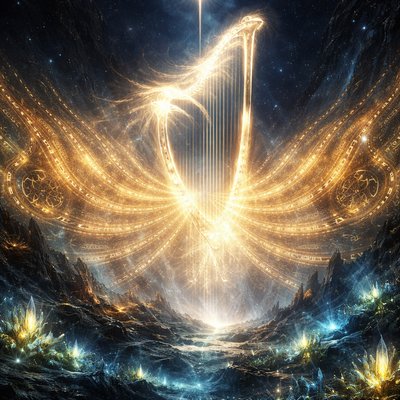
Style: Epic Sacred Art meets Cinematic Sci-Fi. A fusion of Gustave Doré’s dramatic scale with modern bioluminescent light-mapping. High contrast and majestic atmosphere.

The Source: In the center of the frame, a colossal, ancient Harp made of shimmering white-gold energy (representing the strings of creation). It is not played by a human, but by a "mighty hand of light" or simply by a "divine wind" moving through the strings.

The Frequency (Positive Force): From the vibrating strings, visible "Sound-Waves of Light" radiate outward in perfect, mathematical symmetry.

    The Appearance: These waves are composed of flowing golden Hebrew letters and Sacred Geometric patterns (like the Flower of Life or Fibonacci spirals) that pulse with a warm, amber glow.

    The Motion: The waves look like liquid gold ripples in the air, creating a "dome of protection and life."

The Impact (The Healing Force): The background is a chaotic, dark void or a shattered, grey stone landscape. Where the golden frequency ripples touch:

    The Void Becomes Form: The darkness organizes itself into beautiful, crystalline structures and lush, glowing flora.

    Resurrection: Any withered or broken elements in the scene begin to knit back together, glowing with a soft blue and gold "repair" energy.

    Atmosphere: Microscopic "sparkles" of light (like stardust) dance within the waves, representing the "joy" of the frequency.

Lighting: A singular, brilliant source of light from above (The North Star/Regulus) feeds energy into the harp, showing that the frequency has a celestial origin. The colors are dominated by Gold, Deep Indigo, and Electric Cyan.
a tree in nature
a tree in nature