A Breathtaking, Full Size Artistic Standing Buffalo, Rendered Entirely In The Style Of Intricate, Luminous Glass Art, Art

A historically accurate and atmospheric depiction of the signing of the Mayflower Compact aboard the ship in November 1620. The scene is set in the dimly lit, cramped cabin of the Mayflower, with the ship's timbers and rigging subtly visible, conveying the challenging conditions of the voyage. A simple table or chest serves as the signing surface. The primary focus is on a small group of the last individuals signing the document: specifically, the indentured servants (or 'strangers' not directly part of the Separatist congregation) approaching or at the table. Their expressions show a mix of weary determination, understanding of the necessity, and perhaps a hint of quiet apprehension or resignation to this new social contract, given their status. They are dressed in the plain, practical clothing typical of 17th-century commoners and laborers. Figures of prominent Pilgrims or 'Saints' (like William Bradford or John Carver) are visible in the background, observing the proceedings with a sense of gravity and leadership, but they are not the central focus. The lighting is low and warm, perhaps from a lantern, creating a chiaroscuro effect that highlights the faces of the signers. The atmosphere conveys the momentousness of the act under difficult circumstances, the diverse composition of the group, and the early seeds of self-governance in a new world. The artistic style is a realistic, historically detailed oil painting, capturing the solemnity and human element of this pivotal historical moment."
Manic Monday with coffee
still life with everyday objects
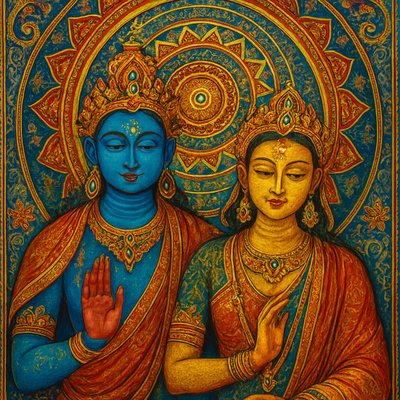
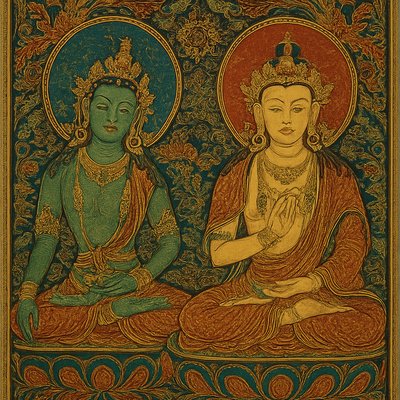
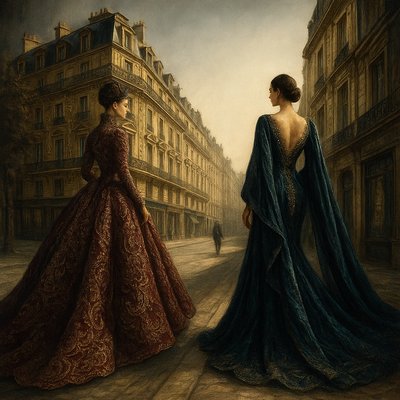
portrait of two people together
Impressionism Art Style Style Transfer Example
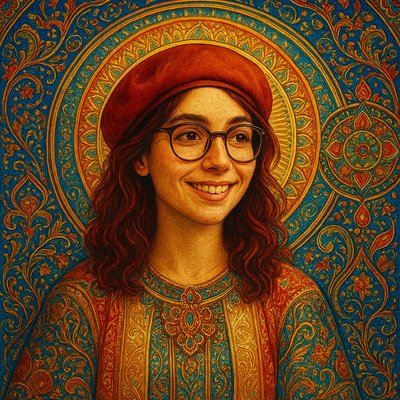
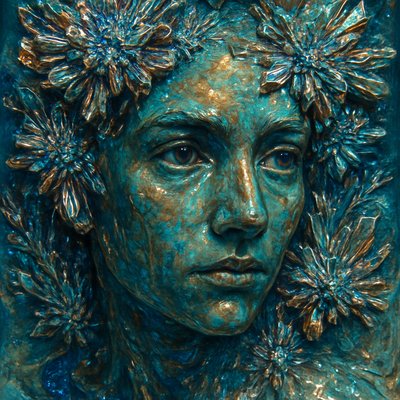
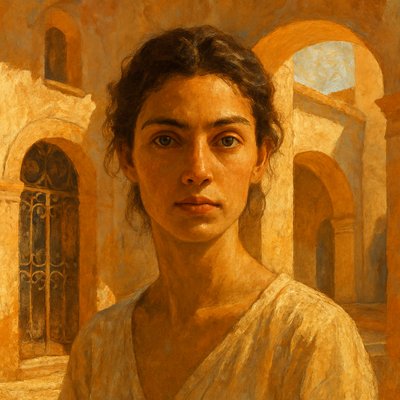
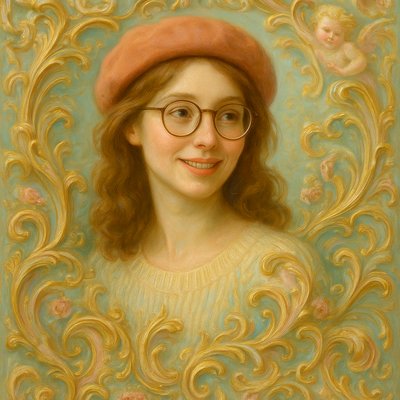
portrait of a person with expressive eyes
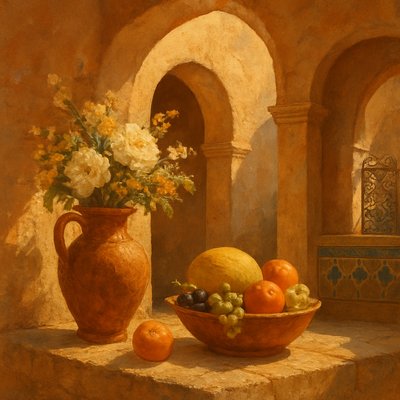
still life arrangement of fruits and flowers
portrait of two people together
still life arrangement of fruits and flowers
The Wizard of Oz Scarecrow, looking surprised and slightly alarmed, as a group of winged flying monkeys descends rapidly from the sky towards him, their taloned feet reaching out. The scene is set in a vibrant, slightly fantastical field with a yellow brick road visible in the distance. Emphasize dynamic motion and the contrast between the playful yet menacing monkeys and the innocent Scarecrow
portrait of two people together
Olive skinned Baby in swaddling cloths
portrait of two people together
baby in swaddling cloths
He came as a witness to testify to the light
generate an adam and eve motif portrait with a pygmy elephant in the background
portrait of two people together
portrait of a person with expressive eyes
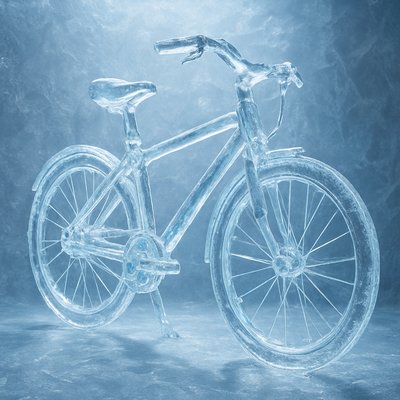
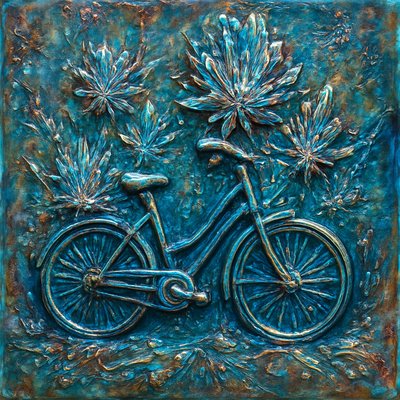
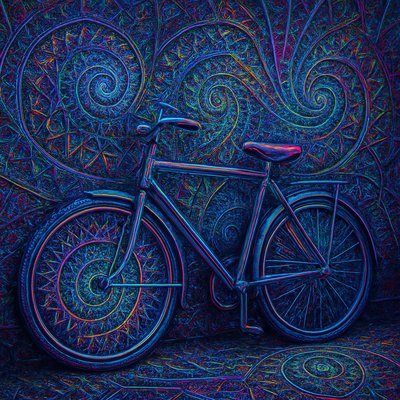
bicyle resting against a wall
A majestic and inspiring depiction of the Crazy Horse National Memorial, captured from a slightly elevated, wide-angle perspective that emphasizes its immense scale and ongoing construction. The colossal carving of Crazy Horse on his war pony is the dominant feature, shown in its current state of detailed progress, with the iconic outstretched arm and pointing finger prominent against the rugged Black Hills. Visible elements of the carving process, such as scaffolding, construction equipment (subtly integrated), or evidence of rock removal, are present, highlighting the monumental effort and generations of work involved. The surrounding landscape of the Black Hills is an integral part of the composition, with pine forests, granite formations, and the vast, open sky providing a dramatic and respectful setting. The lighting is strong and clear, perhaps mid-morning or late afternoon sun, casting dramatic shadows that define the contours of the mountain and the carving. The atmosphere conveys a sense of enduring tribute, cultural pride, determination, and the sheer scale of human endeavor dedicated to honoring a legendary figure. The artistic style is a highly realistic, detailed landscape painting or photograph, emphasizing grandeur and reverence
Seabiscuit vs. War Admiral (The Gaze)

    A hyper-realistic, high-resolution photograph capturing the apex of the 1938 match race between Seabiscuit and War Admiral.

    Focus: The composition is tight, showing both horses running neck-and-neck, dominating the frame. The camera angle is side-on and slightly low, emphasizing their size and muscle. The critical focus is on the space between the horses' heads as they are running stride for stride.

    Details: War Admiral (the dark bay) should show determination and slight surprise, with his head stretched out. Seabiscuit (the smaller bay) should display his characteristic "game" look—intense, focused, and seemingly looking directly into War Admiral's eyes (or toward his rival). Both jockeys (Red Pollard or George Woolf for Seabiscuit; Charles Kurtsinger for War Admiral) are visible, leaning low and urging their mounts on.

    Atmosphere: The light should be bright but slightly diffused, suggesting an autumn afternoon at Pimlico. Dust and track debris are kicked up behind them, blurred slightly by the horses' tremendous speed. The image must convey the raw power, intense rivalry, and the exact moment when the smaller horse asserts his dominance.

    Style: Cinematic photography, realistic texture, sharp focus on the horses' eyes and muscle definition.
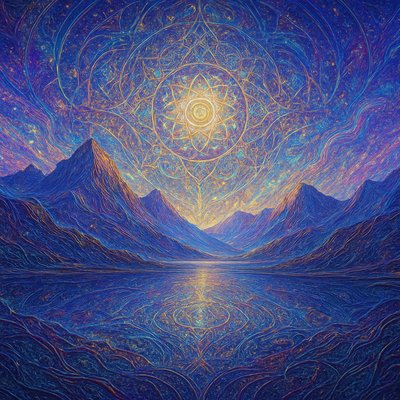
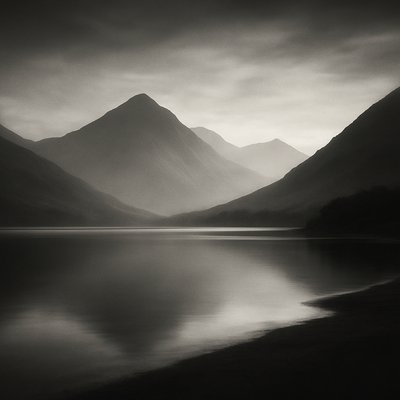
serene landscape with mountains and water
portrait of a person with expressive eyes
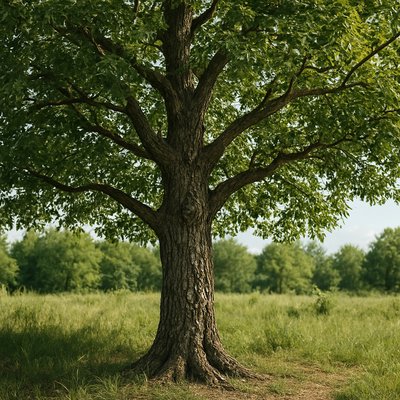
wide landscape with natural scenery
still life with everyday objects
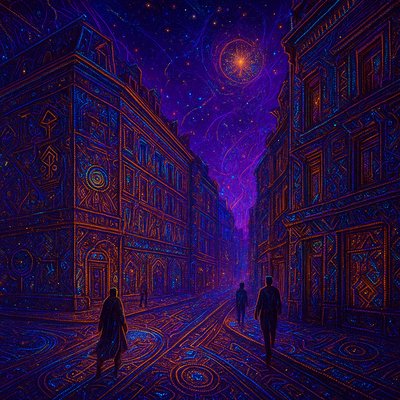
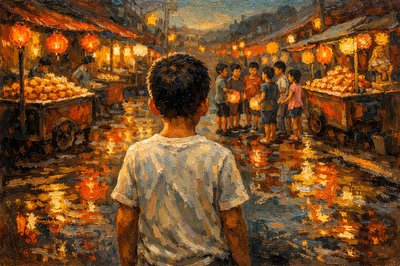
urban street with city activity
Dutch Golden Age Still Life Art Style Style Transfer Example
bicyle resting against a wall
portrait of a person with expressive eyes
wide landscape with natural scenery
bicyle resting against a wall
still life arrangement of fruits and flowers
olive skinned baby in swaddling cloths
bicyle resting against a wall
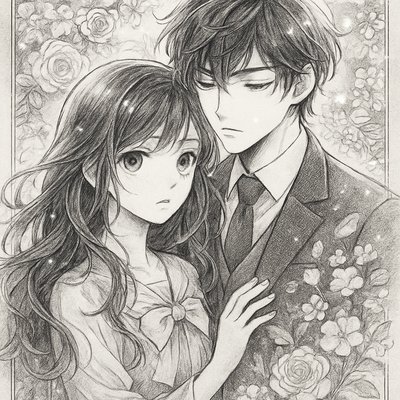
portrait of two people together
still life arrangement of fruits and flowers
portrait of two people together
house with front view
portrait of two people together
house with front view