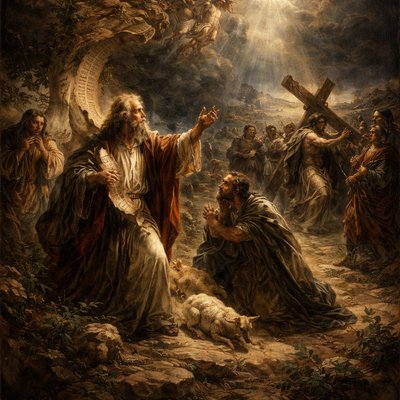
“I Make A Decree, That In Every Dominion Of My Kingdom Men Tremble And Fear Before The God Of Daniel: For He Is The Living God, Art
“Who hath believed our report? and to whom is the arm of the LORD revealed?” (Isaiah 53:1, KJV)
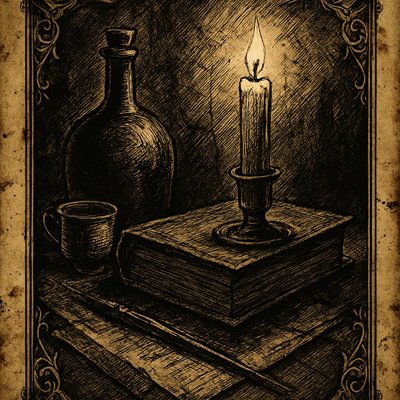
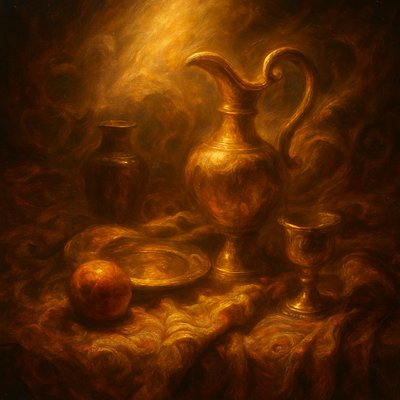
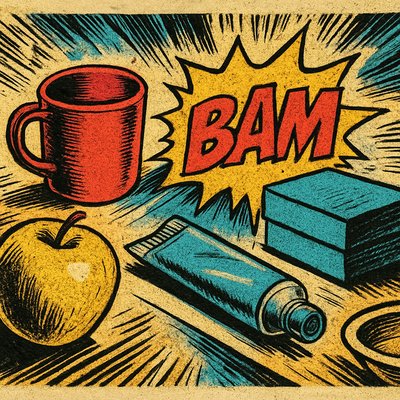
still life with everyday objects
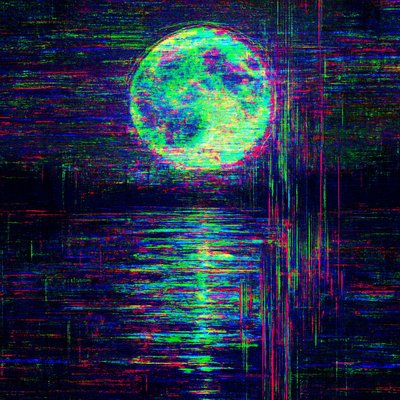
Start with a completely ordinary, even boring photograph of a full moon reflecting over a still lake.
Corrupt it until it no longer resembles its original subject at all, but still somehow feels like it’s haunted by what it used to be. Push the file through at least four different deliberate stages of destruction (e.g. heavy JPEG decay → databend in Audacity → pixel sorting by luminance → extreme RGB channel displacement and offset). Let compression artifacts bloom into impossible colors. Allow entire sections to liquefy and drip downward. Make the metadata scream. The final image should feel like a memory that’s been compressed, encrypted, lost, recovered, and compressed again for twenty years.

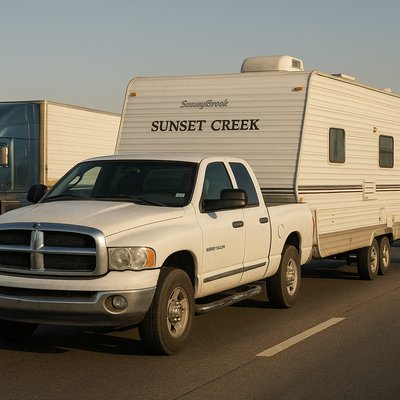
Generate a realistic, eye-level photograph of a white 2002 Dodge Ram 2500 pickup truck, specifically a quad cab model, pulling a 33-foot Sunnybrook Sunset Creek travel trailer. The trailer must have distinct, painted aluminum siding. The entire rig is situated in the middle of heavy, slow-moving traffic on Interstate 40 (I-40) in Amarillo, Texas, with other cars and semi-trucks visible all around. The time of day is late afternoon, with the sun casting long shadows, and the sky is clear, typical of the Texas Panhandle. The focus is on the truck and trailer, showing the details of both vehicles amidst the bustling highway environment.
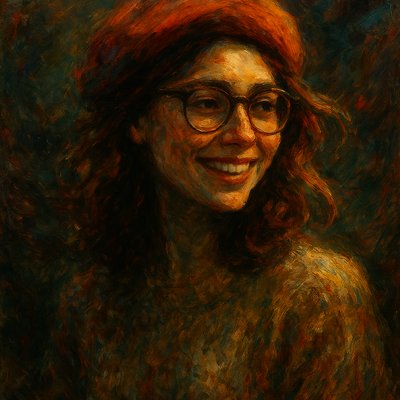
portrait of a person with expressive eyes
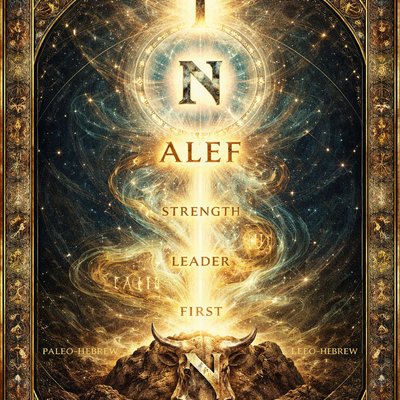
Art Style: A complex, symbolic conceptual illustration blending ancient mysticism with modern schematic design. The aesthetic should feel like an illuminated alchemical manuscript crossed with a celestial blueprint. Textures of aged vellum, carved stone, and glowing divine energy.

Central Composition: A vertical evolutionary flow. At the grounding base, emerging from rough, ancient rock, is the Paleo-Hebrew Aleph symbol (the stylized ox head with horns, looking like an 'A' lying on its side). It is carved deeply, looking primal and strong.

Transition & Meanings: Rising from the Paleo symbol is a swirling vortex of golden and blue light, forming a "pillar of meaning." Within this energy stream, ethereal visual metaphors and text are embedded: ghostly outlines of a powerful ox plowing, a stylized crown representing leadership, and a single radiant beam of light connecting heaven and earth. The English words "STRENGTH," "LEADER," and "FIRST" are written in archaic, glowing script along this rising path.

The Modern Form: At the apex, floating suspended in a sphere of brilliant white light, is the Modern Hebrew letter א (Aleph). It is rendered not just as ink, but as three distinct components of energy (the upper yod, lower yod, and connecting vav) held together in perfect balance, symbolizing divine unity.

Textual Integration:

Floating prominently above the entire composition is the large, glowing number "1".

Bridging the gap between the ancient and modern forms in the center of the image is the word "ALEF" in a bold, timeless font.

Small labels "PALEO-HEBREW" and "MODERN HEBREW" are discreetly placed near their respective symbols.

Overall Mood: Profound, sacred, interconnected, and powerful. The background is a subtle star map with faint sacred geometry lines.
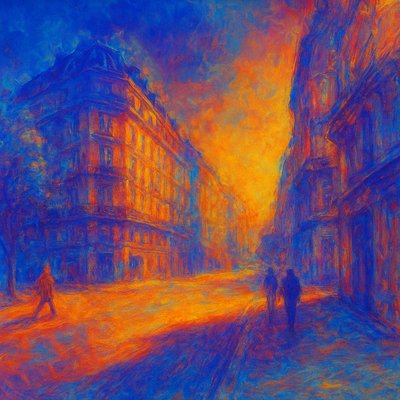
Thermochromic Memory Painting Style Transfer Example
animal standing in natural pose
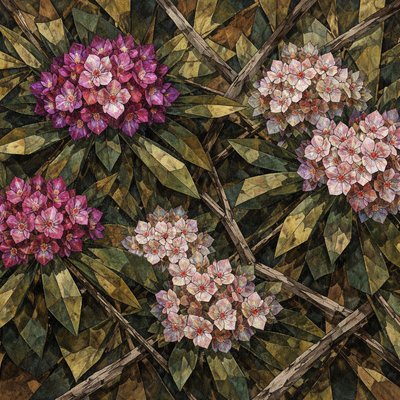
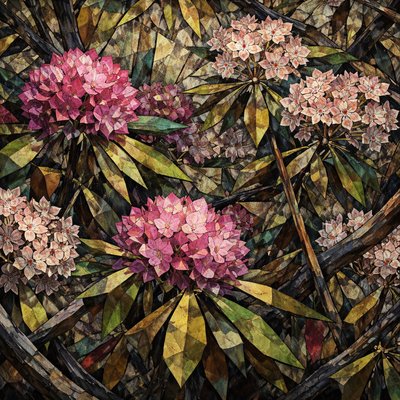
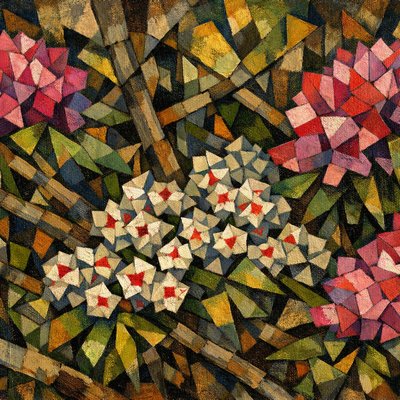
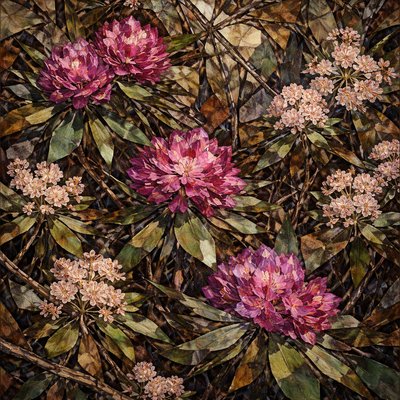
Art Style: Analytical Cubism, avant-garde oil painting style reminiscent of Picasso and Braque.

Subject: A dense, tangled thicket of Rhododendrons and Mountain Laurel bushes.

Composition & Details: The entire natural scene is deconstructed into overlapping geometric planes, fractured shards, and intersecting angles. There are no curved lines; everything is rendered in cubes, cones, and trapezoids.

    The Rhododendrons: Large, showy flower trusses are broken into faceted crystalline structures of deep magenta, rose pink, and violet blocks, looking like explosions of colored quartz rather than soft petals.

    The Mountain Laurels: The smaller, intricate flowers are rendered as complex, repeating geometric star-patterns and angular cups in white and pale pink with distinct red polygonal markings.

    Foliage & Branches: The thick, leathery leaves are fragmented green triangles and parallelograms overlapping each other, creating a sense of depth without traditional perspective. The woody stems and branches are jagged, intersecting brown and grey cylinders that shatter across the frame.

Color & Texture: A palette of muted earth tones—ochre, burnt umber, forest green, and slate grey—contrasted sharply with the jewel-toned facets of the flower colors. The finish should have a heavy, textured oil paint feel with visible palette knife marks and rough brushwork.
Art Style: Analytical Cubism, avant-garde oil painting style reminiscent of Picasso and Braque.

Subject: A dense, tangled thicket of Rhododendrons and Mountain Laurel bushes.

Composition & Details: The entire natural scene is deconstructed into overlapping geometric planes, fractured shards, and intersecting angles. There are no curved lines; everything is rendered in cubes, cones, and trapezoids.

    The Rhododendrons: Large, showy flower trusses are broken into faceted crystalline structures of deep magenta, rose pink, and violet blocks, looking like explosions of colored quartz rather than soft petals.

    The Mountain Laurels: The smaller, intricate flowers are rendered as complex, repeating geometric star-patterns and angular cups in white and pale pink with distinct red polygonal markings.

    Foliage & Branches: The thick, leathery leaves are fragmented green triangles and parallelograms overlapping each other, creating a sense of depth without traditional perspective. The woody stems and branches are jagged, intersecting brown and grey cylinders that shatter across the frame.

Color & Texture: A palette of muted earth tones—ochre, burnt umber, forest green, and slate grey—contrasted sharply with the jewel-toned facets of the flower colors. The finish should have a heavy, textured oil paint feel with visible palette knife marks and rough brushwork.
Art Style: Analytical Cubism, avant-garde oil painting style reminiscent of Picasso and Braque.

Subject: A dense, tangled thicket of Rhododendrons and Mountain Laurel bushes.

Composition & Details: The entire natural scene is deconstructed into overlapping geometric planes, fractured shards, and intersecting angles. There are no curved lines; everything is rendered in cubes, cones, and trapezoids.

    The Rhododendrons: Large, showy flower trusses are broken into faceted crystalline structures of deep magenta, rose pink, and violet blocks, looking like explosions of colored quartz rather than soft petals.

    The Mountain Laurels: The smaller, intricate flowers are rendered as complex, repeating geometric star-patterns and angular cups in white and pale pink with distinct red polygonal markings.

    Foliage & Branches: The thick, leathery leaves are fragmented green triangles and parallelograms overlapping each other, creating a sense of depth without traditional perspective. The woody stems and branches are jagged, intersecting brown and grey cylinders that shatter across the frame.

Color & Texture: A palette of muted earth tones—ochre, burnt umber, forest green, and slate grey—contrasted sharply with the jewel-toned facets of the flower colors. The finish should have a heavy, textured oil paint feel with visible palette knife marks and rough brushwork.
Art Style: Analytical Cubism, avant-garde oil painting style reminiscent of Picasso and Braque.

Subject: A dense, tangled thicket of Rhododendrons and Mountain Laurel bushes.

Composition & Details: The entire natural scene is deconstructed into overlapping geometric planes, fractured shards, and intersecting angles. There are no curved lines; everything is rendered in cubes, cones, and trapezoids.

    The Rhododendrons: Large, showy flower trusses are broken into faceted crystalline structures of deep magenta, rose pink, and violet blocks, looking like explosions of colored quartz rather than soft petals.

    The Mountain Laurels: The smaller, intricate flowers are rendered as complex, repeating geometric star-patterns and angular cups in white and pale pink with distinct red polygonal markings.

    Foliage & Branches: The thick, leathery leaves are fragmented green triangles and parallelograms overlapping each other, creating a sense of depth without traditional perspective. The woody stems and branches are jagged, intersecting brown and grey cylinders that shatter across the frame.

Color & Texture: A palette of muted earth tones—ochre, burnt umber, forest green, and slate grey—contrasted sharply with the jewel-toned facets of the flower colors. The finish should have a heavy, textured oil paint feel with visible palette knife marks and rough brushwork.
Romanticism Art Style Style Transfer Example
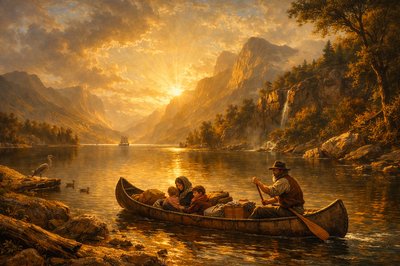
serene landscape with mountains and water
still life with everyday objects
So, you look at those captains and then at yourself
and you wonder: “Why them, and not me?”
As you paddle along in your pitiful state,
a canoe you hope no one will see.
But there’s just enough room for those trusted to you
for safe passage, provisions, and tare.
So, you keep to yourself, and you follow the shore,
making passage for those in your care.
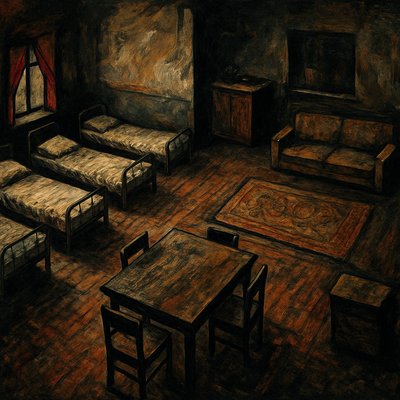
a drawing of a room with four beds and a couch
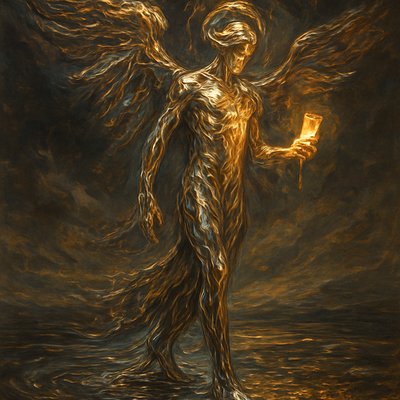
A majestic celestial being made of flowing quicksilver and molten gold, standing tall, liquid metal. The entity holds a small glowing scroll. The angel's form is fluid and constantly shifting. The right foot is submerged in the ocean, but the ocean is made of liquid chrome, and the leg creates ripples that blend perfectly with the water, indistinguishable from the sea. The left foot plants firmly on the earth, the liquid metal form solidifying into structure as it touches the ground, heavy droplets of silver splashing onto the soil. High contrast, ray tracing, volumetric lighting, fluid simulation
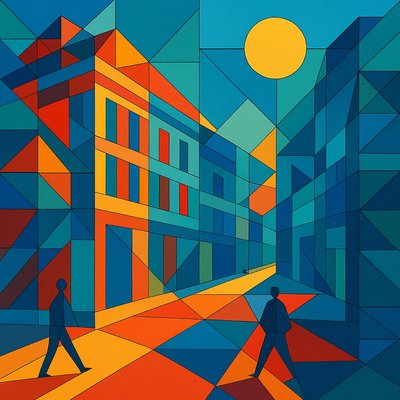
Geometric Abstract Art Style Style Transfer Example
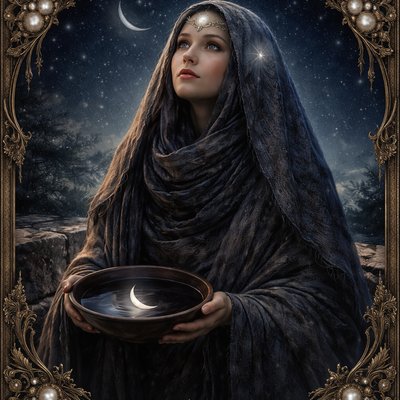
Style: Ethereal Historical Fantasy Portrait. The mood is quiet, reverent, and deeply mystical. Soft, natural moonlight is the primary light source, creating gentle rim-lighting.

The Subject (Asonya): A woman of the ancient, antediluvian world, dressed with profound modesty. She is wrapped in multi-layered, heavy robes of woven wool dyed in deep indigo and charcoal grey that conceal her form. A textured veil covers her hair and frames her face. Her expression is contemplative and gentle, with eyes gazing upward.

The Moon Phase Connection: The current moon phase—a slender, glowing Waning Crescent—is intrinsically tied to her appearance.

    The Headpiece: A clasp made of pale, almost translucent moonstone in the exact shape of the crescent moon secures her veil. It seems to hold an internal, soft luminescence.

    The Projection: A faint, ethereal projection of the crescent moon phase is visible subtly glowing on the fabric of her veil over her forehead, as if starlight is clinging to her.

Action & Setting: She stands on an ancient, wind-worn stone platform used for observing the heavens. In her hands, she holds a simple, dark earthenware bowl filled with still water. The reflection of the actual crescent moon in the sky is perfectly captured in the water she holds.

Atmosphere: The background is a vast, clear night sky filled with countless stars. The air feels old and still.
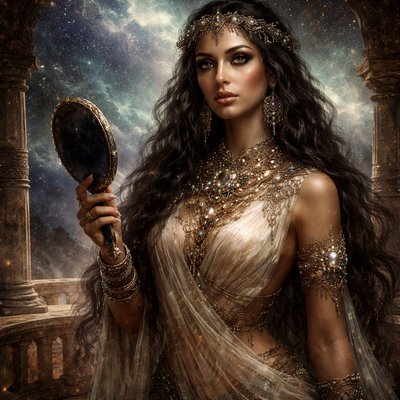
Style: Cinematic Fantasy Portrait, Ancient Near Eastern aesthetic with a mystical, ethereal overlay. The look should feel like a rediscovered fresco brought to life, rich in texture and deep color.

The Subject (Asonya): A woman of arresting, almost supernatural beauty belonging to a pre-flood civilization. She has a powerful, enigmatic presence. Her eyes are large, dark, and intensely knowing, rimmed heavily with kohl (antimony)—a cosmetic taught by the Watchers.

Attire & Adornment (The Forbidden Knowledge): She is dressed not just in fine linen, but in adornments that hint at celestial instruction.

    Jewelry: She wears elaborate, heavy bracelets and necklaces made of hammered metals that gleam with an unusual iridescence, set with uncut, glowing gems that seem almost alive.

    Headpiece: A complex circlet of woven silver and dark stones rests on her long, flowing dark hair, reflecting the starlight.

Action/Pose: She stands holding a polished obsidian mirror in one hand, gazing slightly off-camera with an expression that is both wise and burdened.

Setting: She is standing on the balcony of a megalithic stone structure meant to observe the heavens. The background is a dramatic night sky filled with unfamiliar constellations and perhaps a faint, ethereal glow of an aurora, hinting at the presence of celestial beings. The overall atmosphere is one of ancient mystery and profound beauty.
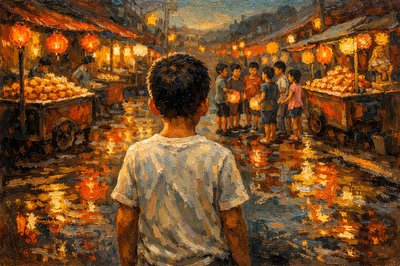
Wing Sun is a 10 year old Malaysian boy. We see him from the back as he stands, looking down the street in the evening. The scent of mooncakes and burning lantern oil fills the air in the street in Petaling Jaya where Wing Sun lives.  Everything is aglow with the soft light of lanterns, their colors reflected in the puddles left by the afternoon rain.  At least 6 vendors have pulled their carts up onto the sidewalks on both sides of the street, selling moon pies and other special treats.  
Several of Wing-Sun's neighborhood friends, some younger than he and some a little older, were standing around in a circle, waiting for him to come outside.
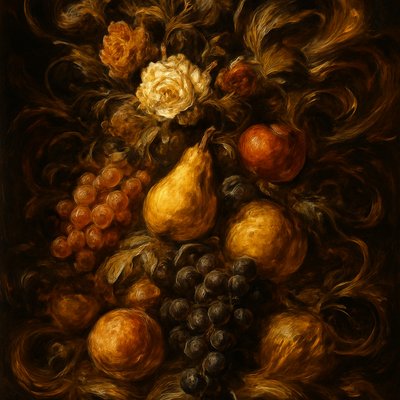
still life arrangement of fruits and flowers
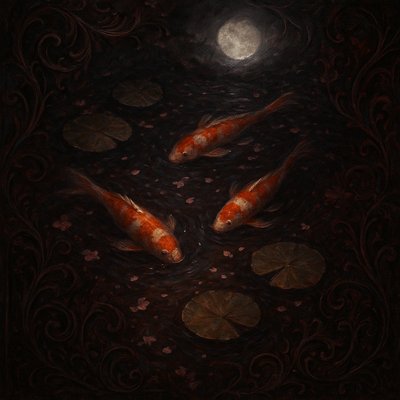
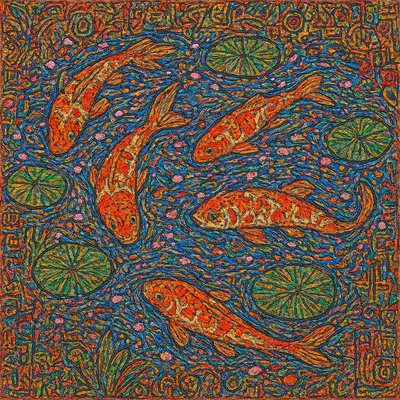
A koi pond seen from above, orange and white koi fish swimming among lily pads, clear water with subtle ripples, fallen cherry blossom petals floating on the surface, dappled sunlight
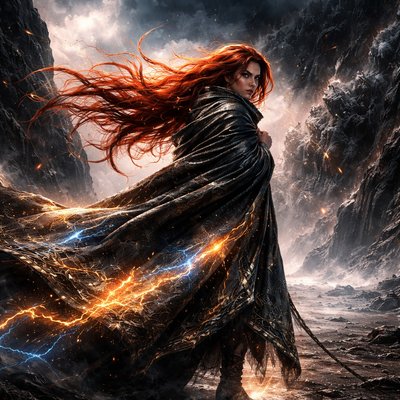
rt Style: Cinematic Fantasy Concept Art with mystical sci-fi elements. High contrast lighting, emphasizing texture and impending action. The atmosphere is heavy and tense.

The Subject: The woman with the incredibly long, fiery red hair. Her hair is whipping wildly in the wind, already beginning to crackle with static copper energy, anticipating the release of power. Her expression is determined and focused as she looks toward an oncoming threat.

The Cloak (Pre-Transformation State): She is standing firm against a gale, clutching a massive, voluminous cloak wrapped tightly around her body.

    Material Appearance: The cloak is currently heavy, physical fabric—a dark, iridescent weave that looks like ancient, armored wool interwoven with metallic fibers. It is whipped violently by the wind.

    Signs of Activation: It hasn't turned into a force field yet, but it is about to. The metallic threads throughout the weave and the intricate patterns along the heavy hem are beginning to glow intensely with pulsing amber, gold, and electric blue light. The air around the fabric is shimmering with heat and contained power.

The Environment & Threat:

    She is standing unprotected in a rugged, dark canyon landscape.

    A massive wall of chaotic dust, debris, and shadowy, indistinct shapes is rushing towards her from the middle distance, seconds away from overwhelming her location. The impending impact emphasizes why she is about to activate the cloak.
still life with everyday objects
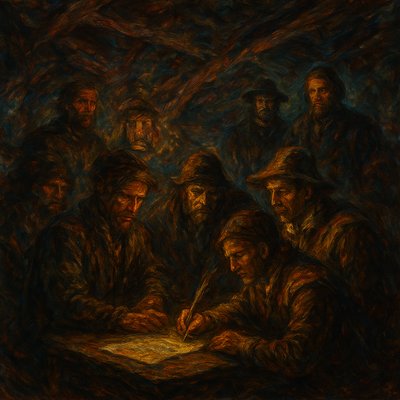
A historically accurate and atmospheric depiction of the signing of the Mayflower Compact aboard the ship in November 1620. The scene is set in the dimly lit, cramped cabin of the Mayflower, with the ship's timbers and rigging subtly visible, conveying the challenging conditions of the voyage. A simple table or chest serves as the signing surface. The primary focus is on a small group of the last individuals signing the document: specifically, the indentured servants (or 'strangers' not directly part of the Separatist congregation) approaching or at the table. Their expressions show a mix of weary determination, understanding of the necessity, and perhaps a hint of quiet apprehension or resignation to this new social contract, given their status. They are dressed in the plain, practical clothing typical of 17th-century commoners and laborers. Figures of prominent Pilgrims or 'Saints' (like William Bradford or John Carver) are visible in the background, observing the proceedings with a sense of gravity and leadership, but they are not the central focus. The lighting is low and warm, perhaps from a lantern, creating a chiaroscuro effect that highlights the faces of the signers. The atmosphere conveys the momentousness of the act under difficult circumstances, the diverse composition of the group, and the early seeds of self-governance in a new world. The artistic style is a realistic, historically detailed oil painting, capturing the solemnity and human element of this pivotal historical moment."
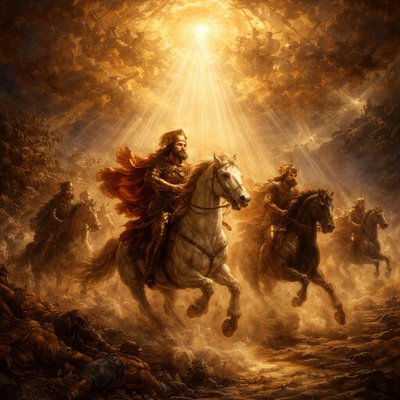
“But ye said, No; for we will flee upon horses; therefore shall ye flee: and, We will ride upon the swift; therefore shall they that pursue you be swift.” (Isaiah 30:16, KJV)
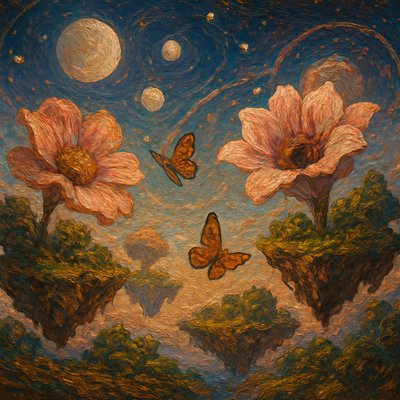
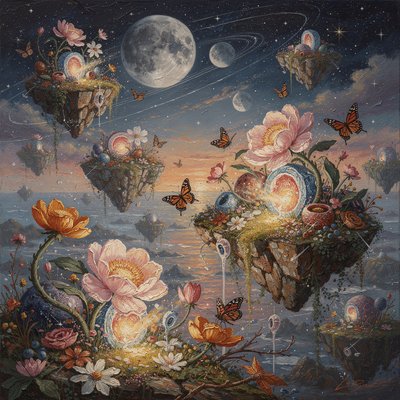
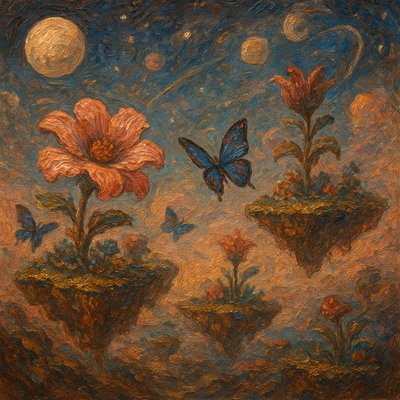
 Floating islands with lush, fantastical flora
• Celestial skies filled with moons, stars, and planetary orbits
• Oversized flowers as emotional anchors or portals
• Butterflies as messengers, memory-keepers, or guides
• Dreamlike color palettes: soft pinks, deep blues, radiant whites
• Gravity-defying compositions and layered atmosphere
Using psychedelic art and impasto style art
Floating islands with lush, fantastical flora • Celestial skies filled with moons, stars, and planetary orbits • Oversized flowers as emotional anchors or portals • Butterflies as messengers, memory-keepers, or guides • Dreamlike color palettes: soft pinks, deep blues, radiant whites • Gravity-defying compositions and layered atmosphere Using psychedelic art and impasto style art
 Floating islands with lush, fantastical flora
• Celestial skies filled with moons, stars, and planetary orbits
• Oversized flowers as emotional anchors or portals
• Butterflies as messengers, memory-keepers, or guides
• Dreamlike color palettes: soft pinks, deep blues, radiant whites
• Gravity-defying compositions and layered atmosphere
Using psychedelic art and impasto style art
portrait of a person with expressive eyes
Romantic Classical Art Style Style Transfer Example
A koi pond seen from above, orange and white koi fish swimming among lily pads, clear water with subtle ripples, fallen cherry blossom petals floating on the surface, dappled sunlight
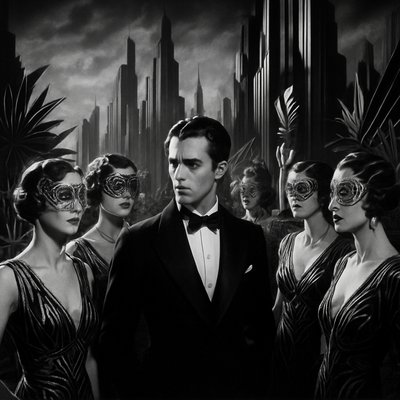
A stunning, high-contrast black and white cinematic still, mimicking the style of 1920s German Expressionism. Depict a luxurious, futuristic rooftop garden party. The scene features Freder, the young master, surrounded by several glamorous, wealthy, aristocratic ladies. The women are all dressed in ornate, art-deco-inspired gowns, their hair styled in sleek 1920s waves. Each lady wears an intricate, opulent Venetian masquerade mask that covers their eyes, adding an element of mystery and formality. In the background, the colossal, sharp, angular skyscrapers of the 'Metropolis' cityscape loom under a dramatic, moody sky. The garden is filled with exotic, highly geometric and stylized plants and gilded statues, reflecting the extreme wealth of the elite.
Image Brief — “Britian. A Chocolate State of Mind.” (Landscape / Conference Hall)

Visual Concept:
A photographic, data-style image capturing the absurdity of corporate branding and political satire. The chocolate bar spelling “Britian” is the central focus. The scene is staged in a conference hall, emphasizing the formal-but-absurd atmosphere of a high-profile political event.

Core Elements:
	•	Chocolate bar front and center, wrapper crumpled, spelling clearly visible.
	•	Backdrop / environment: realistic conference hall — lectern in the frame, faint rows of seating or stage elements, subtle signs of a political event. No office props.
	•	Palette: predominantly blue tones (lighting, hall décor, banners), with small Tory-signifier accents (navy, subtle red) to hint at political context.
	•	Orientation: landscape (wide) — must match the style and aspect ratio of other blog images.
	•	Lighting / style: naturalistic photography; soft, realistic shadows; slightly moody, surreal undertone; no cartoonish or illustrative effects.
	•	Mood / atmosphere: dry, ironic, subtly surreal — visually echoing Tom Kite’s sardonic, satirical voice.

Typography (optional):
Small text on wrapper: “Have a break from reality” in clean, bold type, integrated naturally into the photographic scene.

Use / Context:
	•	Featured image for blog post “Britian. A Chocolate State of Mind.”
	•	Must work as both thumbnail and full-size blog header.
	•	Maintain photographic, slightly surreal style consistent with other blog imagery

Inspiration is Hannah Hoch, Jean-Michel Basquiat, John Stezaker
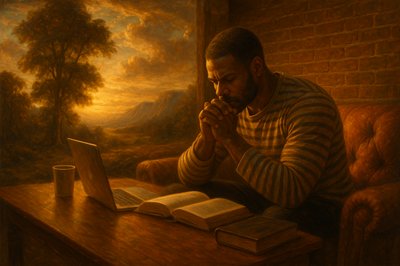
a painting of a man sitting at a table with a laptop
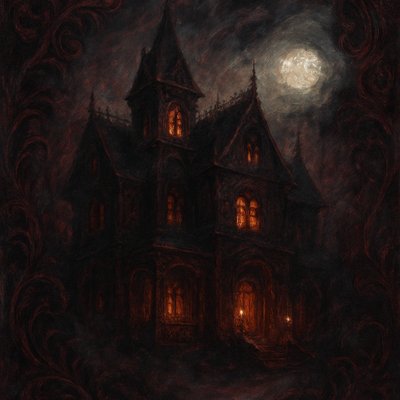
house with front view
wide landscape with natural scenery