“For This Melchisedec, King Of Salem, Priest Of The Most High God, Who Met Abraham Returning From The Slaughter Of The Kings, Art

“Let them bring them forth, and shew us what shall happen: let them shew the former things, what they be, that we may consider them, and know the latter end of them; or declare us things for to come.” (Isaiah 41:22, KJV)
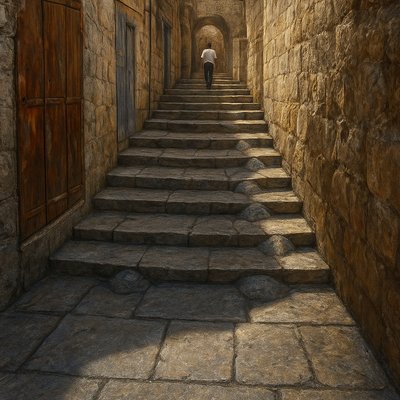
a man walking down a set of stone stairs
Art Style: Ethereal, visionary digital art. A fusion of bioluminescence, sacred geometry, and fluid dynamics. The aesthetic should feel transcendent, glowing, and incredibly soft yet powerful.


    Central Focus (The Source): A human figure in a state of pure, peaceful meditation or ecstatic dance sits in the center of the frame. Their body is semi-translucent, glowing from within with warm white and golden light, acting as a living resonator.

    The Frequency (The Positive Force): Emanating directly from the figure's heart center are visible, powerful waves of vibrational energy.

        Appearance: These aren't simple lines; they are complex, flowing ripples of interwoven light patterns, resembling three-dimensional cymatics (the geometric patterns sound makes in sand or water) and flowing silk.

        Colors: A healing palette of radiant cyan, amethyst purple, warm honey-gold, and soft rose pink. The colors blend and shift as the waves move outward.

    The Effect on the Environment: The scene shows the positive impact of this frequency. The figure is sitting in a dormant, grey landscape. As the colorful frequency waves ripple outwards and touch the surroundings:

        Dull rocks instantly transform into glowing, crystalline formations.

        Bare, gnarled branches burst into shimmering leaves and flowers made of light.

        The air itself seems to shimmer with golden dust motes caught in the vibrational field.

    Overall Atmosphere: Uplifting, healing, and dynamic. A visualization of sound and energy creating order and beauty out of chaos.
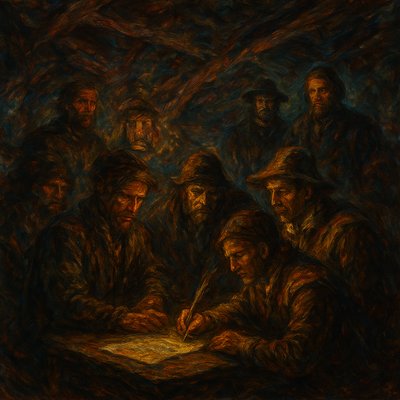
A historically accurate and atmospheric depiction of the signing of the Mayflower Compact aboard the ship in November 1620. The scene is set in the dimly lit, cramped cabin of the Mayflower, with the ship's timbers and rigging subtly visible, conveying the challenging conditions of the voyage. A simple table or chest serves as the signing surface. The primary focus is on a small group of the last individuals signing the document: specifically, the indentured servants (or 'strangers' not directly part of the Separatist congregation) approaching or at the table. Their expressions show a mix of weary determination, understanding of the necessity, and perhaps a hint of quiet apprehension or resignation to this new social contract, given their status. They are dressed in the plain, practical clothing typical of 17th-century commoners and laborers. Figures of prominent Pilgrims or 'Saints' (like William Bradford or John Carver) are visible in the background, observing the proceedings with a sense of gravity and leadership, but they are not the central focus. The lighting is low and warm, perhaps from a lantern, creating a chiaroscuro effect that highlights the faces of the signers. The atmosphere conveys the momentousness of the act under difficult circumstances, the diverse composition of the group, and the early seeds of self-governance in a new world. The artistic style is a realistic, historically detailed oil painting, capturing the solemnity and human element of this pivotal historical moment."
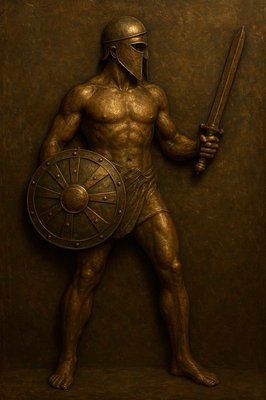
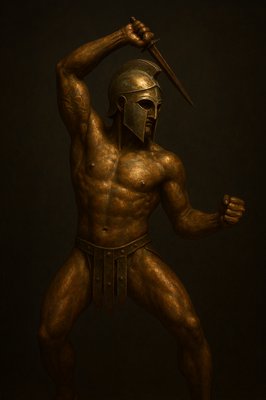
a bronze statue of a warrior holding a sword and shield
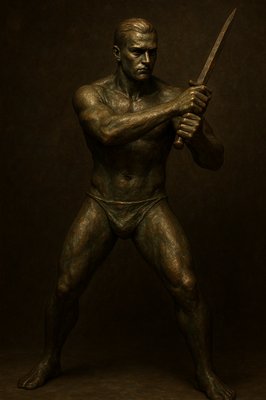
a bronze statue of a warrior holding a sword
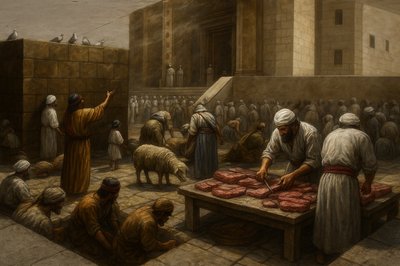
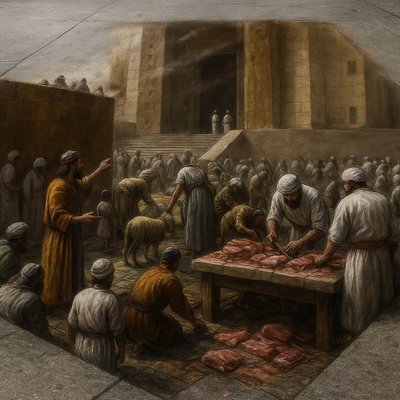
a painting of a group of people standing around a table
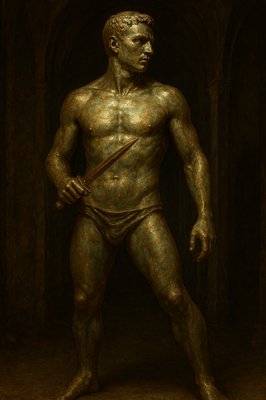
a bronze statue of a man holding a sword
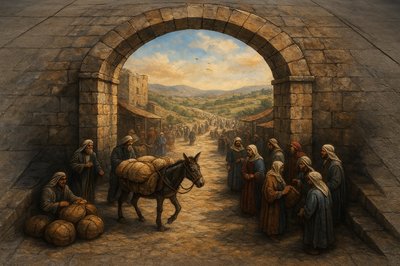
a painting of a group of people standing around a horse
a painting of a group of people standing around a table
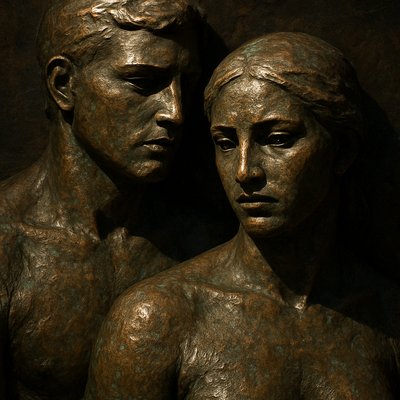
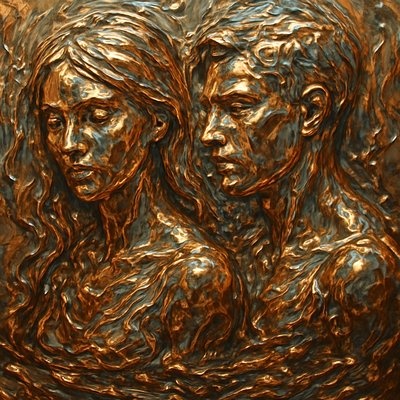
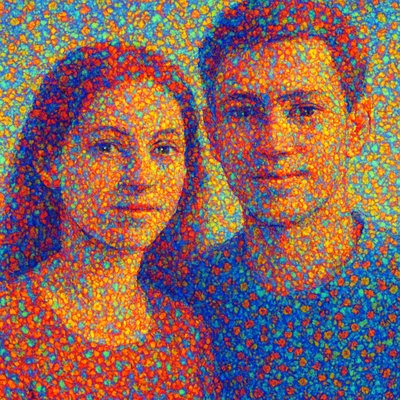
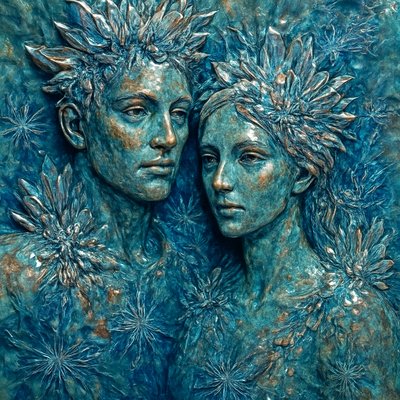
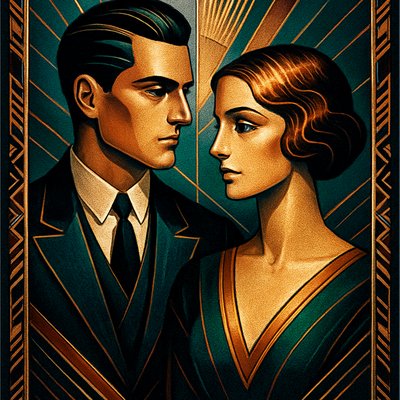
portrait of two people together
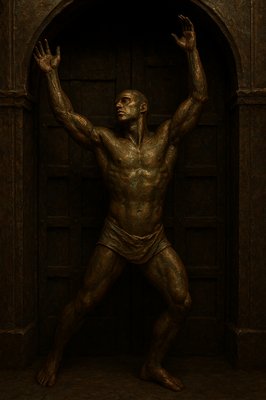
a bronze statue of a man standing in a doorway
portrait of two people together
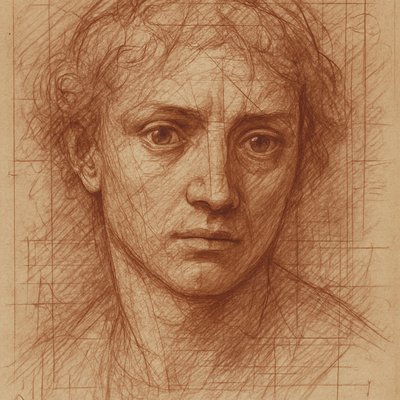
portrait of a person with expressive eyes
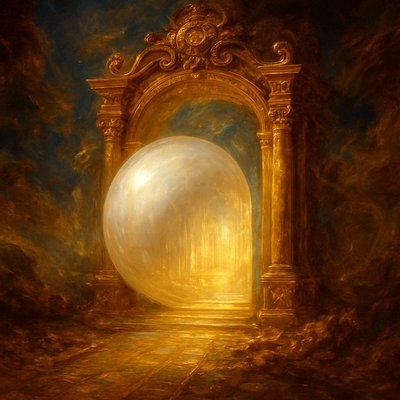
A majestic and awe-inspiring depiction of one of the twelve gates of the New Jerusalem, as described in Revelation 21:21, with an intense emphasis on the pearl. The gate itself is monumental, fashioned entirely from a single, colossal, luminous pearl, radiating an otherworldly, soft, iridescent glow. The pearl's surface exhibits incredible detail, showing subtle layers, mother-of-pearl sheen, and a perfect, smooth, spherical quality even in its flat gate form.

The gate stands open, revealing a glimpse of the glorious city within – a city made of pure gold, as transparent as glass, with streets of pure gold like transparent glass. Brilliant, divine light streams from within the city, casting ethereal glows and soft shadows. The architecture seen beyond the gate is grand and heavenly, hinting at impossible beauty.

The surroundings of the gate are similarly divine but serve to highlight the pearl: perhaps the foundations are adorned with precious stones as described in Revelation 21:19-20, or the approach to the gate is paved with the transparent gold. The sky above is a glorious, clear, and vibrant heavenly blue, possibly hinting at the glory of God. The lighting is transcendent and soft, emphasizing the pearl's luminous quality and its immaculate perfection. The overall mood is one of profound sanctity, overwhelming beauty, divine welcome, and immense glory.
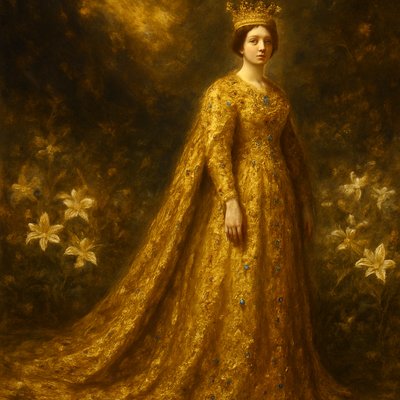
Oil Painting Art Style, Baroque Art Style, a breathtakingly majestic and regal full-length portrait of "The Queen in Gold of Ophir," inspired by Psalm 45. The Queen stands with impeccable grace and royal dignity, her posture radiating quiet power. Her expression is serene, gentle, and profoundly gracious, with a subtle, noble peace. She is adorned in an exquisitely elaborate gown woven entirely from the finest, purest gold of Ophir, which shimmers and gleams with unparalleled brilliance, featuring a magnificent, flowing long train that sweeps gracefully behind her across the ground. Her attire is intricately embellished with countless precious jewels—sapphires, rubies, and emeralds—each sparkling intensely with Baroque dynamism. A delicate yet regal golden crown, also ablaze with light, rests upon her head. The setting is a serene yet grand sacred garden abundant with white and golden lilies, which bloom richly around her feet and extend into the softly focused background. The scene is bathed in dramatic, warm, golden ambient light that creates striking highlights on her golden gown and the lilies, making her and her lavish garments glow amidst the natural beauty. Focus on the unparalleled brilliance, texture, and radiant shine of her golden gown and its sweeping train, the intense sparkle of her jewels, her majestic yet gentle presence, and the luxurious, sacred atmosphere created by the golden light and the symbolic lilies, befitting a queen in God's presence.
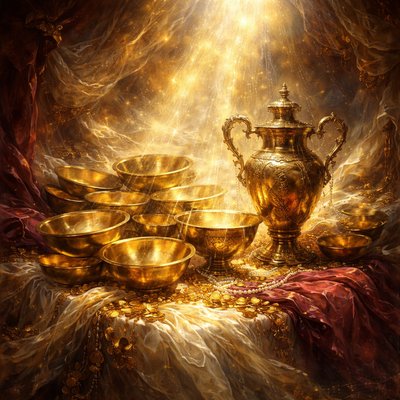
“Also twenty basons of gold, of a thousand drams; and two vessels of fine copper, precious as gold.” (Ezra 8:27, KJV)
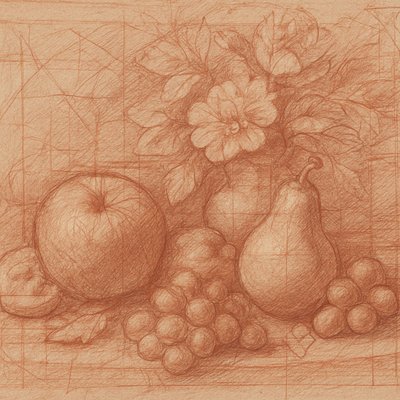
still life arrangement of fruits and flowers
a bronze statue of a man holding a cell phone
a bronze statue of a man holding a sword
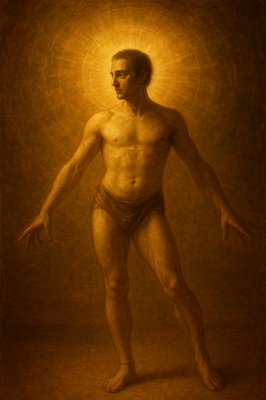
a painting of a man with his arms outstretched
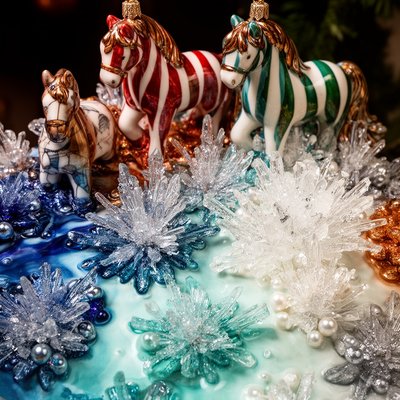
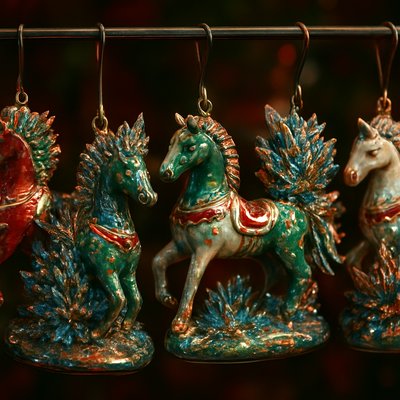
Ornament Rack of Tiny Horses
a collection of christmas ornaments shaped like tiny horses, glossy painted ceramic, metallic highlights, candy cane stripes, hand-painted details, dramatic holiday lighting, rich reds and greens, festive atmosphere
Ornament Rack of Tiny Horses
a collection of christmas ornaments shaped like tiny horses, glossy painted ceramic, metallic highlights, candy cane stripes, hand-painted details, dramatic holiday lighting, rich reds and greens, festive atmosphere
“Nay, in all these things we are more than conquerors through him that loved us.” (Romans 8:37, KJV)
He came as a witness to testify to the light
a woman laying on top of a bed next to a wall
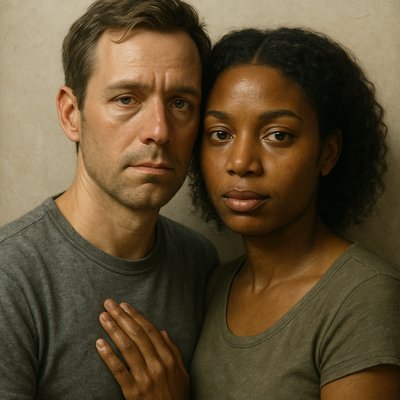
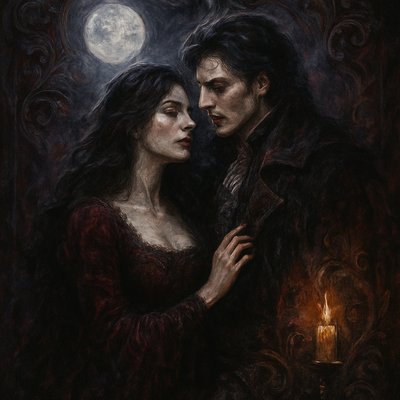
portrait of two people together