"A Group Of Determined 19th Century Gold Miners Panning For Gold In A Shallow, Rocky Stream In The Sierra Nevada Mountains Art

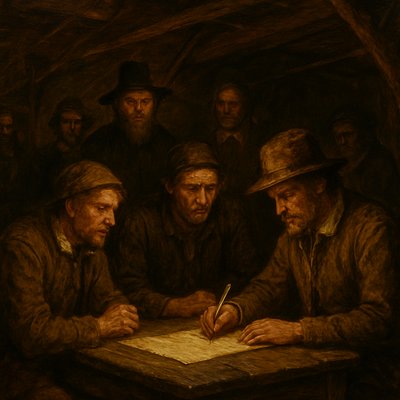
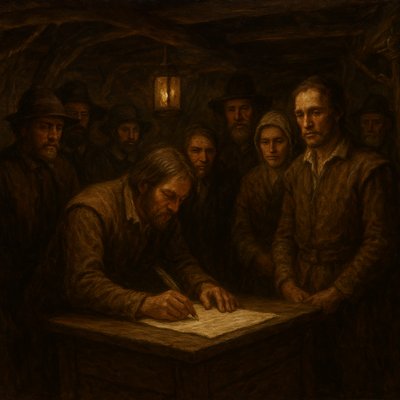
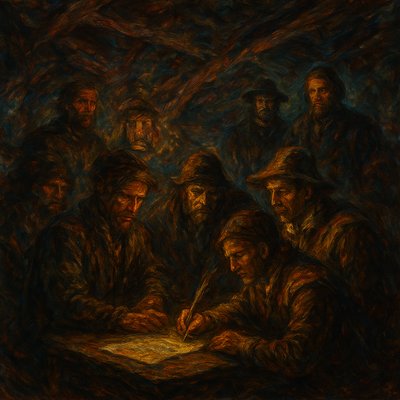
A historically accurate and atmospheric depiction of the signing of the Mayflower Compact aboard the ship in November 1620. The scene is set in the dimly lit, cramped cabin of the Mayflower, with the ship's timbers and rigging subtly visible, conveying the challenging conditions of the voyage. A simple table or chest serves as the signing surface. The primary focus is on a small group of the last individuals signing the document: specifically, the indentured servants (or 'strangers' not directly part of the Separatist congregation) approaching or at the table. Their expressions show a mix of weary determination, understanding of the necessity, and perhaps a hint of quiet apprehension or resignation to this new social contract, given their status. They are dressed in the plain, practical clothing typical of 17th-century commoners and laborers. Figures of prominent Pilgrims or 'Saints' (like William Bradford or John Carver) are visible in the background, observing the proceedings with a sense of gravity and leadership, but they are not the central focus. The lighting is low and warm, perhaps from a lantern, creating a chiaroscuro effect that highlights the faces of the signers. The atmosphere conveys the momentousness of the act under difficult circumstances, the diverse composition of the group, and the early seeds of self-governance in a new world. The artistic style is a realistic, historically detailed oil painting, capturing the solemnity and human element of this pivotal historical moment."
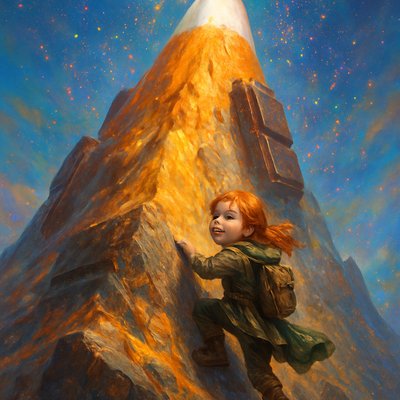
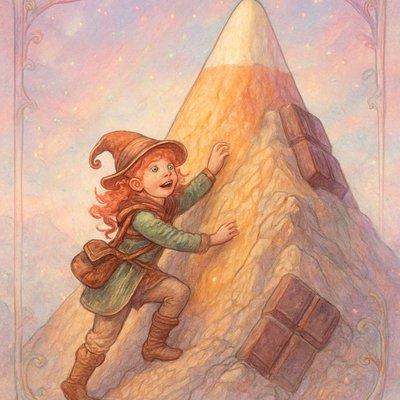
A young red-haired girl in whimsical adventurer gear, bravely climbing a colossal, mountain-sized candy corn. The candy corn mountain has realistic geological features, with crags and steep slopes, made entirely of candy corn, and integrated along its ridges are giant, sculpted chocolate bars. Shimmering, multi-colored pixie stick dust rains down around her like magical snowfall. Determined, joyful expression. Bright, fantastical sky. Hyperrealistic digital painting, fantasy illustration, surreal landscape, epic detailed, cinematic lighting, food art photography." The candy corn is a mountain landscape
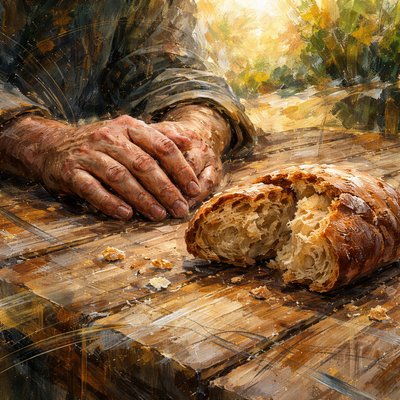
A close-up, shallow depth-of-field photograph. Weathered, hardworking hands are resting on a rough-hewn wooden table next to a broken loaf of hearty brown bread. The background shows a blurred, peaceful garden or workshop. The image evokes a sense of accomplishment and quiet rest. Soft, natural lighting. Zero text or characters in the image.
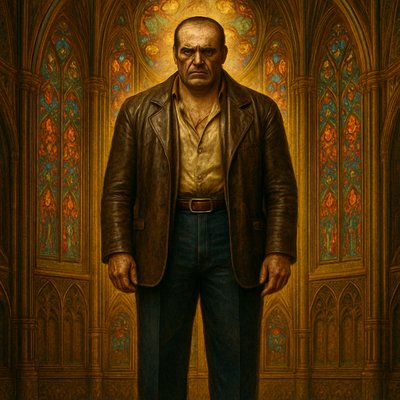
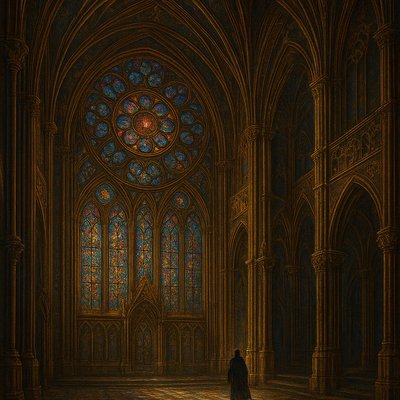
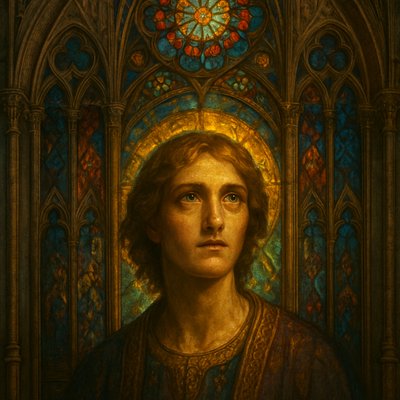
a painting of a man standing in front of a stained glass window
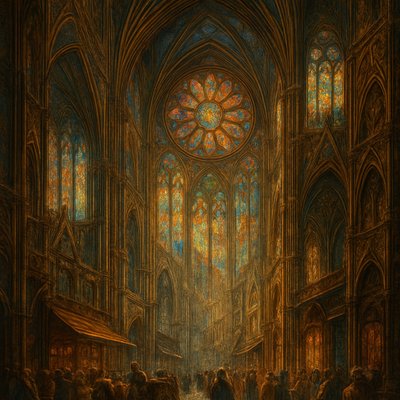
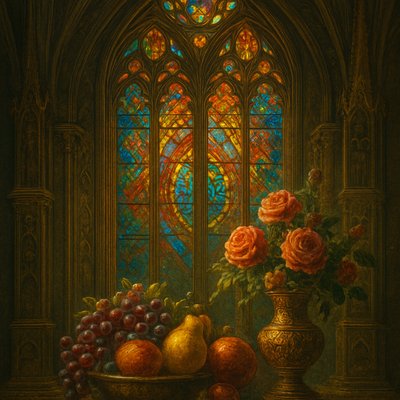
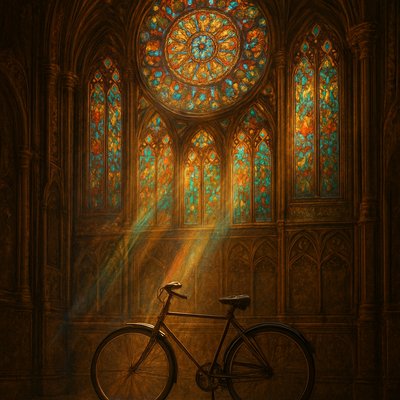
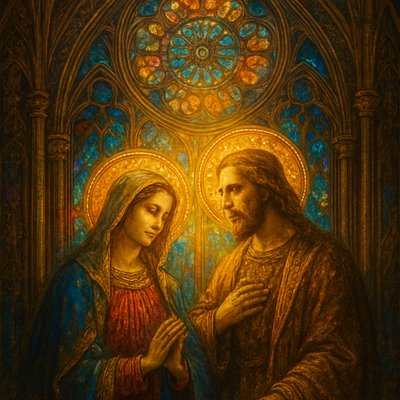
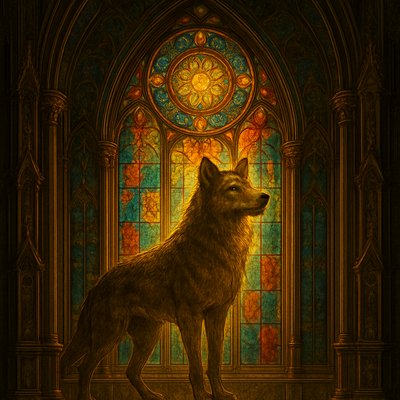
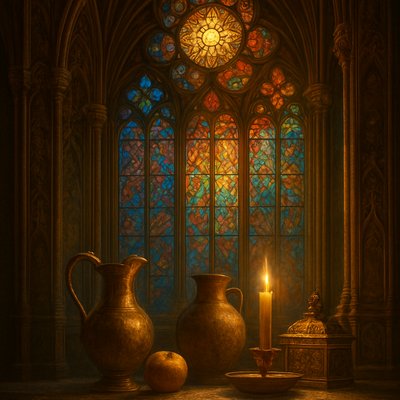
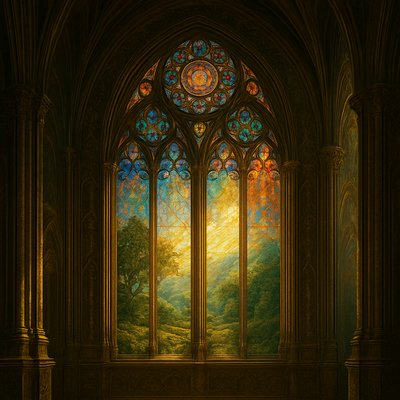
Gothic Cathedral Art Style Transfer Example
A majestic and awe-inspiring depiction of one of the twelve gates of the New Jerusalem, as described in Revelation 21:21, with an intense emphasis on the pearl. The gate itself is monumental, fashioned entirely from a single, colossal, luminous pearl, radiating an otherworldly, soft, iridescent glow. The pearl's surface exhibits incredible detail, showing subtle layers, mother-of-pearl sheen, and a perfect, smooth, spherical quality even in its flat gate form.

The gate stands open, revealing a glimpse of the glorious city within – a city made of pure gold, as transparent as glass, with streets of pure gold like transparent glass. Brilliant, divine light streams from within the city, casting ethereal glows and soft shadows. The architecture seen beyond the gate is grand and heavenly, hinting at impossible beauty.

The surroundings of the gate are similarly divine but serve to highlight the pearl: perhaps the foundations are adorned with precious stones as described in Revelation 21:19-20, or the approach to the gate is paved with the transparent gold. The sky above is a glorious, clear, and vibrant heavenly blue, possibly hinting at the glory of God. The lighting is transcendent and soft, emphasizing the pearl's luminous quality and its immaculate perfection. The overall mood is one of profound sanctity, overwhelming beauty, divine welcome, and immense glory.
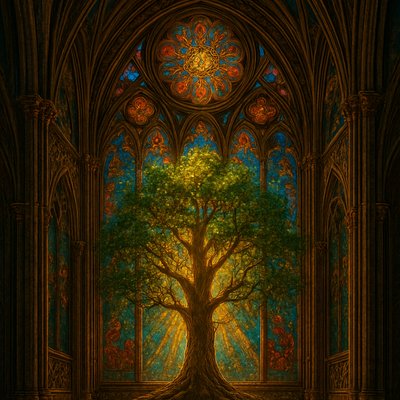
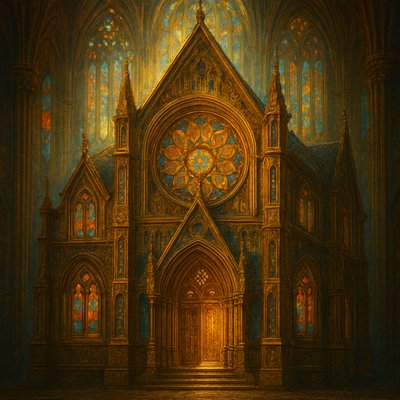
Gothic Cathedral Art Style Transfer Example
a tree in nature
house with front view
Seascape with crashing waves and rocky shoreline in the art style of Realism --v 6.1
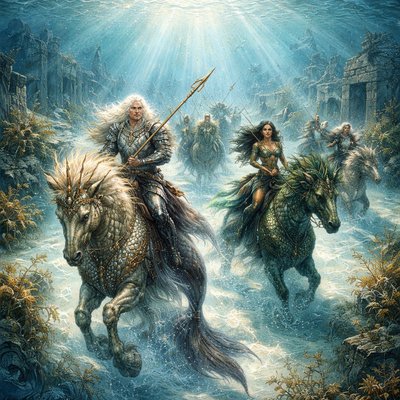
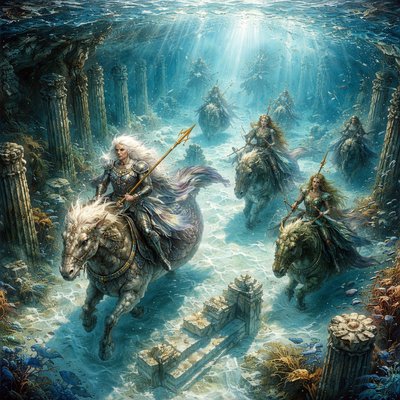
Golden Age Fantasy Illustration Style, Painterly Realism, Crystalline Underwater Photography Aesthetic. A stunning view looking straight down through impossibly clear, glassy ocean water, as if peering over the edge of a ship. Below, on the white sand seabed, are the seaweed-covered ruins of a sunken, ancient civilization.

The Merpeople: A royal hunting party of Narnian Merpeople is riding through the submerged streets. They are not gentle, fairy-tale creatures, but possess a wild, fierce majesty. They ride large, powerful, scaled hippocamps (mythical sea-horses).

Key Figures & Details: The Mer-King, with flowing white hair and a stern expression, wears armor crafted from iridescent pearl and abalone shells, brandishing a long spear tipped with gold. His powerful tail is deep amethyst. A fierce Mer-Queen rides beside him, her colors shimmering emerald and gold. Smaller merfolk follow, shaking spears.

Lighting & Atmosphere: Bright shafts of sunlight pierce the deep water, illuminating the underwater dust motes and making the scales of the merfolk and their mounts sparkle intensely. The mood is silent, ancient, and awe-inspiring.
Golden Age Fantasy Illustration Style, Painterly Realism, Crystalline Underwater Photography Aesthetic. A stunning view looking straight down through impossibly clear, glassy ocean water, as if peering over the edge of a ship. Below, on the white sand seabed, are the seaweed-covered ruins of a sunken, ancient civilization.

The Merpeople: A royal hunting party of Narnian Merpeople is riding on seas horses through the submerged streets. They are not gentle, fairy-tale creatures, but possess a wild, fierce majesty. They ride large, powerful, scaled hippocamps (mythical sea-horses).

Key Figures & Details: The Mer-King, with flowing white hair and a stern expression, wears armor crafted from iridescent pearl and abalone shells, brandishing a long spear tipped with gold. His powerful tail is deep amethyst. A fierce Mer-Queen rides beside him, her colors shimmering emerald and gold. Smaller merfolk follow, shaking spears.

Lighting & Atmosphere: Bright shafts of sunlight pierce the deep water, illuminating the underwater dust motes and making the scales of the merfolk and their mounts sparkle intensely. The mood is silent, ancient, and awe-inspiring.
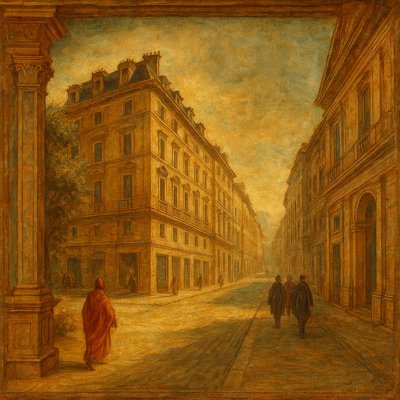
urban street with city activity
still life arrangement of fruits and flowers
portrait of a person with expressive eyes
Noble woman with landscape
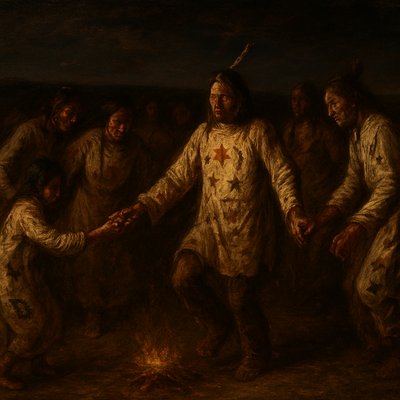
"A historically accurate depiction of a Ghost Dance, focusing on the late 19th-century context, specifically around 1890-1891. The scene shows Lakota (Sioux) or Northern Paiute people (specify one or include elements of both, but avoid anachronisms) participating in the ceremony.

Setting: A vast, open prairie or high desert landscape, under an expansive sky. The time of day could be dusk or night, with a prominent moon or stars, or a bright, clear day. Avoid overtly spiritual or ethereal elements like floating spirits unless explicitly requested for a later, more symbolic iteration. The focus should be on the earthly ceremony.

Participants: A circle of men, women, and children, hand-in-hand, moving in a slow, rhythmic shuffle or circular motion. Their faces show a mixture of devotion, hope, and determination. Some may have expressions of trance or deep concentration.

Attire:

    Ghost Dance Shirts/Dresses: Emphasize the unique Ghost Dance shirts and dresses, which were typically made of muslin or canvas. These garments should feature painted designs such as stars, crescents, birds (especially eagles or crows), buffalo, human figures, or crosses. The designs should appear hand-painted, not mass-produced.

    Hair and Adornments: Participants should have braided hair or wear it long. Some may wear feathers (e.g., eagle or hawk feathers) in their hair. Minimal traditional adornments, as the focus was often on the Ghost Dance shirt itself. Avoid overly elaborate or Hollywood-esque depictions of war bonnets unless relevant to a specific individual and context.

    Footwear: Moccasins or bare feet.

Action/Atmosphere:

    The dancers are moving in a counter-clockwise circle, with a central figure or a small group often leading.

    The overall mood is one of earnest prayer and communal spiritual effort. The dance should convey a sense of hope for renewal and the return of the old ways, rather than aggression or despair.

    There might be a central pole or small fire as a focal point, around which the dance takes place.

    Avoid any signs of direct conflict or violence; the Ghost Dance itself was a non-violent spiritual movement.

Specific Considerations for Accuracy:

    Wovoka's Influence: The teachings of Wovoka (the Northern Paiute prophet) emphasized peace, hard work, and the return of the buffalo and deceased ancestors. The scene should subtly reflect this hopeful, redemptive spirit.

    Regional Variations: If focusing on Lakota, consider their specific interpretations, which sometimes included more imagery related to their warrior traditions on the shirts, but still within the peaceful framework of the dance.
    Respectful Portrayal: Ensure the depiction is respectful and avoids any stereotypical or caricatured representations of Indigenous people. Focus on their human dignity and spiritual sincerity.
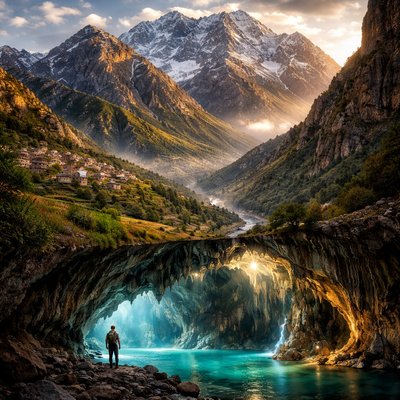
Epic cinematic landscape of the majestic Shaho mountain range in western Iran, part of the central Zagros Mountains, towering rugged limestone peaks rising to over 3400 meters with snow-capped summits at Havi Khani peak, dramatic steep ridges and deep valleys, lush green slopes in spring with wildflowers and scattered oak forests, Kurdish villages with stone houses clinging to terraced hillsides in the foreground near the Sirwan River valley, golden hour sunlight casting long shadows and warm glow on the rocky cliffs, misty atmosphere, ultra-detailed, photorealistic --ar 16:9 --v 6 --q 2
In the lower scene, seamlessly integrate an entrance to the ancient Quri Qala water cave at the foothills of Shaho, glowing turquoise underground river flowing through massive cavern mouth, crystal-clear water reflecting stalactites and stalagmites, illuminated chambers with sparkling mineral formations, dripping water, natural blue-green lighting from within the cave, adventurous explorer figure with headlamp standing at the entrance gazing in awe, mysterious and enchanting atmosphere, high contrast between the bright mountain exterior and the ethereal glowing cave interior, masterpiece, highly detailed, National Geographic style photography"
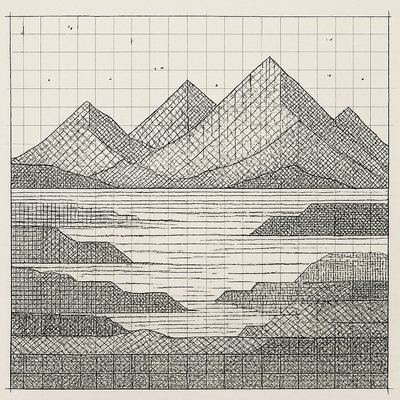
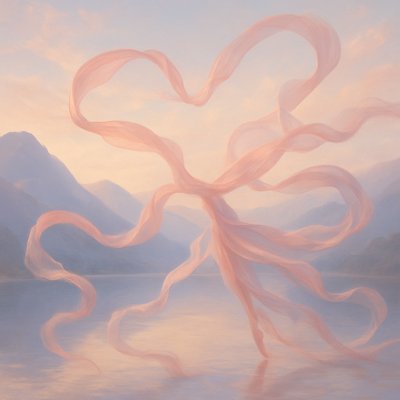
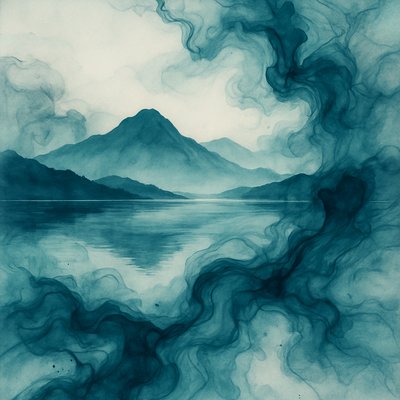
serene landscape with mountains and water
He that toucheth pitch shall be defiled therewith; and he that hath fellowship with a proud man shall be like unto him. (Sirach 13:1)
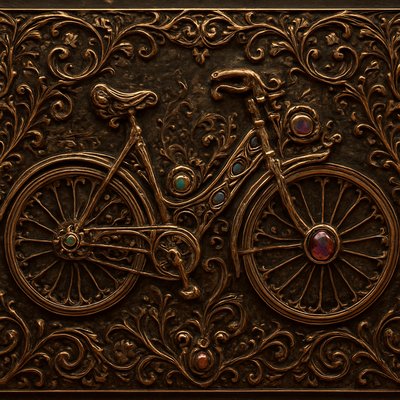
bicyle resting against a wall
portrait of two people together
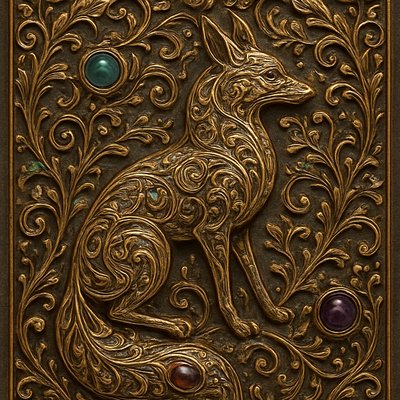
animal standing in natural pose
still life with everyday objects
wide landscape with natural scenery
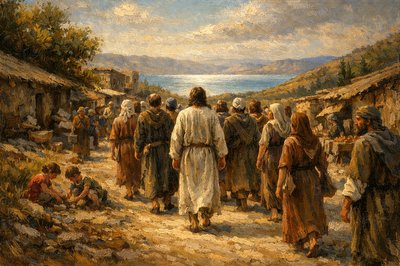
First century Palestine.  Jesus walks away from the camera down a road that goes through town with several of His disciples.   Jesus wears a plain robe like most ordinary men.  The other people are dressed like peasants, farmers, and tradesmen.  There are also women in the group, wearing plain, everyday clothing.  Some children are playing near the roadside.  The Sea of Galilee shines in the far distance.
A historically accurate and atmospheric depiction of the signing of the Mayflower Compact aboard the ship in November 1620. The scene is set in the dimly lit, cramped cabin of the Mayflower, with the ship's timbers and rigging subtly visible, conveying the challenging conditions of the voyage. A simple table or chest serves as the signing surface. The primary focus is on a small group of the last individuals signing the document: specifically, the indentured servants (or 'strangers' not directly part of the Separatist congregation) approaching or at the table. Their expressions show a mix of weary determination, understanding of the necessity, and perhaps a hint of quiet apprehension or resignation to this new social contract, given their status. They are dressed in the plain, practical clothing typical of 17th-century commoners and laborers. Figures of prominent Pilgrims or 'Saints' (like William Bradford or John Carver) are visible in the background, observing the proceedings with a sense of gravity and leadership, but they are not the central focus. The lighting is low and warm, perhaps from a lantern, creating a chiaroscuro effect that highlights the faces of the signers. The atmosphere conveys the momentousness of the act under difficult circumstances, the diverse composition of the group, and the early seeds of self-governance in a new world. The artistic style is a realistic, historically detailed oil painting, capturing the solemnity and human element of this pivotal historical moment."
serene landscape with mountains and water
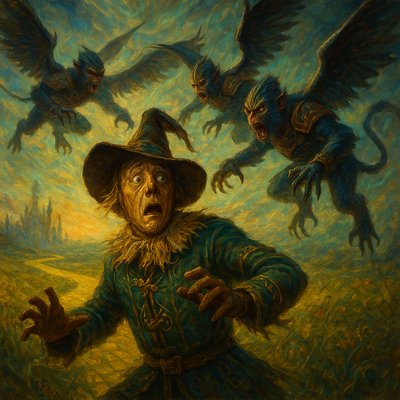
The Wizard of Oz Scarecrow, looking surprised and slightly alarmed, as a group of winged flying monkeys descends rapidly from the sky towards him, their taloned feet reaching out. The scene is set in a vibrant, slightly fantastical field with a yellow brick road visible in the distance. Emphasize dynamic motion and the contrast between the playful yet menacing monkeys and the innocent Scarecrow
serene landscape with mountains and water
A young red-haired girl in whimsical adventurer gear, bravely climbing a colossal, mountain-sized candy corn. The candy corn mountain has realistic geological features, with crags and steep slopes, made entirely of candy corn, and integrated along its ridges are giant, sculpted chocolate bars. Shimmering, multi-colored pixie stick dust rains down around her like magical snowfall. Determined, joyful expression. Bright, fantastical sky. Hyperrealistic digital painting, fantasy illustration, surreal landscape, epic detailed, cinematic lighting, food art photography."Surrealist Digital Art, Salvador Dalí Inspired, Magical Realism, Pastel Colors, Dreamscape
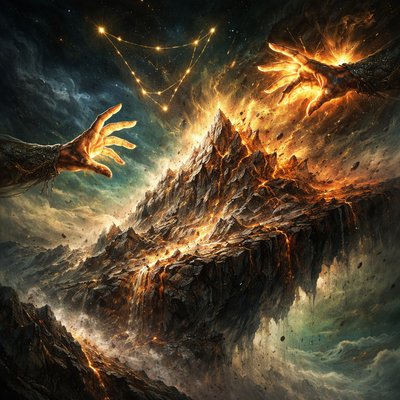
An abstract fusion of the Capricorn constellation and a mountain being turned to ash. Ethereal hands stretching out against a "destroying mountain" as it rolls off a cosmic cliff. The colors are charcoal, deep bronze, and flickering fire-orange. No cornerstones remain; the geometry of the mountain is fracturing. Surrealist style, sharp edges, metallic highlights, symbolic of Jeremiah 51:24-26.
serene landscape with mountains and water
Fresco Narrative Renaissance Art Style Style Transfer Example
Vintage Jewelry Design Style Transfer Example
bicyle resting against a wall
animal standing in natural pose